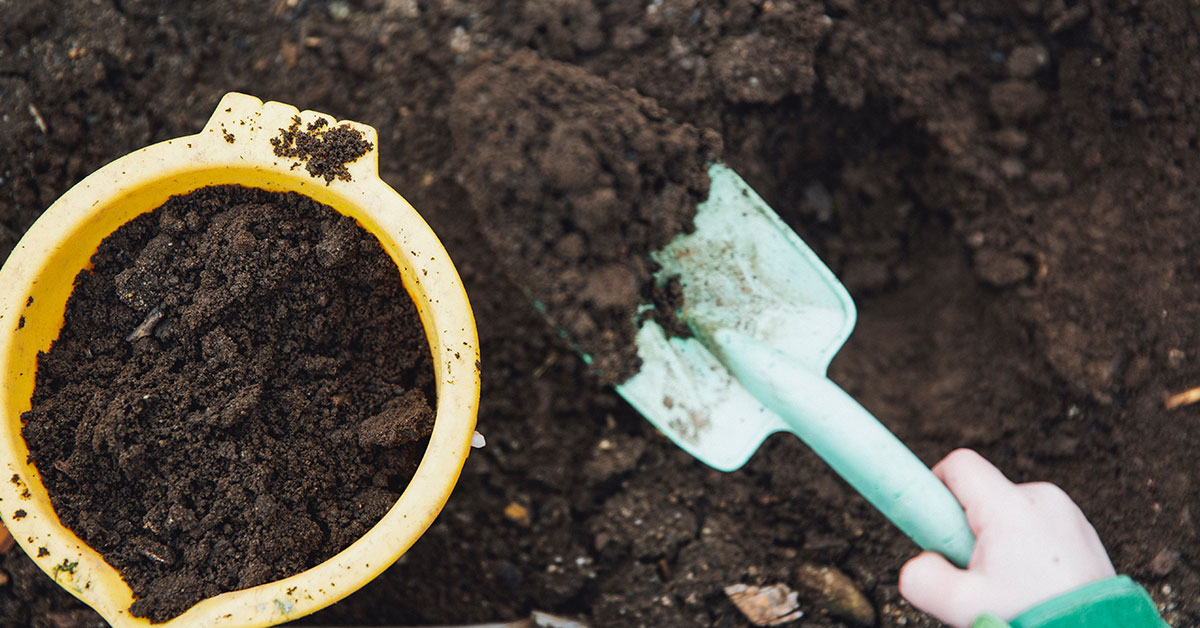

As the New Year approaches, many gardeners are eager to refresh their green spaces with new projects and improvements. One of the most rewarding endeavors you can undertake is crafting your own homemade potting mixes. Not only does this allow you to tailor the soil to your specific plant needs, but it also promotes sustainability and cost-effectiveness. Imagine the satisfaction of nurturing vibrant blooms and thriving vegetables with a potting mix that you’ve carefully crafted yourself!
Creating homemade potting mixes is a fantastic way to ensure your plants receive the optimal balance of nutrients, drainage, and aeration they need to flourish. Whether you’re cultivating native plants that are well-adapted to your local climate or experimenting with exotic species, understanding the components of potting mix is essential. By embracing this hands-on approach, you can address common gardening frustrations, such as poor drainage or nutrient deficiencies, and set the stage for a successful gardening year ahead. Let’s dive into the art and science of crafting the perfect potting mix to kick off your gardening resolutions!
Tailoring Mixes for Specific Plants

Different plants have unique soil requirements that can significantly impact their growth and health. For instance, succulents like Echeveria, native to arid regions, thrive in a well-draining potting mix composed of sand, perlite, and cactus soil. This blend prevents root rot by ensuring excess water quickly drains away, mimicking their natural desert habitat. On the other hand, moisture-loving plants such as ferns and peace lilies benefit from a mix rich in organic matter like peat moss and compost, which retains moisture while still providing adequate drainage.
Understanding the native environments of your plants can guide you in customizing your potting mix to meet their specific needs. For example, blueberries (Vaccinium spp.), native to North American wetlands, require acidic soil with a pH between 4.5 and 5.5. Incorporating materials like pine bark or sphagnum peat moss into your mix can help achieve the necessary acidity, ensuring your blueberries produce luscious berries year after year. By tailoring your potting mix to the natural preferences of your plants, you create an environment where they can thrive and display their full potential!
Adding Nutrients and Amendments

Ensuring your homemade potting mix is nutrient-rich is crucial for the sustained health and growth of your plants. Incorporating organic amendments such as compost, worm castings, and bone meal can provide essential nutrients like nitrogen, phosphorus, and potassium. Compost, for example, not only enriches the soil with vital nutrients but also improves its structure and water-holding capacity. Worm castings are another fantastic addition, offering a natural source of nutrients that are easily absorbed by plant roots, promoting vigorous growth and vibrant foliage.
In addition to basic nutrients, adding specific amendments can address particular plant needs and enhance overall soil health. For instance, adding gypsum to your mix can help improve soil structure and provide calcium and sulfur, which are beneficial for plants like tomatoes and peppers. Incorporating biochar can also enhance soil fertility by increasing its ability to retain water and nutrients while supporting beneficial microbial activity. By thoughtfully selecting and mixing these amendments, you create a dynamic and nourishing potting environment that supports robust plant development and resilience against pests and diseases!
Choosing the Right Base Materials
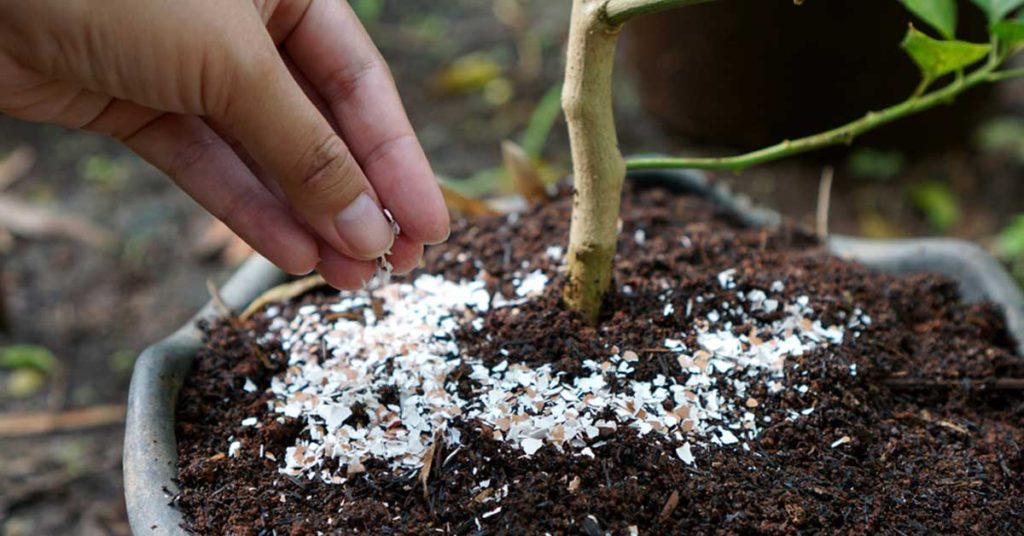
The foundation of any successful potting mix lies in selecting the appropriate base materials that provide structure, drainage, and aeration. Common base ingredients include peat moss, coconut coir, perlite, and vermiculite. Peat moss, harvested from peat bogs, is prized for its excellent water retention and acidic pH, making it ideal for acid-loving plants like azaleas and blueberries. However, coconut coir is a more sustainable alternative that offers similar moisture retention properties while being environmentally friendly and renewable.
Perlite and vermiculite are essential for enhancing drainage and aeration in your potting mix. Perlite, a volcanic glass, creates air pockets that prevent soil compaction and promote healthy root growth by allowing excess water to escape. Vermiculite, on the other hand, retains moisture and nutrients, providing a balanced environment for plant roots. Combining these base materials in the right proportions ensures that your potting mix remains well-drained yet retains enough moisture to support your plants’ needs. By carefully selecting and balancing your base ingredients, you lay the groundwork for a thriving and resilient garden!
Sustainable and Eco-Friendly Practices
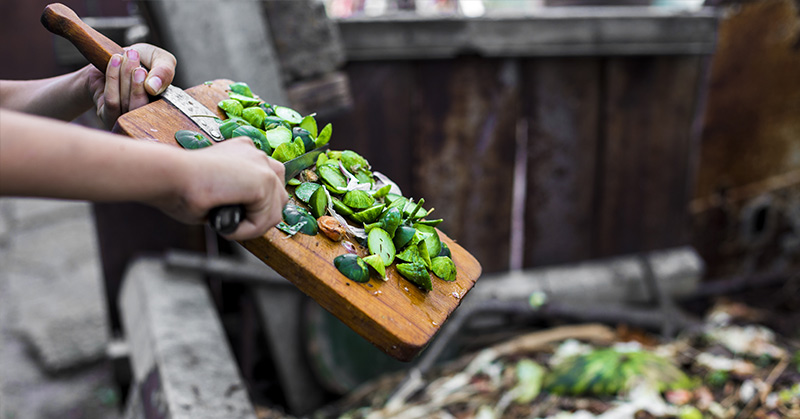
Adopting sustainable and eco-friendly practices when crafting your homemade potting mix not only benefits your garden but also contributes to environmental preservation. Utilizing recycled materials such as shredded newspaper, coconut husks, or even coffee grounds can reduce waste and provide valuable organic matter for your soil. For instance, shredded newspaper serves as an excellent source of carbon, which balances the nitrogen from compost and other green materials, creating a well-balanced potting mix that supports healthy plant growth.
Incorporating locally sourced materials can further enhance the sustainability of your potting mix. Using compost from your kitchen scraps or yard waste minimizes transportation emissions and supports the local ecosystem. Additionally, opting for natural and organic amendments over synthetic fertilizers reduces the risk of soil contamination and promotes a healthier environment for beneficial microorganisms and earthworms. By prioritizing sustainability in your potting mix creation, you foster a garden that thrives in harmony with nature, ensuring its beauty and productivity for generations to come!
Improving Soil Structure and Drainage

A well-structured potting mix is essential for optimal root development and overall plant health. Enhancing soil structure involves balancing the components to achieve the right texture and drainage properties. Incorporating coarse materials like sand or pumice can improve drainage, preventing waterlogged soil that can lead to root rot and other fungal diseases. Additionally, adding organic matter such as compost or well-rotted manure helps to create a loose and crumbly texture that facilitates air circulation around the roots, promoting healthy growth.
Proper drainage is particularly important for container gardening, where excess water can quickly accumulate and suffocate plant roots. To improve drainage, consider layering materials at the bottom of your pots, such as gravel or broken pottery pieces, before adding your potting mix. This creates a reservoir that allows excess water to escape, maintaining a balanced moisture level for your plants. By focusing on soil structure and drainage, you ensure that your homemade potting mix provides a supportive and nourishing environment where your plants can thrive and reach their full potential!
Avoiding Invasive Species in Potting Mixes

When crafting homemade potting mixes, it’s crucial to be mindful of the materials you use to prevent the introduction of invasive species that can disrupt local ecosystems. Some organic components, such as certain types of wood chips or composted plant material, may harbor invasive plant seeds or pathogens if not properly treated. For example, using untreated compost from areas where invasive species like Japanese Knotweed (Fallopia japonica) are present can inadvertently introduce these aggressive plants into your garden.
To avoid this, ensure that all organic materials used in your potting mix are thoroughly composted and free from unwanted seeds or pests. Sourcing compost from reputable suppliers or composting your own materials for an extended period can help eliminate potential threats. Additionally, being cautious with the use of garden debris and avoiding the inclusion of invasive plant parts in your mix further safeguards your garden’s health and the surrounding environment. By taking these preventive measures, you create a safe and thriving potting mix that supports your plants without harming the local ecosystem!
Incorporating Native Plants’ Needs

Understanding and incorporating the specific needs of native plants into your potting mix is a fantastic resolution that enhances your garden’s harmony and productivity. Native plants, such as the Black-eyed Susan (Rudbeckia hirta) native to North America, are well-adapted to your local climate and soil conditions, making them easier to grow and more resilient against pests and diseases. Crafting a potting mix that mimics their natural habitat—typically rich in organic matter with good drainage—ensures that these plants thrive and contribute to the biodiversity of your garden.
Additionally, native plants often have symbiotic relationships with local microorganisms and pollinators, which can be supported by including beneficial amendments in your potting mix. For example, adding mycorrhizal fungi to your mix can enhance nutrient uptake for native orchids and other delicate species, promoting robust and healthy growth. By tailoring your potting mix to meet the specific needs of native plants, you create an environment where these beautiful and ecologically important species can flourish, adding both beauty and ecological value to your garden!
Troubleshooting Common Potting Mix Problems

Even with careful planning, you may encounter challenges when crafting homemade potting mixes. Common issues such as poor drainage, nutrient deficiencies, or compacted soil can hinder plant growth and overall garden health. If you notice that your plants are showing signs of root rot or yellowing leaves, it might indicate that your potting mix is retaining too much water or lacking essential nutrients. To address poor drainage, consider adding more coarse materials like perlite or sand to your mix, ensuring excess water can escape and prevent waterlogging.
Nutrient deficiencies can be remedied by incorporating organic amendments such as compost, worm castings, or bone meal into your potting mix. These additions provide essential nutrients that support vigorous plant growth and vibrant foliage. If your soil feels compacted, fluffing it up with additional organic matter and ensuring proper aeration can improve its structure and promote healthy root development. By identifying and addressing these common potting mix problems, you can fine-tune your homemade blend to create an optimal growing environment that supports robust and thriving plants throughout the year!
Storing and Preserving Your Potting Mix
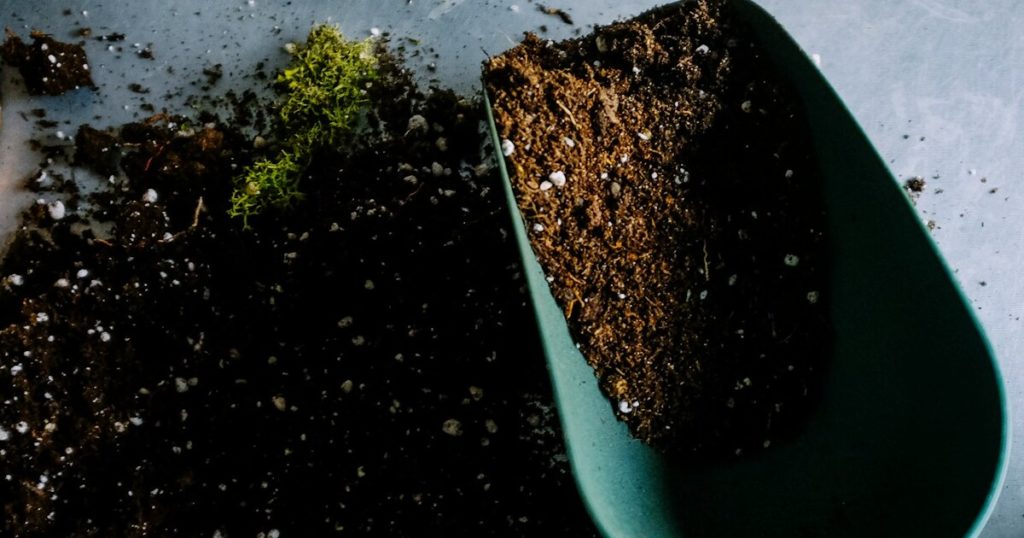
Proper storage and preservation of your homemade potting mix are essential for maintaining its quality and effectiveness throughout the year. Store your potting mix in airtight containers or sealed bags to protect it from moisture, pests, and contaminants. Keeping the mix in a cool, dry place helps preserve its nutrient content and prevents the growth of mold or mildew, ensuring that it remains fresh and ready for use when needed. Labeling your containers with the date and specific blend can also help you keep track of its shelf life and make adjustments as necessary.
Additionally, periodically refreshing your potting mix by adding fresh organic matter or amendments can extend its lifespan and maintain its nutrient balance. If you notice any signs of degradation, such as a sour smell or mold growth, it’s best to discard and replace the mix to avoid introducing harmful pathogens to your plants. By implementing proper storage and preservation techniques, you ensure that your homemade potting mix remains a reliable and effective foundation for your gardening endeavors, providing a consistent and nourishing environment for your plants to thrive!
Benefits of Homemade Potting Mixes

Crafting your own potting mixes offers a multitude of benefits that enhance both your gardening experience and the health of your plants. Homemade mixes allow you to customize the blend to suit the specific needs of your plants, ensuring optimal drainage, aeration, and nutrient levels tailored to each species. This level of customization can lead to healthier, more vigorous plants that are better equipped to resist pests and diseases, resulting in a more productive and beautiful garden.
Moreover, creating homemade potting mixes promotes sustainability and environmental responsibility. By recycling organic materials and reducing reliance on commercially produced mixes, you minimize waste and lower your carbon footprint. Additionally, homemade mixes often contain fewer chemicals and synthetic additives, providing a more natural and eco-friendly growing medium that supports beneficial soil microorganisms and fosters a thriving ecosystem. Embracing the practice of crafting your own potting mix not only elevates your gardening success but also contributes to a healthier and more sustainable planet!
Final Thoughts
Crafting homemade potting mixes for the New Year is a fulfilling and empowering resolution that can transform your gardening practice and elevate the health and beauty of your plants. By understanding the essential components, tailoring mixes to specific plant needs, and embracing sustainable practices, you create a nurturing environment that supports robust growth and vibrant blooms. This hands-on approach not only enhances your gardening skills but also deepens your connection with nature, fostering a garden that thrives year after year.
As you embark on this journey of creating your own potting mixes, remember that each step you take contributes to the overall success and sustainability of your garden. Celebrate the creativity and ingenuity involved in mixing your own soil, and enjoy the satisfaction of watching your plants flourish in a perfectly balanced and customized growing medium.