

As the New Year dawns, it’s the perfect time to reflect on your gardening journey and set inspiring goals for the months ahead. Whether you’re a seasoned gardener or just starting out, establishing clear resolutions can help you cultivate a thriving and beautiful garden. Embracing new challenges and refining your gardening practices not only enhances the health and aesthetics of your plants but also deepens your connection with nature. Let’s explore how you can set meaningful gardening goals that will make your garden flourish throughout the year!
Setting garden resolutions can transform your outdoor space into a vibrant sanctuary that supports local ecosystems and brings you immense joy. By thoughtfully planning your gardening objectives, you can address common frustrations, such as battling pests or struggling with shady areas, and turn them into opportunities for growth and improvement. From selecting native plants to implementing sustainable practices, each resolution is a step towards creating a more resilient and enchanting garden. Let’s dive into some exciting and achievable gardening goals that will inspire you to nurture your green space with enthusiasm and care!
Choosing Native and Non-Invasive Plants
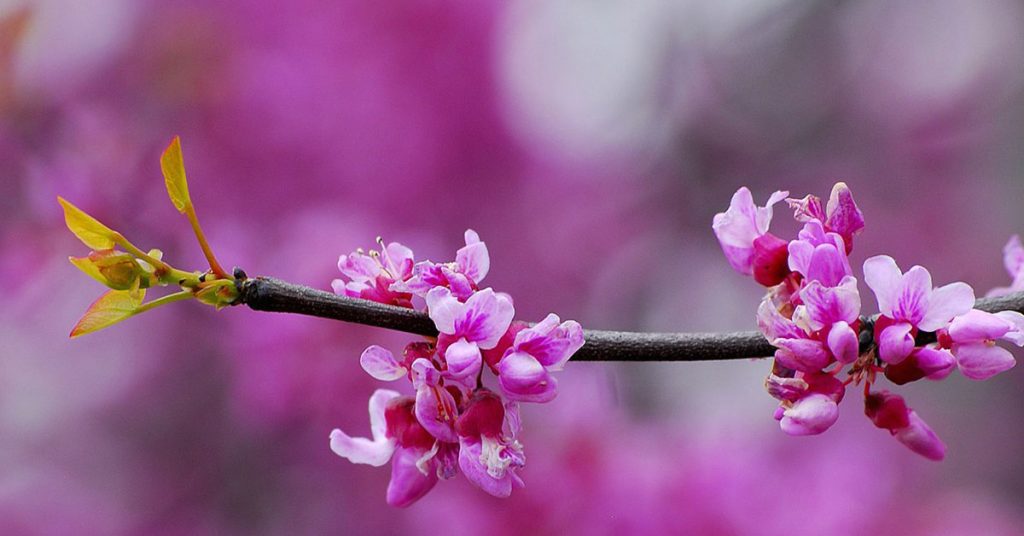
One of the most impactful resolutions you can make is to prioritize native and non-invasive plants in your garden. Native plants are adapted to your local climate and soil conditions, making them easier to care for and more resilient against pests and diseases. For example, if you’re in the Southeastern United States, consider planting Eastern Redbud (Cercis canadensis), which boasts beautiful pink blossoms in spring and supports local pollinators like bees and butterflies. Native plants like these not only thrive with minimal intervention but also enhance biodiversity, creating a harmonious environment for wildlife to thrive!
Conversely, avoiding invasive species is crucial for maintaining a balanced ecosystem in your garden. Invasive plants, such as Japanese Knotweed (Fallopia japonica), can quickly overtake native flora, disrupting habitats and outcompeting other plants for resources. Instead, opt for non-invasive alternatives like Blueberry (Vaccinium spp.), which provides delicious fruit and beautiful foliage without harming the local ecosystem. By carefully selecting native and non-invasive plants, you ensure that your garden remains a sanctuary for both plants and wildlife, fostering a sustainable and vibrant outdoor space!
Enhancing Soil Health with Composting

Improving soil health is a fundamental gardening resolution that pays off year after year. Composting is an excellent way to enrich your soil with essential nutrients, improve its structure, and enhance its ability to retain moisture. By recycling kitchen scraps, yard waste, and other organic materials, you create a nutrient-rich compost that supports vigorous plant growth. For instance, adding compost to your vegetable garden can boost the productivity of crops like tomatoes (Solanum lycopersicum) and peppers (Capsicum spp.), ensuring they thrive and produce abundant yields!
In addition to providing nutrients, composting helps to foster a healthy soil ecosystem by encouraging beneficial microorganisms and earthworms. These organisms break down organic matter, aerate the soil, and suppress harmful pathogens, creating an optimal environment for your plants. Setting up a compost bin or a worm farm can be a fun and rewarding project that not only benefits your garden but also reduces household waste. By committing to composting, you enhance your garden’s resilience and sustainability, paving the way for a flourishing and eco-friendly outdoor space!
Implementing Sustainable Gardening Practices

Embracing sustainable gardening practices is a powerful resolution that benefits both your garden and the environment. Start by conserving water through the use of drip irrigation systems or rain barrels, which help to minimize water waste and ensure your plants receive consistent moisture. Implementing mulching around your plants can also reduce evaporation, suppress weeds, and regulate soil temperature, creating a more stable and healthy growing environment. These simple yet effective practices not only save resources but also promote the longevity and vitality of your garden!
Another key aspect of sustainable gardening is reducing your reliance on chemical fertilizers and pesticides. Instead, opt for organic alternatives like neem oil or insecticidal soap to manage pests naturally. Planting companion species, such as marigolds (Tagetes spp.) alongside vegetables, can help deter pests and attract beneficial insects that support your garden’s health. Additionally, incorporating native plants that are resistant to local pests reduces the need for interventions, creating a more balanced and self-sustaining ecosystem. By prioritizing sustainability, you cultivate a garden that thrives in harmony with nature, ensuring its beauty and productivity for years to come!
Planning for Attracting Wildlife and Pollinators

Attracting wildlife and pollinators to your garden is a delightful resolution that enhances its vibrancy and ecological balance. Planting a variety of nectar-rich flowers, such as coneflowers (Echinacea purpurea) and bee balm (Monarda didyma), provides essential food sources for bees, butterflies, and hummingbirds. These pollinators play a crucial role in maintaining the health of your garden by facilitating the reproduction of flowering plants and promoting biodiversity. Additionally, incorporating berry-producing shrubs like elderberries (Sambucus nigra) attracts birds that help control insect populations naturally!
Creating habitats for wildlife is equally important for fostering a thriving garden ecosystem. Installing birdhouses, bat boxes, and bee hotels provides safe nesting sites and shelters for various creatures, encouraging them to take up residence in your garden. Incorporating water features, such as birdbaths or small ponds, offers hydration and attracts frogs and dragonflies that contribute to pest control. By designing your garden with wildlife-friendly elements, you create a lively and dynamic environment where both plants and animals can flourish together, enhancing the overall health and beauty of your outdoor space!
Organizing the Garden Layout for Efficiency
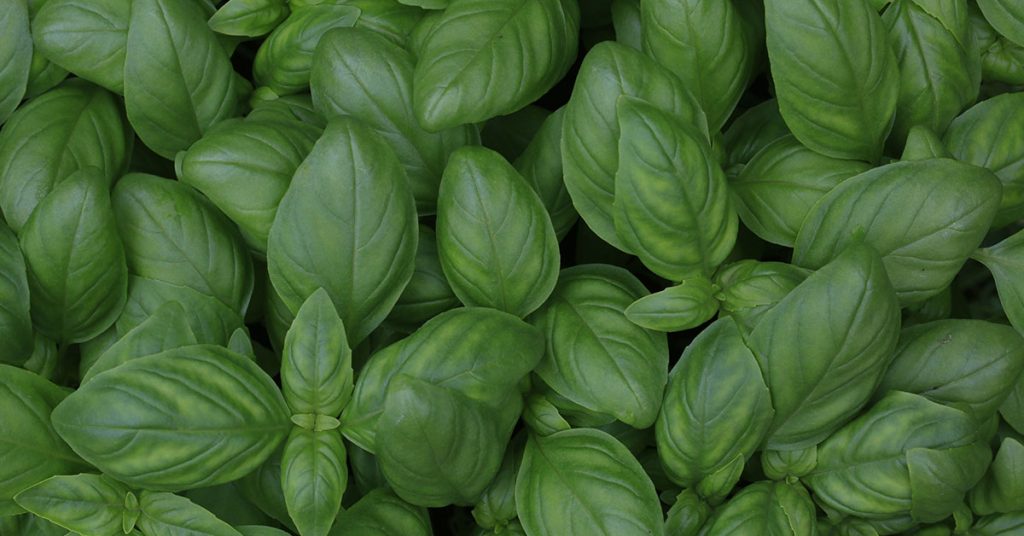
A well-organized garden layout is essential for maximizing space, ensuring efficient use of resources, and promoting healthy plant growth. Start by mapping out your garden beds, taking into consideration factors such as sunlight exposure, soil type, and plant compatibility. Companion planting, where compatible species are grown together, can enhance growth and reduce pest issues. For instance, planting basil (Ocimum basilicum) near tomatoes (Solanum lycopersicum) can improve the tomatoes’ flavor and deter pests like aphids. A thoughtful layout not only boosts productivity but also makes maintenance tasks like watering and harvesting more manageable!
Incorporating raised beds or vertical gardening techniques can also optimize space and improve soil conditions. Raised beds provide better drainage and soil structure, while vertical gardens allow you to grow more plants in a limited area by utilizing trellises, shelves, or hanging containers. Additionally, creating designated pathways ensures easy access for tending to your plants without compacting the soil or damaging the roots. By organizing your garden layout with efficiency in mind, you create a functional and aesthetically pleasing space that supports robust plant growth and makes your gardening experience more enjoyable and productive!
Setting Up a Maintenance Schedule

Establishing a consistent maintenance schedule is a crucial gardening resolution that ensures the ongoing health and beauty of your garden. Regular tasks such as watering, weeding, pruning, and monitoring for pests help to keep your plants thriving and prevent issues from escalating. Creating a calendar that outlines when each task should be performed allows you to stay organized and maintain a steady routine. For example, watering deeply but infrequently encourages deep root growth, while regular weeding prevents unwanted competition for nutrients and water. A well-maintained garden not only looks stunning but also supports the well-being of your plants and the overall ecosystem!
In addition to daily and weekly tasks, seasonal maintenance activities are essential for preparing your garden for different weather conditions. In the spring, focus on soil preparation and planting, while in the fall, prioritize tasks like mulching and protecting plants from frost. Regularly inspecting your plants for signs of stress or disease enables you to address problems early, minimizing damage and promoting resilience. By adhering to a structured maintenance schedule, you ensure that your garden remains healthy, vibrant, and capable of withstanding the challenges of each season, setting the stage for a successful and rewarding gardening year!
Learning New Gardening Techniques

Expanding your gardening knowledge and mastering new techniques is an inspiring resolution that can transform your gardening practice and enhance your garden’s success. Whether it’s learning about permaculture principles, experimenting with hydroponics, or mastering the art of grafting, acquiring new skills can open up exciting possibilities for your garden. Attending workshops, enrolling in online courses, or joining a local gardening club can provide valuable insights and hands-on experience that enrich your gardening repertoire. Embracing continuous learning keeps your gardening passion alive and ensures that your garden evolves and adapts to new challenges and opportunities!
Incorporating innovative techniques can also improve your garden’s efficiency and sustainability. For instance, practicing crop rotation helps maintain soil fertility and reduce pest buildup, while companion planting can naturally enhance plant growth and resilience. Exploring techniques like rainwater harvesting or integrated pest management (IPM) can further optimize your garden’s health and productivity. By committing to learning and implementing new gardening methods, you not only enhance your skills but also create a more resilient and thriving garden that stands the test of time!
Incorporating New Plants or Redesigning the Garden
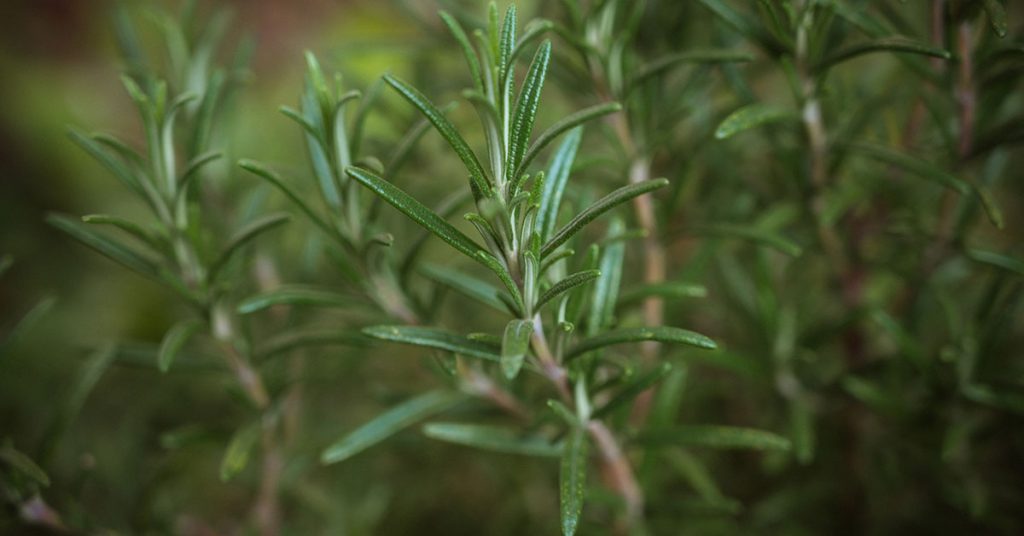
Introducing new plants or redesigning your garden layout is an exciting resolution that breathes fresh life into your outdoor space. Experimenting with different plant varieties, such as heirloom vegetables, exotic flowers, or drought-tolerant succulents, can add diversity and interest to your garden. For example, planting lavender (Lavandula spp.) alongside rosemary (Rosmarinus officinalis) creates a fragrant and visually appealing herb garden that attracts pollinators and culinary enthusiasts alike. Introducing new plants also allows you to explore different growth habits, colors, and textures, enhancing the overall aesthetic and functionality of your garden!
Redesigning your garden layout can also provide new opportunities for growth and creativity. Whether you’re incorporating themed sections, creating dedicated spaces for specific plant groups, or adding decorative elements like pathways and sculptures, a thoughtful redesign can transform your garden into a more organized and visually stunning space. Incorporating elements like vertical gardening structures or raised beds can maximize space and improve plant health, while adding seating areas or water features creates inviting spots for relaxation and enjoyment. By embracing the change and creativity involved in incorporating new plants or redesigning your garden, you create a dynamic and evolving outdoor sanctuary that reflects your personal style and gardening aspirations!
Engaging with the Community or Joining a Garden Club

Building connections with fellow gardeners through community engagement or joining a garden club is a fulfilling resolution that enhances your gardening experience. Participating in local gardening groups provides opportunities to share knowledge, exchange seeds, and gain inspiration from others’ successes and challenges. Attending community gardening events, such as plant swaps, workshops, and garden tours, fosters a sense of camaraderie and support that can motivate you to achieve your gardening goals. It’s incredibly rewarding to meet like-minded individuals who share your passion for gardening and to learn from their unique perspectives and expertise!
Engaging with the community also opens doors to collaborative projects that benefit both your garden and the wider environment. Volunteering for community gardens, participating in urban greening initiatives, or organizing local garden fairs can amplify your impact and contribute to a greener, more sustainable neighborhood. Additionally, mentoring novice gardeners or hosting workshops allows you to give back and inspire others to cultivate their green thumbs. By actively engaging with the gardening community, you create a network of support and inspiration that enriches your gardening journey and helps you achieve your New Year’s resolutions with the collective strength and wisdom of your peers!
Final Thoughts
Setting New Year’s garden resolutions is a wonderful way to rejuvenate your gardening practice and cultivate a thriving, beautiful outdoor space. By choosing native and non-invasive plants, enhancing soil health, implementing sustainable practices, and continuously learning new techniques, you lay the foundation for a successful and rewarding gardening year. Embracing these resolutions not only improves the health and aesthetics of your garden but also deepens your connection with nature and the local ecosystem. Let your passion for gardening guide you as you set and achieve your goals, creating a lush and vibrant sanctuary that brings joy and tranquility throughout the year!