
Creating a New Year’s fairy garden is a magical way to celebrate the start of the year by bringing enchantment and whimsy into your outdoor or indoor space. Whether you’re an experienced gardener or just beginning your green journey, designing a fairy garden allows you to unleash your creativity and craft a miniature paradise that sparkles with charm. As we step into the New Year, there’s no better time to embark on this delightful project, infusing your garden with joy and a touch of fantasy that can brighten even the chilliest winter days!
In this guide, we’ll explore everything you need to know to design a captivating New Year’s fairy garden. From selecting the perfect plants to adding enchanting accessories, each step is designed to help you create a space that not only looks beautiful but also supports local wildlife and fosters a sense of community. Let’s dive into the magical world of fairy gardening and transform your garden into a wonderland that welcomes fairies and delights all who visit!
Selecting Plants for Your Fairy Garden

Choosing the right plants is essential for creating a vibrant and sustainable fairy garden. Opt for native species that thrive in your local climate to ensure your garden flourishes with minimal maintenance. For instance, one of my favorite plants for fairy gardens is the native bluebells (Hyacinthoides non-scripta). These charming flowers not only add a splash of color but also support local pollinators like bees and butterflies. Bluebells are non-invasive and perfect for creating a lush, fairy-friendly environment that blends seamlessly with the natural landscape.
In addition to native flowers, incorporating a mix of perennials and annuals can add texture and variety to your fairy garden. Consider adding delicate ferns, such as the lady fern (Athyrium filix-femina), which provides lovely greenery and thrives in shaded areas. Avoid invasive species like English ivy (Hedera helix), which can overtake your garden and disrupt the balance of local ecosystems. By carefully selecting a diverse range of plants, you create a thriving habitat that attracts beneficial wildlife and offers fairies a picturesque setting to call home!
Adding Fairy Garden Accessories

No fairy garden is complete without a touch of whimsy and magical accessories that bring the miniature world to life. Start by incorporating tiny furniture pieces like benches, tables, and even fairy houses, which can be found at most garden centers or crafted from repurposed materials. One of my favorite additions is a small, whimsical bridge made from natural materials like twigs or stones, which adds charm and functionality to your fairy pathways. These accessories not only enhance the aesthetic appeal but also provide functional spaces for fairies to gather and socialize!
To create a truly enchanting atmosphere, add elements like miniature lanterns, fairy lights, and decorative stones. Solar-powered LED lights are a fantastic option for illuminating your garden at night, creating a magical glow that fairies will adore. Incorporating water features, such as tiny fountains or birdbaths, can attract butterflies and hummingbirds, adding movement and life to your fairy garden. Don’t forget to include personal touches like handmade signs or miniature tools to give your garden a unique and personalized feel. These thoughtful details make your fairy garden a delightful and inviting space that sparks joy and wonder year-round!
Creating Habitats for Fairies

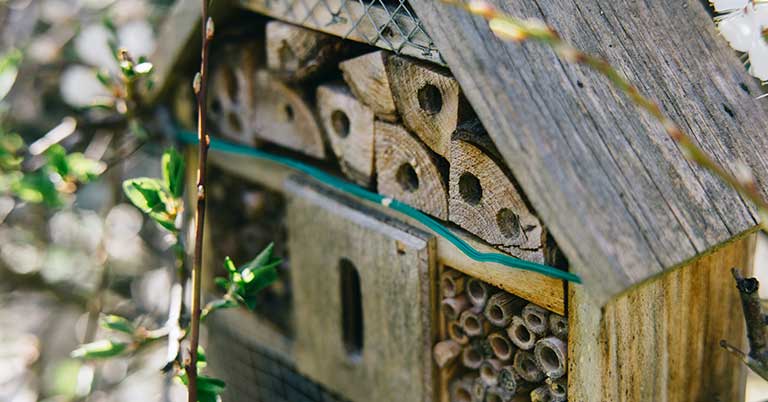
Designing habitats within your fairy garden is key to making it a welcoming sanctuary for its magical inhabitants. Start by creating sheltered areas using small logs, stones, or moss-covered rocks where fairies can nest and hide from the elements. Incorporating tiny houses or mushroom-shaped shelters provides cozy retreats that add to the garden’s enchanting aesthetic. It’s important to use materials that blend naturally with your plant selections, ensuring that the fairy habitats feel like a seamless part of the garden landscape!
Additionally, consider adding natural elements like pebbles, shells, and twigs to mimic the fairy’s natural environment. These materials not only enhance the visual appeal but also provide diverse textures and hiding spots for fairies. Planting ground cover plants like creeping thyme (Thymus serpyllum) or sedum (Sedum spp.) around the habitats helps create a lush and inviting environment that supports local insects and small creatures. By thoughtfully designing these habitats, you create a thriving ecosystem where fairies and beneficial wildlife coexist harmoniously, making your fairy garden a lively and magical haven!
Incorporating Sustainable Elements

Sustainability is a crucial aspect of designing a fairy garden that not only looks beautiful but also supports the environment. Start by using recycled or upcycled materials for your garden accessories, such as old tea cups, tin cans, or reclaimed wood, which add unique character and reduce waste. Incorporating composting practices, like using a small compost bin or worm farm, helps recycle organic waste into nutrient-rich soil, promoting healthy plant growth and minimizing your garden’s ecological footprint. It’s so rewarding to see your sustainable efforts contribute to a thriving, eco-friendly fairy garden!
Water conservation is another important factor to consider when designing your fairy garden. Implementing rain barrels or drip irrigation systems ensures that your plants receive adequate moisture without wasting water. Mulching around your plants helps retain soil moisture, suppress weeds, and regulate soil temperature, creating a stable environment for your fairy garden’s flora. By prioritizing sustainable practices, you create a garden that not only delights with its magical charm but also champions environmental stewardship, inspiring others to adopt similar eco-friendly gardening habits!
Providing Educational Workshops and Resources

Hosting educational workshops and providing resources is a fantastic way to engage your community and enhance your fairy garden project. Organize sessions on topics like miniature gardening techniques, plant selection, and sustainable gardening practices to empower participants with the knowledge they need to contribute effectively. Sharing your experiences and tips, such as how to create tiny fairy houses or design enchanting pathways, fosters a collaborative and supportive gardening community. It’s incredibly fulfilling to see others inspired and eager to add their own magical touches to the fairy garden!
In addition to workshops, offering access to gardening resources like books, online tutorials, and expert consultations can greatly benefit your fairy garden members. Creating a shared library of miniature gardening tools, seeds, and decorative items ensures that everyone has the materials they need to participate and thrive. Encouraging knowledge sharing and skill-building not only enhances the quality of the fairy garden but also strengthens community bonds, making the gardening experience more enjoyable and enriching for all involved. By prioritizing education and resource availability, your fairy garden becomes a hub of creativity and learning, where everyone can grow and flourish together!
Attracting Beneficial Wildlife and Pollinators

Creating a fairy garden that attracts beneficial wildlife and pollinators adds life and vibrancy to your magical space. Planting a variety of nectar-rich flowers, such as lavender (Lavandula spp.) and echinacea (Echinacea purpurea), provides essential food sources for bees, butterflies, and hummingbirds. These pollinators play a crucial role in maintaining a healthy garden ecosystem, ensuring that your plants thrive and bloom beautifully. Additionally, including butterfly-friendly plants like milkweed (Asclepias spp.) supports the lifecycle of these graceful insects, making your fairy garden a haven for both fairies and wildlife!
Incorporating water features, such as a small pond or birdbath, offers hydration for visiting creatures and attracts birds that help control pests naturally. Adding birdhouses or bat boxes provides safe nesting sites, promoting biodiversity and a balanced garden environment. It’s such a joy to watch bees busily pollinating flowers or hear birds chirping in the morning, knowing that your fairy garden supports these wonderful creatures. By thoughtfully designing your garden to attract beneficial wildlife and pollinators, you create a lively and dynamic environment that enhances the enchantment and sustainability of your fairy garden!
Choosing the Right Container or Space

Selecting the perfect container or space is the foundation of your New Year’s fairy garden, setting the stage for all your magical creations. Whether you’re using a traditional garden bed, a whimsical container, or even a window box, consider the size and light conditions to ensure your plants thrive. One of my favorite containers is a large, ornate ceramic pot with intricate patterns that add a touch of elegance and charm to your fairy garden. Make sure the container has adequate drainage to prevent waterlogging and choose a location that receives the right amount of sunlight for your chosen plants!
If you’re working with limited space, vertical gardening techniques can be a wonderful solution, allowing you to maximize your fairy garden’s potential without sacrificing room. Use tiered shelves, hanging pots, or repurposed pallets to create layers of greenery and flowers that fairies will love to explore. Incorporating elements like trellises or arbors can add height and interest, providing additional spaces for climbing plants and fairy pathways. By carefully selecting and preparing your container or space, you lay the groundwork for a thriving and enchanting fairy garden that brings joy and magic to any corner of your home or garden!
Hosting Community Events and Social Gatherings

Hosting community events and social gatherings in your fairy garden is a wonderful way to share the magic and foster a sense of camaraderie among garden enthusiasts. Organize seasonal celebrations, such as a New Year’s kickoff party or a fairy-themed tea party, where members can showcase their fairy garden creations, exchange ideas, and enjoy each other’s company. These events create opportunities for everyone to connect, share their love for gardening, and inspire one another with new ideas and techniques. It’s incredibly heartwarming to see smiles and hear stories as the community comes together to celebrate the enchantment of the fairy garden!
Incorporate interactive activities into your gatherings, such as fairy house-building workshops, plant pot decorating, or guided fairy garden tours, to engage participants of all ages and skill levels. Encouraging families to bring their children and involve them in the creative process helps cultivate a love for gardening and nature in the younger generation. Additionally, hosting potluck meals or shared gardening projects fosters a collaborative spirit, making the fairy garden a beloved communal space where friendships grow alongside the plants. By regularly hosting community events and social gatherings, your fairy garden becomes a vibrant and inclusive haven where everyone can share in the joy and magic of gardening together!
Creating Pathways and Structures

Designing pathways and structures within your fairy garden adds depth and functionality, enhancing the overall magical atmosphere. Use natural materials like pebbles, gravel, or sand to create winding paths that guide fairies through the miniature landscape. Incorporate stepping stones or moss-covered paths to add texture and interest, making the journey through the garden feel like an enchanting adventure. These pathways not only improve the garden’s aesthetics but also provide practical routes for maintenance and access, ensuring that your fairy garden remains organized and accessible!
In addition to pathways, building small structures like bridges, gazebos, or fairy cottages adds charm and character to your garden. One of my favorite structures to include is a tiny arched bridge made from reclaimed wood or stones, which serves as a picturesque focal point and a functional crossing for your fairy pathways. Incorporating decorative elements like miniature fences, pergolas, or trellises can also enhance the garden’s layout, providing support for climbing plants and creating cozy nooks for fairies to rest. By thoughtfully designing pathways and structures, you create a cohesive and immersive fairy garden that invites exploration and sparks the imagination!
Ensuring Seasonal Adaptability

Designing a fairy garden that adapts to different seasons ensures that it remains enchanting and vibrant all year round. Select plants that offer seasonal interest, such as spring bulbs, summer blooms, autumn foliage, and winter evergreens, to maintain visual appeal throughout the year. Incorporating seasonal decorations, like miniature snowflakes in winter or tiny pumpkins in autumn, adds festive touches that keep your fairy garden aligned with the changing seasons. It’s such a joy to see your garden transform with each season, offering new layers of magic and wonder for fairies and gardeners alike!
Adjusting your fairy garden’s layout and accessories to accommodate seasonal changes can also enhance its resilience and beauty. For example, adding protective covers or frost-resistant plants during the colder months ensures that your garden remains healthy and intact despite harsh weather. In warmer months, incorporating shade elements or water features helps keep the garden cool and inviting for both plants and fairies. By planning for seasonal adaptability, your fairy garden remains a dynamic and enduring sanctuary that continues to inspire and delight throughout the entire year!
Providing Lighting Solutions

Incorporating lighting into your fairy garden adds a magical glow that enhances its enchanting atmosphere, especially during the darker winter months. Fairy lights, solar-powered lanterns, or tiny LED candles can create a warm and inviting ambiance that brings your miniature world to life after sunset. One of my favorite lighting solutions is stringing fairy lights around the perimeter of the garden or through small trees and structures, casting a gentle, twinkling glow that fairies will adore. These lights not only highlight key features but also add a touch of sparkle that makes your fairy garden truly magical!
Creative lighting options, such as glow-in-the-dark stones or luminescent paint, can also add unique and whimsical elements to your garden. Placing tiny lanterns along pathways or inside fairy houses provides both practical illumination and aesthetic charm, guiding fairies through the night and creating cozy, illuminated spaces for them to gather. Incorporating motion-activated lights can add an element of surprise and delight, as lights flicker on when someone approaches the garden. By thoughtfully integrating lighting solutions, you create a fairy garden that shines with enchantment and continues to captivate and inspire both day and night!
Incorporating Water Features

Adding water features to your fairy garden brings a sense of tranquility and life, enhancing the overall magical ambiance. Tiny fountains, birdbaths, or miniature ponds can serve as focal points that attract beneficial wildlife and create soothing sounds that add to the garden’s serenity. One of my favorite water features is a small, solar-powered fountain that provides a gentle bubbling sound, creating a peaceful atmosphere where fairies can relax and enjoy the garden’s beauty. These water elements not only enhance the visual appeal but also support local wildlife by providing hydration for birds, butterflies, and other creatures.
Incorporating water-friendly plants around your water features can further enrich the ecosystem of your fairy garden. Plants like water lilies (Nymphaea spp.) or horsetails (Equisetum spp.) add texture and interest while thriving in moist environments. Additionally, placing stones or pebbles around the water feature creates natural barriers and hiding spots for fairies, adding depth and complexity to your garden’s design. By thoughtfully integrating water features, you create a dynamic and harmonious environment that supports both the flora and fauna of your fairy garden, making it a lively and enchanting sanctuary for all to enjoy!