

One of the most exciting parts of starting a community garden is choosing the right plants that will thrive in your local environment! When selecting plants, it’s essential to consider those native to your area, as they are well-adapted to the local climate and soil conditions. For example, if you’re in the Pacific Northwest, native plants like Oregon grape and red-flowering currant not only add beauty but also support local wildlife. Native plants are less likely to become invasive, ensuring your garden remains a harmonious space for everyone to enjoy.
In addition to native species, think about the behaviors of the plants you choose. Some plants, like sunflowers, attract pollinators such as bees and butterflies, which are crucial for a healthy garden ecosystem. Others, like lavender, can repel pests naturally, reducing the need for chemical interventions. It’s such a joy to watch hummingbirds visit your garden, nesting in the right plants and adding life to your shared space! By carefully selecting a diverse range of plants, you create a vibrant and resilient community garden that benefits all its members.
Engaging the Community in the Gardening Process

Building a thriving community garden starts with engaging your neighbors and creating a sense of ownership among participants. Hosting an initial meeting or workshop can be a fantastic way to gather ideas and assign roles based on everyone’s interests and skills. It’s incredibly rewarding to see people come together, sharing their knowledge about gardening techniques or their favorite plants. Whether someone has experience with organic gardening or a passion for composting, every contribution helps in establishing a successful garden.
Additionally, fostering ongoing communication through social media groups or regular garden gatherings keeps everyone informed and involved. Celebrating milestones, such as the first harvest or the blooming of a favorite plant, strengthens community bonds and keeps the enthusiasm high! It’s such a heartwarming experience to see children learning about plant life cycles or seniors sharing stories about gardening traditions. By creating an inclusive and supportive environment, your community garden becomes a beloved space where everyone can connect and grow together.
Designing Garden Layout and Space Utilization
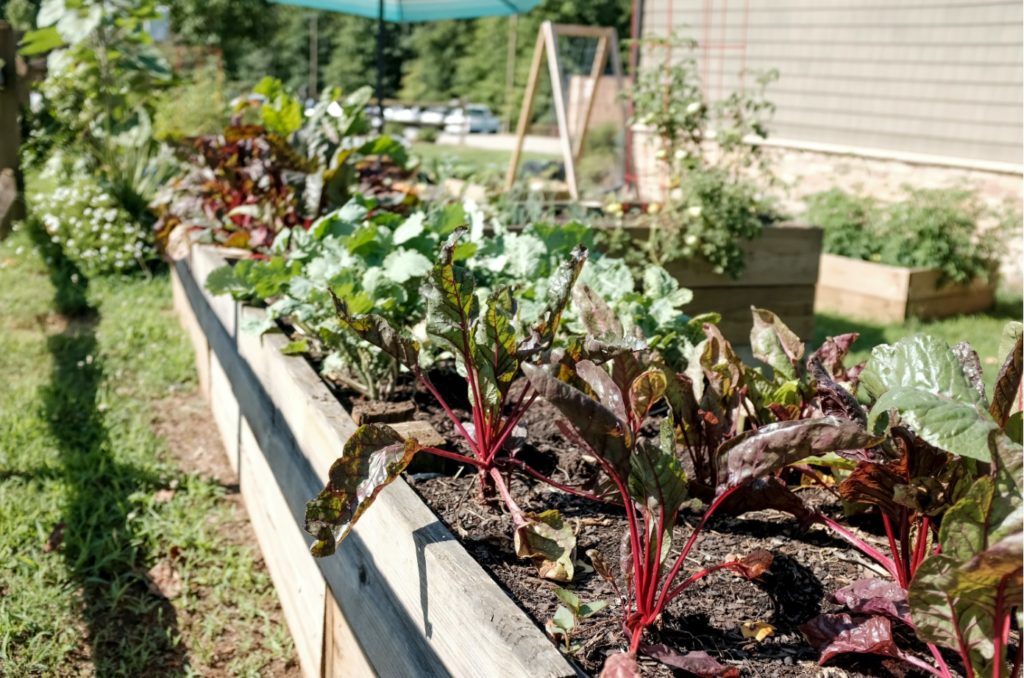
A well-thought-out garden layout is crucial for maximizing space and ensuring that all plants receive adequate sunlight and resources. Start by assessing the available area and deciding on the types of beds that best suit your community’s needs, whether they are raised beds, traditional rows, or vertical gardens. Incorporating pathways ensures easy access for all gardeners, including those with mobility challenges. It’s so satisfying to see the garden take shape, with each section thoughtfully planned to accommodate different plants and activities!
Consider the behaviors and growth patterns of your chosen plants when designing the layout. For instance, taller plants like tomatoes can be placed on the northern side of beds to prevent shading shorter plants. Incorporating companion planting strategies, such as pairing marigolds with vegetables to deter pests, enhances the garden’s productivity and sustainability. Additionally, creating communal areas with benches or picnic tables encourages gardeners to take breaks and socialize, making the garden a welcoming and enjoyable place for everyone. A well-designed layout not only boosts productivity but also fosters a sense of pride and ownership among community members.
Maintaining the Garden Throughout the Year

Maintaining a community garden requires consistent effort and collaboration to ensure its health and productivity. Establishing a maintenance schedule that includes regular watering, weeding, and monitoring for pests helps keep the garden in top shape. It’s such a fulfilling routine to see the plants thrive under your collective care! Assigning specific tasks to different members based on their availability and interests ensures that everyone remains engaged and responsible for the garden’s upkeep.
In addition to daily maintenance, planning for seasonal changes is vital for year-round success. Implementing strategies like mulching to retain moisture during hot months or protecting plants from frost in the winter ensures that your garden remains resilient against varying weather conditions. Hosting seasonal workshops on topics like pruning, composting, or organic pest control can empower gardeners with the knowledge they need to tackle challenges effectively. By working together and staying proactive, your community garden will continue to flourish and provide a beautiful, productive space for all its members.
Attracting Beneficial Wildlife and Pollinators

Creating a vibrant community garden involves attracting beneficial wildlife and pollinators that enhance the garden’s ecosystem. Planting a variety of flowers, herbs, and shrubs native to your region provides essential habitats and food sources for bees, butterflies, and other pollinators. One of my favorite plants for this purpose is the Echinacea, or coneflower, which not only adds a splash of color but also supports local bee populations. Additionally, incorporating bird-friendly plants like berry bushes can attract songbirds that help control insect populations naturally!
Providing water sources, such as birdbaths or small ponds, encourages wildlife to visit and nest in your garden. It’s such a delight to watch bees busily pollinating flowers or hear birds chirping in the morning! Creating sheltered areas with shrubs or installing birdhouses offers safe nesting spots, promoting biodiversity and a healthy balance within the garden. By thoughtfully designing your garden to support beneficial wildlife, you create a lively and dynamic environment that benefits both the plants and the people who tend to them. Embracing these natural interactions makes your community garden a thriving sanctuary for all.
Ensuring Sustainability with Composting and Resource Management
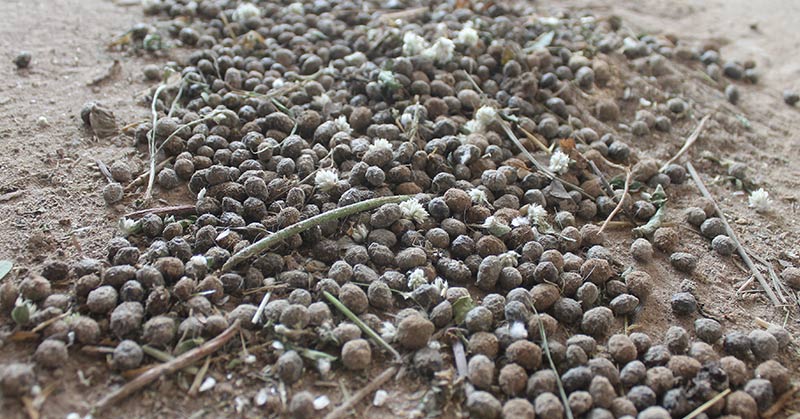
Sustainability is a cornerstone of any successful community garden, and implementing composting practices is a fantastic way to recycle organic waste and enrich your soil. Setting up a compost bin where gardeners can contribute kitchen scraps, garden trimmings, and other biodegradable materials turns waste into valuable fertilizer. I love seeing the transformation of compost materials into dark, nutrient-rich soil that boosts plant growth and health! Educating community members about what can be composted and how to maintain the compost pile ensures that everyone participates in this eco-friendly initiative.
In addition to composting, effective resource management includes conserving water through rain barrels or drip irrigation systems. These methods not only reduce water usage but also ensure that plants receive consistent moisture, especially during dry periods. Implementing mulch layers helps retain soil moisture, suppress weeds, and regulate soil temperature, promoting a more sustainable and resilient garden. By prioritizing sustainable practices, your community garden not only thrives but also serves as a model for environmental stewardship, inspiring others to adopt similar initiatives in their own gardens!
Securing Funding and Resources for Your Garden
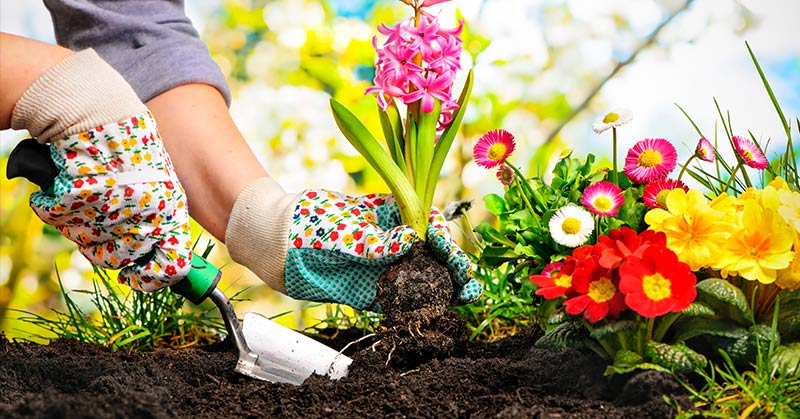
Starting a community garden requires financial resources, and securing funding is a crucial step in making your vision a reality. Exploring various funding options, such as grants from local government, non-profits, or community organizations, can provide the necessary support to get your garden off the ground. Additionally, organizing fundraising events like bake sales, plant swaps, or crowdfunding campaigns engages the community and raises both funds and awareness. It’s incredibly rewarding to see the community come together, contributing their time and resources to support a common goal!
In addition to monetary support, sourcing materials and resources through donations or partnerships can significantly reduce costs. Local businesses might be willing to sponsor garden tools, seeds, or building materials in exchange for recognition or advertising opportunities. Establishing relationships with nurseries or agricultural extensions can provide access to discounted plants or expert advice, ensuring your garden starts on the right foot. By being resourceful and proactive in seeking support, you can overcome financial hurdles and create a thriving community garden that benefits everyone involved!
Promoting the Garden and Attracting New Members

Promoting your community garden is essential for attracting new members and fostering a vibrant, active community. Utilizing social media platforms, local newsletters, and community bulletin boards helps spread the word and highlight the benefits of joining the garden. Creating eye-catching flyers with photos of your garden’s progress or hosting open house events invites curious neighbors to learn more and get involved. It’s so exciting to see new faces join the garden, bringing fresh ideas and energy that enhance the collective gardening experience!
Additionally, showcasing the garden’s achievements, such as bountiful harvests or beautiful blooms, inspires others to participate and contribute their talents. Hosting workshops, gardening classes, or seasonal festivals creates opportunities for learning and socializing, making the garden a hub of activity and creativity. Engaging local schools or community groups in gardening projects fosters a sense of ownership and pride among younger generations, ensuring the garden’s legacy continues. By actively promoting your community garden and welcoming new members, you cultivate a diverse and dynamic space where everyone can share in the joys of gardening!
Providing Educational Workshops and Resources

Offering educational workshops and resources is a fantastic way to empower community garden members with the knowledge they need to succeed. Hosting sessions on topics like organic gardening, seed saving, pest management, and soil health equips gardeners with valuable skills and fosters a culture of continuous learning. I find it incredibly fulfilling to share tips on companion planting or demonstrate effective pruning techniques, helping others enhance their gardening practices! Providing access to gardening books, online resources, or expert consultations ensures that everyone has the tools they need to thrive.
Incorporating hands-on demonstrations and interactive activities makes learning fun and engaging for all ages. For example, organizing seed starting workshops or composting demonstrations allows participants to gain practical experience and see the benefits firsthand. Inviting guest speakers, such as local horticulturists or experienced gardeners, can offer unique insights and inspire new ideas within the community. By prioritizing education and resource sharing, your community garden becomes a center of knowledge and growth, where everyone can develop their skills and contribute to the garden’s success.
Building a Sense of Ownership and Responsibility

Creating a sense of ownership and responsibility among community garden members is key to maintaining a healthy and thriving space. Encouraging each gardener to take charge of specific plots or projects fosters accountability and pride in their contributions. It’s wonderful to see individuals tending to their plants with dedication, knowing that their efforts directly impact the garden’s overall success! Establishing clear guidelines and responsibilities ensures that everyone understands their role and the importance of their participation.
Additionally, celebrating individual and collective achievements reinforces the value of each member’s efforts and strengthens the community bond. Hosting recognition events, such as harvest festivals or appreciation days, highlights the hard work and dedication of gardeners, making them feel valued and motivated to continue their involvement. Promoting a culture of mutual support and collaboration, where members help each other overcome challenges and share successes, creates a positive and inclusive environment. By building a strong sense of ownership and responsibility, your community garden becomes a cherished and sustainable space where everyone feels invested in its growth and well-being.
Implementing Sustainable Practices and Eco-Friendly Solutions
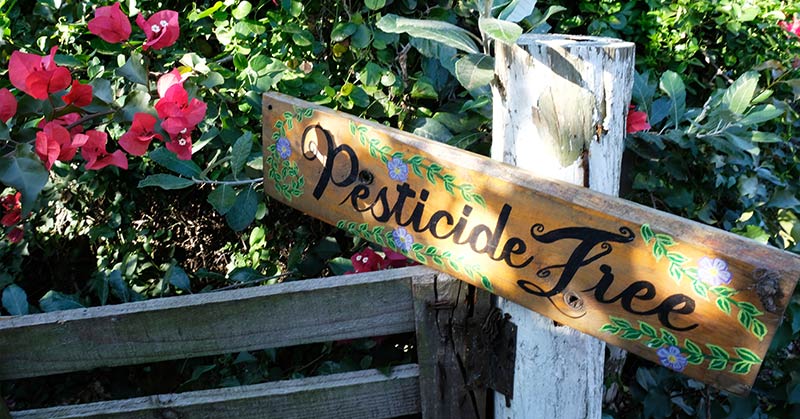
Embracing sustainable practices and eco-friendly solutions is essential for creating a resilient and environmentally responsible community garden. Incorporating methods such as rainwater harvesting, solar-powered lighting, and renewable energy sources reduces the garden’s ecological footprint and promotes long-term sustainability. It’s exciting to implement these green initiatives, knowing that you’re contributing to a healthier planet while enjoying the benefits of a flourishing garden! Encouraging the use of organic fertilizers and natural pest control methods ensures that your garden remains free from harmful chemicals, supporting both plant health and the well-being of the community.
Additionally, promoting biodiversity by planting a variety of species enhances the garden’s resilience against pests and diseases, creating a balanced ecosystem. Implementing crop rotation and cover cropping techniques maintains soil fertility and prevents nutrient depletion, ensuring that your garden remains productive year after year. Educating community members about the importance of sustainability and providing resources on eco-friendly gardening practices fosters a collective commitment to environmental stewardship. By prioritizing sustainable and eco-friendly solutions, your community garden not only thrives but also serves as a model for responsible and conscious gardening practices.
Hosting Community Events and Social Gatherings

Hosting community events and social gatherings in your garden is a wonderful way to strengthen bonds and celebrate the joys of gardening together. Organizing seasonal festivals, potluck dinners, or garden tours provides opportunities for members to share their experiences, showcase their plants, and enjoy each other’s company. It’s so heartwarming to see everyone come together, laughing and sharing stories amidst the blooming flowers and lush greenery! These events not only foster a sense of community but also attract new members who are eager to join in the fun and camaraderie.
Incorporating educational activities into your events, such as plant identification walks or hands-on gardening workshops, adds value and engages participants in meaningful ways. Hosting children’s activities, like planting stations or craft projects, encourages family involvement and cultivates a love for gardening in the younger generation. Additionally, celebrating milestones, such as the garden’s anniversary or the completion of a new project, reinforces the collective effort and dedication that makes the garden thrive. By regularly hosting community events and social gatherings, your garden becomes a vibrant and welcoming space where friendships grow alongside the plants!