

Winter gardening doesn’t have to mean a barren landscape! With the right selection of perennial plants, your garden can remain vibrant and full of life even during the colder months. As a passionate gardener, I’m thrilled to share some of the top perennial plants that will keep your winter garden looking stunning. Whether you’re a seasoned green thumb or just starting out, these hardy plants are sure to add beauty and resilience to your outdoor space.
Choosing the right perennials for winter can be a bit of a puzzle, especially when considering factors like climate, soil type, and maintenance needs. I completely understand how frustrating it can be when your garden doesn’t thrive as expected during the chilly months. That’s why I’ve carefully selected plants that not only withstand the cold but also attract beneficial wildlife, provide year-round interest, and are generally non-invasive. Let’s dive into these fantastic options that will transform your winter garden into a lively and enchanting retreat!
Hellebores (Helleborus spp.)
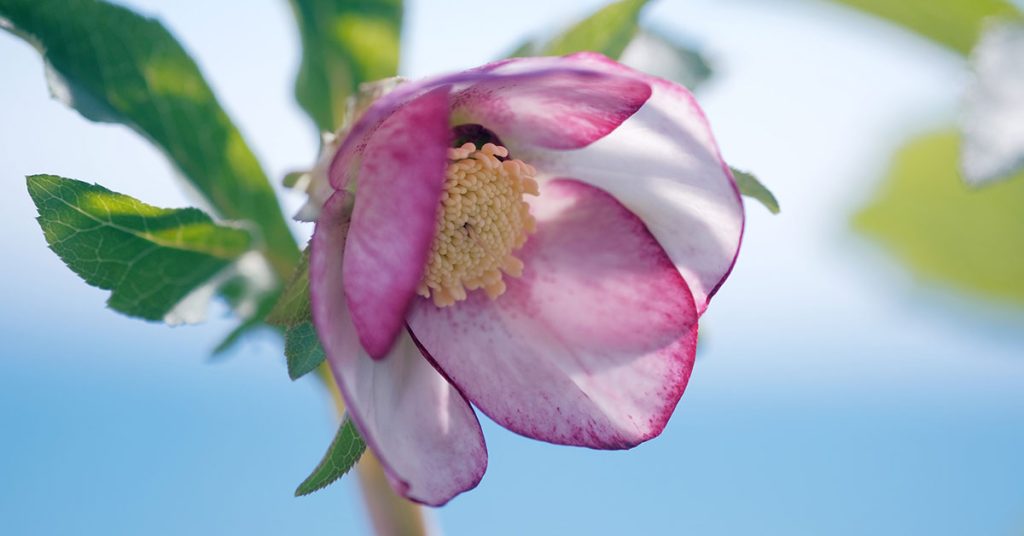
Hellebores, often referred to as the “Christmas Rose,” are a winter gardener’s dream! Native to the mountainous regions of Europe and Asia, these resilient perennials bloom beautifully in late winter to early spring, adding a splash of color when most other plants are dormant. Their leathery, evergreen foliage provides excellent structure and texture, ensuring your garden maintains its charm even when flowers are not in bloom. One of the best things about hellebores is their ability to thrive in shady areas, making them perfect for gardens that don’t receive much winter sunlight.
Not only do hellebores offer stunning blooms, but they also attract pollinators like bees and butterflies as the weather begins to warm. Their robust nature means they’re generally non-invasive, allowing you to enjoy their beauty without worrying about them taking over your garden. Hellebores are also deer-resistant, which is a huge plus if you live in an area with these pesky visitors. Planting hellebores can create a serene and peaceful winter garden, providing a haven for both you and the local wildlife!
Winter Aconite (Eranthis hyemalis)
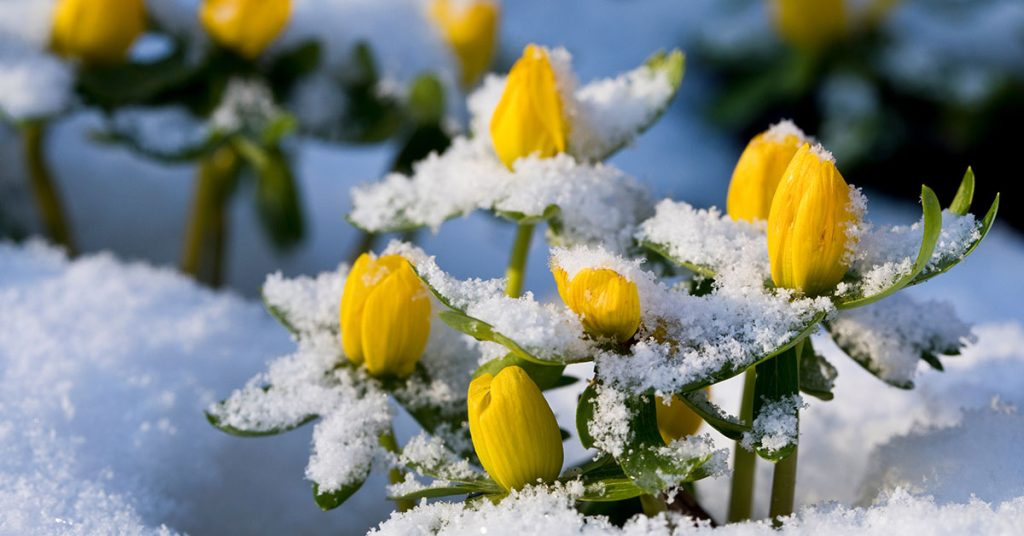
Winter Aconite is a delightful addition to any winter garden, bursting with bright yellow flowers that can cheer up even the gloomiest of winter days! Native to Europe and parts of Asia, these charming perennials are among the earliest bloomers, often peeking through the snow as a welcome sign of spring’s approach. Their glossy green leaves remain attractive throughout the winter, adding a touch of elegance and continuity to your garden’s design. Winter Aconites thrive in partial shade and well-drained soil, making them versatile for various garden settings.
One of the most enchanting aspects of Winter Aconite is its ability to attract early pollinators, providing a vital food source for bees emerging from hibernation. These plants are not considered invasive, so you can enjoy their cheerful presence without the risk of them spreading uncontrollably. Additionally, their low maintenance needs make them a favorite among gardeners who want beauty without the extra work. Incorporating Winter Aconites into your garden can create a lively and welcoming environment that supports local ecosystems during the colder months!
Evergreen Ornamental Grasses

Evergreen ornamental grasses are a fantastic choice for adding movement and texture to your winter garden. Native to various regions, including North America and Asia, these grasses remain lush and green throughout the year, providing a consistent backdrop against the winter landscape. Varieties such as Miscanthus sinensis and Festuca glauca offer different colors and forms, from the tall, graceful plumes of Miscanthus to the striking blue-gray hue of Festuca. Their hardy nature ensures they withstand harsh winter conditions, making them a reliable staple in any perennial garden.
These grasses are not only beautiful but also serve as excellent habitats for wintering birds and other wildlife. Their dense foliage provides shelter and nesting sites, enhancing the biodiversity of your garden. Evergreen ornamental grasses are generally non-invasive, allowing you to enjoy their benefits without the worry of them overtaking other plants. They require minimal maintenance, making them ideal for gardeners who appreciate both beauty and practicality. Incorporating these grasses can bring a sense of tranquility and life to your winter garden, creating a dynamic and resilient outdoor space!
Winter Heath (Erica carnea)

Winter Heath is a versatile and hardy perennial that brings vibrant color to your garden during the colder months. Originating from the mountainous regions of Europe, Erica carnea is well-adapted to chilly climates and can withstand heavy frost, making it an excellent choice for winter gardens. Its small, bell-shaped flowers come in various shades of pink, white, and purple, providing a cheerful contrast against the winter landscape. Winter Heath thrives in well-drained, acidic soil and prefers partial shade, making it suitable for a variety of garden settings, including rock gardens and woodland areas.
One of the standout features of Winter Heath is its ability to attract pollinators even in the winter months. Bees and other beneficial insects are drawn to its nectar-rich flowers, supporting the local ecosystem when resources are scarce. Additionally, Winter Heath is not considered invasive, allowing you to enjoy its beauty without concerns of it spreading uncontrollably. Its evergreen foliage ensures that your garden remains visually appealing year-round, providing structure and interest even when flowers are not in bloom. Adding Winter Heath to your garden can create a vibrant and welcoming space that thrives through the winter season!
Siberian Iris (Iris sibirica)

Siberian Iris is a stunning perennial that adds elegance and grace to winter gardens with its tall, slender stems and delicate flowers. Native to the wetlands of Siberia, these irises are incredibly hardy and can survive extreme winter temperatures, making them a perfect choice for winter gardening enthusiasts. Their flowers come in a variety of colors, including blue, purple, and white, and they often bloom in late winter to early spring, providing a much-needed burst of color as the season begins to transition. Siberian Iris prefers moist, well-drained soil and can thrive in both full sun and partial shade, offering flexibility in garden design.
In addition to their beauty, Siberian Irises are excellent for attracting pollinators such as bees and butterflies as they begin to emerge from their winter dormancy. These plants are generally non-invasive, allowing you to enjoy their striking appearance without the risk of them spreading uncontrollably in your garden. Their tall, architectural form also provides vertical interest, creating a dynamic and layered look in your winter garden. With minimal maintenance required, Siberian Irises are a fantastic addition that brings both aesthetic appeal and ecological benefits to your outdoor space!
Japanese Anemone (Anemone hupehensis)
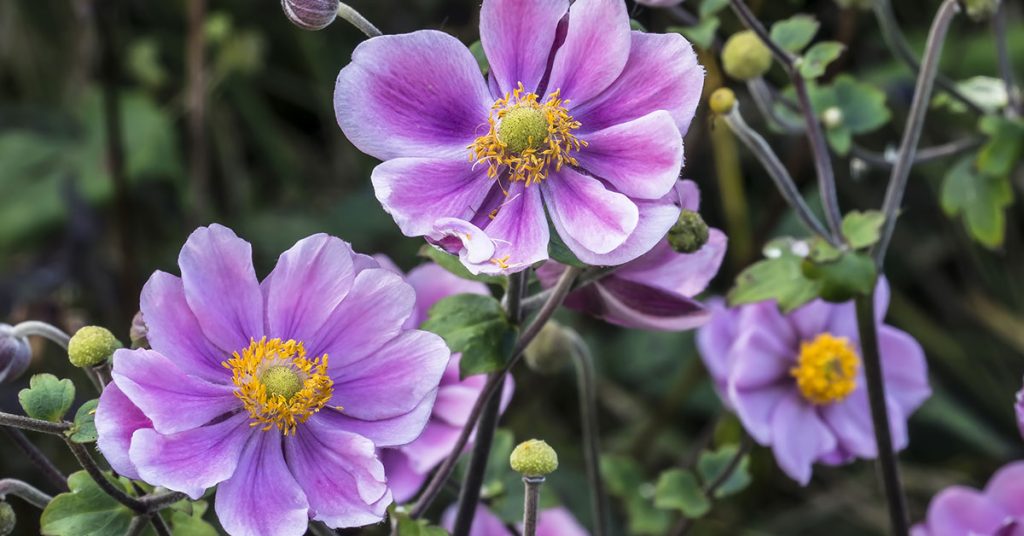
Japanese Anemones are a delightful addition to winter gardens, offering graceful blooms that can brighten up the coldest days. Native to East Asia, these perennials are known for their delicate, poppy-like flowers that come in shades of white, pink, and lavender. They typically bloom in late summer to fall, but certain varieties extend their blooming period into the winter months, providing continuous color and interest. Japanese Anemones thrive in well-drained soil and prefer partial shade, making them versatile for various garden environments, including woodland gardens and borders.
One of the most charming aspects of Japanese Anemones is their ability to attract a variety of pollinators, including bees and butterflies, which are essential for maintaining a healthy garden ecosystem. These plants are not considered invasive, so you can enjoy their beauty without worrying about them spreading too aggressively. Japanese Anemones also have a graceful, swaying habit that adds movement and softness to your garden’s overall design. Their sturdy stems and resilient nature make them an excellent choice for adding both beauty and functionality to your winter garden!
Snowdrops (Galanthus nivalis)
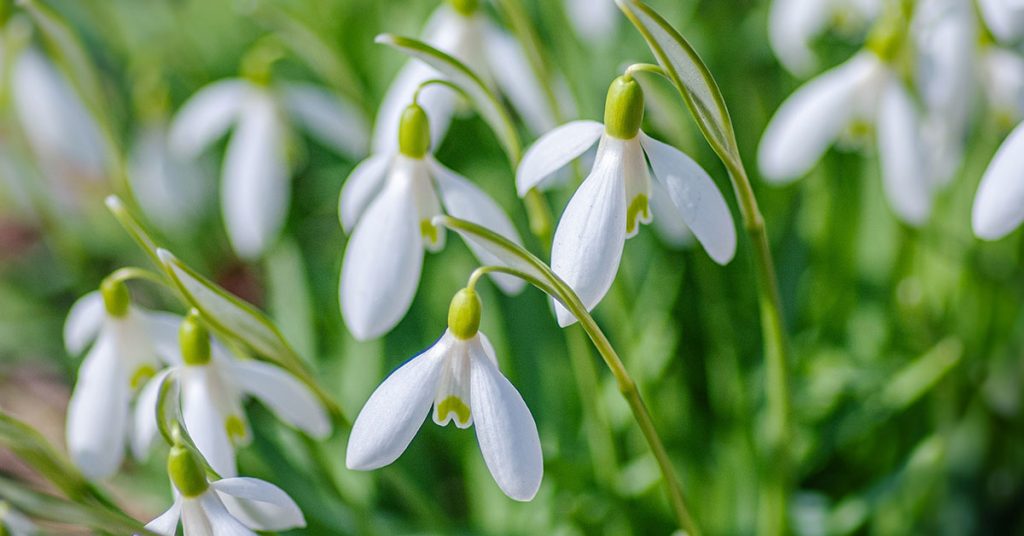
Snowdrops are the quintessential winter bloomers, symbolizing hope and renewal as they emerge through the snow. Native to Europe and the Middle East, these charming perennials are incredibly hardy and can withstand freezing temperatures, making them a staple in winter gardens. Their delicate, white, bell-shaped flowers often appear while snow is still on the ground, creating a magical and serene atmosphere. Snowdrops prefer well-drained soil and partial shade, making them ideal for planting under trees or along shaded garden paths where they can create stunning natural displays.
Beyond their enchanting beauty, Snowdrops play a vital role in supporting early pollinators. Bees are particularly attracted to these flowers as they begin their foraging activities, providing an essential food source after the long winter. Snowdrops are generally non-invasive, allowing gardeners to enjoy their delicate blooms without concerns of overpopulation. Their evergreen foliage adds texture and depth to the garden, ensuring that your winter landscape remains lively and engaging. Incorporating Snowdrops into your garden can bring a touch of elegance and wonder, making your winter outdoor space truly captivating!
Winter Jasmine (Jasminum nudiflorum)
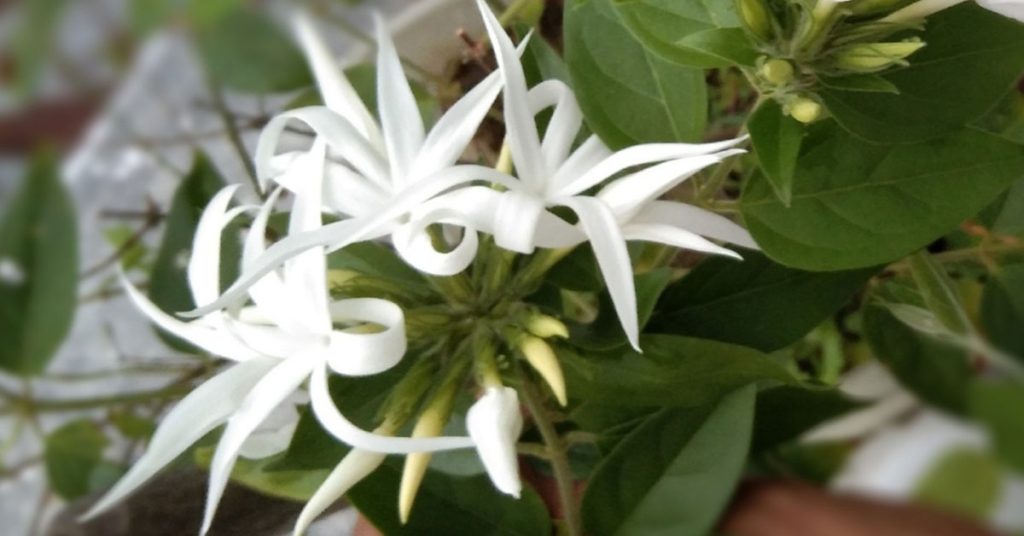
Winter Jasmine is a vibrant and hardy perennial that brings bright yellow flowers to your garden when most other plants are dormant. Native to China, this plant is renowned for its ability to thrive in cold climates, making it a perfect choice for winter gardens. Winter Jasmine’s twining stems and evergreen leaves provide excellent coverage, while its cheerful blooms can add a burst of color and energy to any garden space. This versatile plant can be used as a ground cover, trained to climb trellises, or draped over walls, offering endless possibilities for creative garden design.
One of the fantastic benefits of Winter Jasmine is its ability to attract pollinators even in the colder months. Bees and other beneficial insects are drawn to its nectar-rich flowers, supporting the local ecosystem and enhancing the biodiversity of your garden. Winter Jasmine is not considered invasive, so you can enjoy its vibrant presence without the worry of it overtaking other plants. Its resilience and low maintenance requirements make it an ideal choice for gardeners who want to add color and life to their winter landscapes without excessive upkeep. Incorporating Winter Jasmine can transform your garden into a lively and welcoming space, full of bright hues and natural beauty!
Camellias (Camellia spp.)
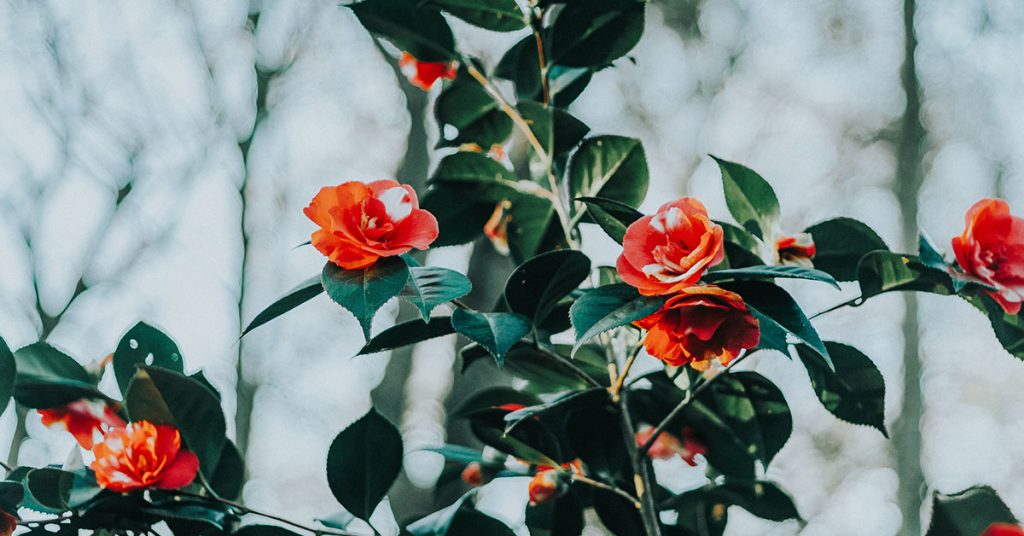
Camellias are a beloved choice for winter gardens, offering exquisite blooms that can last well into the colder months. Native to East Asia, these evergreen shrubs are prized for their large, showy flowers that come in a variety of colors, including red, pink, and white. Camellias thrive in mild climates and prefer well-drained, acidic soil, making them suitable for both outdoor gardens and protected areas like conservatories. Their glossy, dark green leaves provide a beautiful backdrop for their vibrant flowers, ensuring your winter garden remains lush and attractive.
One of the standout features of Camellias is their ability to attract a range of pollinators, including bees and butterflies, even in the cooler weather. These plants are not considered invasive, allowing you to enjoy their beauty without the risk of them spreading uncontrollably. Camellias also provide excellent shelter for birds and other small wildlife, enhancing the ecological value of your garden. Their hardy nature and minimal maintenance needs make them a favorite among gardeners who seek both beauty and practicality in their winter landscapes. Adding Camellias to your garden can create a stunning and resilient environment that thrives through the winter season!
Heuchera (Heuchera spp.)

Heuchera, commonly known as Coral Bells, is a fantastic perennial for winter gardens, offering vibrant foliage that can brighten up the colder months. Native to North America and parts of Asia, Heucheras are incredibly versatile and come in a wide range of colors, from deep purples and reds to bright greens and silvers. Their attractive, leathery leaves remain colorful and eye-catching even in winter, providing essential texture and contrast to your garden’s palette. Heucheras prefer well-drained soil and partial shade, making them suitable for various garden settings, including borders, rock gardens, and shaded areas.
One of the wonderful aspects of Heuchera is their ability to attract pollinators such as bees and hummingbirds when they bloom. This not only enhances the beauty of your garden but also supports the local ecosystem by providing vital food sources for these beneficial insects. Heucheras are generally non-invasive, ensuring that you can enjoy their vibrant presence without the worry of them spreading too aggressively. Their low maintenance needs and resilience make them an ideal choice for gardeners who want to add color and life to their winter landscapes with minimal effort. Incorporating Heuchera into your garden can create a lively and dynamic winter environment that is both beautiful and sustainable!
Winter Pansies (Viola x wittrockiana)
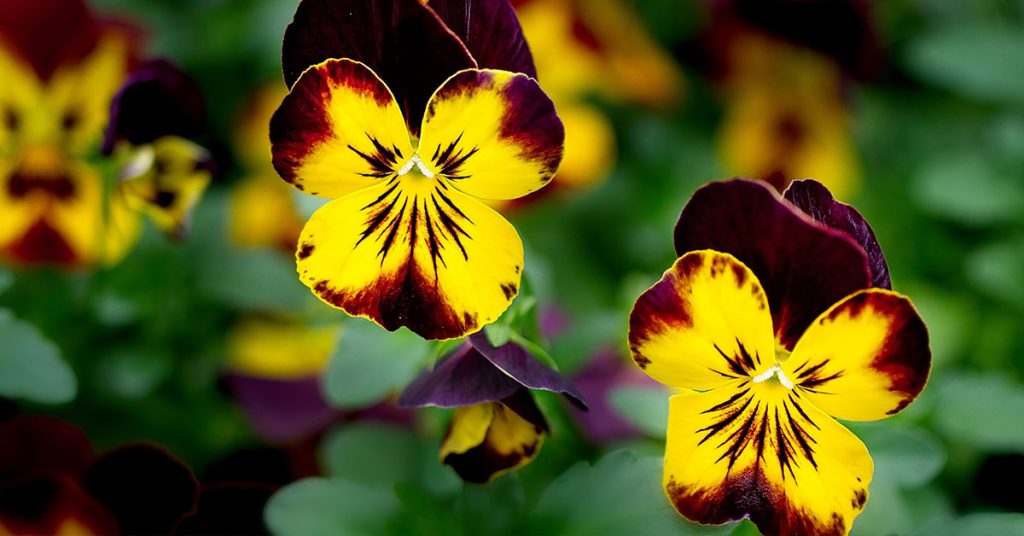
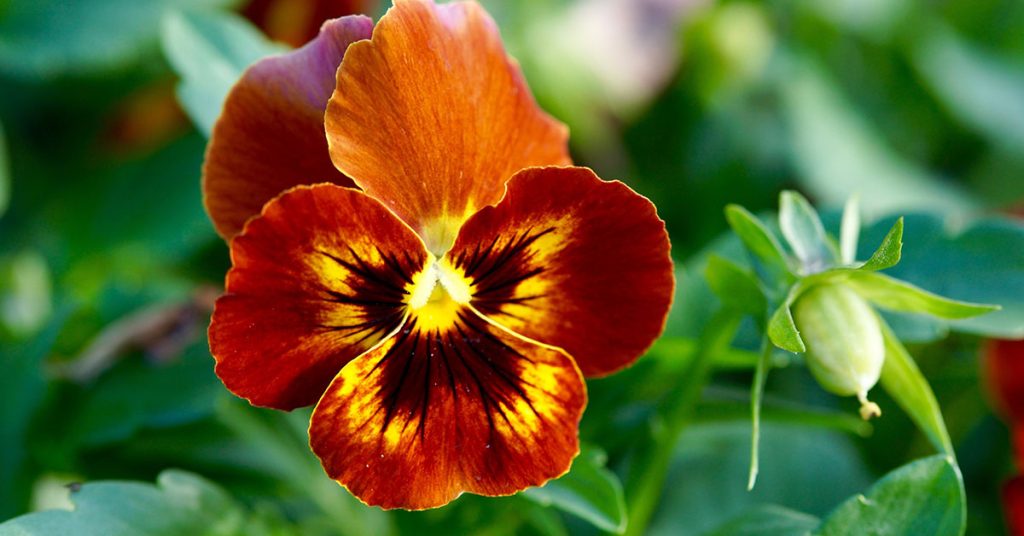
Winter Pansies are a delightful choice for adding cheerful colors to your winter garden, even when temperatures drop. Native to the temperate regions of Europe and Asia, these hardy perennials are well-suited to withstand cold weather and can bloom throughout the winter months with the right care. Winter Pansies come in a stunning array of colors, including purples, yellows, and oranges, providing a vibrant contrast against the often monochromatic winter landscape. They thrive in well-drained soil and prefer partial to full sun, making them versatile for various garden locations, including borders, containers, and hanging baskets.
One of the fantastic benefits of Winter Pansies is their ability to attract pollinators like bees and butterflies, which are crucial for maintaining a healthy garden ecosystem. These plants are not considered invasive, allowing you to enjoy their colorful blooms without the risk of them spreading uncontrollably. Winter Pansies also offer edible flowers, which can be a fun and decorative addition to salads and other dishes. Their low maintenance requirements and resilience make them an excellent choice for gardeners looking to add beauty and functionality to their winter gardens. Incorporating Winter Pansies can create a lively and welcoming outdoor space that remains vibrant and full of life throughout the colder months!
Bergenia (Bergenia cordifolia)

Bergenia, often called “Elephant’s Ears” due to their large, heart-shaped leaves, is a superb perennial for winter gardens. Native to the mountainous regions of East Asia, Bergenias are incredibly hardy and can withstand harsh winter conditions, making them an ideal choice for adding evergreen structure to your garden. Their thick, glossy leaves remain attractive year-round, providing essential texture and greenery even when flowers are not in bloom. Bergenias produce clusters of pink or white flowers in late winter to early spring, offering a beautiful display as the season begins to change.
One of the remarkable features of Bergenia is its ability to attract pollinators such as bees and butterflies, which are vital for a thriving garden ecosystem. These plants are generally non-invasive, allowing you to enjoy their beauty without the worry of them taking over your garden space. Bergenias also offer excellent ground cover, helping to suppress weeds and maintain soil moisture during the winter months. Their resilience and low maintenance needs make them a favorite among gardeners who seek both beauty and practicality in their winter landscapes. Adding Bergenia to your garden can create a lush and vibrant environment that endures through the winter season, providing continuous interest and ecological benefits!
Conclusion
Winter gardening is a rewarding endeavor that can transform your outdoor space into a vibrant and resilient sanctuary, even in the coldest months. By selecting the right perennial plants, you can ensure that your garden remains beautiful, functional, and supportive of local wildlife throughout the winter season. From the delicate blooms of Snowdrops and Winter Aconites to the robust foliage of Evergreen Ornamental Grasses and Bergenia, each plant offers unique benefits and stunning aesthetics that enhance your garden’s overall appeal.