

Creating a stunning summer garden is a delightful endeavor that brings vibrant colors, diverse textures, and a sense of tranquility to your outdoor space. As a passionate gardener, I understand the excitement of selecting the perfect perennials that not only beautify your garden but also attract a variety of wildlife. Perennials are especially wonderful because they come back year after year, providing lasting beauty with minimal maintenance. Today, I’m thrilled to share with you 20 beautiful perennials that will transform your garden into a breathtaking summer oasis!
When choosing perennials for your summer garden, it’s important to consider factors such as native origin, invasiveness, and the types of pollinators they attract. Each plant on this list has its unique charm and characteristics, from attracting bees and butterflies to providing habitat for birds. Whether you’re a seasoned gardener or just starting out, these perennials offer a range of colors, shapes, and sizes to suit any garden style. Let’s explore this diverse collection and find the perfect additions for your summer sanctuary!
Bee Balm (Monarda)

Bee Balm, or Monarda, is a vibrant perennial that brings a burst of color and a sweet fragrance to any summer garden. Native to North America, particularly the eastern and central regions, Bee Balm thrives in moist, well-drained soil and full sun to partial shade. Its striking flowers, available in shades of red, pink, purple, and white, are not only visually stunning but also highly attractive to pollinators like bees, butterflies, and hummingbirds. The aromatic foliage adds an extra layer of sensory delight, making Bee Balm a favorite among gardeners and pollinators alike!
In addition to its beauty, Bee Balm offers several practical benefits. It serves as an excellent natural remedy, with its leaves and flowers often used in teas and herbal medicines. However, it’s important to note that some varieties can be invasive in certain regions, spreading rapidly through self-seeding. To prevent this, consider choosing sterile cultivars or regularly deadheading spent blooms to control its growth. I love how Bee Balm not only enhances the aesthetic of my garden but also supports a healthy ecosystem by attracting a multitude of beneficial insects!
Russian Sage (Perovskia atriplicifolia)
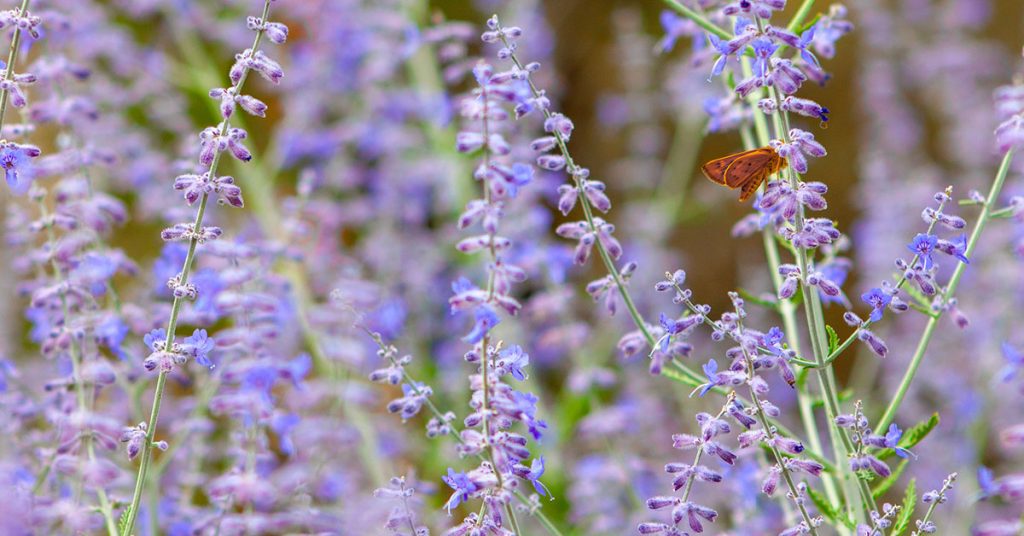
Russian Sage is a graceful perennial that adds a touch of elegance to summer gardens with its silvery foliage and tall, spiky blue flowers. Native to the steppes of Kazakhstan and the Caucasus region, Russian Sage thrives in full sun and well-drained soil, making it perfect for dry, sunny spots in your garden. Its airy, wispy blooms create a soft contrast against the sturdy stems, providing both height and texture. The plant’s long blooming period, from mid-summer to fall, ensures that your garden remains vibrant and lively throughout the hottest months!
Beyond its stunning appearance, Russian Sage is incredibly hardy and drought-tolerant, requiring minimal maintenance once established. It attracts a variety of pollinators, including bees and butterflies, enhancing the biodiversity of your garden. Additionally, Russian Sage is not considered invasive, allowing it to coexist peacefully with other plants. Its aromatic foliage also repels certain pests, making it a practical choice for maintaining a healthy garden environment. I find Russian Sage to be a perfect blend of beauty and resilience, adding both charm and functionality to my summer garden!
Black Cohosh (Actaea racemosa)

Black Cohosh is a majestic perennial known for its tall stems and clusters of white, star-shaped flowers that bloom in late summer. Native to the woodlands of eastern North America, Black Cohosh thrives in partial to full shade and rich, moist soil, making it an excellent choice for shady areas of your garden. Its graceful, arching stems and lush foliage create a serene and elegant atmosphere, perfect for woodland gardens or naturalized settings. The plant’s impressive height and abundant flowers make it a standout feature in any shaded garden!
In addition to its beauty, Black Cohosh has historical significance as a medicinal plant, traditionally used by Native Americans for various remedies. While it is not considered invasive, it can spread gradually in favorable conditions, so it’s important to monitor its growth to prevent it from overtaking other plants. Black Cohosh also attracts beneficial insects and serves as a host plant for certain butterfly species, enhancing the ecological value of your garden. I adore how Black Cohosh adds a touch of wild elegance to my garden while supporting a healthy ecosystem!
Hosta ‘Patriot’
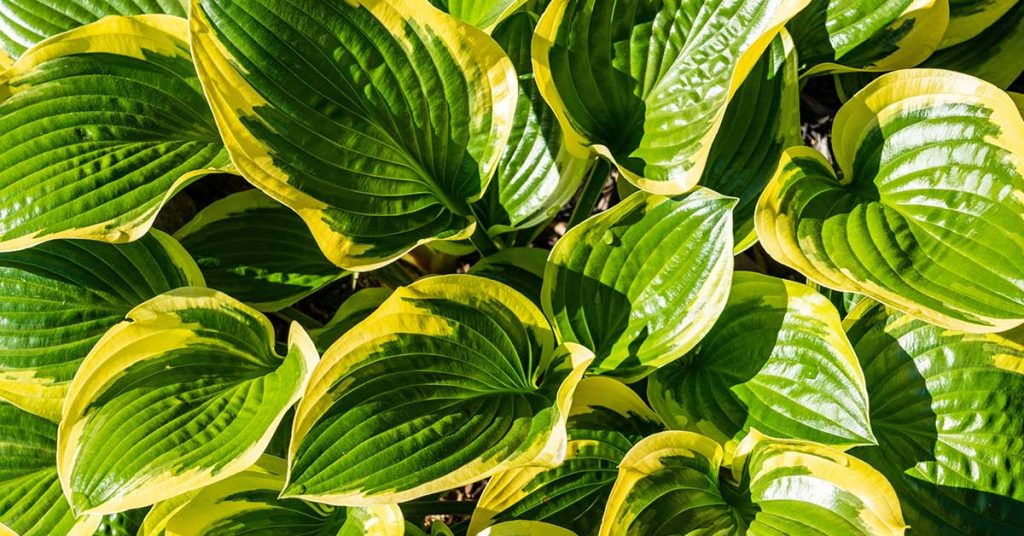
Hosta ‘Patriot’ is a stunning perennial prized for its striking variegated foliage and delicate lavender flowers. Native to northeast Asia, Hostas are perfect for adding lush greenery to shaded areas of your garden. ‘Patriot’ features bold white margins on its dark green leaves, creating a beautiful contrast that stands out even in low-light conditions. This variety is not only visually appealing but also hardy and adaptable, thriving in a range of soil types as long as they remain moist and well-drained. The elegant flowers rise above the foliage, attracting pollinators like bees and hummingbirds to your garden!
Beyond its aesthetic appeal, Hosta ‘Patriot’ is remarkably low-maintenance and resistant to most pests and diseases, making it an excellent choice for gardeners seeking beauty without hassle. While Hostas can spread through rhizomes, ‘Patriot’ is not considered invasive, allowing it to coexist peacefully with other plants. Its lush, dense growth provides excellent ground cover, helping to suppress weeds and retain soil moisture. I love how Hosta ‘Patriot’ brings both beauty and practicality to my garden, creating a vibrant and healthy shaded sanctuary!
Yarrow (Achillea millefolium)

Yarrow is a resilient perennial known for its flat-topped clusters of tiny flowers and fern-like foliage. Native to Europe and Asia, Yarrow thrives in full sun and well-drained soil, making it a perfect addition to sunny borders and rock gardens. The flowers come in a variety of colors, including white, yellow, pink, and red, providing a splash of color that lasts throughout the summer. Yarrow is not only beautiful but also highly attractive to pollinators such as bees, butterflies, and ladybugs, enhancing the ecological diversity of your garden!
In addition to its visual appeal, Yarrow is valued for its medicinal properties and has been used traditionally to treat various ailments. It’s an incredibly hardy plant that can withstand drought and poor soil conditions, requiring minimal maintenance once established. Yarrow’s ability to self-seed can be both a benefit and a challenge, depending on your garden’s needs. While it is generally not invasive, it’s wise to monitor its growth to ensure it doesn’t spread excessively. I love how Yarrow combines beauty, resilience, and functionality, making it a versatile and valuable addition to any summer garden!
Astilbe
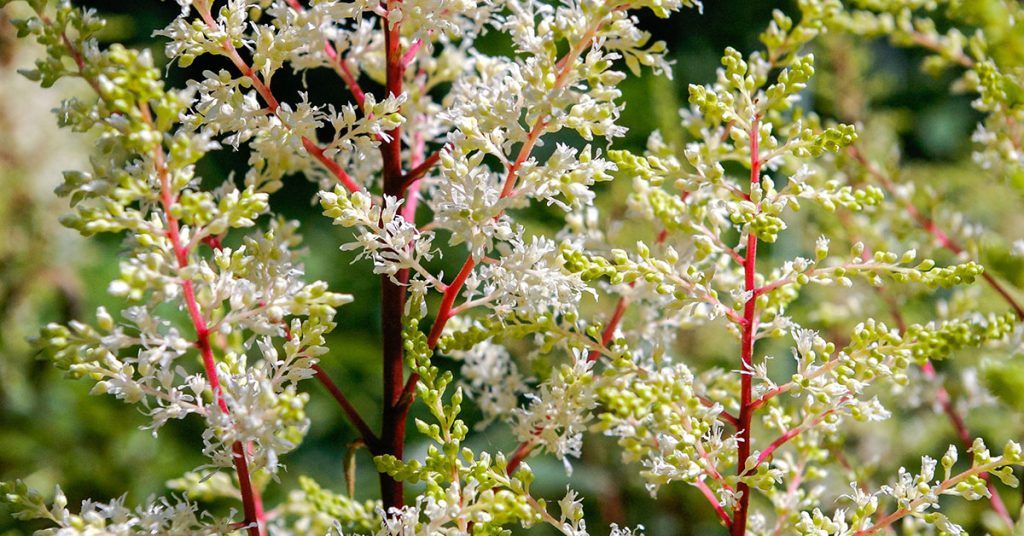
Astilbe is a charming perennial celebrated for its plume-like flowers and lush, feathery foliage. Native to Asia, Astilbe thrives in moist, well-drained soil and partial to full shade, making it an ideal choice for adding color to shaded garden areas. The flowers come in an array of colors, including pink, red, white, and purple, creating a striking contrast against the dark green leaves. Astilbe’s elegant blooms sway gracefully in the breeze, adding a sense of movement and softness to your garden landscape!
Beyond its stunning appearance, Astilbe is relatively low-maintenance and can adapt to various soil conditions as long as they remain consistently moist. It attracts a variety of pollinators, including butterflies and hummingbirds, enhancing the biodiversity of your garden. While Astilbe is not considered invasive, it can spread over time through rhizomes, so it’s important to provide adequate space for its growth. I find Astilbe to be a perfect addition to my shaded garden areas, offering both beauty and a peaceful ambiance that enhances the overall appeal of my outdoor space!
Phlox paniculata (Garden Phlox)
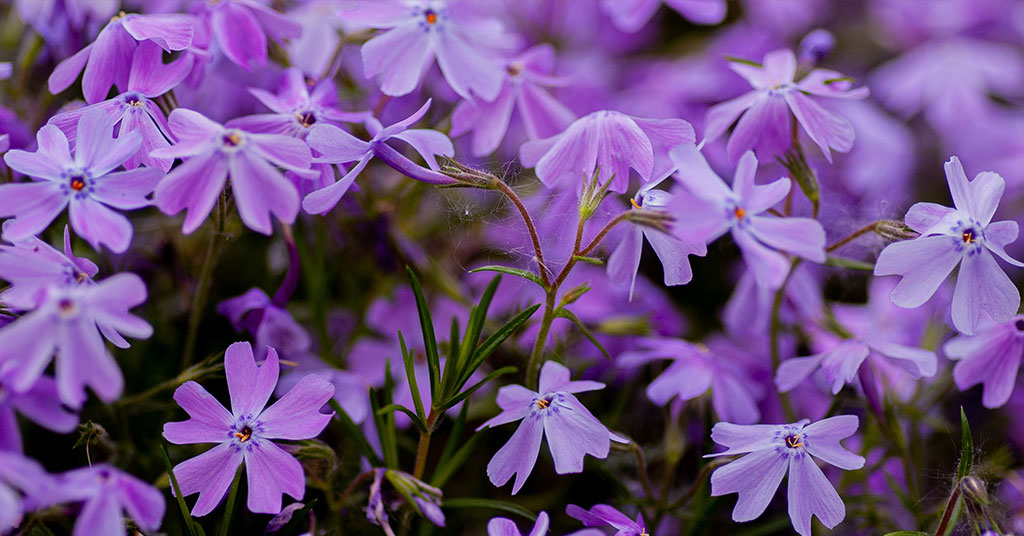
Phlox paniculata, commonly known as Garden Phlox, is a vibrant perennial that fills summer gardens with its fragrant, colorful blooms. Native to North America, this plant thrives in full sun and well-drained soil, making it perfect for sunny borders and mixed flower beds. Garden Phlox produces large, showy clusters of flowers in a stunning array of colors, including pink, purple, white, and red, attracting a plethora of pollinators such as butterflies, bees, and hummingbirds. Its sweet fragrance adds an extra layer of sensory delight, making Phlox a favorite among gardeners and visitors alike!
In addition to its beauty, Garden Phlox is relatively easy to care for and can tolerate a range of soil conditions as long as they are well-drained. It prefers regular watering during dry spells but is otherwise low-maintenance. While Phlox paniculata is not considered invasive, it can spread over time, so it’s important to provide adequate spacing to prevent overcrowding. Deadheading spent blooms encourages continuous flowering and helps maintain the plant’s neat appearance. I love how Garden Phlox brings vibrant color and delightful fragrance to my garden, creating a lively and inviting atmosphere throughout the summer months!
Penstemon (Beardtongue)
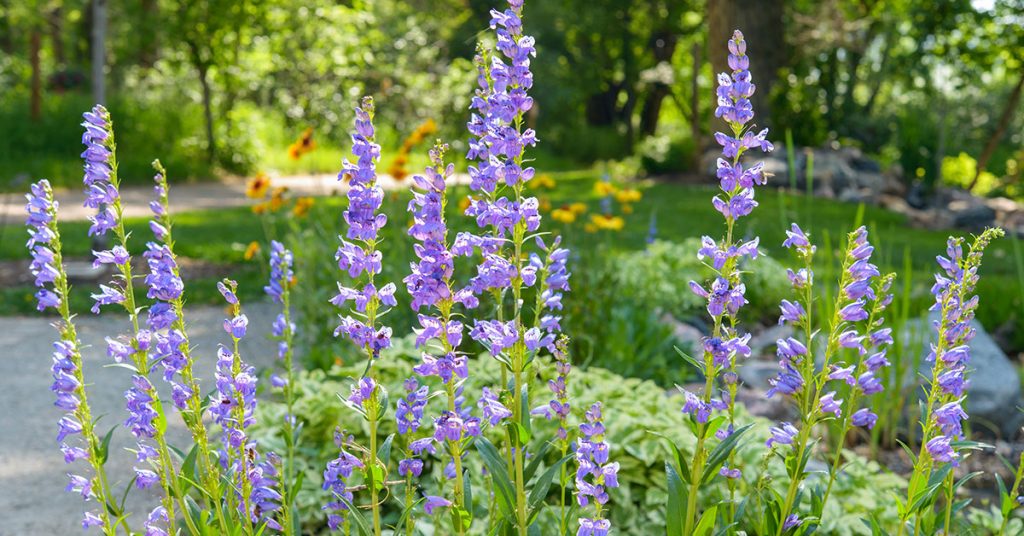
Penstemon, also known as Beardtongue, is a striking perennial admired for its tubular flowers and sturdy stems. Native to North America, Penstemon thrives in full sun and well-drained soil, making it an excellent choice for rock gardens, borders, and wildflower meadows. The flowers come in a variety of colors, including red, pink, purple, white, and blue, attracting a wide range of pollinators such as bees, butterflies, and hummingbirds. Penstemon’s unique, tubular shape provides both aesthetic appeal and a functional food source for pollinators!
Beyond its visual charm, Penstemon is highly adaptable and drought-tolerant, requiring minimal maintenance once established. It’s also resistant to most pests and diseases, making it a reliable addition to any garden. While some species can spread, Penstemon is generally not considered invasive, allowing it to coexist peacefully with other perennials. Its architectural form adds height and structure to garden designs, complementing a variety of plant combinations. I love how Penstemon not only enhances the beauty of my garden with its vibrant blooms but also supports a healthy ecosystem by attracting and sustaining pollinators!
Gaura (Bee Blossom)
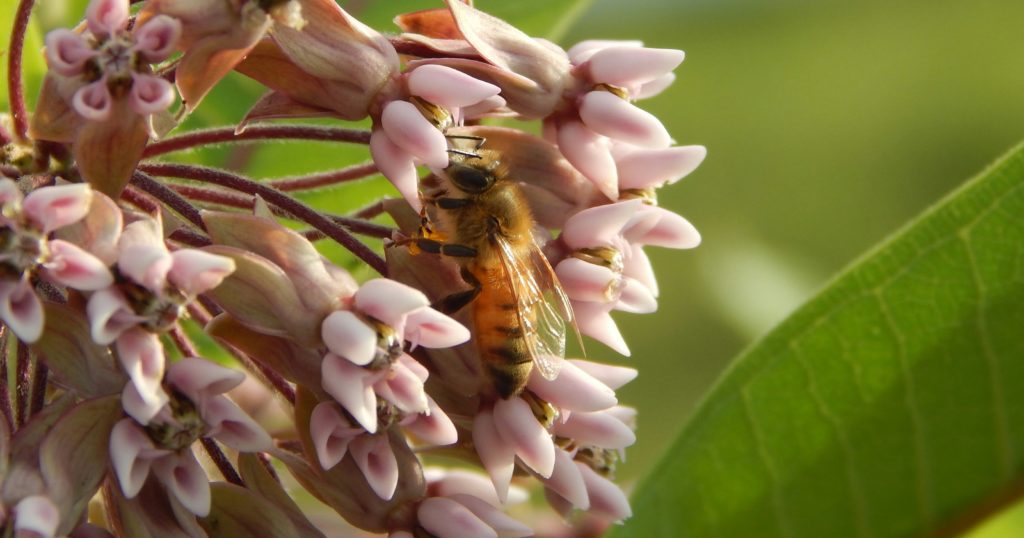
Gaura, commonly known as Bee Blossom, is a delicate perennial that adds a whimsical touch to summer gardens with its graceful, butterfly-like flowers. Native to North America, Gaura thrives in full sun and well-drained soil, making it perfect for borders, cottage gardens, and wildflower meadows. The flowers, which come in shades of white and pink, appear on long, slender stems that sway gently in the breeze, creating a mesmerizing display that resembles dancing butterflies. Gaura’s airy, feathery foliage adds an extra layer of texture and movement to your garden landscape!
In addition to its beauty, Gaura is highly attractive to pollinators such as bees and butterflies, enhancing the biodiversity of your garden. It is also drought-tolerant and low-maintenance, requiring minimal watering once established. While Gaura is not considered invasive in most regions, it can self-seed prolifically under favorable conditions, so regular monitoring and deadheading may be necessary to control its spread. I adore how Gaura brings a touch of elegance and enchantment to my garden, creating a serene and captivating environment that delights the senses!
Coral Bells (Heuchera)
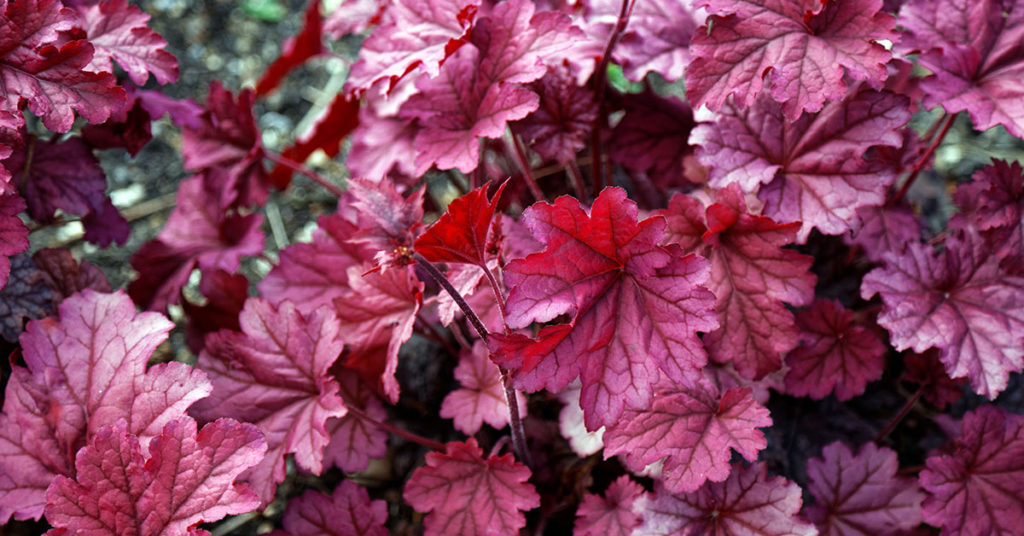
Coral Bells, or Heuchera, is a versatile perennial prized for its vibrant, colorful foliage and delicate flowers. Native to North America, Coral Bells thrive in partial shade to full sun, making them suitable for a variety of garden settings, including borders, rock gardens, and containers. The leaves come in an array of colors, from deep purples and reds to bright greens and variegated patterns, providing year-round interest and texture. In late spring to early summer, Coral Bells produce airy spikes of tiny flowers that attract pollinators like butterflies and hummingbirds!
Beyond their stunning foliage, Coral Bells are relatively low-maintenance and adaptable to different soil types, as long as they remain well-drained. They are also drought-tolerant once established, making them a reliable choice for gardeners seeking beauty without excessive watering. While Coral Bells can spread through rhizomes, they are not considered invasive, allowing them to coexist harmoniously with other plants. I love how Coral Bells add a splash of color and texture to my garden, enhancing the overall aesthetic and providing a lovely backdrop for other perennials!
Foxglove (Digitalis purpurea)
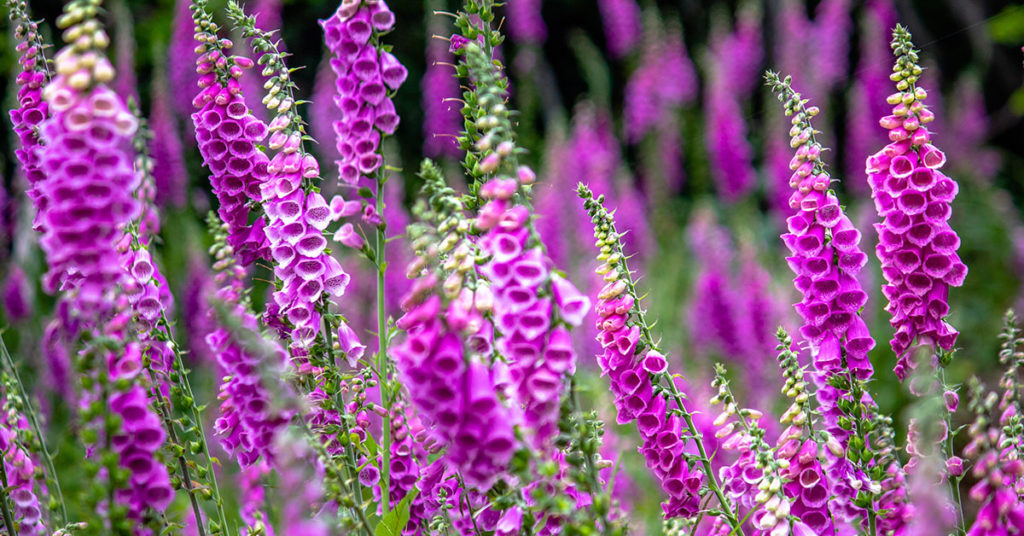
Foxglove is a tall, elegant perennial known for its striking, tubular flowers that add a touch of drama to summer gardens. Native to Europe, Foxglove thrives in partial shade to full sun and prefers moist, well-drained soil, making it an excellent choice for shaded borders and woodland gardens. The flowers come in a variety of colors, including purple, pink, white, and yellow, arranged in tall spikes that can reach impressive heights. Foxglove attracts a variety of pollinators, including bees and hummingbirds, adding both beauty and life to your garden!
In addition to its visual appeal, Foxglove is valued for its medicinal properties, as it is the source of digitalis, a heart medication. However, it’s important to handle Foxglove with care, as all parts of the plant are toxic if ingested. While Foxglove is not considered invasive, it can self-seed under favorable conditions, so it’s important to monitor its growth to prevent it from spreading excessively. I love how Foxglove brings vertical interest and vibrant color to my garden, creating a stunning focal point that enhances the overall landscape!
Bleeding Heart (Dicentra spectabilis)
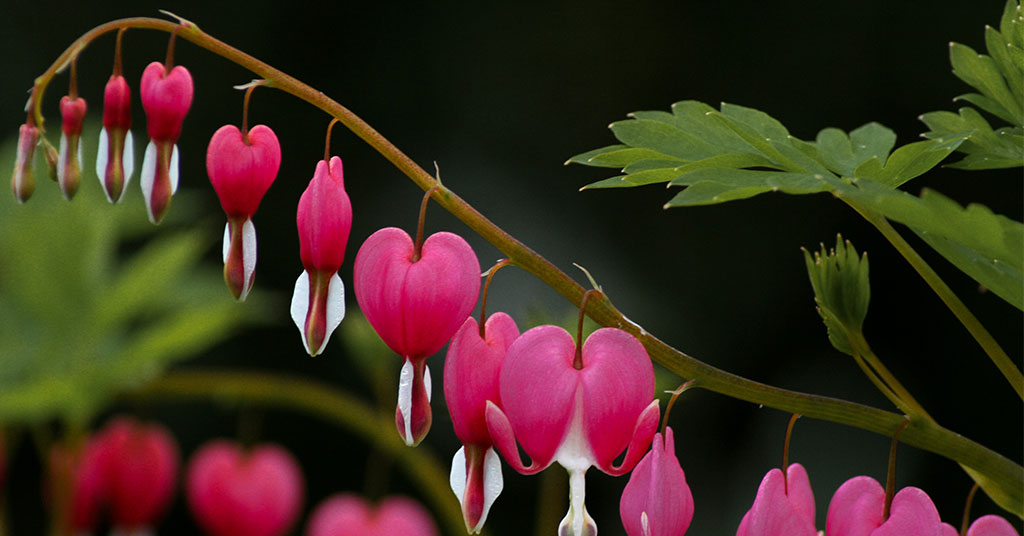
Bleeding Heart is a romantic perennial known for its delicate, heart-shaped flowers that dangle gracefully from arching stems. Native to eastern Asia, Bleeding Heart thrives in partial to full shade and moist, well-drained soil, making it an ideal choice for woodland gardens and shaded borders. The flowers, which come in shades of pink and white, create a striking contrast against the plant’s lush, fern-like foliage, adding a touch of elegance and charm to any garden setting!
Beyond its beauty, Bleeding Heart is relatively low-maintenance and can tolerate a range of soil conditions as long as they remain consistently moist. It attracts pollinators such as bees and butterflies, enhancing the ecological diversity of your garden. While Bleeding Heart is not considered invasive, it can spread through rhizomes over time, so it’s important to provide adequate space for its growth. I adore how Bleeding Heart adds a touch of whimsy and grace to my garden, creating a serene and enchanting atmosphere that delights the senses!
Dianthus (Sweet William)
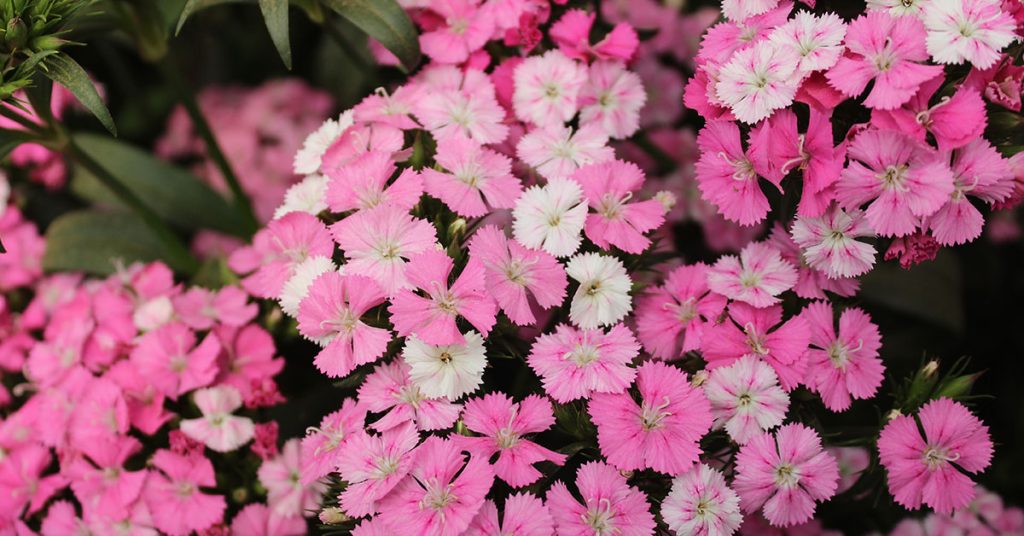
Dianthus, commonly known as Sweet William, is a charming perennial celebrated for its fragrant, fringed flowers and compact growth habit. Native to Europe and Asia, Dianthus thrives in full sun and well-drained soil, making it perfect for borders, rock gardens, and container plantings. The flowers come in a variety of colors, including pink, red, white, and purple, often with contrasting edges that add depth and interest. Dianthus is not only beautiful but also highly fragrant, filling your garden with a delightful scent that enhances the overall sensory experience!
In addition to its aesthetic appeal, Dianthus is relatively low-maintenance and resistant to most pests and diseases, making it a reliable choice for gardeners seeking beauty without excessive upkeep. It attracts beneficial insects such as bees and butterflies, contributing to a healthy garden ecosystem. While Dianthus can self-seed under favorable conditions, it is generally not considered invasive, allowing it to coexist peacefully with other perennials. I love how Dianthus adds both color and fragrance to my garden, creating a lively and inviting atmosphere that delights both the eyes and the nose!
Butterfly Weed (Asclepias tuberosa)
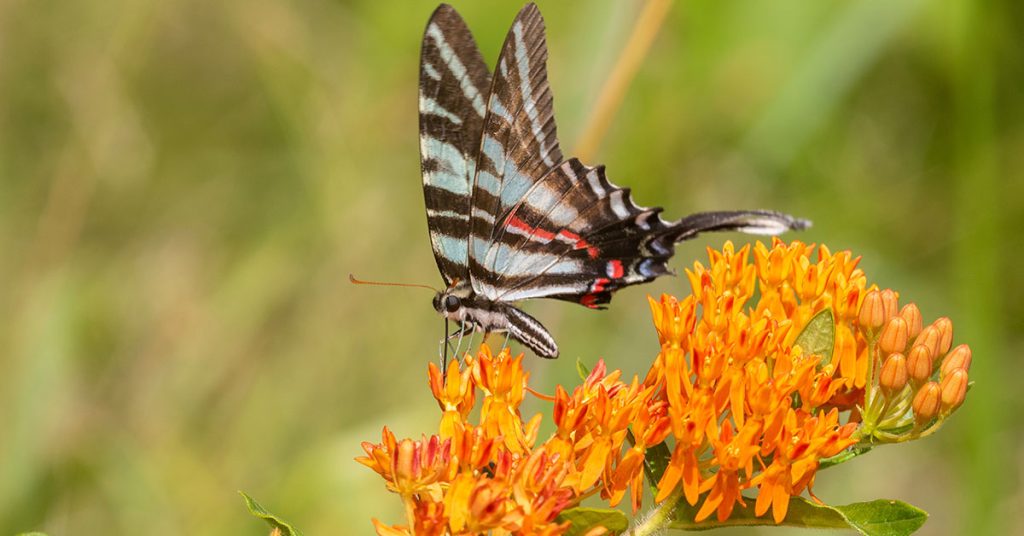
Butterfly Weed is a vibrant perennial renowned for its bright orange flowers and its ability to attract a multitude of butterflies, particularly monarchs. Native to North America, Butterfly Weed thrives in full sun and well-drained soil, making it an excellent choice for sunny borders, wildflower meadows, and pollinator gardens. The flowers have a unique, intricate structure that not only adds visual interest but also serves as a vital food source for pollinators. Butterfly Weed’s sturdy stems and basal foliage provide a lovely contrast, enhancing the overall texture and depth of your garden!
In addition to its beauty, Butterfly Weed is highly drought-tolerant and low-maintenance, requiring minimal watering once established. It is also resistant to most pests and diseases, making it a reliable addition to any garden. Butterfly Weed plays a crucial role in supporting butterfly populations, especially monarchs, by providing essential nectar and host plants for their larvae. While it is not considered invasive, it can spread through self-seeding, so regular monitoring may be necessary to control its growth. I love how Butterfly Weed brings vibrant color and life to my garden, creating a welcoming haven for butterflies and enhancing the overall ecological health of my outdoor space!
Catmint (Nepeta)
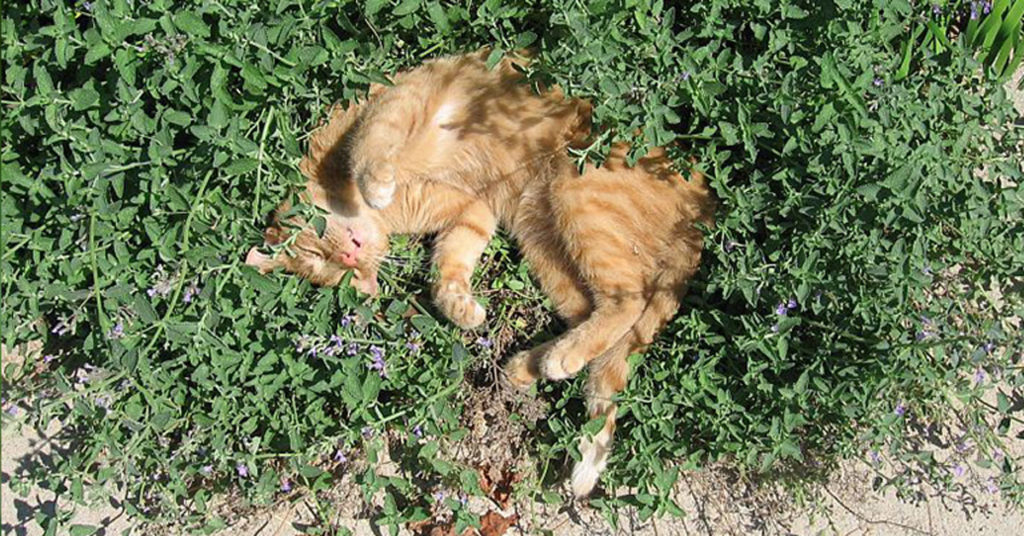
Catmint, or Nepeta, is a delightful perennial known for its soft, silvery foliage and clusters of blue, purple, or white flowers. Native to Europe and Asia, Catmint thrives in full sun and well-drained soil, making it perfect for borders, rock gardens, and cottage gardens. The flowers attract a variety of pollinators, including bees and butterflies, adding both beauty and life to your garden. Catmint’s aromatic foliage not only enhances the sensory experience but also helps repel certain pests, making it a practical and fragrant addition to any garden!
Beyond its charming appearance, Catmint is incredibly hardy and drought-tolerant, requiring minimal maintenance once established. It spreads through self-seeding and rhizomes, creating a dense mat of foliage that helps suppress weeds and retain soil moisture. While Catmint can spread vigorously, it is not considered invasive, allowing it to coexist peacefully with other perennials. Its long blooming period ensures continuous color from late spring to fall, providing lasting beauty and interest throughout the summer months. I love how Catmint adds both color and fragrance to my garden, creating a peaceful and inviting atmosphere that enhances the overall landscape!
New England Aster (Symphyotrichum novae-angliae)
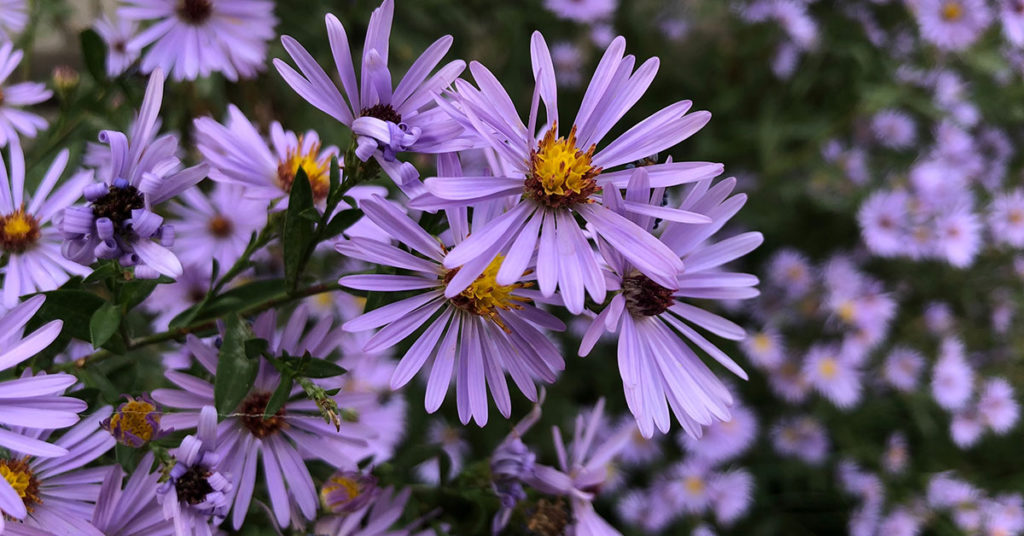
New England Aster is a stunning perennial celebrated for its large, daisy-like flowers that bloom in vibrant shades of purple, pink, and white. Native to North America, this plant thrives in full sun to partial shade and well-drained soil, making it an excellent choice for borders, wildflower gardens, and naturalized areas. The flowers provide a striking contrast against the dark green foliage, adding a burst of color that attracts a variety of pollinators, including bees, butterflies, and moths. New England Aster’s late summer to fall blooming period ensures that your garden remains vibrant and lively as the seasons change!
In addition to its beauty, New England Aster is relatively low-maintenance and can adapt to a range of soil conditions as long as they remain well-drained. It is also drought-tolerant once established, making it a reliable choice for gardeners seeking beauty without excessive watering. While New England Aster can self-seed, it is not considered invasive, allowing it to coexist harmoniously with other perennials. Its tall, sturdy stems add vertical interest and structure to garden designs, complementing a variety of plant combinations. I love how New England Aster brings lasting color and elegance to my garden, enhancing the overall aesthetic and supporting a healthy ecosystem!
Sedum (Stonecrop)
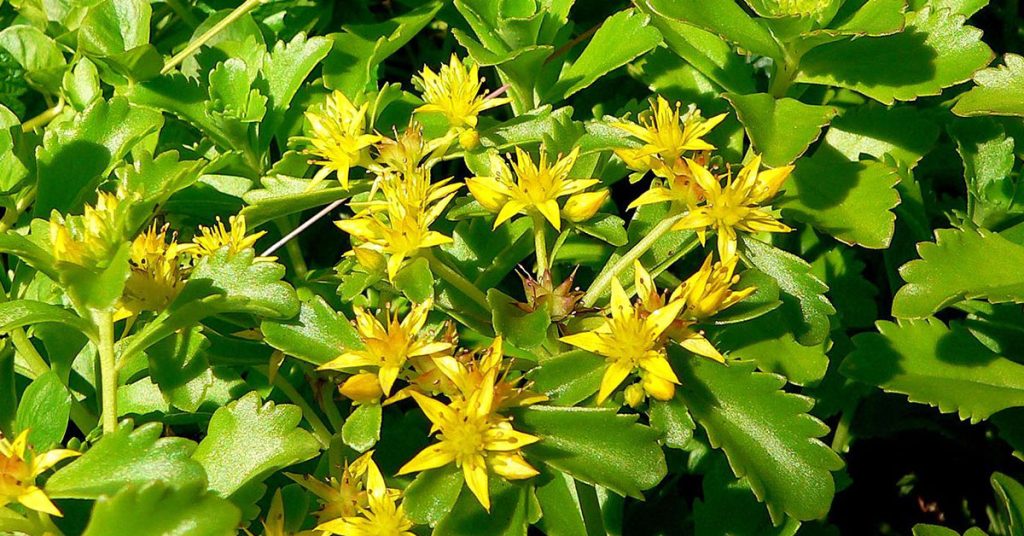
Sedum, commonly known as Stonecrop, is a hardy perennial celebrated for its fleshy, succulent leaves and star-shaped flowers that bloom in a range of colors from white and yellow to pink and red. Native to Europe, Asia, and North America, Sedum thrives in full sun and well-drained soil, making it perfect for rock gardens, borders, and container plantings. The plant’s succulent leaves store water, allowing it to withstand drought and harsh conditions, while its colorful blooms attract pollinators like bees and butterflies. Sedum’s low-growing habit and spreading nature add texture and depth to any garden design!
In addition to its resilience, Sedum is incredibly low-maintenance and requires minimal care once established. It is resistant to most pests and diseases, making it a reliable choice for gardeners seeking beauty without excessive upkeep. While Sedum can spread through stolons, it is not considered invasive, allowing it to coexist peacefully with other perennials. Its versatility and adaptability make it an excellent choice for a variety of garden settings, from sunny borders to xeriscaped areas. I love how Sedum adds both color and texture to my garden, creating a vibrant and resilient landscape that thrives even in challenging conditions!
Lithodora (Lithodora diffusa)

Lithodora, also known as Lithodora diffusa, is a stunning perennial prized for its vivid blue flowers and compact growth habit. Native to the Mediterranean region, Lithodora thrives in full sun and well-drained, sandy soil, making it an excellent choice for rock gardens, borders, and container plantings. The plant’s dense, evergreen foliage provides a lush backdrop for its striking blooms, which appear in spring and can sometimes re-bloom in the summer. Lithodora’s intense blue flowers attract a variety of pollinators, including bees and butterflies, adding both beauty and life to your garden!
Beyond its visual appeal, Lithodora is relatively low-maintenance and drought-tolerant once established, requiring minimal watering and care. It is also resistant to most pests and diseases, making it a reliable addition to any garden. While Lithodora can spread slightly over time, it is not considered invasive, allowing it to coexist harmoniously with other perennials. Its compact, mounding growth habit makes it ideal for creating beautiful ground cover and adding structure to garden designs. I love how Lithodora brings a pop of intense blue to my garden, enhancing the overall aesthetic and providing a stunning focal point that delights the eyes!
Liatris (Blazing Star)

Liatris, commonly known as Blazing Star, is a dynamic perennial celebrated for its tall spikes of densely packed flowers that create a dramatic visual impact in summer gardens. Native to North America, Blazing Star thrives in full sun and well-drained soil, making it perfect for borders, wildflower meadows, and prairie gardens. The flowers, which come in shades of purple, pink, and white, are highly attractive to pollinators such as bees, butterflies, and hummingbirds, enhancing the ecological diversity of your garden. Blazing Star’s upright growth habit and vibrant blooms add both height and color, creating a striking focal point in any garden setting!
In addition to its beauty, Liatris is relatively low-maintenance and drought-tolerant, requiring minimal watering once established. It is also resistant to most pests and diseases, making it a reliable choice for gardeners seeking vibrant color without excessive upkeep. While Liatris can self-seed under favorable conditions, it is not considered invasive, allowing it to coexist peacefully with other perennials. Its tall, slender stems add vertical interest and structure to garden designs, complementing a variety of plant combinations. I love how Liatris brings energy and movement to my garden, creating a lively and captivating landscape that supports a healthy ecosystem!
Veronica (Speedwell)
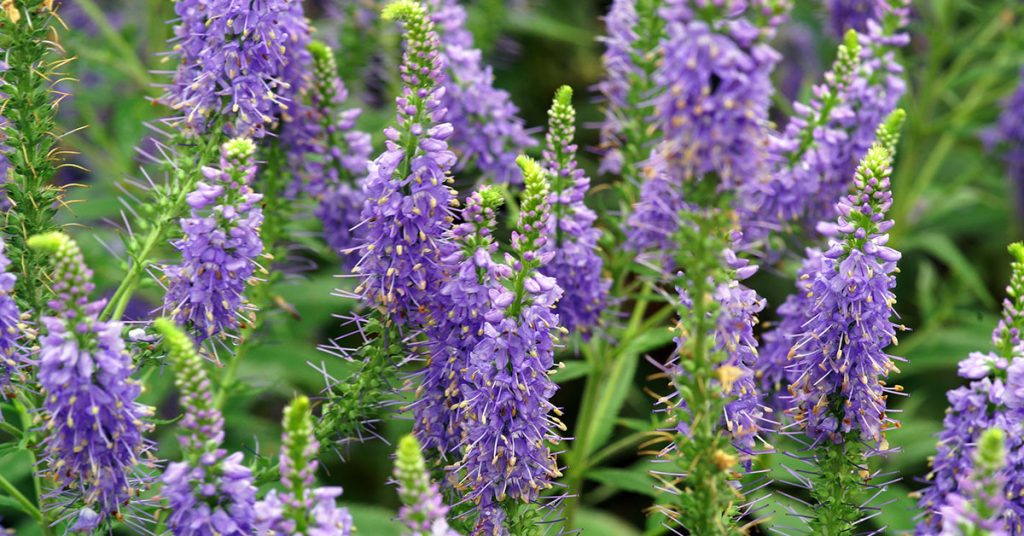
Veronica, also known as Speedwell, is a charming perennial admired for its delicate, tubular flowers and compact growth habit. Native to Europe and Asia, Veronica thrives in full sun to partial shade and well-drained soil, making it an excellent choice for borders, rock gardens, and container plantings. The flowers come in a variety of colors, including blue, purple, pink, and white, often appearing in dense spikes that add height and interest to your garden. Veronica’s slender stems and vibrant blooms attract a variety of pollinators, such as bees and butterflies, enhancing the biodiversity of your garden!
In addition to its visual appeal, Veronica is incredibly hardy and low-maintenance, requiring minimal care once established. It is resistant to most pests and diseases, making it a reliable addition to any garden. While Veronica can spread through self-seeding, it is not considered invasive, allowing it to coexist harmoniously with other perennials. Its versatile growth habit and long blooming period ensure continuous color and interest throughout the summer months. I love how Veronica adds both color and texture to my garden, creating a lively and inviting atmosphere that delights both the eyes and the senses!
Allium (Ornamental Onion)

Allium, commonly known as Ornamental Onion, is a striking perennial celebrated for its globe-like flower heads and architectural form. Native to Europe, Asia, and North America, Allium thrives in full sun and well-drained soil, making it perfect for borders, rock gardens, and bulb gardens. The flowers come in various sizes and colors, including purple, pink, white, and yellow, creating a bold and dramatic display that adds vertical interest and structure to your garden. Allium’s tall, slender stems and spherical blooms are highly attractive to pollinators like bees and butterflies, enhancing the ecological diversity of your garden!
In addition to its beauty, Allium is relatively low-maintenance and drought-tolerant once established, requiring minimal watering and care. It is also resistant to most pests and diseases, making it a reliable choice for gardeners seeking striking color without excessive upkeep. While Allium can self-seed under favorable conditions, it is not considered invasive, allowing it to coexist peacefully with other perennials. Its unique, globe-like flowers add a touch of elegance and sophistication to garden designs, complementing a variety of plant combinations. I love how Allium brings both beauty and structure to my garden, creating a stunning and dynamic landscape that captivates the eye!