
Winter is a time when many of us retreat indoors, seeking comfort and warmth in the cozy confines of our homes. While the cold weather may limit outdoor activities, it also presents a unique opportunity to enhance our indoor environments through the integration of indoor gardening with wellness routines. Incorporating plants into your daily life not only beautifies your space but also contributes significantly to your mental and physical well-being. Imagine starting your day surrounded by lush greenery that purifies the air and elevates your mood—it’s a simple yet powerful way to boost your overall health during the winter months.
Embracing indoor gardening as part of your wellness routine can transform your home into a sanctuary of tranquility and vitality. Plants are more than just decorative elements; they play a crucial role in creating a harmonious living space that supports relaxation, mindfulness, and physical health. Whether you’re practicing yoga, meditating, or simply unwinding after a long day, the presence of indoor plants can enhance these activities, making them more enjoyable and effective. Let’s explore how you can seamlessly integrate indoor gardening with your wellness practices this winter, ensuring your home remains a nurturing and vibrant haven throughout the season!
Creating a Relaxing Space with Indoor Gardens

Transforming a corner of your home into a mini indoor garden can significantly enhance the ambiance and promote relaxation. Plants such as the Peace Lily (Spathiphyllum), native to the tropical regions of the Americas, are perfect for creating serene environments. Known for their graceful white blooms and glossy green leaves, Peace Lilies are excellent at purifying the air by removing toxins like ammonia and benzene. They thrive in low to moderate light, making them ideal for indoor spaces where natural light may be limited during the winter months.
In addition to Peace Lilies, the Snake Plant (Sansevieria trifasciata), native to West Africa, is another fantastic choice for a relaxing indoor garden. This hardy plant is highly resilient, requiring minimal care and thriving in various lighting conditions. Its upright, sword-like leaves not only add architectural interest to your space but also help improve air quality by filtering out pollutants. By arranging these plants thoughtfully around your living areas, you can create a tranquil oasis that enhances your home’s aesthetic while providing a calming influence that reduces stress and promotes mental well-being.
Incorporating Plants into Yoga and Meditation Practices
Integrating plants into your yoga and meditation spaces can deepen your practice and enhance your sense of tranquility. Plants like the Bamboo Palm (Chamaedorea seifrizii), native to Central and South America, are excellent additions to these areas. Bamboo Palms are renowned for their ability to increase humidity and remove toxins such as formaldehyde and xylene from the air, creating a healthier and more comfortable environment for your practice. Their graceful, arching fronds add a touch of natural elegance, helping to create a peaceful and inviting atmosphere.
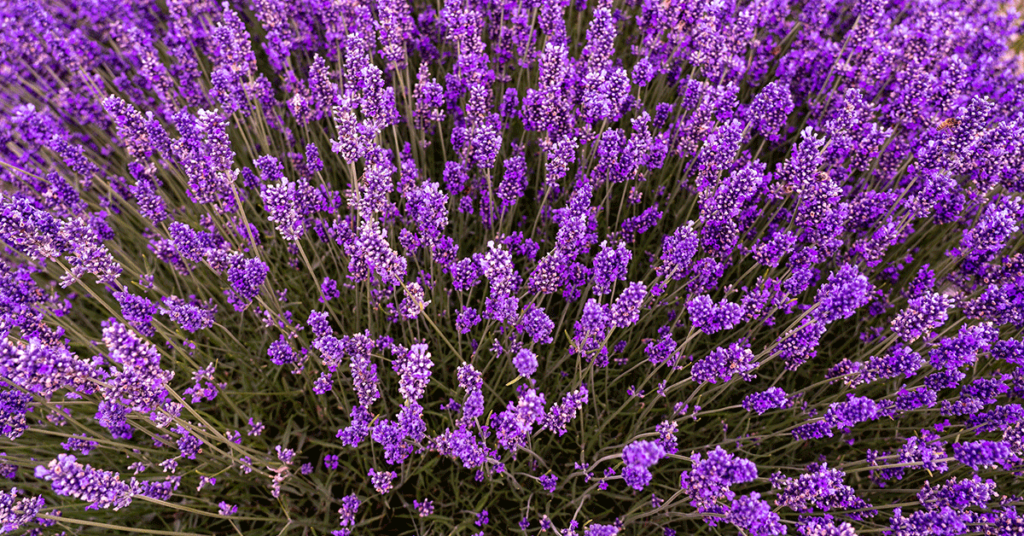
Another wonderful plant to consider is the Lavender (Lavandula), native to the Mediterranean region. While traditionally grown outdoors, Lavender can thrive indoors with the right care. Its soothing scent is known to reduce anxiety and promote relaxation, making it an ideal companion for meditation sessions. Additionally, Lavender’s beautiful purple flowers add a visual element that can enhance the aesthetic appeal of your practice space. By placing these plants near your yoga mat or meditation cushion, you can create a harmonious environment that supports both your physical and mental wellness, making your sessions more effective and enjoyable.
Mindfulness and Plant Care: A Therapeutic Activity
Engaging in plant care can be a form of mindfulness practice, offering a therapeutic way to connect with nature and reduce stress. Plants like the Rubber Plant (Ficus elastica), native to the rainforests of eastern India, are perfect for this purpose. Rubber Plants have large, glossy leaves that require regular watering and occasional pruning, providing a gentle routine that encourages mindfulness. The act of tending to these plants—watering, cleaning leaves, and trimming dead growth—can help anchor your thoughts and bring a sense of calm and focus.
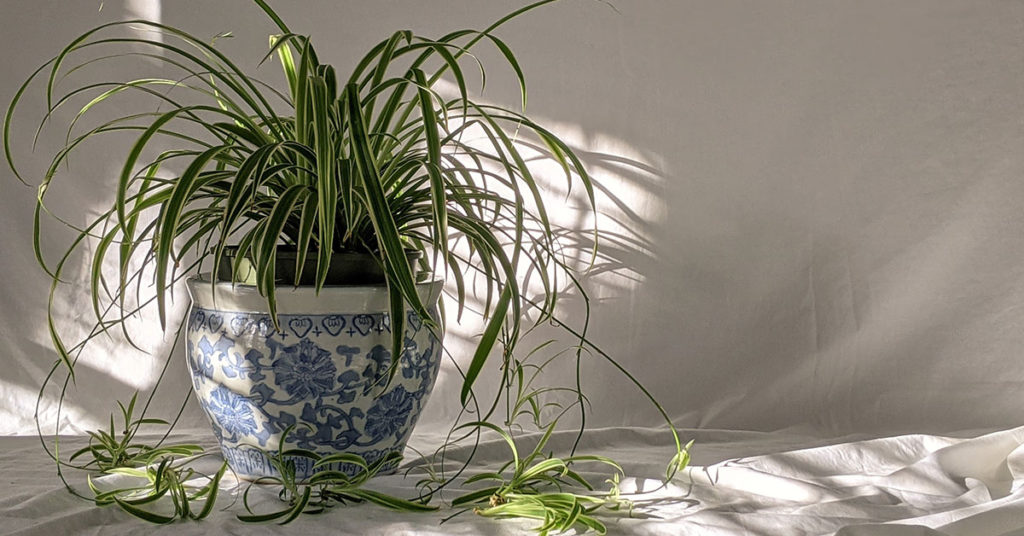
Similarly, the Spider Plant (Chlorophytum comosum), native to South Africa, offers an engaging way to practice mindfulness. Known for its arching, variegated leaves and the ability to produce baby plants, Spider Plants require minimal care while still providing a rewarding experience. Watching the Spider Plant propagate and grow can instill a sense of accomplishment and joy, enhancing your overall well-being. By incorporating regular plant care into your daily routine, you create moments of intentional calm that support mental health and foster a deeper connection to your indoor garden.
Enhancing Air Quality and Physical Health

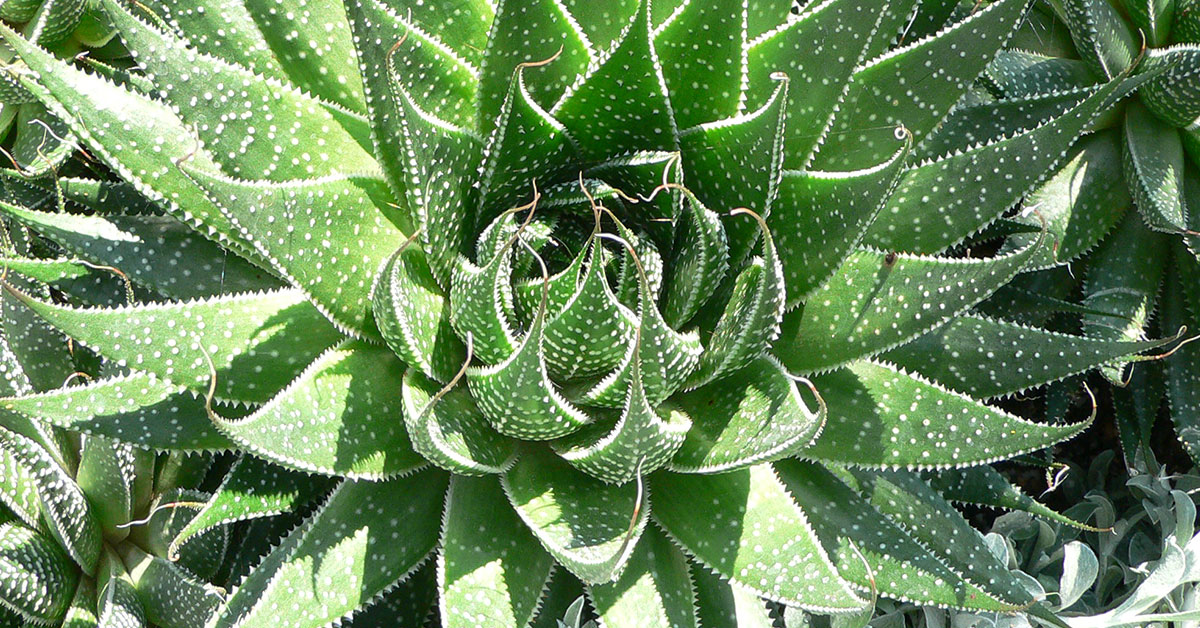
Indoor plants play a significant role in improving air quality, which is especially beneficial during the winter months when indoor air tends to become stale and dry. Plants like the Aloe Vera (Aloe barbadensis miller), native to the Arabian Peninsula, are exceptional air purifiers that remove toxins such as formaldehyde and benzene from the air. Aloe Vera is not only beneficial for air quality but also offers medicinal properties, with its gel being widely used for soothing burns and skin irritations. Its ability to thrive in bright, indirect light makes it an excellent addition to any indoor garden, promoting both environmental and personal health.
Another impactful plant for enhancing air quality is the Areca Palm (Dypsis lutescens), native to Madagascar. Known as a natural humidifier, the Areca Palm releases moisture into the air, combating the dryness caused by indoor heating systems. This plant is also effective at removing toxins like xylene and toluene, contributing to a healthier living environment. With its feathery, arching fronds, the Areca Palm adds a lush, tropical feel to your indoor spaces, making it a beautiful and functional addition to your home wellness routine. By incorporating these air-purifying plants into your indoor garden, you can create a healthier and more invigorating atmosphere that supports your physical well-being during the winter months.
Using Aromatic Plants for Scent and Mood

Aromatic plants not only add beauty to your indoor spaces but also contribute to a positive mood and enhanced mental well-being through their soothing scents. The Lavender (Lavandula), native to the Mediterranean, is a prime example of an aromatic plant that can elevate your home’s ambiance. Known for its calming fragrance, Lavender is widely used in aromatherapy to reduce anxiety, promote relaxation, and improve sleep quality. Its beautiful purple flowers and silvery-green foliage make it a visually appealing addition to any indoor garden, enhancing both the scent and the aesthetic of your living spaces.
Another excellent aromatic plant is the Jasmine (Jasminum), native to tropical and warm temperate regions of the Old World. Jasmine is celebrated for its sweet, intoxicating fragrance, which is believed to uplift the spirit and reduce stress levels. This plant produces small, star-shaped flowers that bloom profusely in bright light, adding a touch of elegance and charm to your home. Jasmine’s ability to thrive indoors with the right care makes it a wonderful choice for winter gardening, providing a delightful scent that can enhance your mood and create a serene environment. By incorporating aromatic plants like Lavender and Jasmine into your indoor garden, you can enjoy the dual benefits of beautiful blooms and therapeutic scents, fostering a more relaxed and joyful home atmosphere during the winter season.
Lighting and Plant Placement for Optimal Wellness
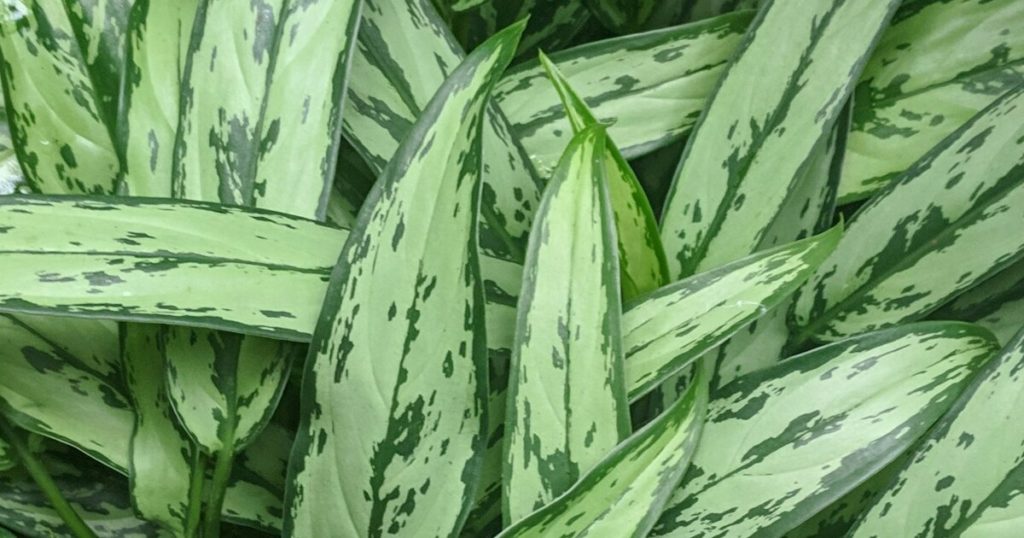
Proper lighting and strategic plant placement are essential for ensuring that your indoor garden supports your wellness routines effectively. Plants like the Chinese Evergreen (Aglaonema), native to tropical Asia, thrive in low to medium light conditions, making them ideal for indoor environments where natural light may be limited during winter. Placing Chinese Evergreens in well-lit corners or near windows that receive indirect sunlight can help them maintain their vibrant foliage and promote healthy growth. These plants are also known for their ability to filter out harmful toxins, enhancing the overall air quality and contributing to a healthier living space.
In addition to selecting the right plants, thoughtful placement can enhance the synergy between your indoor garden and wellness activities. For example, placing plants like the Fiddle Leaf Fig (Ficus lyrata), native to the rainforests of Western Africa, near your meditation or yoga area can create a calming and inspiring environment. The large, lush leaves of the Fiddle Leaf Fig not only add visual interest but also help improve air quality, making your wellness practices more effective and enjoyable. By optimizing lighting and strategically arranging your plants, you create a harmonious indoor garden that supports your physical and mental well-being, ensuring that your home remains a sanctuary of health and tranquility throughout the winter months.
Mindful Plant Selection for Personalized Wellness

Choosing the right plants is a crucial aspect of integrating indoor gardening with your wellness routines, allowing you to tailor your garden to meet your specific needs and preferences. For instance, if you seek stress relief and improved sleep quality, plants like the Snake Plant (Sansevieria trifasciata) and Peace Lily (Spathiphyllum) are excellent choices. Both are effective at purifying the air by removing toxins and producing oxygen, creating a healthier and more relaxing environment. Their hardy nature and low maintenance requirements make them ideal for busy individuals who want to enjoy the benefits of indoor gardening without the hassle of extensive care.
On the other hand, if you’re looking to boost your energy levels and enhance concentration, consider incorporating plants like the Bamboo Palm (Chamaedorea seifrizii) and Areca Palm (Dypsis lutescens) into your indoor garden. These plants not only improve air quality by removing pollutants but also add a vibrant, lively touch to your home décor, creating an energizing and uplifting atmosphere. By selecting plants that align with your wellness goals, you can create a personalized indoor garden that supports your mental and physical health, making your home a true sanctuary of well-being during the winter season.
Incorporating Indoor Gardening into Daily Routines
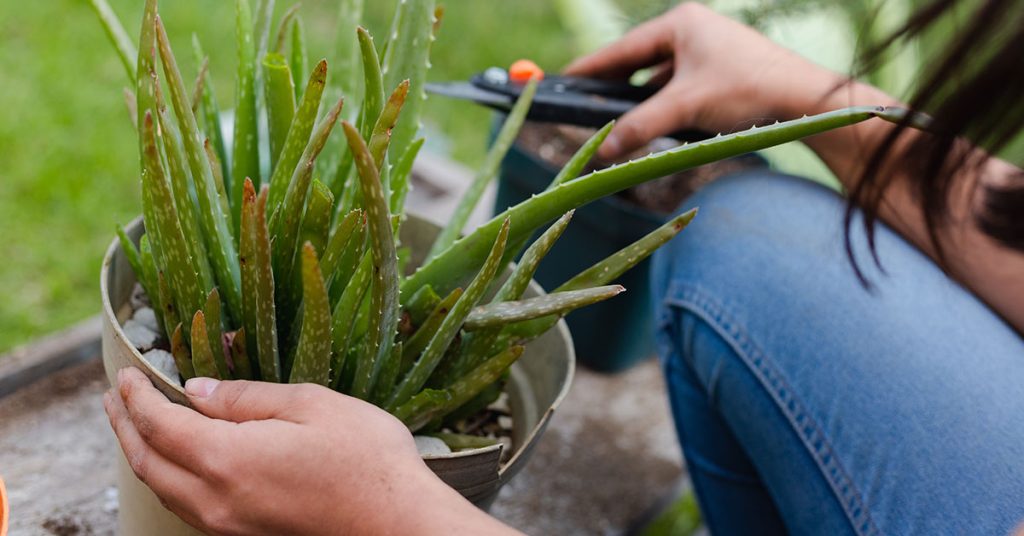
Integrating indoor gardening into your daily wellness routines can enhance both your physical and mental well-being, providing a sense of accomplishment and connection to nature. Start by incorporating simple plant care tasks into your morning or evening routines, such as watering, pruning, or simply spending a few minutes admiring your plants. These small acts of care can serve as mindful moments that ground you and reduce stress, setting a positive tone for your day or helping you unwind before bed.
Additionally, consider using your indoor garden as a backdrop for other wellness activities. For example, setting up a yoga mat near your favorite flowering plants can create a serene and inspiring space for your practice. Similarly, placing a small indoor garden on your desk can provide a calming visual element that enhances focus and productivity throughout your workday. By weaving indoor gardening into your daily routines, you create a harmonious and nurturing environment that supports your overall well-being, making it easier to maintain healthy habits and enjoy the numerous benefits of a thriving indoor garden all winter long.