

Winter often brings a slowdown to our outdoor gardens, but that doesn’t mean your green thumb has to take a break! Indoor succulent gardens are the perfect solution for maintaining vibrant and beautiful plants during the colder months. These hardy plants not only add a touch of nature to your home but also require minimal care, making them ideal for those busy winter days when gardening time is limited. Whether you’re a seasoned plant enthusiast or just starting your indoor gardening journey, succulents offer a versatile and rewarding option to keep your indoor space lively and fresh.
Creating an indoor succulent garden can transform any room into a stunning oasis of color and texture. From the geometric shapes of echeverias to the whimsical forms of haworthias, there’s a succulent variety to match every aesthetic preference. These plants are not only visually appealing but also excellent air purifiers, helping to maintain a healthy indoor environment. Let’s dive into the essential tips and strategies for building a thriving indoor succulent garden this winter, ensuring your plants remain lush and resilient throughout the season!
Selecting Containers and Soil
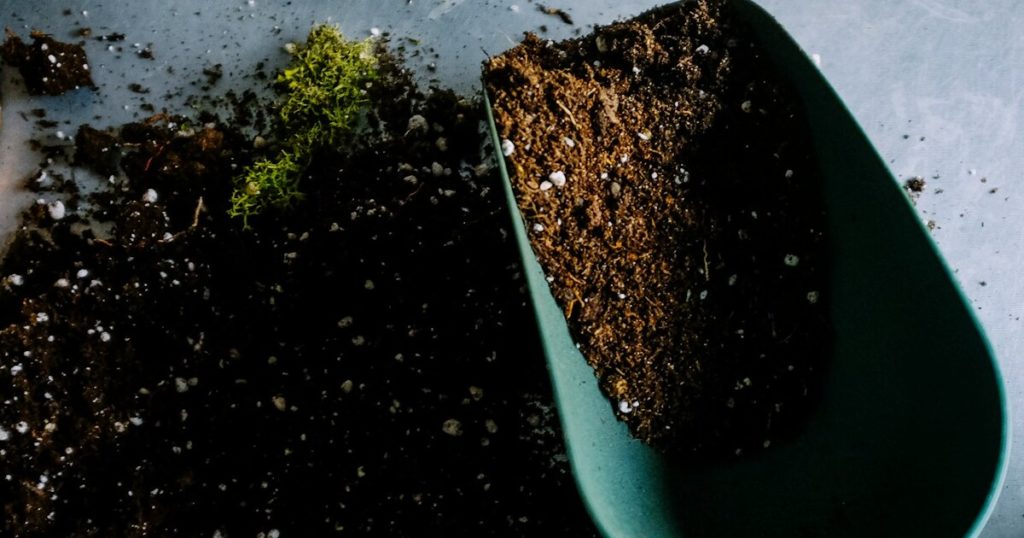
Choosing the right containers and soil is fundamental to the success of your indoor succulent garden. Succulents require well-draining soil to prevent root rot, a common issue during the winter months when watering tends to be less frequent. Opt for pots with drainage holes to allow excess water to escape, and consider using terracotta or ceramic containers that help wick moisture away from the roots. Additionally, incorporating a layer of gravel or small stones at the bottom of your pots can enhance drainage and provide stability for your plants.
The soil you select should mimic the natural arid environments where succulents thrive. A high-quality cactus or succulent mix is ideal, as it typically contains a blend of potting soil, sand, and perlite or pumice to ensure excellent drainage and aeration. Avoid using regular potting soil, which retains too much moisture and can lead to fungal issues. By carefully selecting the appropriate containers and soil, you create an optimal growing medium that supports the health and longevity of your succulents, allowing them to flourish even in the drier indoor conditions of winter!
Preventing Pests and Diseases

It’s such a bummer when pests like mealybugs or spider mites invade your indoor succulent garden, especially during winter when plants are already stressed by environmental changes. These tiny intruders can cause significant damage, sucking the sap from your plants and spreading diseases that can quickly spread through your garden. Regularly inspecting your succulents for signs of pests, such as discolored leaves or sticky residues, is crucial for early detection and management. Introducing natural pest control methods, like neem oil or insecticidal soap, can effectively eliminate infestations without harming your plants.
Maintaining a clean and healthy gardening environment is another key strategy to prevent pests and diseases. Ensure that your succulents are free from dead or decaying leaves, which can attract pests and foster fungal growth. Avoid overcrowding your plants, as good air circulation helps keep the foliage dry and reduces the likelihood of pest infestations. Additionally, rotating your succulents periodically ensures that all sides receive equal light exposure, promoting even growth and making it harder for pests to find their way. By staying vigilant and proactive, you can enjoy a pest-free indoor succulent garden that remains vibrant and healthy throughout the winter season!
Providing Adequate Lighting

Lighting plays a pivotal role in the health and growth of your indoor succulent garden, especially during the winter months when natural light is scarce. Succulents thrive in bright, indirect sunlight, so positioning them near south-facing windows is ideal. If your home lacks sufficient natural light, supplementing with artificial grow lights can make a significant difference. LED grow lights are an excellent choice, as they provide the full spectrum of light that succulents need without generating excess heat, ensuring your plants receive consistent and adequate illumination even on the darkest winter days.
Understanding the specific light requirements of each succulent species is essential for optimizing their growth. For instance, Echeverias, native to semi-desert regions of Central America, prefer intense, direct light and will develop vibrant colors and compact rosettes when adequately lit. On the other hand, Haworthias, native to South Africa, are more tolerant of lower light conditions and can thrive in areas with indirect sunlight. By tailoring your lighting setup to match the unique needs of each succulent, you create a well-lit environment that supports robust growth and maintains the stunning appearance of your indoor garden throughout the winter!
Choosing the Right Succulents for Winter

Selecting the appropriate succulents is the foundation of a successful indoor winter garden. Succulents like the Aloe Vera (Aloe barbadensis miller), native to the Arabian Peninsula, are not only beautiful with their fleshy leaves but also incredibly resilient, making them perfect for winter conditions. Aloe Vera thrives in bright light and requires minimal watering, making it an excellent low-maintenance option for indoor gardens. Another fantastic choice is the Jade Plant (Crassula ovata), native to South Africa, known for its thick, glossy leaves and tree-like structure that adds vertical interest to your garden.
For those seeking a variety of textures and colors, String of Pearls (Senecio rowleyanus), native to South Africa, offers a unique cascading effect with its bead-like leaves that trail beautifully from shelves or hanging pots. This succulent prefers bright, indirect light and well-draining soil, making it an ideal addition to a winter indoor garden. Additionally, the Ghost Plant (Graptopetalum paraguayense), native to Mexico, showcases delicate, powdery leaves that come in shades of blue and purple, adding a touch of elegance to any indoor space. These succulents are not considered invasive and are perfect for creating a diverse and resilient indoor garden that remains stunning and low-maintenance throughout the winter season!
Arranging Your Succulent Garden
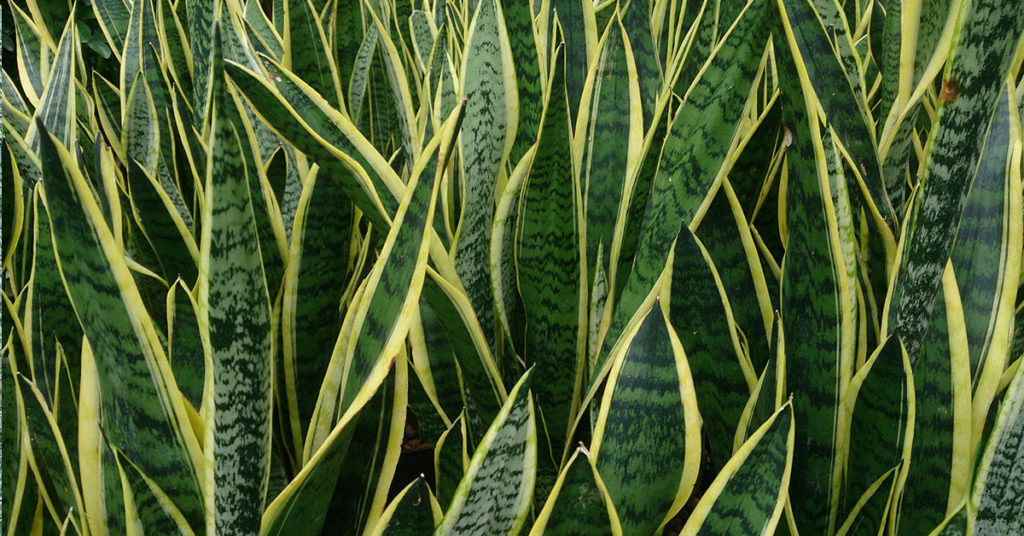
Arranging your indoor succulent garden thoughtfully can enhance both its aesthetic appeal and the health of your plants. Start by grouping succulents with similar light and water requirements together, creating a cohesive and manageable setup. Using stylish containers that complement your home décor not only makes your succulents easily accessible but also adds a touch of elegance to your living space. For example, placing taller succulents like the Snake Plant alongside shorter varieties like the Echeveria creates a visually appealing and dynamic arrangement that highlights the unique characteristics of each plant.
Vertical gardening techniques can also be incredibly effective for maximizing space, especially in smaller homes or apartments. Installing wall-mounted shelves or using tiered plant stands allows you to grow a variety of succulents without taking up valuable countertop space. This approach not only keeps your succulents organized and easily accessible but also creates a stunning green display that brightens up any room. By carefully arranging your succulent garden, you can create a beautiful and efficient space that supports healthy plant growth and enhances the overall ambiance of your home during the winter months!
Pruning and Maintenance
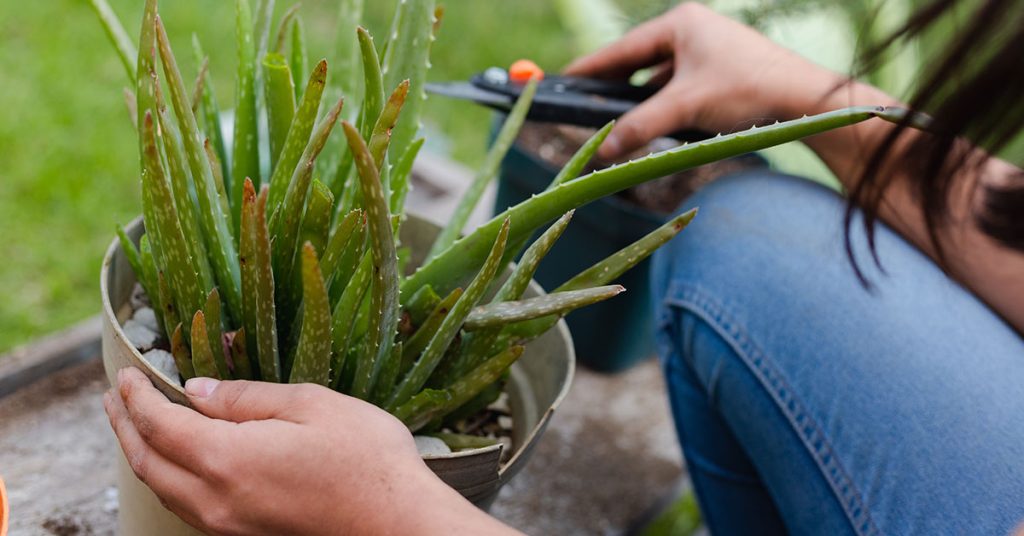
Regular pruning and maintenance are vital for sustaining the health and appearance of your indoor succulent garden. Pruning helps remove dead or yellowing leaves, encouraging new growth and preventing potential pest infestations. It also helps maintain the desired shape and size of your succulents, ensuring they remain well-proportioned and aesthetically pleasing. For example, trimming the tips of Echeverias promotes bushier growth and prevents the plant from becoming leggy during the slower winter growth period.
In addition to pruning, keeping your succulents clean is essential for optimal health. Dust and debris can block light absorption and harbor pests, so gently wiping your plants with a damp cloth helps keep their leaves clean and efficient at photosynthesis. Regularly inspecting your succulents for signs of stress or disease allows you to address issues promptly, preventing them from spreading and causing further damage. By incorporating consistent pruning and maintenance routines, you ensure that your indoor succulent garden remains vibrant, healthy, and ready to flourish as spring approaches!
Creating a Terrarium for Succulents
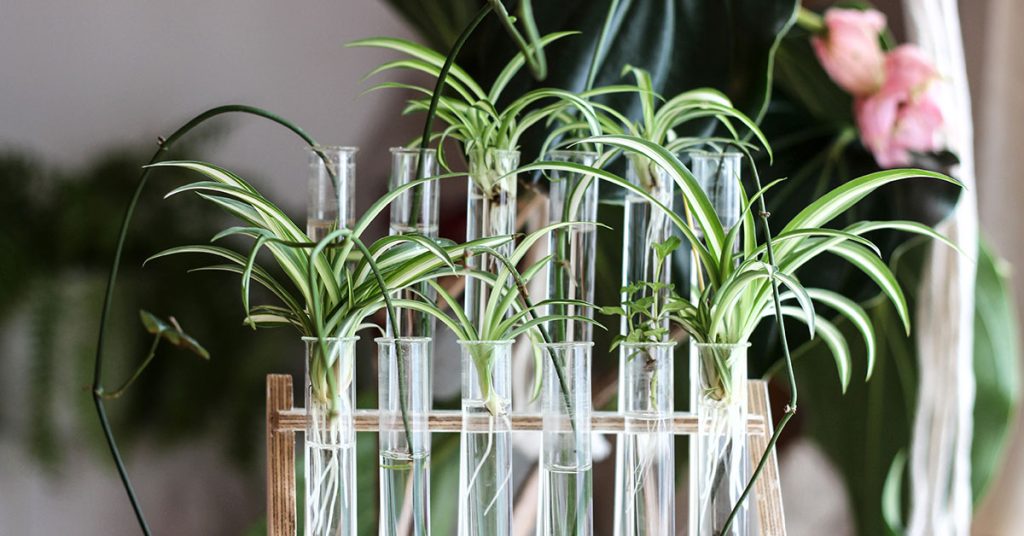
Terrariums offer a charming and compact way to showcase your succulents, especially during the winter months when space may be limited. Using glass containers, you can create a miniature greenhouse environment that protects your succulents from the dry indoor air while providing a beautiful focal point for any room. Start by selecting clear glass containers such as mason jars, fish bowls, or specialized terrarium vessels. Layer the bottom with pebbles for drainage, followed by activated charcoal to keep the environment fresh. Add a layer of well-draining succulent soil and carefully arrange your succulent plants inside.
Plants like the Haworthia and Echeveria are perfect for terrarium settings due to their compact size and diverse shapes. These succulents, native to regions in South Africa, thrive in the enclosed space of a terrarium, where humidity levels are slightly higher and light is plentiful. Incorporating decorative elements such as small stones, sand, or miniature figurines can enhance the visual appeal of your terrarium, creating a personalized and enchanting indoor garden display. Terrariums not only provide a stunning visual addition to your home but also create a nurturing microenvironment that supports the growth and resilience of your succulents throughout the winter season!