

As the vibrant colors of fall begin to fade and the chill of winter sets in, indoor gardeners often find themselves facing a new set of challenges. Transitioning your garden from the bustling activity of fall to the quieter months of winter requires thoughtful adjustments to ensure your plants remain healthy and thriving. It’s such a bummer when your favorite houseplants start to show signs of stress as the days grow shorter and temperatures drop, but with the right strategies, you can keep your indoor garden lush and vibrant all season long.
Embracing the change from fall to winter gardening opens up opportunities to explore new plant varieties and care techniques that suit the colder months. Whether you’re looking to protect delicate plants from the harsh indoor environment or introduce hardy species that flourish in lower light, this transition can be both exciting and rewarding. Let’s delve into the essential steps and expert tips that will help you seamlessly shift your indoor garden into winter, ensuring your plants continue to bring beauty and life into your home even when the weather outside is frosty!
Adjusting Watering Routines

One of the most crucial adjustments when transitioning your indoor garden from fall to winter is modifying your watering schedule. During the colder months, plants typically enter a period of slower growth, reducing their water needs. Overwatering can be a common mistake, leading to root rot and other moisture-related issues. To prevent this, allow the top inch of soil to dry out between waterings, and consider using a moisture meter to accurately gauge when your plants need a drink. This simple change can make a significant difference in maintaining healthy roots and vibrant foliage!
Different plants have varying watering requirements, so understanding the specific needs of each species in your indoor garden is essential. For instance, the Snake Plant (Sansevieria trifasciata), native to West Africa, prefers its soil to dry out completely between waterings, making it a low-maintenance choice for winter. On the other hand, the Peace Lily (Spathiphyllum), native to tropical regions of the Americas, enjoys consistently moist soil and higher humidity levels. By tailoring your watering routine to match the unique needs of each plant, you can ensure that your indoor garden remains robust and resilient throughout the winter months!
Enhancing Air Circulation
Proper air circulation is essential for preventing mold, mildew, and other fungal issues that can arise during the damp winter months. Stagnant air creates a breeding ground for pathogens that harm your plants, so ensuring good airflow around your indoor garden is crucial. Using a small fan to circulate air can help maintain a healthy environment and reduce the risk of disease. Additionally, spacing your plants appropriately allows for better air movement, ensuring that each plant receives adequate ventilation.
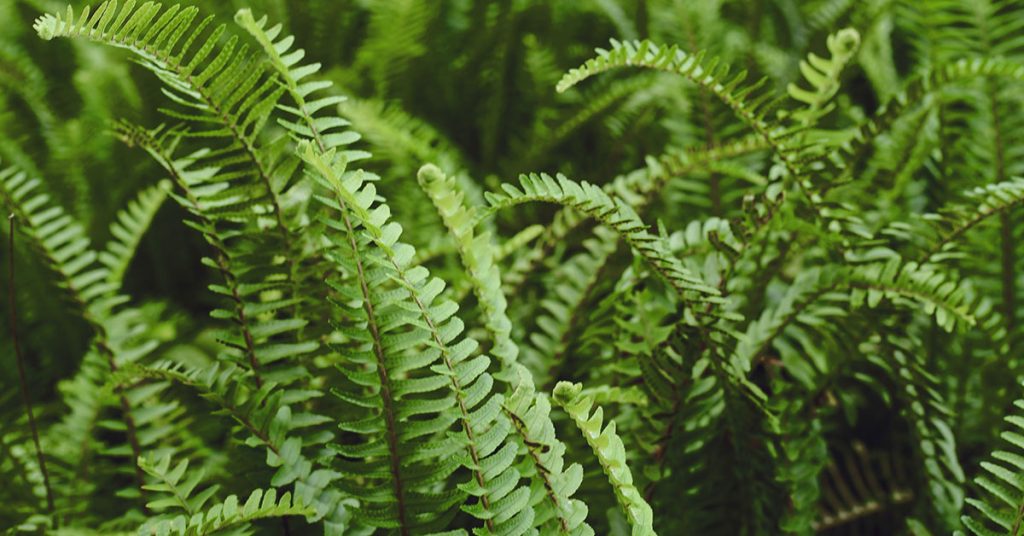
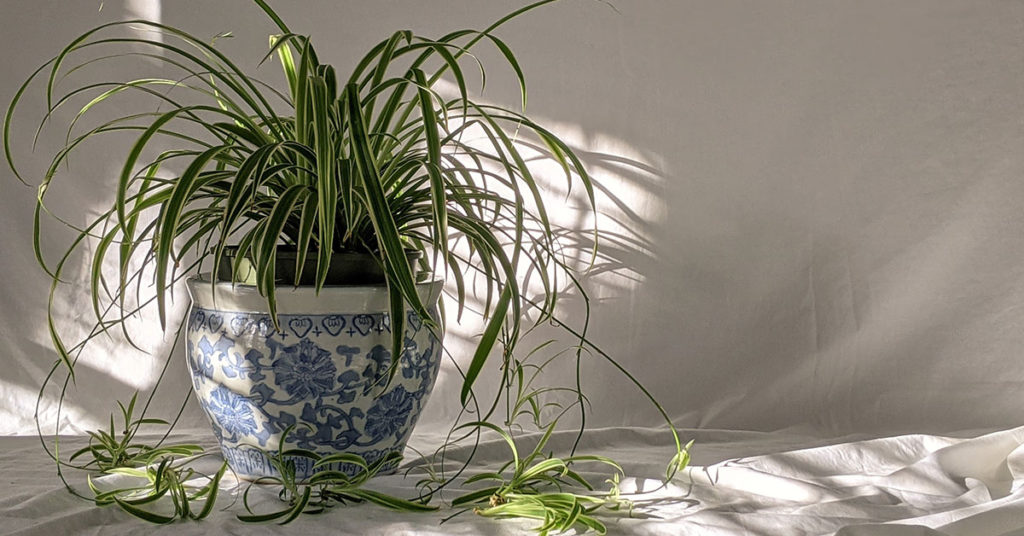
Certain plants, like the Boston Fern (Nephrolepis exaltata), native to tropical regions, thrive in environments with high humidity and good air circulation. These ferns add a lush, feathery texture to your indoor garden while benefiting from the enhanced airflow that prevents fungal growth. Similarly, the Spider Plant (Chlorophytum comosum), native to South Africa, is known for its ability to improve air quality and tolerate a range of air conditions, making it a resilient choice for winter indoor gardening. By prioritizing air circulation, you create a healthier and more resilient indoor garden that withstands the challenges of the winter season!
Selecting Winter-Friendly Plants

Choosing the right plants is a fundamental step in transitioning your indoor garden from fall to winter. Opt for species that are well-suited to lower light levels and cooler indoor temperatures. The ZZ Plant (Zamioculcas zamiifolia), native to Eastern Africa, is incredibly resilient and thrives in low-light environments without becoming invasive. Its glossy, hearty leaves add a touch of elegance to any indoor space, making it a perfect addition to your winter garden. Another excellent choice is the Cast Iron Plant (Aspidistra elatior), native to the shaded understories of East Asian forests, known for its ability to withstand neglect and low light conditions.
Incorporating flowering plants that bloom during the winter can also bring color and life to your indoor garden. The Christmas Cactus (Schlumbergera bridgesii), native to the rainforests of Brazil, produces stunning blooms in shades of red, pink, and white, adding a festive touch to your home. Orchids (Orchidaceae), with their exotic and delicate flowers, thrive in the controlled environment of an indoor winter garden, showcasing their stunning blooms even in the depths of winter. These plants are non-invasive and perfect for creating a vibrant and diverse indoor garden that remains lively and beautiful throughout the colder months!
Managing Temperature and Humidity

Maintaining the right temperature and humidity levels is crucial for the success of your indoor winter garden. Most indoor plants prefer a temperature range between 65-75°F (18-24°C) during the day and slightly cooler at night. Avoid placing your plants near drafts, heating vents, or cold windows, as extreme temperature fluctuations can stress the plants and inhibit their growth. Consistent temperatures help your plants thrive, ensuring they remain healthy and productive throughout the winter months.
Humidity is another important factor to consider, as dry indoor air can lead to brittle leaves and hinder plant growth. To maintain adequate humidity levels, you can use a humidifier or place a tray filled with water and pebbles near your plant containers. Grouping your plants together can also create a microenvironment with higher humidity, benefiting all the plants simultaneously. Regularly misting your plants with water can provide a temporary boost in humidity, helping to keep your plants lush and vibrant even in the driest winter conditions. By carefully managing temperature and humidity, you create an optimal growing environment that supports the health and beauty of your indoor garden throughout the winter season!
Protecting Plants from Pests
It’s such a bummer when pests like spider mites or aphids invade your indoor garden, especially during winter when plants are already stressed by environmental changes. Pests thrive in dry conditions and can quickly spread, causing significant damage to your beloved plants. Regularly inspecting your plants for signs of pests, such as discolored leaves or sticky residues, is crucial for early detection and control. Introducing natural pest control methods, like neem oil or insecticidal soap, can effectively manage infestations without harming your plants.
Maintaining a clean gardening environment is another key strategy to prevent pests. Remove fallen leaves and debris from your plant pots and surrounding areas to eliminate potential hiding spots for pests. Ensuring proper air circulation around your plants by avoiding overcrowding can also reduce the likelihood of pest infestations. Plants like the Spider Plant (Chlorophytum comosum), native to South Africa, are not only resilient but also naturally repel certain pests, making them excellent additions to your indoor garden. By staying vigilant and proactive, you can enjoy a pest-free indoor garden that remains healthy and thriving throughout the winter!
Adjusting Light Requirements

As the days grow shorter and light becomes scarce, adjusting your indoor garden’s lighting is essential for plant health during winter. Many plants require ample light for photosynthesis, and without sufficient light, they may become leggy, weak, or fail to bloom. Positioning your plants near south-facing windows where they can receive the most sunlight is ideal. If natural light is limited, supplementing with artificial grow lights can ensure your plants receive the necessary light spectrum to thrive.
Understanding the specific light needs of each plant species is crucial for optimizing their growth. For example, the Fiddle Leaf Fig (Ficus lyrata), native to the rainforests of Western Africa, prefers bright, indirect light and can benefit greatly from supplemental lighting during winter. On the other hand, the ZZ Plant (Zamioculcas zamiifolia) thrives in low-light conditions and may require less artificial lighting. By tailoring your lighting setup to match each plant’s unique requirements, you can create a well-lit environment that supports robust growth and vibrant foliage, ensuring your indoor garden remains lush and lively throughout the winter months!
Pruning and Maintenance
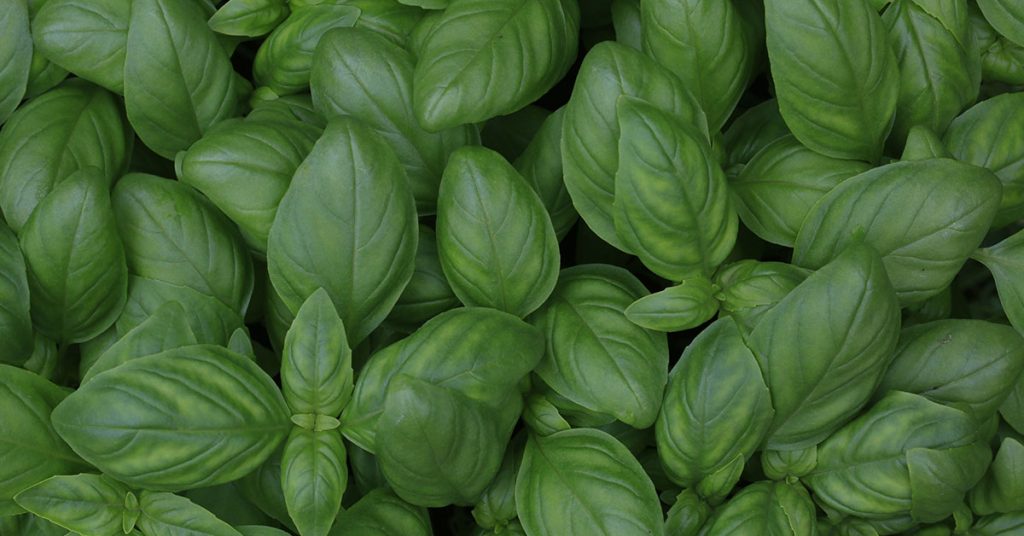
Regular pruning and maintenance are vital for sustaining the health and appearance of your indoor winter garden. Pruning helps remove dead or yellowing leaves, encouraging new growth and preventing potential pest infestations. It also helps maintain the desired shape and size of your plants, ensuring they remain well-proportioned and aesthetically pleasing. For instance, trimming the tips of Basil (Ocimum basilicum), native to tropical regions of Asia, promotes bushier growth and prevents the plant from becoming leggy during the slower winter growth period.
In addition to pruning, keeping your plants clean is essential for optimal health. Dust and debris can block light absorption and harbor pests, so gently wiping your plants with a damp cloth helps keep their leaves clean and efficient at photosynthesis. Regularly inspecting your plants for signs of stress or disease allows you to address issues promptly, preventing them from spreading and causing further damage. By incorporating consistent pruning and maintenance routines, you ensure that your indoor garden remains vibrant, healthy, and ready to bounce back with renewed vigor as spring approaches!
Repotting and Soil Management
Winter can be an ideal time to repot your indoor plants, especially if they have outgrown their current containers or if the soil has become compacted. Repotting provides fresh soil, which replenishes essential nutrients and improves drainage, promoting healthier root systems. When selecting new pots, choose containers that offer adequate drainage and are slightly larger than the current ones to allow for growth. Use high-quality potting mix tailored to the specific needs of your plants to ensure optimal soil conditions.
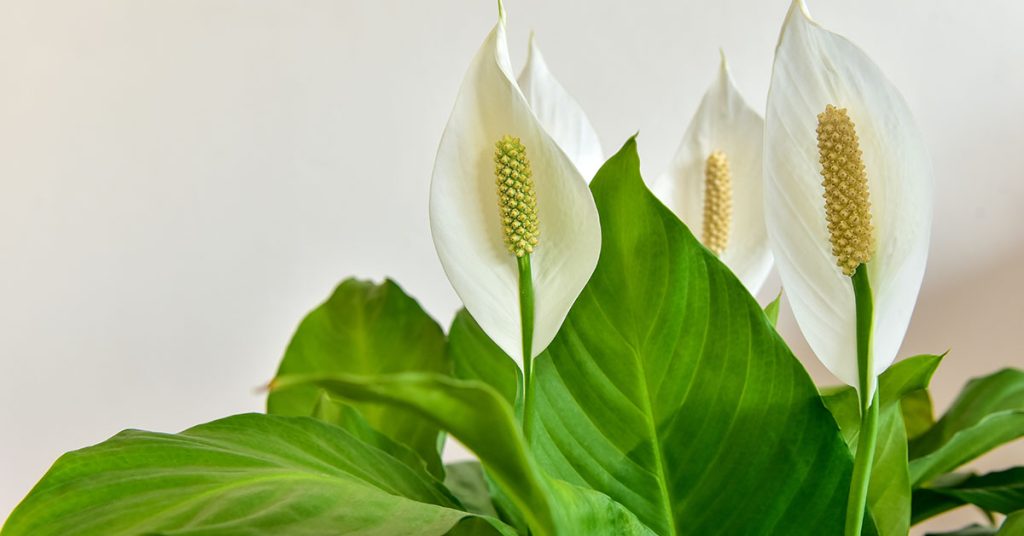
Understanding the soil preferences of each plant is crucial for effective soil management. For example, Succulents, native to arid regions like North America and Africa, require well-draining soil with a higher sand content to prevent root rot. In contrast, the Peace Lily (Spathiphyllum), native to tropical regions of the Americas, thrives in rich, moisture-retentive soil that supports its lush, green leaves and elegant white blooms. By regularly assessing and managing your soil, you create a nurturing environment that supports robust plant growth and resilience, ensuring your indoor garden remains healthy and vibrant throughout the winter season!
Using Supplemental Lighting
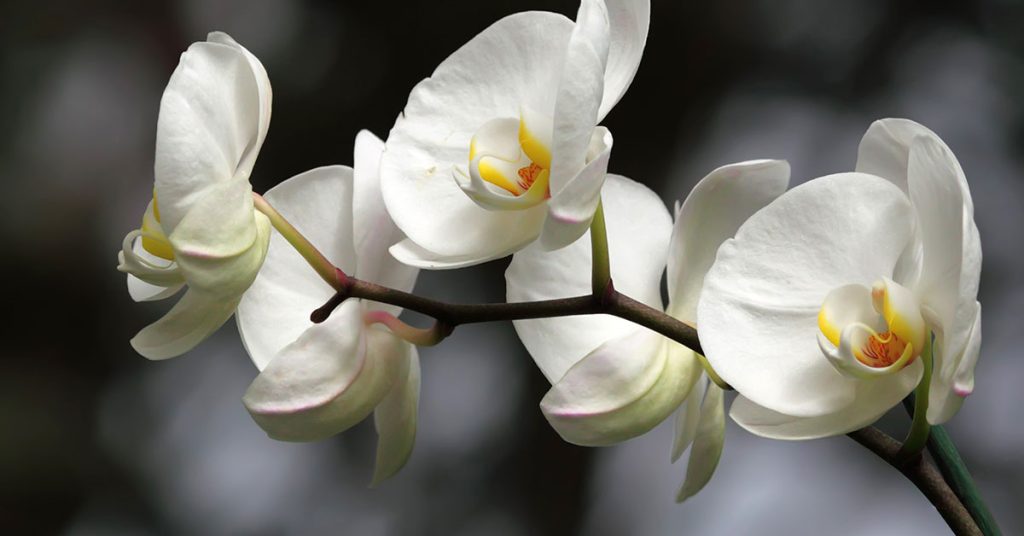
Supplemental lighting is a game-changer for indoor gardens during the winter months when natural light is insufficient. Installing LED grow lights can provide the full spectrum of light your plants need for photosynthesis, promoting healthy growth and vibrant foliage. These lights are energy-efficient and can be adjusted to meet the specific light requirements of different plant species. Positioning grow lights above your plants ensures even light distribution, preventing any single plant from becoming leggy or weak.
Choosing the right type of grow light is essential for maximizing plant health. Full-spectrum LED lights are particularly effective as they mimic natural sunlight, supporting a wide range of plant processes from photosynthesis to flowering. Plants like the Orchid (Orchidaceae), native to various parts of the world, benefit greatly from supplemental lighting, as it encourages blooming even in the darkest winter months. Additionally, the Herb Garden can thrive under grow lights, providing fresh flavors for your winter cooking. By incorporating supplemental lighting into your indoor garden setup, you ensure that your plants receive the necessary illumination to stay healthy and productive, transforming your home into a thriving green sanctuary all winter long!
Fertilizing for Winter Growth
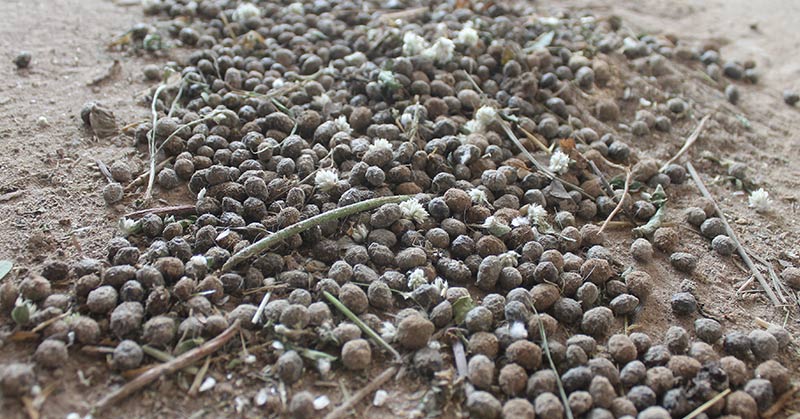
Fertilizing your indoor plants during the winter months is essential for maintaining their health and promoting robust growth, even when they are not in their peak growing season. Using a balanced, water-soluble fertilizer every six weeks provides the necessary nutrients without overwhelming the plants. Organic options, such as compost tea or fish emulsion, are excellent choices as they offer a steady release of nutrients that support overall plant health without the risk of over-fertilization.
Different plants have varying nutritional needs, so understanding the specific requirements of each species in your indoor garden is crucial. For example, Basil (Ocimum basilicum), native to tropical regions of Asia, benefits from higher nitrogen levels to support lush, green foliage. Flowering plants like the African Violet (Saintpaulia), native to East Africa, require a balanced fertilizer to encourage vibrant blooms and healthy growth. By tailoring your fertilizing routine to match each plant’s unique needs, you can ensure that your indoor garden remains vibrant and productive throughout the winter months, providing you with beautiful and healthy plants ready to flourish as spring arrives!
Transitioning Plant Placement

As winter approaches, transitioning the placement of your indoor plants can help them adapt to the changing environment and thrive despite the colder temperatures. Moving plants closer to windows ensures they receive maximum available light, while relocating those that require less light to shadier areas can prevent them from becoming stressed. Additionally, consider the heat sources in your home, such as radiators or fireplaces, and position your plants away from these areas to avoid overheating and drying out.
Understanding the light patterns and temperature fluctuations in your home allows you to create optimal conditions for each plant species. For example, the Peace Lily (Spathiphyllum) thrives in bright, indirect light and should be placed near windows where it can receive ample illumination without being exposed to direct sunlight, which can scorch its delicate leaves. Conversely, the ZZ Plant (Zamioculcas zamiifolia) prefers lower light conditions and can be moved to a more shaded area without compromising its health. By thoughtfully transitioning your plant placements, you create a balanced indoor garden environment that supports the unique needs of each plant, ensuring they remain healthy and vibrant throughout the winter season!