

As the seasons change, so do the opportunities to transform your garden into a vibrant and ever-evolving sanctuary. Incorporating seasonal decorations not only enhances the aesthetic appeal of your outdoor space but also celebrates the unique beauty each season brings. Whether it’s the blooming flowers of spring, the lush greenery of summer, the fiery hues of autumn, or the serene whites of winter, seasonal decorations can make your garden a dynamic and inviting place all year round. It’s such a joy to see your garden reflect the passage of time, each season adding its own charm and character!
I completely understand how challenging it can be to keep your garden looking fresh and exciting throughout the year. You might be wondering how to seamlessly transition your decorations from one season to the next without overwhelming your space. But fear not! With a bit of creativity and strategic planning, you can effortlessly incorporate seasonal decorations that highlight the best features of your garden while supporting local wildlife. Let’s explore some of the best practices and ideas for infusing your garden with seasonal beauty, making it a stunning and welcoming haven no matter the time of year!
Seasonal Plantings and Annuals
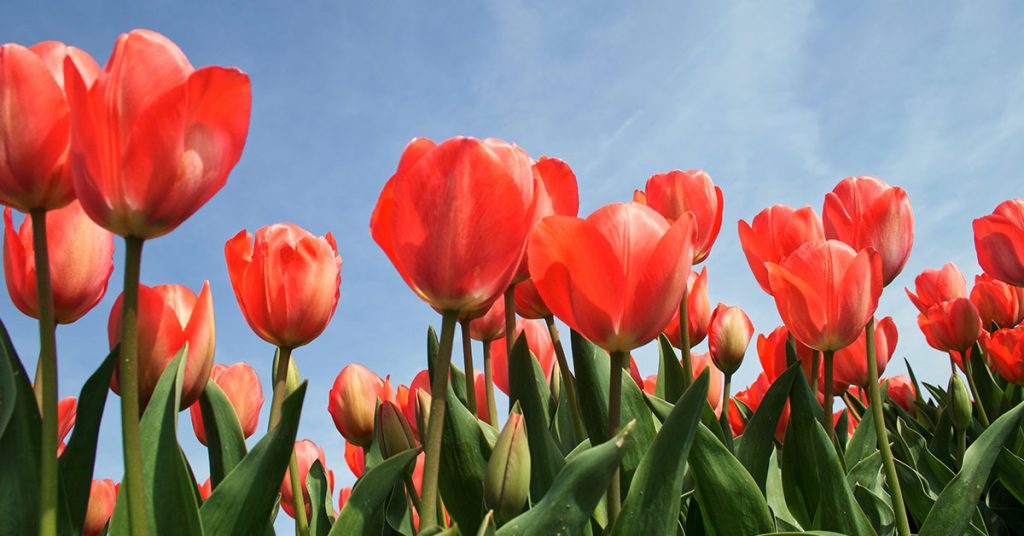
One of the most effective ways to incorporate seasonal decorations into your garden is through the strategic planting of seasonal flowers and annuals. Each season offers a unique palette of colors and textures that can be used to create visually stunning displays. For example, in spring, planting tulips, daffodils, and hyacinths can bring vibrant bursts of color as they emerge from the ground after winter. These bulbs are native to various regions—tulips hail from Central Asia, daffodils are native to Europe, and hyacinths originate from the Mediterranean—and they are not considered invasive, making them perfect for adding seasonal flair without disrupting your garden’s natural balance.
In summer, lush annuals like marigolds, petunias, and zinnias thrive, providing continuous blooms and attracting pollinators such as bees and butterflies. These plants not only add intense color but also support a healthy garden ecosystem by serving as food sources for beneficial insects. As autumn approaches, switch to chrysanthemums, asters, and ornamental kale to maintain a rich tapestry of colors ranging from deep reds and oranges to bright yellows and purples. These hardy plants are also non-invasive and can withstand cooler temperatures, ensuring your garden remains lively and colorful well into the fall. By carefully selecting and rotating seasonal plantings, you create a dynamic and ever-changing garden that celebrates each season’s unique beauty!
Decorative Garden Lighting

Adding decorative lighting to your garden is a wonderful way to enhance its beauty and functionality during the darker months. Garden lights can highlight architectural features, illuminate pathways, and create a warm, inviting ambiance that extends your garden enjoyment into the evening hours. Solar-powered LED lights are an excellent choice for sustainable garden lighting, as they harness the sun’s energy during the day and automatically illuminate your garden at night. These lights come in various styles, from fairy lights that weave through trees to stake lights that line walkways, providing both practical illumination and aesthetic appeal.
Beyond functionality, garden lighting can attract nocturnal wildlife, such as moths and fireflies, adding another layer of life to your garden after dark. Strategically placing lights near flowering plants can enhance their visibility and highlight their intricate details, creating stunning nighttime displays. Additionally, incorporating motion-sensor lights can provide added security by deterring unwanted visitors while ensuring that your garden remains a safe and enjoyable space. By thoughtfully integrating decorative lighting, you transform your garden into a magical retreat that shines brightly and warmly throughout the winter months!
Garden Art and Ornaments
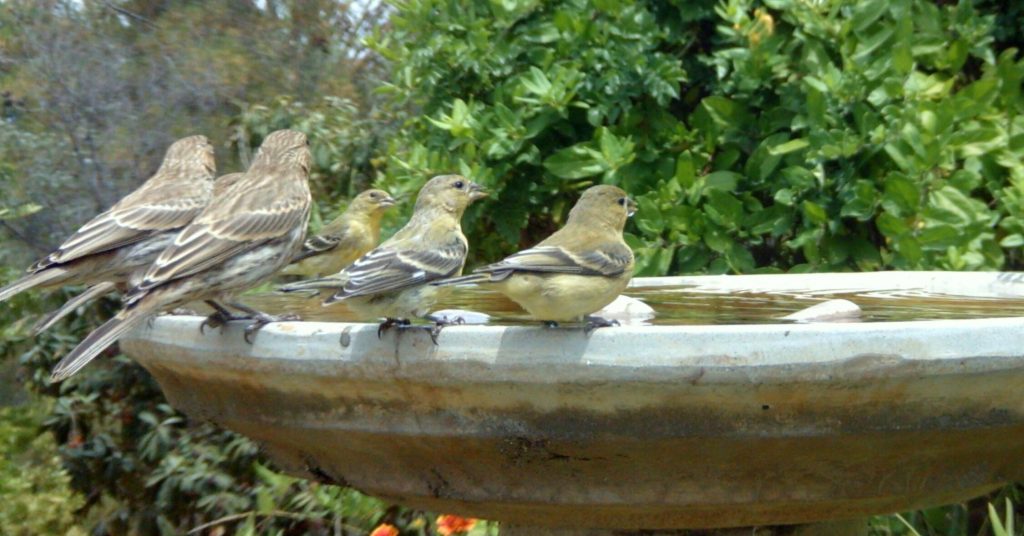
Incorporating garden art and ornaments is a fantastic way to add personality and unique character to your outdoor space. From whimsical sculptures and colorful wind chimes to elegant fountains and artistic birdbaths, garden art can serve as focal points that draw the eye and spark conversation. Choosing decorations that complement the natural elements of your garden, such as stone statues that blend with rocky paths or metal sculptures that catch the light, enhances the overall aesthetic without overwhelming the space. It’s such a fun and creative way to express your personal style and make your garden truly your own!
Moreover, garden ornaments can play a role in attracting and supporting local wildlife. For example, birdbaths and birdhouses not only add decorative appeal but also provide essential water sources and nesting sites for birds. Sculptures designed to mimic natural elements, like rocks or logs, can offer shelter and habitats for small creatures, contributing to a thriving garden ecosystem. By thoughtfully selecting and placing garden art, you create a harmonious blend of beauty and functionality that enriches your garden’s environment and supports the diverse life it harbors. Embrace the artistic side of gardening and watch as your garden becomes a stunning showcase of creativity and natural harmony!
Mulch and Natural Materials

Using mulch and natural materials is a sustainable way to incorporate seasonal decorations into your garden while also providing essential benefits to your plants and soil. Mulch, such as shredded leaves, straw, or wood chips, not only enhances the visual appeal of your garden beds by adding texture and color but also helps retain soil moisture, suppress weeds, and regulate soil temperature. In winter, a layer of mulch acts as insulation, protecting plant roots from freezing temperatures and preventing frost heave that can damage your garden structure. It’s such a practical and eco-friendly decoration that supports the health and longevity of your garden!
In addition to mulch, incorporating natural materials like pinecones, driftwood, and rocks can add rustic charm and seasonal interest to your garden. Pinecones can be used as mulch, added to wreaths, or arranged in decorative bowls to bring a touch of winter woodland to your space. Driftwood and stones can be strategically placed along pathways or as standalone art pieces, providing a naturalistic aesthetic that blends seamlessly with the surrounding environment. By using mulch and natural materials, you create a cohesive and sustainable garden design that not only looks beautiful but also supports the ecological balance of your outdoor space. It’s such a harmonious way to celebrate the beauty of winter while nurturing your garden’s health!
Seasonal Containers and Planters

Seasonal containers and planters offer a flexible and creative way to incorporate seasonal decorations into your garden. By changing the contents of your containers with the seasons, you can keep your garden looking fresh and dynamic throughout the year. In winter, opt for containers with hardy plants like winter pansies, cyclamen, or ornamental cabbage, which add pops of color and texture against the snowy backdrop. These plants are typically non-invasive and well-suited to container gardening, making them ideal for adding seasonal flair without taking over your garden beds.
Additionally, containers provide an excellent opportunity to experiment with different styles and arrangements, allowing you to personalize your garden’s appearance. Incorporating decorative elements such as seasonal figurines, fairy lights, or metallic accents can enhance the visual appeal of your planters, making them standout features even in the depths of winter. By thoughtfully selecting and arranging seasonal containers, you create versatile and eye-catching displays that bring continuous beauty and interest to your garden. It’s such a versatile and enjoyable way to keep your outdoor space vibrant and inviting, no matter the season!
Utilizing Natural Elements

Incorporating natural elements like branches, logs, and stones into your garden decorations is a wonderful way to enhance the seasonal beauty of your outdoor space. These materials can be used to create rustic arrangements, build garden structures, or simply add texture and interest to your garden beds. For instance, strategically placed branches can serve as trellises for climbing plants or as elegant supports for hanging ornaments. Logs and stones can be used to create natural stepping stones, decorative borders, or focal points that draw the eye and add depth to your garden design.
Moreover, natural elements play a vital role in supporting wildlife and maintaining the ecological balance of your garden. Fallen branches and logs provide essential habitats for insects, fungi, and small animals, while stones can offer shelter and basking spots for reptiles and amphibians. Incorporating these elements into your garden not only enhances its aesthetic appeal but also fosters a more sustainable and wildlife-friendly environment. By embracing natural materials, you create a harmonious and resilient garden that celebrates the beauty of the seasons while supporting the diverse life that inhabits it. It’s such a fulfilling way to blend art with nature, making your garden a true reflection of the natural world!
Creating Themed Garden Displays

Creating themed garden displays is a fantastic way to celebrate different seasons and holidays, adding a touch of festivity and creativity to your outdoor space. Whether it’s a cozy winter wonderland, a vibrant spring fairy garden, or a spooky Halloween setup, themed displays can transform your garden into a magical and engaging environment. These themed arrangements often incorporate a mix of plants, decorations, and natural elements that reflect the essence of the season or holiday, providing a cohesive and visually appealing focal point for your garden.
Additionally, themed garden displays offer opportunities to engage with your garden in a more playful and imaginative way. For example, a winter-themed display might include evergreen branches, pinecones, and fairy lights, creating a serene and enchanting atmosphere. A Halloween-themed setup could feature carved pumpkins, spooky sculptures, and dark-colored flowers, adding a touch of whimsy and fun. By designing themed displays, you not only enhance the visual interest of your garden but also create memorable experiences for yourself and your guests. It’s such a creative and enjoyable way to infuse your garden with personality and seasonal charm, making it a delightful space to enjoy throughout the year!