

As the leaves change color and the air turns crisp, many gardeners face the challenge of keeping their gardens productive through the winter months. But don’t let the cold deter you! Growing winter vegetables is not only possible but can also be incredibly rewarding, providing fresh, nutritious produce when you need it most. From hearty kale and robust Brussels sprouts to resilient carrots and flavorful leeks, there’s a variety of vegetables that thrive in the colder season, ensuring your garden remains vibrant and bountiful even as temperatures drop.
I completely understand the frustration of watching your garden slow down as winter approaches. It’s such a bummer when the hustle and bustle of planting and harvesting seem to come to a halt. However, with the right selection of winter-hardy vegetables and a bit of extra care, you can extend your growing season and enjoy fresh flavors year-round. Let’s dive into some of my favorite winter vegetables, exploring their unique characteristics, growing tips, and the benefits they bring to your winter garden!
Brussels Sprouts
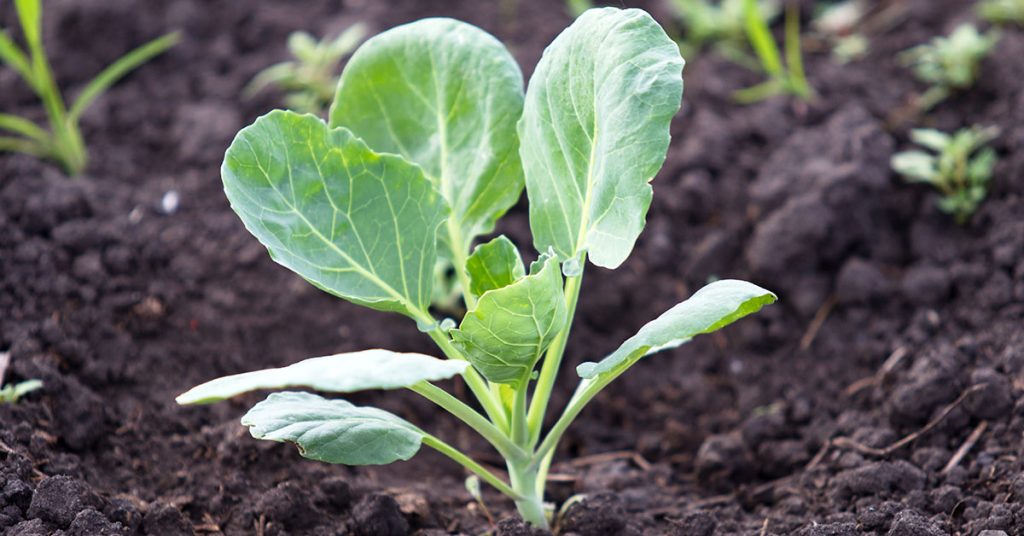
Brussels sprouts are a winter favorite, celebrated for their ability to thrive in cold weather and even sweeter flavor after exposure to frost. Native to the Mediterranean region, Brussels sprouts are a member of the Brassica family, closely related to cabbages and kale. Their tall stalks, adorned with compact buds, add both height and texture to your winter garden, creating a stunning visual display. These resilient plants can withstand frost and snow, making them perfect for late fall planting and ensuring a hearty harvest through the winter months.
One of the standout benefits of Brussels sprouts is their ability to attract beneficial insects, such as ladybugs and lacewings, which help control pest populations naturally. Additionally, their dense foliage provides shelter for various garden wildlife, fostering a balanced and thriving ecosystem. Brussels sprouts are generally not considered invasive, allowing them to integrate seamlessly into your garden without disrupting local plant communities. By incorporating Brussels sprouts into your winter gardening repertoire, you not only enjoy delicious, nutrient-rich vegetables but also support a healthy and sustainable garden environment!
Kale
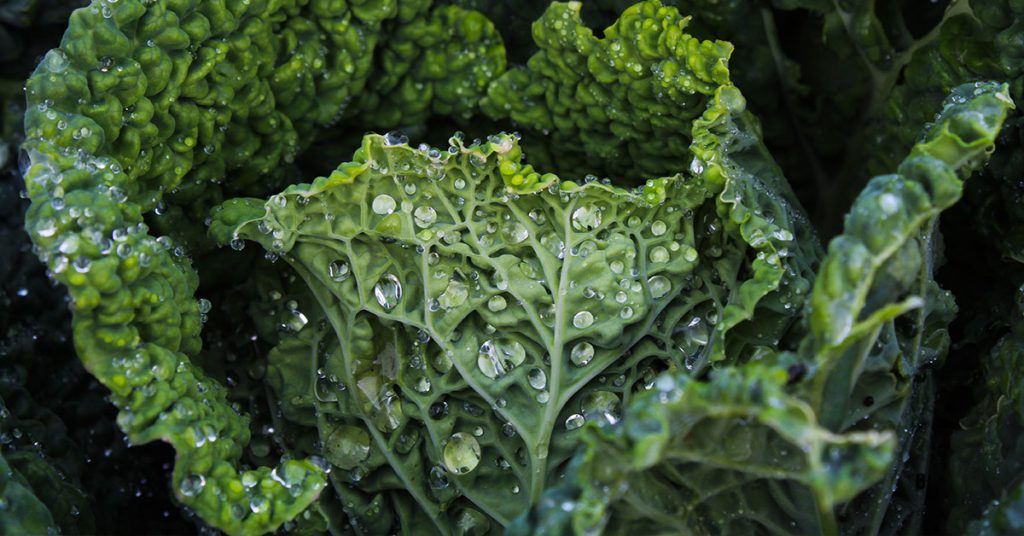
Kale is one of my absolute favorite winter vegetables, beloved for its incredible versatility and robust flavor. Originating from the eastern Mediterranean and Asia Minor, kale is a hardy leafy green that thrives in cool temperatures, becoming even more tender and flavorful after a light frost. Its deep green, curly leaves are packed with vitamins, minerals, and antioxidants, making it a powerhouse addition to any winter diet. Whether you sauté it, blend it into smoothies, or add it to soups, kale’s hearty texture and rich taste make it a staple in winter kitchens.
Beyond its culinary benefits, kale plays a crucial role in maintaining soil health. Its extensive root system helps improve soil structure and increase water retention, providing a stable foundation for other plants. Kale also attracts beneficial pollinators and insects, contributing to a balanced garden ecosystem. Native to regions with cooler climates, kale is not considered invasive, ensuring it remains a sustainable and eco-friendly choice for your winter garden. Embracing kale not only enhances your garden’s productivity but also supports your overall well-being with its impressive nutritional profile!
Carrots

Carrots are a fantastic choice for winter gardening, offering sweet, crunchy roots that are perfect for a variety of dishes. Native to Afghanistan, carrots are a root vegetable that can be planted in late summer or early fall for a winter harvest. Their ability to store sugars as temperatures drop results in a natural sweetness, making them a delicious addition to stews, roasts, and salads. Carrots thrive in well-drained, loose soil, allowing their long roots to grow straight and strong, ensuring a bountiful harvest even in the coldest months.
One of the key advantages of growing carrots in winter is their low maintenance and resilience against pests. Carrots are generally not prone to invasive behavior, making them a safe and sustainable addition to your garden. Additionally, their vibrant orange roots add a pop of color to your garden beds, enhancing the visual appeal of your winter landscape. Carrots also contribute to soil health by breaking up compacted soil and promoting aeration, creating a more hospitable environment for other plants. By incorporating carrots into your winter garden, you enjoy both their culinary delights and their positive impact on your garden’s ecosystem!
Leeks

Leeks are a superb winter vegetable, valued for their mild onion flavor and impressive size. Native to the Mediterranean region, leeks are a member of the Allium family, closely related to onions and garlic. They are incredibly hardy, capable of withstanding frost and continuing to grow even under snow cover. Leeks are perfect for late fall planting, as their long stems and thick white bulbs develop rich flavors during the colder months. They are a versatile ingredient in soups, stews, and sautés, adding depth and aroma to your winter meals.
In addition to their culinary uses, leeks are beneficial for the garden ecosystem. They repel certain pests, such as aphids and carrot flies, making them an excellent companion plant for other vegetables. Leeks are not considered invasive, ensuring they remain a sustainable and eco-friendly choice for your winter garden. Their ability to improve soil structure and increase organic matter helps create a fertile environment for other plants, enhancing overall garden health. By growing leeks in winter, you not only enrich your kitchen with their delightful flavors but also support a balanced and thriving garden ecosystem!
Cabbage
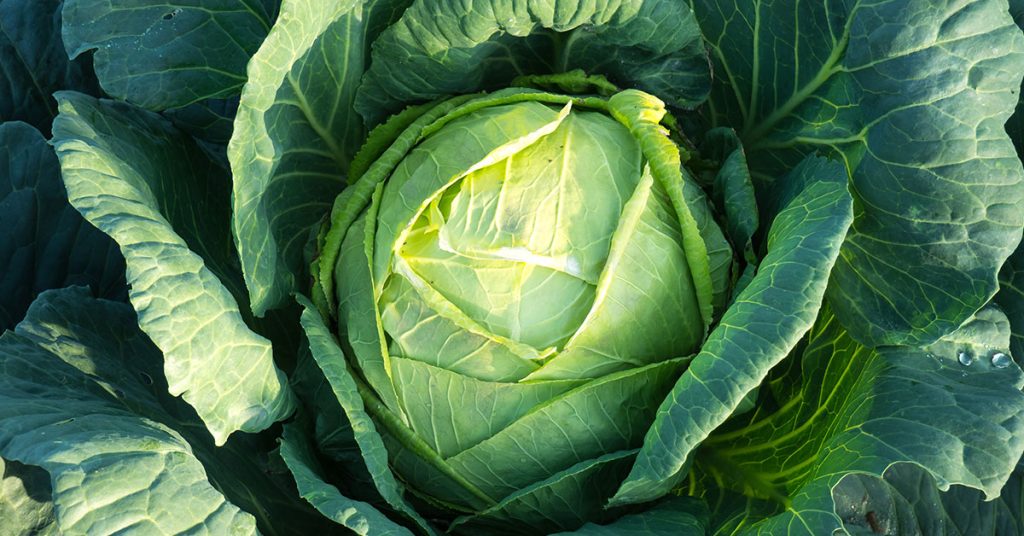
Cabbage is a classic winter vegetable, known for its dense, leafy heads and versatility in the kitchen. Native to Europe, cabbage thrives in cool weather, making it an ideal candidate for late fall planting and winter harvesting. Its sturdy structure and thick leaves protect the inner buds from frost, ensuring a continuous supply of fresh, crunchy cabbage throughout the winter months. Whether you enjoy it raw in salads, fermented as sauerkraut, or cooked in hearty stews, cabbage is a staple that adds both nutrition and flavor to your winter meals.
Cabbage also plays a significant role in promoting soil health. Its large leaves and robust growth habit help to cover the soil, reducing erosion and retaining moisture. Cabbage attracts beneficial insects like ladybugs and hoverflies, which aid in natural pest control by preying on aphids and other common garden pests. Additionally, cabbage is generally not invasive, allowing it to integrate seamlessly into your garden without disrupting local plant communities. By cultivating cabbage in your winter garden, you enhance both your culinary options and the overall health and sustainability of your garden ecosystem!
Spinach
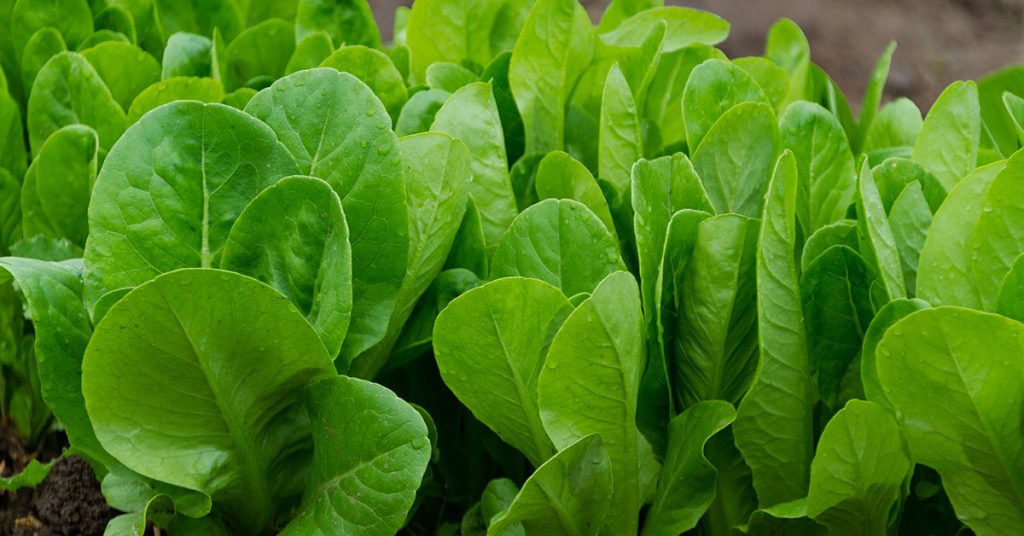
Spinach is an excellent choice for winter gardening, offering tender, nutrient-packed leaves that are perfect for a variety of dishes. Native to central and western Asia, spinach is a leafy green that thrives in cool weather, making it ideal for late fall planting and winter harvesting. Its rapid growth cycle allows you to enjoy fresh spinach leaves well into the colder months, adding a boost of vitamins and minerals to your winter diet. Whether you enjoy it raw in salads, blended in smoothies, or cooked in sautés, spinach’s versatility makes it a favorite among winter vegetables.
In addition to its culinary benefits, spinach contributes to soil health by improving soil structure and increasing organic matter as it decomposes. Spinach attracts beneficial insects such as bees and butterflies, supporting a healthy garden ecosystem and promoting pollination for other plants. It is also not considered invasive, ensuring that it remains a sustainable and eco-friendly addition to your garden. Spinach’s ability to thrive in cooler temperatures with minimal maintenance makes it a resilient and productive choice for your winter garden, providing both delicious flavors and environmental benefits!
Best Practices for Planting Winter Vegetables

Planting winter vegetables requires careful planning and attention to detail to ensure a successful harvest. Start by selecting the right varieties that are specifically bred for cold tolerance and winter hardiness. Prepare your garden beds by enriching the soil with compost or well-rotted manure, which improves soil structure, fertility, and drainage. Plant your winter vegetables at the appropriate depth and spacing, ensuring that each plant has enough room to grow and develop strong root systems. It’s such a satisfying process to see your garden beds prepped and ready for a bountiful winter harvest!
Additionally, consider using protective measures such as row covers, cold frames, or greenhouses to shield your winter vegetables from extreme weather conditions. These structures help to retain heat and moisture, creating a more stable growing environment that supports healthy plant growth. Mulching around your vegetables further insulates the soil, protecting roots from freezing and maintaining consistent moisture levels. By following these best practices, you create an optimal environment for your winter vegetables to thrive, ensuring a productive and vibrant garden even in the coldest months!
Harvesting Techniques for Winter Vegetables

Harvesting winter vegetables requires a delicate balance of timing and technique to maximize yield and maintain plant health. For leafy greens like kale and spinach, regularly harvesting the outer leaves encourages new growth and ensures a continuous supply of fresh foliage. Cut the leaves with clean, sharp scissors or pruning shears, leaving enough of the plant intact to allow it to keep growing. It’s such a rewarding experience to carefully pick each leaf, knowing that you’re fostering a healthy and productive plant that will provide fresh greens throughout the winter!
For root vegetables like carrots and beets, harvesting is typically done once the tops have died back and the roots have reached their full size. Gently loosen the soil around the base of the plant with a garden fork, taking care not to damage the roots as you pull them from the ground. Harvesting at the right time ensures that the vegetables are tender and flavorful, ready to be stored or enjoyed fresh. Proper harvesting techniques not only enhance the quality of your produce but also promote the overall health and longevity of your winter vegetables, ensuring a successful and satisfying harvest season!
Storing Winter Vegetables
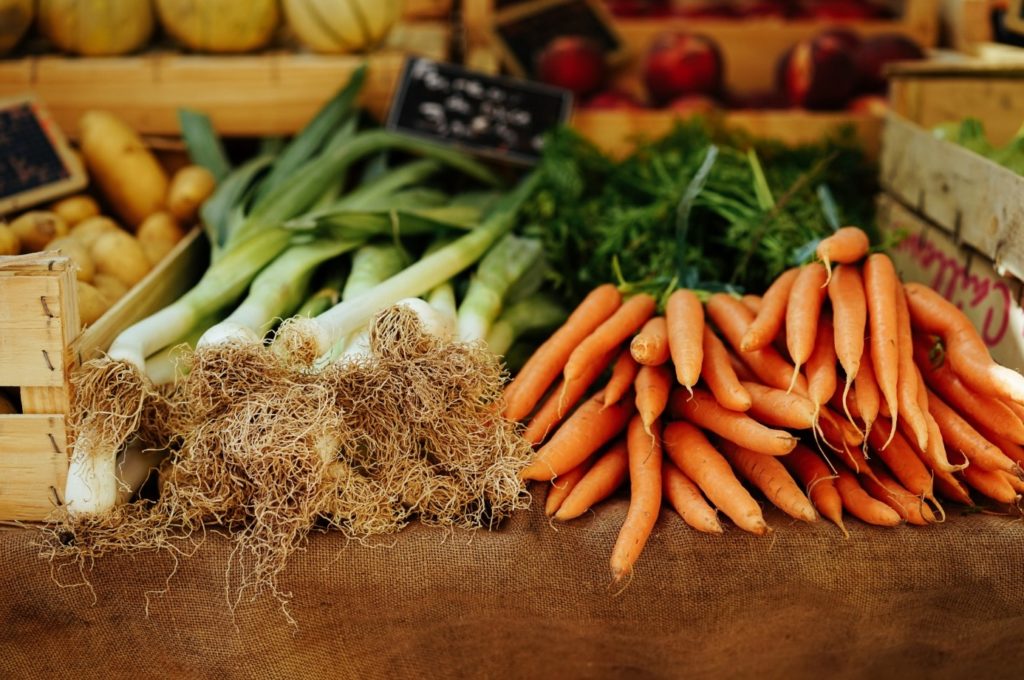
Proper storage is essential for maintaining the quality and longevity of your winter vegetables. Leafy greens like kale and spinach can be stored in the refrigerator by wrapping them in damp paper towels and placing them in perforated plastic bags. This method helps to retain moisture and prevent wilting, ensuring that your greens remain crisp and fresh for weeks. Root vegetables such as carrots and beets are best stored in a cool, dark, and humid environment, such as a root cellar or a refrigerator’s crisper drawer, to prolong their shelf life and maintain their sweetness.
In addition to refrigerated storage, some winter vegetables can be preserved through freezing, canning, or dehydrating, providing you with versatile options for enjoying fresh produce year-round. Blanching vegetables before freezing helps to preserve their color, texture, and nutritional value, making it easy to incorporate them into a variety of dishes throughout the year. Properly storing your winter vegetables not only extends their usability but also reduces food waste, contributing to a more sustainable and efficient kitchen. By implementing effective storage techniques, you ensure that your hard-earned winter harvest remains a source of nourishment and enjoyment long after the garden has gone dormant!
Native Origins and Invasiveness

Understanding the native origins and potential invasiveness of winter vegetables is crucial for maintaining a healthy and sustainable garden ecosystem. Most winter vegetables like kale, Brussels sprouts, and carrots originate from regions with cooler climates, such as the Mediterranean and Europe. These plants have been cultivated for centuries, adapted to thrive in similar environments and contributing to agricultural sustainability through their hardiness and resilience. Their native status ensures that they integrate well into your garden without disrupting local ecosystems, promoting biodiversity and ecological balance.
It’s important to be mindful of any invasive tendencies that certain vegetable varieties might possess. While most common winter vegetables are non-invasive and safe to grow, some hybrids or specific cultivars may have the potential to spread uncontrollably under certain conditions. For example, certain types of kale or Brussels sprouts might reseed themselves if not managed properly, potentially crowding out other plants. By selecting non-invasive varieties and practicing responsible gardening techniques, you ensure that your winter garden remains a harmonious and thriving environment. Embracing native and non-invasive winter vegetables not only supports a sustainable garden but also contributes to the overall health and vitality of your local ecosystem!
Conclusion
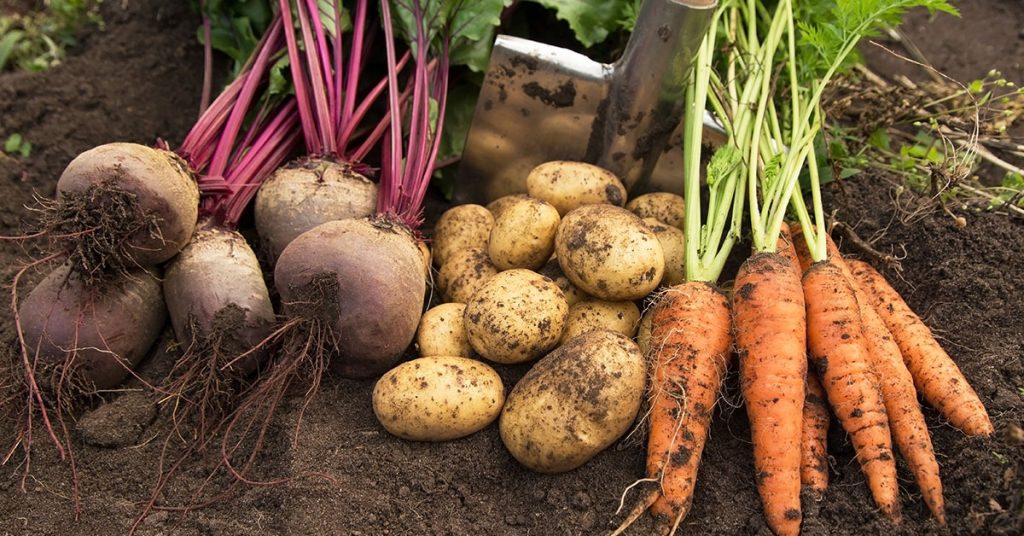
Growing winter vegetables is a fantastic way to extend your gardening season, ensuring that your garden remains productive and vibrant even in the colder months. From the hearty leaves of kale and the robust stalks of Brussels sprouts to the sweet roots of carrots and the flavorful bulbs of leeks, winter vegetables offer a diverse array of options that thrive in cold weather. By selecting the right varieties, following best planting and harvesting practices, and implementing effective storage techniques, you can enjoy a continuous supply of fresh, nutritious produce throughout the winter season.