
As the vibrant hues of autumn fade and winter settles in, gardeners often worry about maintaining the health and vitality of their soil during the colder months. However, winter is a crucial time for nurturing your garden’s foundation, setting the stage for a thriving and bountiful growing season come spring. By understanding and implementing strategies to maintain and improve soil health in winter, you can ensure that your garden remains resilient and productive year after year. Whether you’re a seasoned gardener or just starting out, prioritizing soil health during the dormant season can make a significant difference in the overall success of your garden.
I completely understand the frustration of seeing your garden’s progress stall as the temperatures drop and plants go dormant. It’s such a bummer when all your hard work seems to pause, leaving you wondering how to keep your garden’s soil in top shape. But fear not! With the right techniques and a bit of planning, you can maintain and even enhance your soil’s health throughout the winter months. Let’s explore some of my favorite methods and practices that will help you preserve and improve your garden’s foundation, ensuring a vibrant and flourishing landscape when spring arrives!
Cover Crops

Cover crops are a fantastic way to maintain and enhance soil health during the winter months. These plants, such as clover (Trifolium spp.) and winter rye (Secale cereale), are sown specifically to cover the soil, preventing erosion, suppressing weeds, and adding organic matter. Native to various regions, many cover crops are well-adapted to local climates, making them resilient choices for winter planting. By growing cover crops, you create a living blanket that protects the soil from harsh winter elements while enriching it with nutrients that will benefit your garden in the spring.
Moreover, cover crops play a vital role in fostering a healthy soil ecosystem. They attract beneficial insects and microorganisms that contribute to nutrient cycling and soil structure improvement. For example, legumes like clover fix nitrogen in the soil, reducing the need for chemical fertilizers and promoting sustainable gardening practices. It’s such a joy to see your garden’s soil teeming with life, even in the depths of winter! Plus, cover crops are generally not considered invasive, allowing them to coexist harmoniously with your native plants and maintaining the ecological balance of your garden.
Mulching
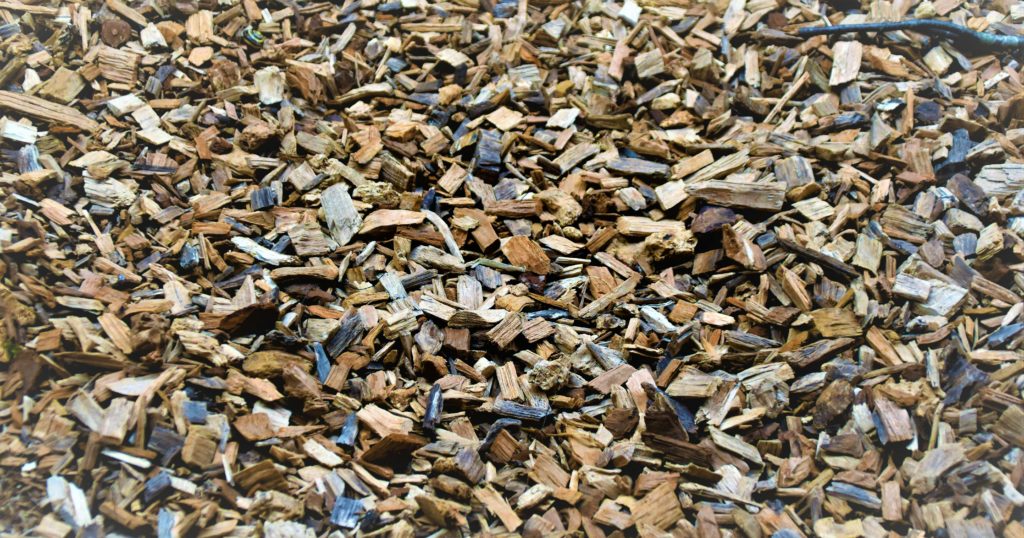
Mulching is an essential practice for maintaining soil health in winter, providing insulation and moisture retention that protect your garden’s foundation. Applying a thick layer of organic mulch, such as straw, shredded leaves, or compost, helps regulate soil temperature, preventing it from freezing and thawing rapidly. This stability reduces soil erosion and compaction, ensuring that your plants have a healthy environment to thrive in once the growing season resumes. Native mulching materials are often the best choice, as they decompose naturally and enrich the soil with local organic matter.
In addition to temperature regulation, mulching supports soil moisture levels by reducing evaporation and retaining water within the soil structure. This is especially important during winter, when precipitation can vary greatly and the ground may become either overly saturated or too dry. By maintaining consistent moisture levels, mulching helps prevent root damage and promotes the growth of beneficial soil organisms. It’s incredibly satisfying to walk through your garden and see the rich, dark mulch protecting your soil, knowing that you’ve taken a crucial step towards a healthy and productive garden!
Composting

Composting is a cornerstone of healthy soil management, even during the winter months. By recycling garden waste and kitchen scraps into nutrient-rich compost, you can continuously improve your soil’s fertility and structure. Composting not only provides essential nutrients for your plants but also enhances the soil’s ability to retain moisture and support beneficial microorganisms. Native composting methods, tailored to your local climate and garden conditions, ensure that the composting process is efficient and effective, even in colder temperatures.
Furthermore, composting contributes to sustainable gardening practices by reducing waste and minimizing the need for chemical fertilizers. It attracts a variety of beneficial organisms, such as earthworms and decomposer microbes, which play a critical role in breaking down organic matter and enriching the soil. The addition of compost in winter prepares your garden for a robust spring growth, fostering a thriving ecosystem that supports healthy plant development. It’s such a rewarding feeling to know that your compost efforts are laying the groundwork for a vibrant and bountiful garden year after year!
Soil Testing and Amendments

Winter is the perfect time to conduct soil testing and apply necessary amendments to ensure optimal soil health. By analyzing your soil’s pH, nutrient levels, and texture, you can identify any deficiencies or imbalances that need to be addressed. Native soil testing services or home testing kits can provide valuable insights, allowing you to tailor your soil management practices to the specific needs of your garden. Understanding your soil’s composition is crucial for making informed decisions about the types of amendments required to enhance its fertility and structure.
Once you have your soil test results, you can apply appropriate amendments such as lime to adjust pH levels or organic fertilizers to replenish essential nutrients. Incorporating these amendments during the winter months allows them to integrate thoroughly into the soil, improving its quality and readiness for the upcoming growing season. It’s such a proactive approach to gardening, ensuring that your soil remains a fertile and supportive foundation for your plants. By investing time in soil testing and amendments now, you’re setting your garden up for long-term success and resilience!
Reducing Soil Disturbance

Minimizing soil disturbance during the winter months is crucial for maintaining soil structure and health. Practices like no-till gardening help preserve the natural soil layers and protect the habitats of beneficial soil organisms. By avoiding excessive digging or turning of the soil, you prevent the disruption of fungal networks and earthworm activity, which are essential for nutrient cycling and soil aeration. Native no-till methods are particularly effective, as they align with the natural processes of your local ecosystem, promoting a balanced and healthy soil environment.
Additionally, reducing soil disturbance helps retain organic matter and moisture, further enhancing soil fertility and resilience. It’s such a relief to see your soil maintaining its integrity, supporting a robust and thriving garden ecosystem. Implementing minimal disturbance practices not only benefits your soil’s health but also contributes to sustainable gardening by reducing erosion and preserving soil structure. Embracing these gentle gardening techniques ensures that your soil remains a vibrant and productive foundation, ready to support your plants through the seasons!
Adding Organic Matter
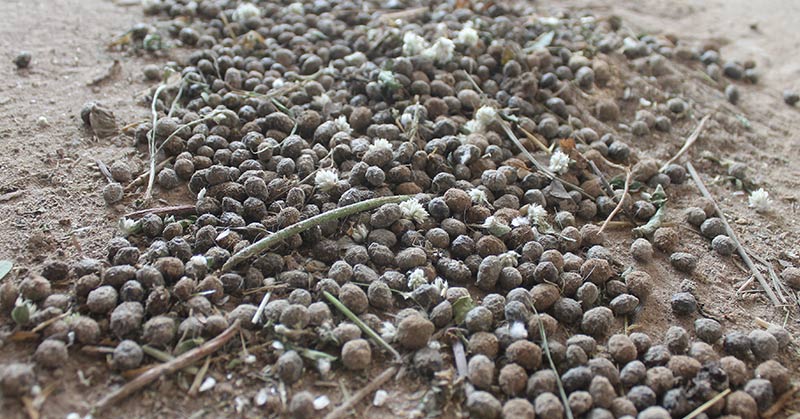
Incorporating organic matter into your soil is a fundamental practice for enhancing soil health during the winter. Materials such as compost, well-rotted manure, and leaf mold add essential nutrients and improve soil structure, promoting better root growth and water retention. Native sources of organic matter are ideal, as they are well-suited to your local soil conditions and support the native soil microbiome. By adding organic matter, you create a rich and fertile environment that sustains your garden’s foundation throughout the winter months.
Organic matter also plays a key role in fostering a healthy soil ecosystem by providing food for beneficial microorganisms and insects. These organisms break down organic material, releasing nutrients that plants can readily absorb and contributing to the overall fertility of the soil. It’s incredibly satisfying to see the dark, crumbly texture of your soil, enriched with organic matter and teeming with life. This foundation not only supports your plants’ growth but also enhances the soil’s ability to recover and thrive in future seasons. Investing in organic matter now ensures that your garden remains lush and productive for years to come!
Managing Soil pH
Maintaining the proper pH balance of your soil is essential for nutrient availability and overall plant health, especially during the winter. Soil pH affects the solubility of nutrients, influencing how easily plants can absorb them. Conducting a soil pH test in the fall allows you to determine whether your soil is too acidic or too alkaline and take corrective actions before the winter sets in. Native pH management practices, tailored to your specific soil type and local conditions, ensure that your garden’s foundation remains balanced and fertile.
Adjusting soil pH involves adding amendments such as lime to raise pH or sulfur to lower it, depending on the test results. These adjustments should be made well before planting season, giving the amendments ample time to interact with the soil and create a stable environment for your plants. Proper pH management not only enhances nutrient uptake but also supports the growth of beneficial soil organisms that contribute to soil health. It’s such a strategic step to ensure that your soil remains in optimal condition, providing a strong and supportive foundation for your garden’s growth and productivity!
Encouraging Soil Biodiversity

Promoting soil biodiversity is a key aspect of maintaining healthy soil during the winter. A diverse soil ecosystem, rich with various microorganisms, fungi, and invertebrates, enhances soil fertility and resilience. Practices such as adding diverse organic matter, planting cover crops, and minimizing soil disturbance support a vibrant and balanced soil community. Native plants and organic inputs are particularly beneficial, as they are adapted to support the local soil biodiversity and contribute to a harmonious garden ecosystem.
Encouraging soil biodiversity also helps in natural pest control and disease resistance, reducing the need for chemical interventions. Beneficial organisms like mycorrhizal fungi form symbiotic relationships with plant roots, improving nutrient uptake and enhancing plant vigor. Earthworms aerate the soil and break down organic material, creating a more hospitable environment for plant growth. It’s incredibly rewarding to see the thriving life beneath your soil’s surface, knowing that you’re fostering a healthy and sustainable garden. By prioritizing soil biodiversity, you ensure that your garden’s foundation is robust and capable of supporting a vibrant and productive landscape for years to come!