

As the vibrant colors of summer fade and winter approaches, many gardeners feel a pang of disappointment at the thought of their beloved annuals disappearing until next spring. But fear not! Overwintering annuals is a fantastic way to extend the life of your favorite blooms, ensuring that your garden remains lively and colorful year after year. With a bit of care and the right techniques, you can successfully bring your seasonal favorites back each spring, saving both time and money while enjoying continuous beauty in your outdoor space.
I know how frustrating it can be to watch your hard-grown annuals wither away when the temperatures drop. It’s such a bummer when your garden loses its charm, especially after putting in so much effort to nurture those delicate flowers. However, by understanding the best practices for overwintering annuals and selecting the right varieties, you can keep your garden thriving even through the coldest months. Let’s dive into some of my favorite strategies and plants that make overwintering a breeze, ensuring your garden stays blooming and vibrant every year!
Self-Seeding Annuals
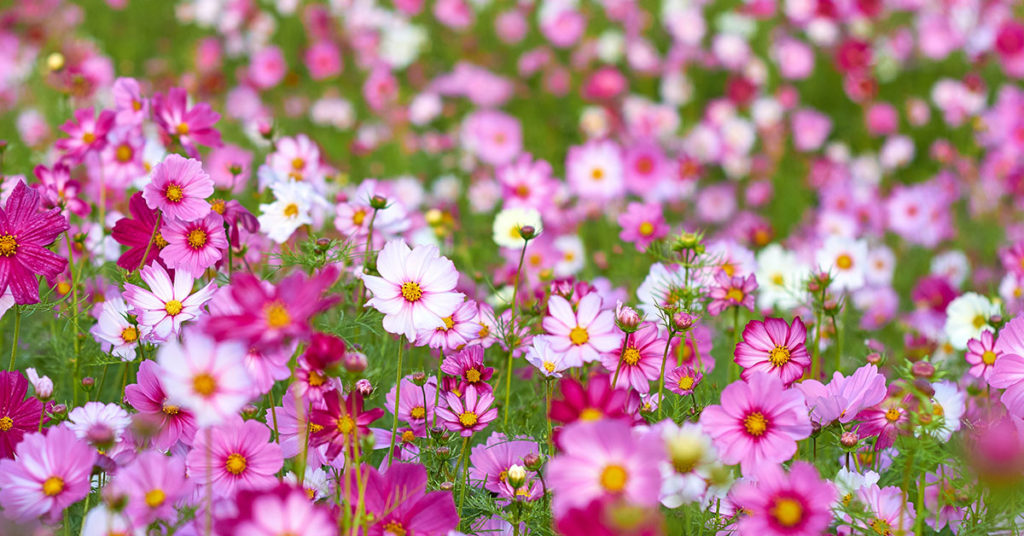
One of the easiest and most rewarding methods for overwintering annuals is planting self-seeding varieties. These plants naturally drop seeds that germinate the following spring, creating a continuous cycle of growth without the need for replanting. Native to various regions, self-seeding annuals like cosmos (Cosmos bipinnatus) and poppies (Papaver somniferum) are celebrated for their resilience and ability to thrive in different climates. Their self-sustaining nature not only reduces gardening maintenance but also ensures a diverse and vibrant garden each year!
Self-seeding annuals are generally not considered invasive, making them a safe choice for most garden environments. By allowing these plants to drop seeds freely, you attract a variety of pollinators, including bees and butterflies, who are essential for a healthy ecosystem. Additionally, the act of self-seeding promotes genetic diversity, resulting in stronger and more adaptable plants. Embracing self-seeding annuals can transform your garden into a dynamic and ever-changing landscape, filled with seasonal blooms that return reliably year after year!
Mulching and Protection

Proper mulching and protection are crucial steps in successfully overwintering your annuals. Applying a thick layer of mulch around your plants helps insulate the soil, protecting the roots from extreme cold and preventing freeze-thaw cycles that can damage plant tissues. Organic mulches such as straw, shredded leaves, or compost are excellent choices as they break down over time, enriching the soil with nutrients. Native to various regions, mulching techniques are a tried-and-true method that gardeners have relied on for generations to keep their plants healthy through the winter months!
In addition to mulching, using protective coverings like frost blankets or burlap can shield your annuals from harsh winds and heavy snow. These materials create a barrier that reduces moisture loss and physical damage, ensuring your plants remain intact until spring arrives. It’s such a relief to see your annuals survive the winter, especially after investing so much time and effort into their growth. By implementing these protective measures, you not only extend the life of your annuals but also set the stage for robust and beautiful blooms in the coming seasons!
Container Annuals
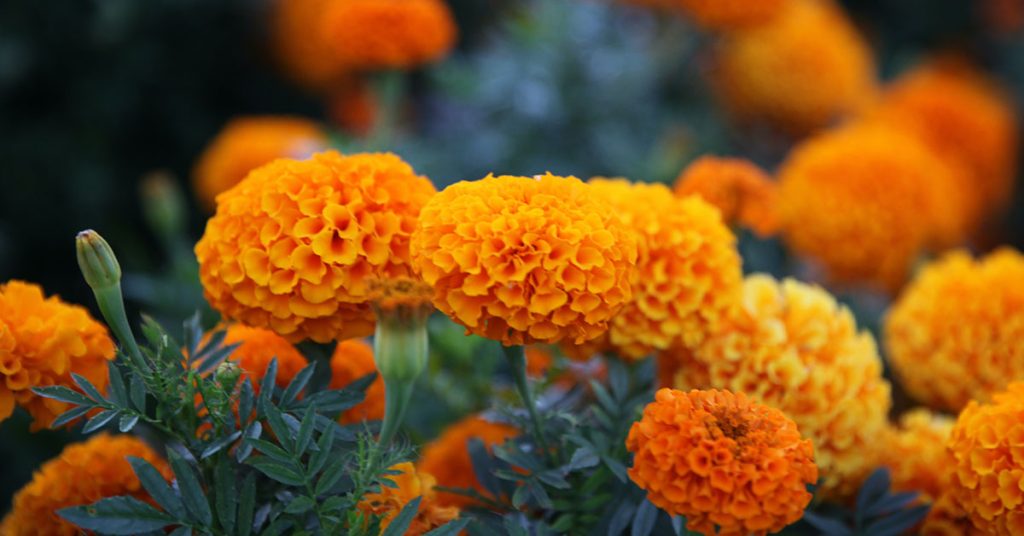
Growing annuals in containers is another effective way to overwinter them, providing flexibility and control over their environment. Container gardening allows you to move your plants indoors or to a sheltered location during the colder months, safeguarding them from frost and freezing temperatures. Popular container annuals like marigolds (Tagetes spp.) and petunias (Petunia spp.) can thrive indoors with adequate light and care, making it easy to bring seasonal blooms back each year. The portability of containers means you can protect your annuals without committing to permanent garden space, perfect for gardeners with limited outdoor areas!
When overwintering annuals in containers, it’s essential to choose the right potting mix and ensure proper drainage to prevent root rot. Repotting your annuals with fresh soil in the fall can rejuvenate their growth and provide essential nutrients needed for a healthy winter stay. Additionally, placing containers in bright, sunny windows or under grow lights can mimic their natural growing conditions, encouraging continued growth and readiness for the next planting season. Container annuals not only offer aesthetic flexibility but also make overwintering a straightforward and manageable task, allowing you to enjoy your favorite blooms year after year!
Perennializing Annuals

Transforming annuals into perennials is a fantastic way to ensure their return every spring. This process, known as perennializing, involves selecting hardy annual varieties and providing them with the right conditions to survive the winter. Plants like calendula (Calendula officinalis) and sweet peas (Lathyrus odoratus) can be treated as perennials with proper care, allowing them to regrow each year from their established root systems. Native to regions with similar climates, these perennialized annuals are not only beautiful but also enhance the sustainability of your garden by reducing the need for replanting!
Perennializing annuals involves techniques such as dividing plants, cutting back foliage, and applying protective mulch to help them withstand the winter. By encouraging the development of strong root systems and reducing stress on the plants, you create a foundation for their return in the spring. It’s incredibly satisfying to see your favorite blooms reappear without having to start from seeds or seedlings, saving you time and effort. Additionally, perennialized annuals often become hardier and more resilient over time, contributing to a robust and enduring garden that continues to flourish year after year!
Hardy Annuals
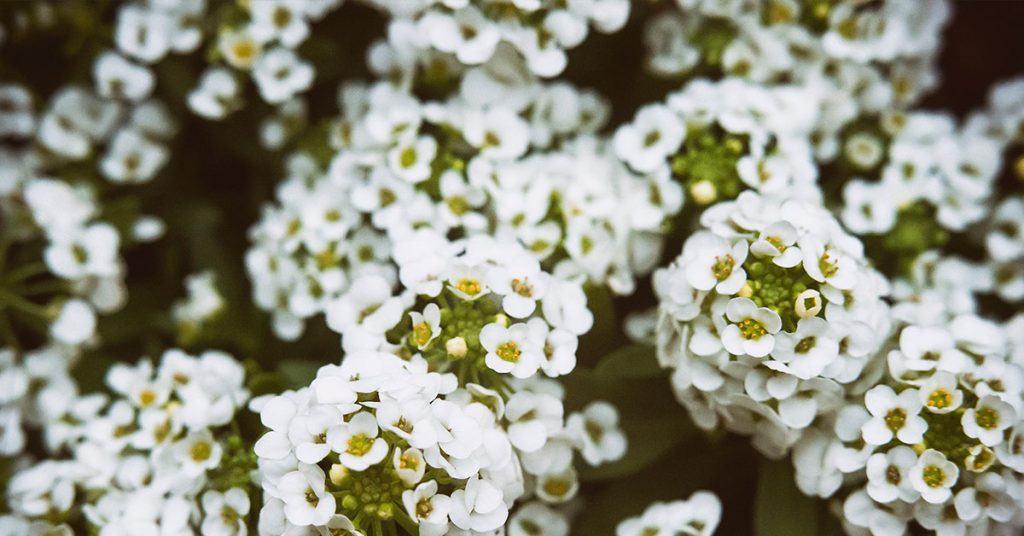
Choosing hardy annuals is a smart strategy for overwintering, as these varieties are naturally more resilient to cold temperatures and adverse weather conditions. Hardy annuals like sweet alyssum (Lobularia maritima) and stock (Matthiola incana) are known for their ability to survive through the winter with minimal protection, making them ideal candidates for overwintering in temperate climates. Native to various regions, these robust plants can handle frost and even light snow, ensuring that your garden retains its charm despite the cold months!
Hardy annuals not only survive the winter but also continue to attract beneficial insects and wildlife, contributing to a healthy garden ecosystem. Their persistent blooms provide essential nectar sources for pollinators like bees and butterflies, even during the colder seasons. Additionally, hardy annuals often have deep root systems that improve soil structure and fertility, benefiting other plants in your garden. By selecting hardy annuals, you can enjoy a resilient and thriving garden that withstands the winter challenges, bringing seasonal beauty back each year with ease!
Propagation Methods
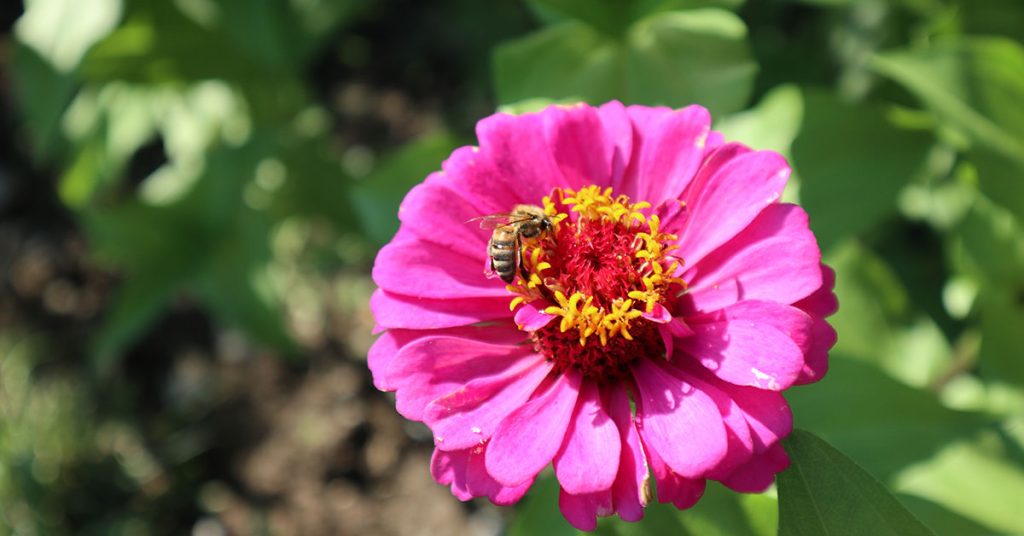
Effective propagation methods are key to successfully overwintering annuals and ensuring their return each year. Techniques such as taking cuttings, dividing plants, or using seed saving can help maintain and multiply your favorite annuals. For example, taking stem cuttings from plants like zinnias (Zinnia elegans) or nasturtiums (Tropaeolum majus) allows you to root new plants indoors before the onset of winter, ready to be transplanted in the spring. Native propagation methods often vary depending on the plant species, but mastering these techniques can significantly enhance your garden’s sustainability and resilience!
Seed saving is another powerful propagation method that involves collecting seeds from your annuals before they go to seed in the fall. By storing these seeds in a cool, dry place, you can ensure a fresh supply for the next planting season. This practice not only saves money but also allows you to select the best-performing plants for future growth, promoting healthier and more vigorous annuals. Additionally, propagation through division can help maintain the vigor and productivity of certain annuals, ensuring that your garden remains lush and vibrant year after year. Embracing these propagation methods empowers you to take control of your garden’s future, bringing back your seasonal blooms with confidence and ease!
Selecting Native vs. Non-Invasive Species
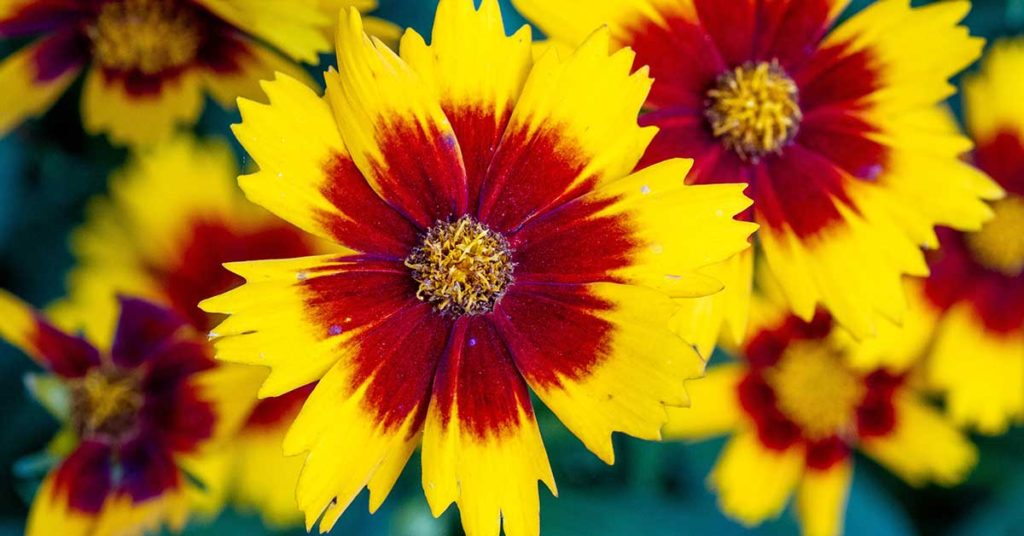
Choosing the right species is essential when overwintering annuals, and selecting native versus non-invasive varieties plays a significant role in maintaining a healthy garden ecosystem. Native annuals like Black-eyed Susans (Rudbeckia hirta) and coreopsis (Coreopsis spp.) are well-adapted to your local climate and soil conditions, making them more likely to survive the winter and thrive in subsequent years. These plants support local wildlife, providing food and habitat for native pollinators and beneficial insects, enhancing the overall biodiversity of your garden!
On the other hand, it’s important to avoid invasive annuals that can disrupt local ecosystems and outcompete native plants. Species such as certain types of morning glories (Ipomoea spp.) and vincas (Catharanthus roseus) can become problematic if they spread uncontrollably, leading to imbalances in your garden and surrounding areas. By carefully selecting native and non-invasive annuals, you contribute to a sustainable and harmonious garden environment that benefits both your blooms and the local wildlife. It’s incredibly rewarding to know that your gardening choices support the natural balance, ensuring that your overwintered annuals continue to bring beauty without causing ecological harm!