

Winter often brings shorter days and colder temperatures, making outdoor gardening a challenge. But don’t let the frost dampen your green thumb! Indoor gardening is a fantastic way to keep your plants thriving and your home vibrant during the colder months. I understand how disheartening it can be when your outdoor garden takes a pause, but transforming your indoor space into a lush oasis is easier than you might think. With the right strategies and plant selections, you can enjoy the beauty and benefits of gardening all year round.
In this article, I’m thrilled to share a wealth of tips and insights to help you successfully bring greenery inside during winter. From selecting the perfect plants to optimizing light and humidity levels, each section is packed with detailed advice to ensure your indoor garden flourishes. Whether you’re a seasoned gardener or just starting out, these tips will help you create a thriving indoor sanctuary that brightens your home and lifts your spirits throughout the chilly season. Let’s dive into the wonderful world of indoor gardening and make your winter green and glorious!
Selecting the Perfect Indoor Plants
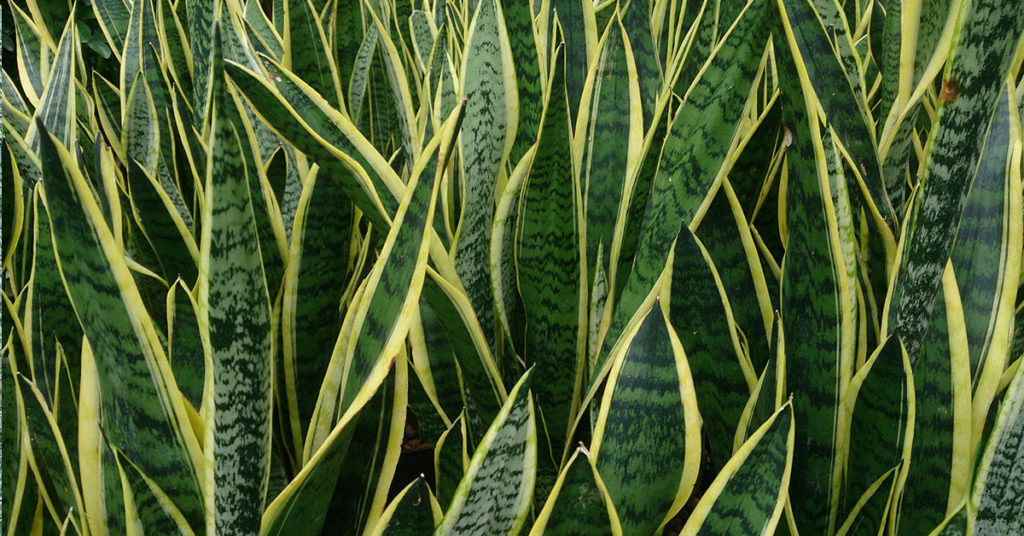
Choosing the right plants is the cornerstone of successful indoor gardening, especially during winter. It’s essential to select plants that are well-suited to indoor environments and can thrive with the reduced light and cooler temperatures. One of my favorites is the Snake Plant (Sansevieria trifasciata), native to West Africa. This hardy plant is not only easy to care for but also excellent at purifying indoor air. It’s non-invasive, making it a safe choice for any indoor space. Another great option is the ZZ Plant (Zamioculcas zamiifolia), native to Eastern Africa, known for its glossy, waxy leaves that require minimal watering and can tolerate low light conditions.
I know how frustrating it can be to try and keep plants alive indoors when conditions aren’t ideal, but selecting resilient, low-maintenance varieties can make all the difference! Pothos (Epipremnum aureum) is another fantastic choice, native to the Solomon Islands. It’s incredibly versatile, thriving in a range of lighting conditions from low to bright indirect light. Plus, it’s not considered invasive, so you can enjoy its trailing vines without worrying about it taking over your space. These plants not only add greenery to your home but also bring a sense of calm and natural beauty that can brighten even the gloomiest winter days!
Maximizing Light for Your Indoor Garden

Lighting is one of the most critical factors for indoor gardening, especially during the winter months when natural light is limited. To ensure your plants receive enough light, consider placing them near windows that receive the most sunlight throughout the day. South-facing windows are ideal as they typically offer the brightest and most consistent light. If natural light is insufficient, investing in grow lights can be a game-changer! LED grow lights are energy-efficient and can be adjusted to provide the specific light spectrum your plants need for healthy growth.
I understand how challenging it can be to maintain your plants’ health when daylight hours are shorter, but with the right lighting setup, you can create an optimal environment for your indoor garden! Position your grow lights about 6-12 inches above your plants and leave them on for about 12-16 hours a day to mimic natural daylight cycles. Additionally, rotating your plants regularly ensures that all sides receive equal light exposure, preventing uneven growth. By maximizing light through strategic placement and supplemental lighting, you can keep your indoor garden vibrant and thriving all winter long!
Managing Indoor Humidity Levels
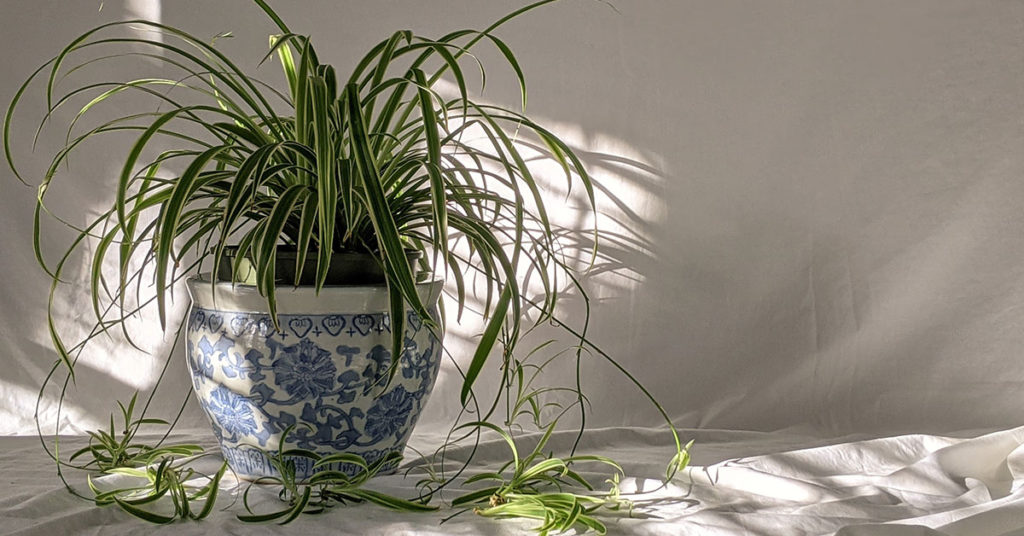
Winter air tends to be dry, which can be detrimental to many indoor plants. Managing humidity levels is crucial to prevent your plants from drying out and to promote healthy growth. One effective way to increase humidity is by using a humidifier in the rooms where your plants are located. Alternatively, placing a tray of water near your plants or grouping plants together can create a microenvironment with higher humidity. Spider Plants (Chlorophytum comosum), native to South Africa, thrive in humid conditions and can benefit greatly from these practices.
I know how disheartening it is to see your plants suffer from dry air, but implementing simple humidity-boosting techniques can make a significant difference! Another great strategy is to mist your plants regularly, especially those that love moisture like Peace Lilies (Spathiphyllum spp.), native to tropical regions of the Americas and Southeast Asia. These plants not only enhance indoor air quality but also add a touch of elegance with their beautiful white blooms. By maintaining optimal humidity levels, you ensure that your indoor garden remains lush and healthy, even when the heating systems are running and the air is dry!
Proper Watering Techniques
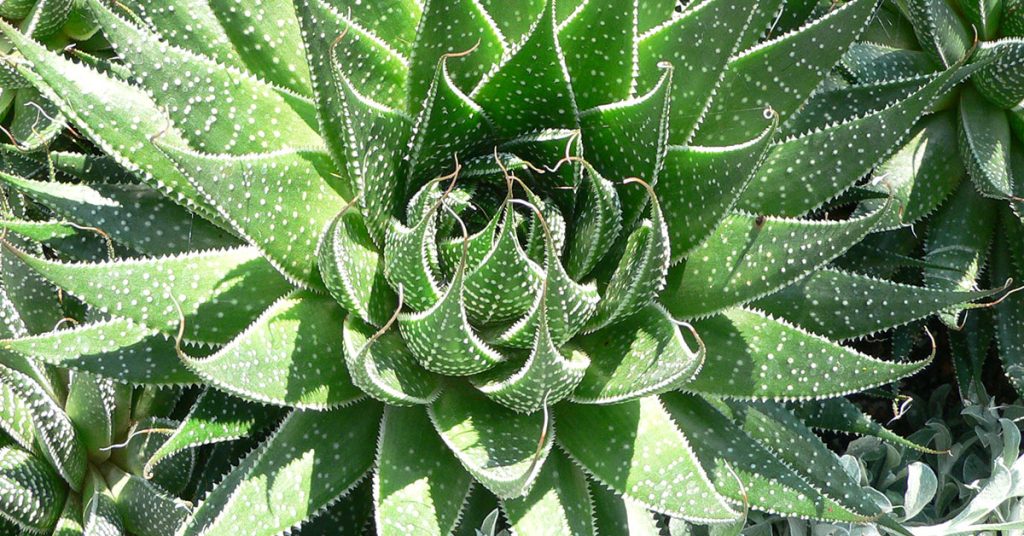
Watering is a critical aspect of indoor gardening that can often be tricky to master, especially during winter. Overwatering is a common mistake that can lead to root rot and other issues, while underwatering can cause plants to wilt and lose vibrancy. It’s important to understand the specific watering needs of each plant. For instance, Succulents like the Aloe Vera (Aloe barbadensis miller), native to the Arabian Peninsula, require well-draining soil and infrequent watering, allowing the soil to dry out completely between waterings.
I know how confusing it can be to figure out the right balance, but establishing a consistent watering routine can help! Using pots with drainage holes and ensuring proper soil drainage is essential to prevent excess water from sitting at the roots. Additionally, checking the moisture level of the soil before watering by sticking your finger about an inch deep can help you determine when it’s time to water. Implementing these techniques ensures that your plants receive the right amount of hydration, keeping them healthy and vibrant throughout the winter months!
Choosing the Right Soil and Fertilization
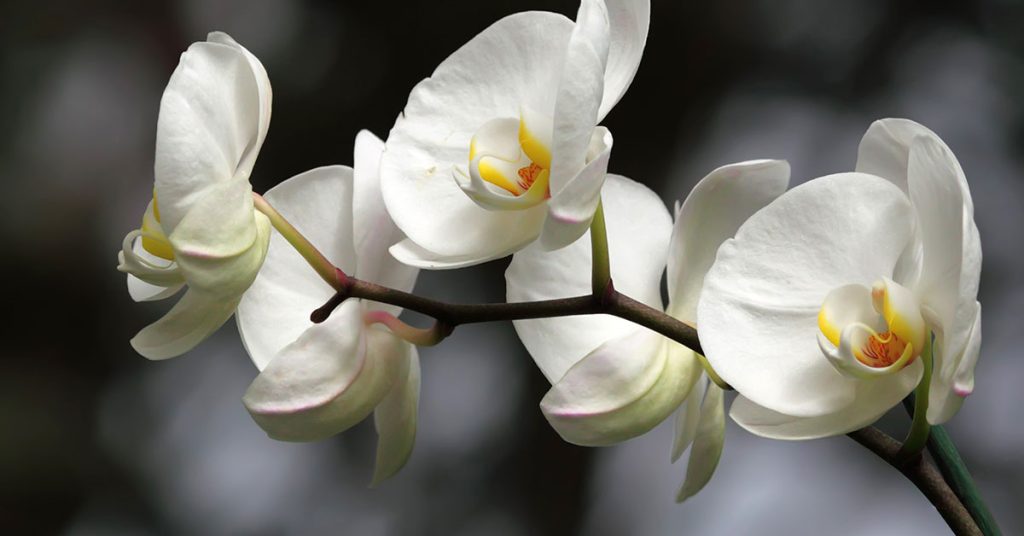
The quality of soil and proper fertilization play a vital role in the health and growth of your indoor plants. Using a high-quality potting mix that is appropriate for the specific type of plant you’re growing is essential. For example, Orchids (Orchidaceae), native to tropical regions around the world, require a special orchid mix that provides excellent drainage and aeration. Similarly, Fiddle Leaf Figs (Ficus lyrata), native to West Africa, thrive in rich, well-draining soil that retains some moisture without becoming soggy.
I understand how overwhelming it can be to choose the right soil and fertilizers, but selecting the appropriate products can make a huge difference! Regular fertilization during the growing season helps replenish nutrients that plants need to thrive. Opt for a balanced, water-soluble fertilizer and follow the recommended dosage to avoid over-fertilizing, which can harm your plants. Additionally, organic fertilizers like compost or fish emulsion can provide a natural boost, enhancing soil health and promoting vigorous growth. By paying attention to soil quality and fertilization, you create a nurturing environment that supports robust and thriving indoor plants!
Pest Control Strategies
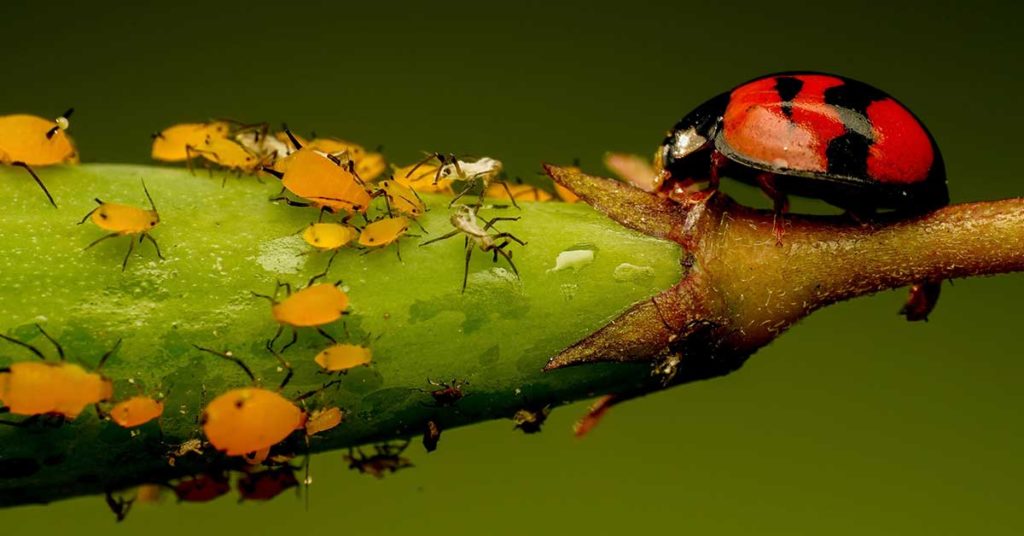
Even indoors, pests can pose a significant threat to your garden. Common indoor pests include spider mites, aphids, and fungus gnats, which can damage your plants and disrupt their growth. Implementing effective pest control strategies is essential to keep your indoor garden healthy. One of the best preventative measures is to regularly inspect your plants for any signs of pests and address issues promptly before they escalate. Using natural remedies like neem oil or insecticidal soap can help manage pest populations without the use of harsh chemicals.
I know how frustrating it is to deal with pests invading your indoor garden, but maintaining vigilance and using eco-friendly solutions can keep your plants pest-free! Additionally, introducing beneficial insects like ladybugs or predatory mites can help control pest populations naturally. Ensuring good air circulation and avoiding overwatering also reduces the likelihood of pest infestations and fungal issues. By adopting these pest control strategies, you protect your indoor garden from unwanted invaders, ensuring that your plants remain healthy and vibrant throughout the winter season!
Optimizing Temperature for Plant Health

Maintaining the right temperature is crucial for the well-being of your indoor plants, especially during winter when indoor heating can create fluctuating conditions. Most indoor plants thrive in temperatures between 65°F and 75°F (18°C to 24°C) during the day and slightly cooler at night. However, it’s important to avoid placing plants near drafts, radiators, or heating vents, as extreme temperature changes can stress the plants and hinder their growth. Boston Ferns (Nephrolepis exaltata), native to tropical regions, prefer consistently warm temperatures and high humidity.
I understand how tricky it can be to keep a stable environment for your plants amidst the winter chill, but creating a temperature-controlled space can significantly enhance plant health! Using a room thermometer can help you monitor and maintain optimal temperatures, ensuring that your plants remain comfortable and continue to thrive. Additionally, avoiding sudden temperature drops and keeping plants away from cold windows or doors can prevent cold stress and damage. By optimizing the temperature in your indoor garden, you provide a stable and nurturing environment that supports robust growth and keeps your plants looking their best all winter long!
Creating a Comfortable Environment for Your Plants

Creating a comfortable environment for your indoor plants involves more than just light and water—it’s about providing the right balance of elements that support their overall health. Ensuring good air circulation helps prevent mold and mildew, which can be detrimental to plant health. Using fans or opening windows periodically can improve airflow without exposing plants to drastic temperature changes. Additionally, regularly dusting the leaves of your plants helps them breathe better and absorb more light, promoting healthier growth.
I understand how easy it is to overlook the subtle needs of your plants, but paying attention to their environment can make a significant difference! Incorporating elements like decorative trays with pebbles and water can increase humidity around your plants, benefiting those that thrive in moist conditions. Adding a layer of mulch to the top of the soil can help retain moisture and regulate temperature, creating a more stable environment for root health. By thoughtfully creating a comfortable and supportive environment, you ensure that your indoor garden remains a thriving and beautiful part of your home throughout the winter!
Repotting and Maintenance
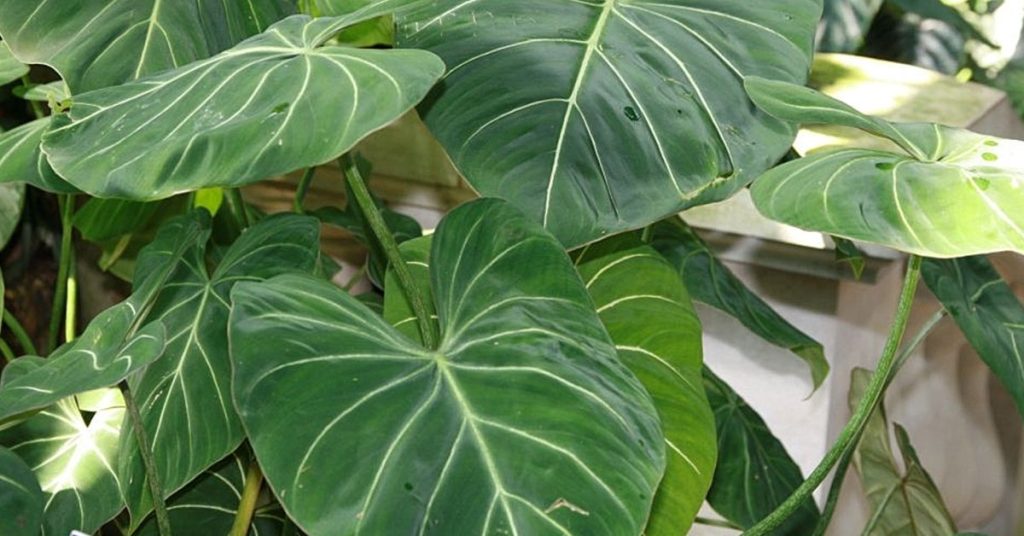
Winter can be an excellent time to repot and perform maintenance on your indoor plants, setting them up for a successful growing season ahead. Repotting involves transferring your plant to a larger container with fresh soil, which provides more room for root growth and replenishes nutrients. This is particularly important for fast-growing plants like Philodendrons (Philodendron spp.), native to tropical Americas, which may outgrow their current pots. Repotting not only promotes healthy growth but also allows you to inspect the roots for any signs of disease or pests, ensuring your plants remain robust and vibrant.
I know how stressful it can be to manage plant growth, but regular maintenance can prevent many common issues! Pruning dead or yellowing leaves and trimming overgrown stems encourages bushier, more attractive plants and prevents overcrowding. Additionally, checking for signs of pests or diseases during maintenance allows you to address problems early, keeping your indoor garden healthy and thriving. Cleaning and sterilizing your pots and tools also helps prevent the spread of diseases, ensuring that each plant has the best possible environment to flourish. By dedicating time to repotting and maintenance, you invest in the long-term health and beauty of your indoor garden, making it a source of joy and pride throughout the winter months!
Decorating with Indoor Plants

Indoor plants not only enhance the air quality of your home but also add a touch of natural beauty that can transform your living space. Decorating with indoor plants allows you to showcase your green thumb while complementing your interior design. Choosing a variety of plant sizes and types, such as tall Fiddle Leaf Figs (Ficus lyrata) native to West Africa and small Succulents like Echeveria, native to Central America, can create a dynamic and visually appealing arrangement. Placing plants in stylish pots and containers that match your home’s decor adds an extra layer of aesthetic appeal, making your indoor garden a seamless part of your living space.
I know how important it is to create a harmonious and inviting home environment, and indoor plants can be a key element in achieving that! Incorporating plants into different areas of your home, such as hanging planters in the kitchen, small succulents on your desk, or a statement plant in the living room, can bring life and energy to each space. Additionally, using decorative plant stands or shelves can help organize your plants while adding height and dimension to your display. By thoughtfully decorating with indoor plants, you not only enhance the beauty of your home but also create a nurturing and serene atmosphere that lifts your spirits and makes your winter months warmer and more inviting!