

As the leaves begin to turn and the air grows crisp, October presents a perfect opportunity to kickstart your composting journey. Composting in the fall not only helps manage garden and kitchen waste but also prepares your soil for the upcoming planting season. It’s such a bummer when garden scraps pile up or when your compost pile becomes a breeding ground for pests. However, starting a compost pile in October can turn these challenges into opportunities for creating rich, nutrient-dense soil that will rejuvenate your garden beds come spring.
I understand how overwhelming it can be to begin composting, especially with the changing seasons and the added tasks that come with fall gardening. That’s why I’m excited to share with you some easy and effective ways to start a compost pile this October. From selecting the right location and materials to maintaining your pile and attracting beneficial wildlife, these tips will help you create a thriving compost system that enhances your garden’s health and sustainability. Let’s dive into these practical strategies and transform your outdoor space into an eco-friendly haven!
Choose the Right Location

Selecting the ideal spot for your compost pile is crucial for its success, especially in the cooler October weather. Choose a location that is easily accessible, yet somewhat secluded to keep it discreet and reduce the attraction of pests. Ideally, place your compost pile in a shaded area to help regulate temperature and moisture levels, protecting it from excessive rain or direct sunlight. Native plants around your compost area, such as wildflowers or grasses, can attract beneficial insects and birds that aid in the decomposition process.
Additionally, ensuring your chosen location has good drainage is essential to prevent your compost from becoming waterlogged, which can slow down the decomposition process and create unpleasant odors. Raised compost bins or enclosed composters can be particularly effective in managing moisture levels and keeping your compost neat and organized. By thoughtfully selecting the right location, you create an optimal environment for your compost pile to thrive, turning kitchen and garden waste into valuable soil amendments!
Gather the Necessary Materials

Starting a compost pile in October requires gathering a variety of materials that will break down efficiently. You’ll need a mix of green materials, which are nitrogen-rich, and brown materials, which are carbon-rich. Green materials include kitchen scraps like vegetable peels, coffee grounds, and fresh grass clippings. These provide the necessary nutrients for the microorganisms that drive the composting process. On the other hand, brown materials such as dried leaves, straw, and shredded newspaper help to balance the moisture levels and improve aeration within the pile.
It’s important to avoid composting meat, dairy, or oily foods, as these can attract pests and cause unpleasant odors. Additionally, incorporating some garden waste like dead flowers and fallen branches can enhance the nutrient content of your compost. Using materials that are native to your region ensures that your compost supports the local ecosystem by providing habitat and food for beneficial insects and wildlife. By carefully selecting and layering your materials, you set the foundation for a productive and efficient compost pile that will enrich your garden soil for years to come!
Balance Green and Brown Materials
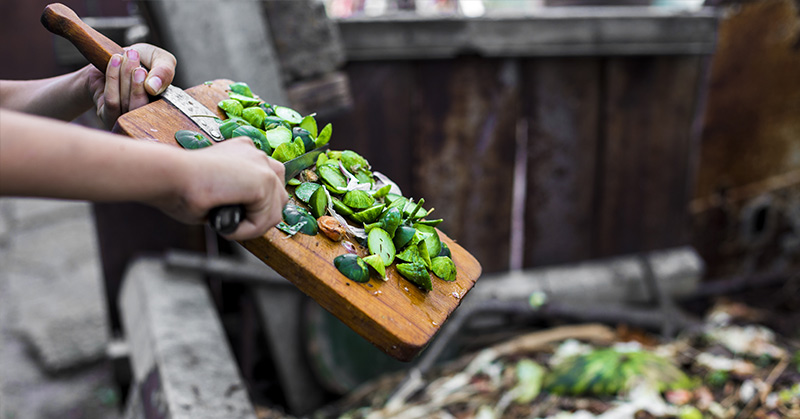
Achieving the right balance between green and brown materials is key to maintaining an effective compost pile, especially during the cooler months of October. A balanced ratio of approximately three parts brown to one part green ensures that your compost remains aerated and avoids becoming too wet or too dry. Brown materials like shredded leaves and straw provide the carbon needed for decomposition, while green materials such as vegetable scraps and grass clippings add the nitrogen essential for microbial activity.
Maintaining this balance helps to speed up the composting process and prevent issues like foul odors or slow decomposition. In October, when plant growth slows, adding more brown materials can be beneficial as they decompose more slowly, providing a steady supply of nutrients over time. Regularly monitoring the moisture and texture of your compost pile will help you make necessary adjustments, ensuring a healthy and vibrant compost system. By carefully balancing your materials, you create an optimal environment for your compost to break down efficiently and produce rich, fertile soil for your garden!
Maintain Proper Moisture and Aeration

Proper moisture and aeration are vital for the health and efficiency of your compost pile, particularly in the damp and cooler conditions of October. Your compost should feel like a damp sponge—not too wet and not too dry. If your pile becomes too soggy, it can lead to anaerobic conditions, resulting in foul odors and slow decomposition. Conversely, if it’s too dry, microbial activity will slow down, prolonging the composting process. To maintain the right moisture level, regularly monitor your compost and add water as needed, especially during dry spells.
Aeration is equally important to prevent compaction and ensure that oxygen reaches the microorganisms breaking down the materials. Turning your compost pile with a pitchfork or compost aerator every few weeks helps to mix the materials and introduce fresh oxygen, speeding up decomposition and preventing the pile from becoming stagnant. Incorporating coarse materials like straw or small branches can also improve airflow within the pile. By maintaining proper moisture and aeration, you create a thriving environment for your compost to break down efficiently, producing high-quality compost that will nourish your garden soil!
Monitor and Turn the Pile Regularly

Monitoring and turning your compost pile regularly is essential to ensure it remains active and decomposes efficiently, especially as temperatures drop in October. By keeping an eye on the temperature, moisture levels, and overall condition of your pile, you can make timely adjustments to keep the composting process on track. A healthy compost pile should be warm to the touch, indicating active microbial activity. If the pile cools down, it may need more green materials or increased aeration to boost decomposition.
Turning the pile every few weeks helps to distribute moisture and heat evenly throughout the compost, preventing any single area from becoming anaerobic or overly dry. This regular maintenance also helps to break up clumps of material, allowing microorganisms to access all parts of the pile and speeding up the overall process. Additionally, turning the pile can help to mix in new materials and incorporate air, enhancing the efficiency of decomposition. By diligently monitoring and turning your compost pile, you ensure a consistent and productive composting process, resulting in rich, nutrient-dense compost for your garden!
Use Composting to Attract Beneficial Wildlife

A well-maintained compost pile can become a hub of activity for beneficial wildlife, enhancing the biodiversity and health of your garden. By attracting insects like beetles and worms, as well as birds and other small creatures, your compost pile can aid in the natural decomposition process and support a thriving ecosystem. These beneficial organisms help break down organic materials more efficiently and can even help control pests in your garden, reducing the need for chemical interventions.
To attract these helpful wildlife members, incorporate native plants and flowers around your compost area. Plants like sunflowers, marigolds, and native wildflowers provide additional food sources and shelter for beneficial insects and birds. Installing birdhouses or bat boxes nearby can also encourage these creatures to take up residence, further supporting your garden’s ecosystem. By using your compost pile as a way to attract beneficial wildlife, you create a dynamic and balanced garden environment that fosters healthy plant growth and minimizes waste!
Troubleshoot Common Composting Problems
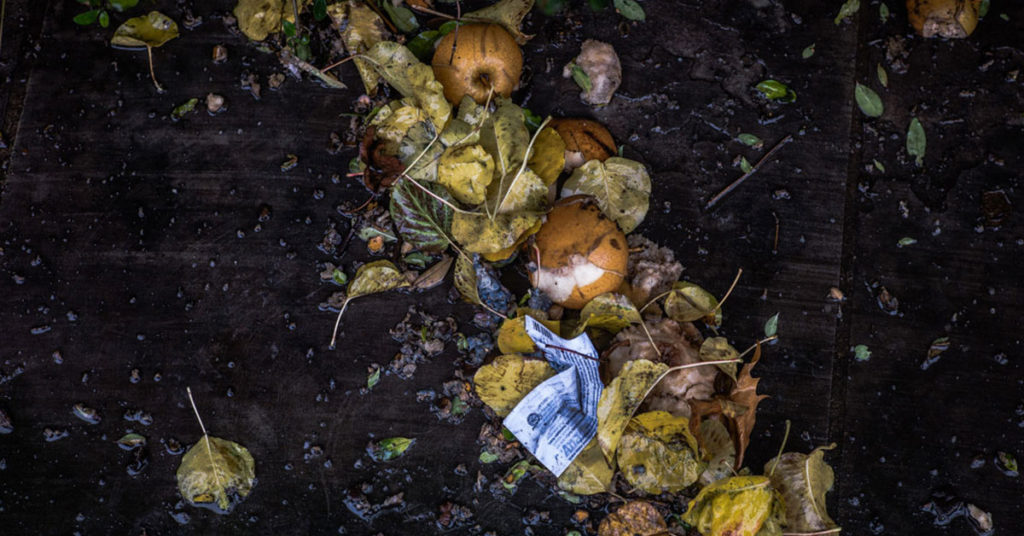
Starting a compost pile in October can come with its own set of challenges, but knowing how to troubleshoot common composting problems will ensure your pile remains productive and efficient. One frequent issue is unpleasant odors, which often result from an imbalance in green and brown materials or from excess moisture. To eliminate odors, add more brown materials like shredded leaves or straw to balance out the green, nitrogen-rich scraps. Additionally, turning the pile regularly to introduce more oxygen can help resolve anaerobic conditions that cause foul smells.
Another common problem is slow decomposition, which can be caused by insufficient moisture, lack of aeration, or overly large pieces of material. To speed up the process, ensure your compost pile is adequately moist but not waterlogged, and continue to turn it frequently to maintain good airflow. Breaking down large pieces of materials into smaller ones before adding them to the pile can also enhance microbial activity and accelerate decomposition. By addressing these common composting issues proactively, you can maintain a healthy and efficient compost pile that produces rich, fertile compost for your garden!
Conclusion
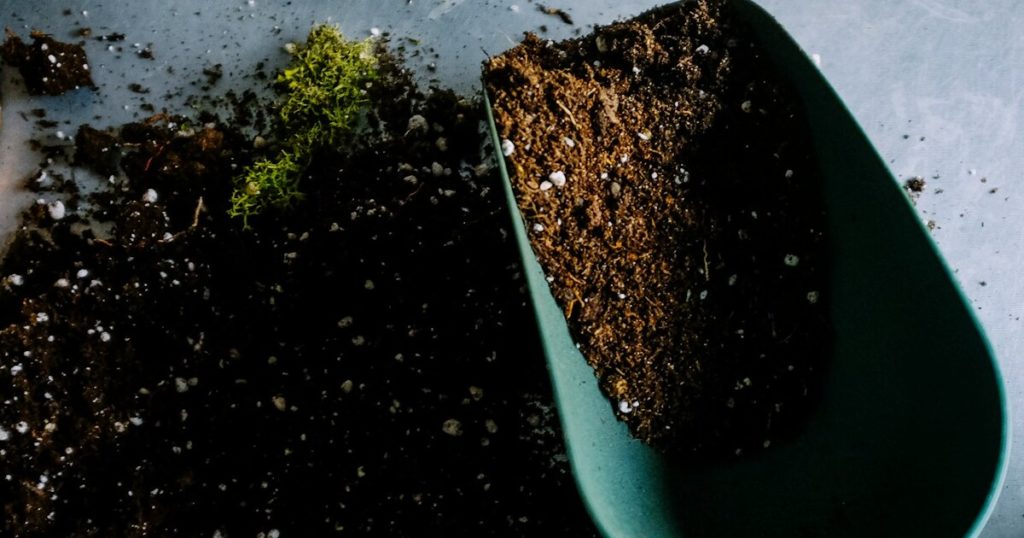
Starting a compost pile in October is not only feasible but also incredibly beneficial for your garden and the environment. By choosing the right location, gathering the necessary materials, balancing green and brown inputs, maintaining proper moisture and aeration, and regularly monitoring and turning your pile, you can create a thriving compost system that transforms your organic waste into valuable soil amendments. Additionally, attracting beneficial wildlife and troubleshooting common problems ensures that your compost pile remains productive and sustainable throughout the colder months.