

Transforming your outdoor space into a vibrant and inviting sanctuary doesn’t have to be a daunting task. With a few creative ideas and a bit of effort, you can breathe new life into your garden, making it a stunning focal point of your home. Whether you’re a seasoned gardener or just starting out, these seven easy garden ideas will help you achieve a fresh new look without overwhelming you. From incorporating native plants that attract beneficial wildlife to implementing simple DIY projects, there’s something here for every garden enthusiast!
I understand how challenging it can be to keep your garden looking its best, especially when pests invade or plants fail to thrive in certain conditions. That’s why I’m excited to share these practical and inspiring ideas that not only enhance the beauty of your outdoor space but also promote a healthy and sustainable garden ecosystem. Whether you’re aiming to add seasonal color, create a cozy seating area, or support local wildlife, these tips are designed to help you achieve a stunning and functional garden that you’ll love spending time in all year round. Let’s dive into these creative solutions and transform your garden into a breathtaking oasis!
Create a Vertical Garden
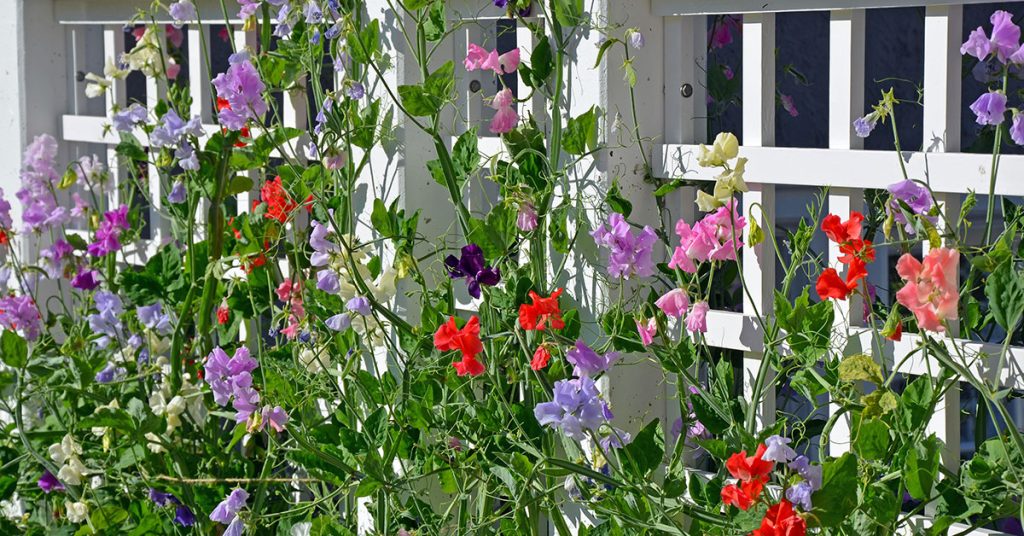
Vertical gardening is a fantastic way to maximize space, especially if you’re working with a small yard or patio. By utilizing vertical structures like trellises, hanging baskets, and wall-mounted planters, you can grow a variety of plants without taking up valuable ground space. This technique is perfect for climbing vegetables like beans and peas, as well as ornamental plants such as ivy and sweet peas. Native to many regions, these plants attract beneficial insects and birds, enhancing the biodiversity of your garden.
Additionally, vertical gardens add texture and visual interest, making your outdoor space appear more dynamic and lush. Incorporating native flowering vines like trumpet creeper or clematis can create stunning displays that change with the seasons. To ensure your vertical garden thrives, choose plants that are well-suited to your climate and provide proper support and irrigation. I always make sure to rotate the plants to prevent overcrowding and keep the garden looking fresh and vibrant throughout the year. With a vertical garden, you can enjoy a thriving green space without sacrificing precious ground area!
Incorporate Native Plants

Incorporating native plants into your garden is one of the most effective ways to create a sustainable and low-maintenance outdoor space. Native plants are well-adapted to your local climate and soil conditions, making them more resilient and less prone to pests and diseases. For example, planting native wildflowers like coneflowers and black-eyed Susans not only adds vibrant color but also attracts pollinators such as bees and butterflies, which are essential for a healthy garden ecosystem.
Additionally, native shrubs like serviceberry and red-twig dogwood provide year-round interest with their blooming flowers, colorful berries, and striking fall foliage. These plants support local wildlife by providing food and shelter for birds and beneficial insects. Importantly, native plants are generally not invasive, ensuring they coexist harmoniously with other garden plants without overwhelming them. By choosing native species, you create a garden that thrives naturally and supports the local environment, enhancing both beauty and biodiversity!
Add a Water Feature
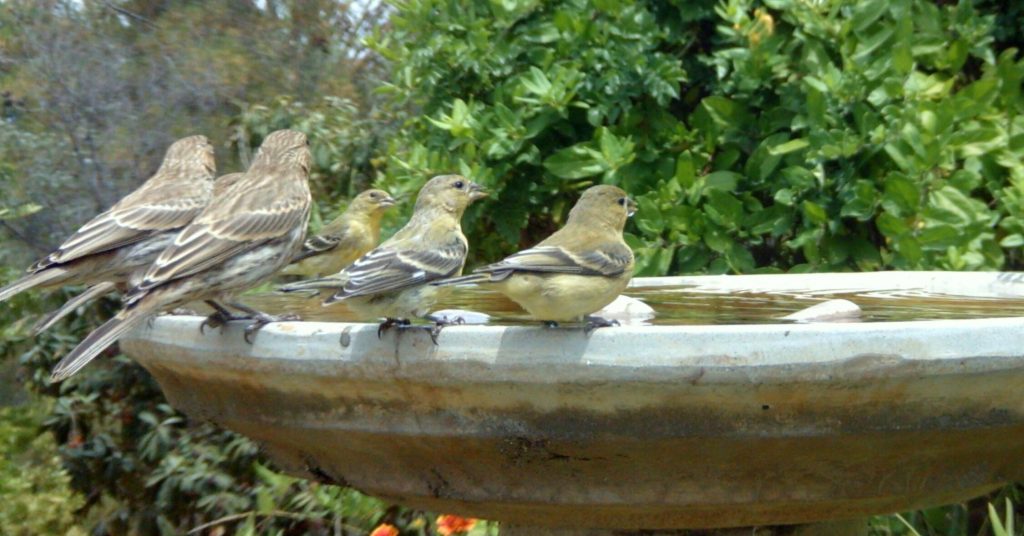
Adding a water feature to your garden is a delightful way to introduce tranquility and attract beneficial wildlife during the fall season. Water features such as fountains, birdbaths, or small ponds provide a vital water source for birds, butterflies, and other beneficial insects, enhancing the overall health and biodiversity of your garden. The soothing sound of flowing water also creates a serene and inviting atmosphere, making your outdoor space a peaceful retreat.
When choosing a water feature, consider the size and style that best complements your garden’s design. Native plants like water lilies and reeds can be incorporated around ponds to provide habitat and nesting sites for wildlife, while fountains can be adorned with colorful stones or sculptures to add visual interest. Additionally, ensuring proper maintenance of your water feature—such as regular cleaning and preventing stagnation—keeps the water fresh and appealing to visitors. I enjoy the calming presence of a birdbath in my garden, where it not only attracts beautiful birds but also adds a charming focal point to my outdoor space. By adding a water feature, you enhance the beauty and functionality of your fall garden, creating a lively and harmonious environment!
Install Solar Garden Lights

Installing solar garden lights is a charming and eco-friendly way to illuminate your garden for fall evenings. Solar lights harness the power of the sun, providing sustainable lighting without the need for electricity or batteries. They come in a variety of styles, from pathway lights and fairy lights to decorative lanterns, allowing you to add a magical glow to your outdoor space effortlessly.
Solar garden lights are easy to install and require minimal maintenance. Simply place them in areas that receive ample sunlight during the day, such as along walkways, around garden beds, or near seating areas. The natural light from solar panels charges the lights during the day, automatically turning on at dusk to create a warm and inviting ambiance. I love using solar lights to highlight my fall decorations and create a cozy atmosphere for evening gatherings. By incorporating solar garden lights, you enhance the beauty and functionality of your garden while embracing sustainable practices!
Build a Compost Bin

Building a compost bin is an excellent way to reduce garden waste and produce nutrient-rich compost that enhances soil health. Composting involves recycling organic materials such as vegetable scraps, fallen leaves, and plant trimmings, transforming them into valuable humus that supports vigorous plant growth. This sustainable practice not only minimizes waste but also enriches your garden’s soil, promoting healthier and more productive plants.
To get started, choose a location for your compost bin that is easily accessible and receives partial sunlight. You can purchase a ready-made bin or build one using recycled materials like pallets or wire mesh. Layer your compost with a mix of green materials (nitrogen-rich) like kitchen scraps and brown materials (carbon-rich) like dried leaves, ensuring proper aeration by turning the pile regularly. I always incorporate kitchen scraps from my harvest and fallen leaves from my mulched beds, creating a balanced and efficient compost system. By investing time in composting, you not only reduce food waste but also foster a thriving and sustainable garden ecosystem!
Use Container Gardens

Utilizing container gardens is a flexible and stylish way to add color and variety to your fall garden, especially if you’re working with limited space or uneven terrain. Containers come in a wide range of sizes, shapes, and materials, allowing you to experiment with different plants and arrangements without committing to permanent garden beds. This versatility makes container gardening ideal for showcasing seasonal flowers, herbs, and vegetables that thrive in the cooler autumn weather.
Container gardens are also mobile, enabling you to rearrange them as needed to capture sunlight or protect plants from harsh weather. Choosing native plants like pansies, kale, and ornamental cabbages ensures that your container garden is both beautiful and resilient. Native plants are well-suited to your local environment, reducing the need for excessive watering and pest control. I love incorporating a mix of colorful pansies and hearty kale in my containers, which not only brightens up my patio but also attracts pollinators and beneficial insects. With container gardening, you can create a dynamic and thriving garden space that adapts to your needs and enhances the overall aesthetic of your outdoor area!
Add Ornamental Grasses

Ornamental grasses are a versatile and low-maintenance addition to any fall garden, providing texture and movement that enhance the overall aesthetic. Native to various regions, grasses like fountain grass, switchgrass, and blue fescue offer a range of colors and forms that complement the autumn landscape. These plants are not only visually appealing but also attract birds and beneficial insects, contributing to a lively and dynamic garden ecosystem.
One of the great things about ornamental grasses is their ability to thrive with minimal care. They require well-drained soil and full to partial sunlight, making them suitable for a variety of garden settings. Additionally, many ornamental grasses are drought-tolerant, reducing the need for frequent watering and helping conserve water during the cooler months. I love incorporating these graceful plants into my garden borders and pathways, where their swaying blades add a sense of serenity and elegance. With their resilience and beauty, ornamental grasses are a fantastic way to spruce up your outdoor space for fall!
Install Raised Garden Beds
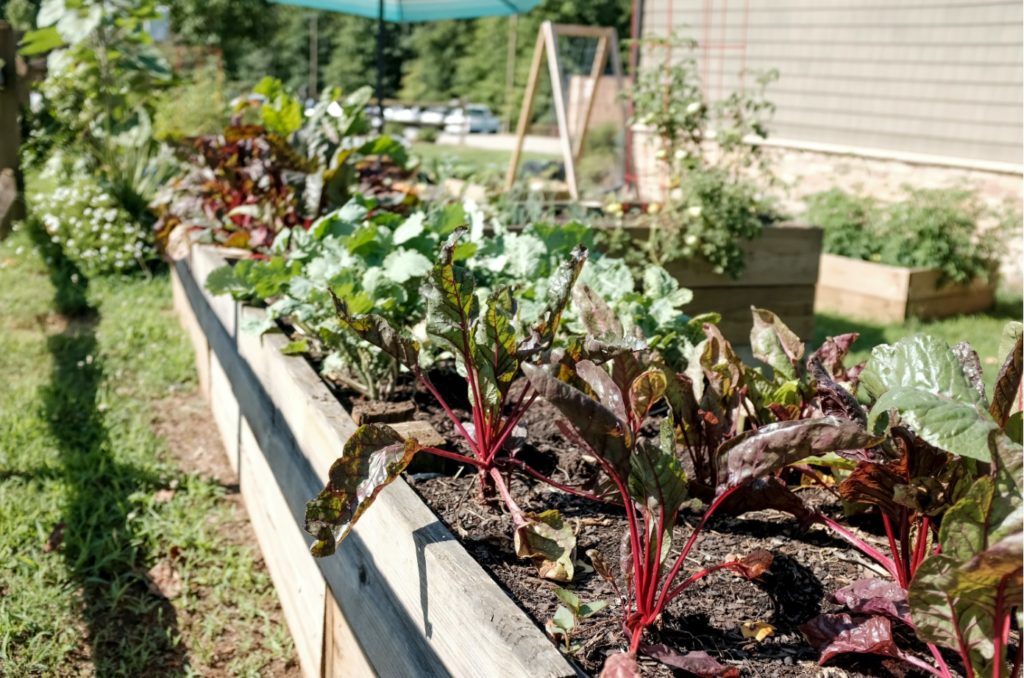
Installing raised garden beds is a practical and aesthetic way to enhance your garden’s health and appearance. Raised beds provide better soil drainage, improved air circulation, and easier access for planting and maintenance. They are particularly beneficial for growing vegetables, herbs, and flowers that thrive in well-drained soil, promoting healthier and more productive plants.
Raised garden beds also help in managing soil quality by allowing you to create a tailored soil mix that meets the specific needs of your plants. This control over soil composition reduces the risk of pests and diseases, minimizing the need for chemical interventions and preventing food waste. Additionally, raised beds can be placed on hardscapes like patios or decks, making gardening more accessible and convenient. I love incorporating raised beds into my garden layout, where they serve as focal points for colorful and productive plantings. By building raised garden beds, you create a structured and efficient growing environment that supports a vibrant and waste-free fall garden!
Install a Pergola or Arbor

Installing a pergola or arbor is a wonderful way to add structure and elegance to your garden, providing a focal point that enhances the overall aesthetic. These structures offer support for climbing plants like roses, wisteria, and clematis, which not only add beauty but also attract pollinators such as bees and butterflies. Native climbing plants are especially beneficial, as they are well-adapted to your local climate and soil conditions, ensuring robust growth and minimal maintenance.
Pergolas and arbors also create inviting shaded areas where you can relax and enjoy your garden. By incorporating comfortable seating and decorative elements like fairy lights or hanging lanterns, you can transform these structures into cozy outdoor retreats. Additionally, the shade provided by pergolas helps protect plants from harsh afternoon sun, creating a more comfortable environment for both plants and garden visitors. I love using my pergola as a spot to unwind with a cup of tea, surrounded by the fragrant blooms of native climbing roses. By adding a pergola or arbor, you enhance the functionality and beauty of your outdoor space, creating a serene and picturesque garden haven!
Incorporate a Garden Pathway

Incorporating a garden pathway is an easy and effective way to add charm and functionality to your outdoor space. Pathways guide visitors through your garden, allowing you to showcase different areas and plants while providing easy access for maintenance. Whether you choose materials like gravel, stepping stones, or mulch, a well-designed pathway can enhance the overall aesthetic of your garden and create a sense of flow and organization.
Additionally, pathways can help protect your plants by preventing soil compaction and reducing the spread of weeds. By clearly defining walking areas, you minimize foot traffic on delicate plant beds, promoting healthier and more vigorous growth. I love using natural stone stepping stones to create a rustic and elegant pathway that winds through my flower beds and around ornamental grasses. To add visual interest, consider incorporating edging materials like bricks or metal borders, which keep the pathway neat and prevent materials from spreading into the garden beds. By incorporating a garden pathway, you create a structured and inviting environment that enhances both the beauty and functionality of your outdoor space!
Conclusion
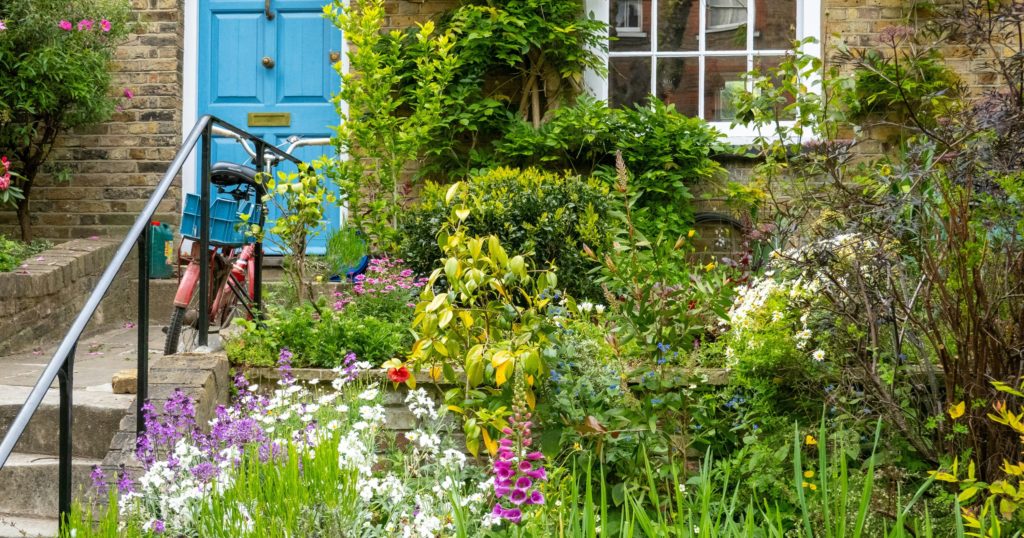
Refreshing your outdoor space with these seven easy garden ideas can transform your garden into a stunning and sustainable oasis. From incorporating native plants that support local wildlife to adding charming structures like pergolas and vertical gardens, each idea offers unique benefits that enhance both the beauty and functionality of your garden. By implementing these strategies, you not only create a visually appealing landscape but also promote a healthy and thriving ecosystem that supports a variety of beneficial insects and wildlife.