

As autumn leaves begin to fall and the air turns crisp, gardeners find themselves reflecting on the season’s harvest. While there’s a sense of accomplishment in nurturing plants from seed to harvest, it’s frustrating when excess produce goes to waste. Reducing food waste from your garden not only maximizes your hard work but also promotes sustainability and environmental stewardship. Whether you’re a seasoned gardener or just starting out, implementing strategies to minimize waste can enhance your gardening experience and contribute positively to the environment.
I know how disheartening it can be to see perfectly good vegetables and fruits spoil or go unused after a season of dedication. That’s why I’m thrilled to share ten effective ways to reduce food waste from your garden. From thoughtful planning and harvesting techniques to creative preservation methods and composting, these tips will help you make the most of your garden’s bounty. Let’s explore these practical solutions to ensure that every bit of your harvest is enjoyed and nothing goes to waste!
Harvest Promptly and Regularly
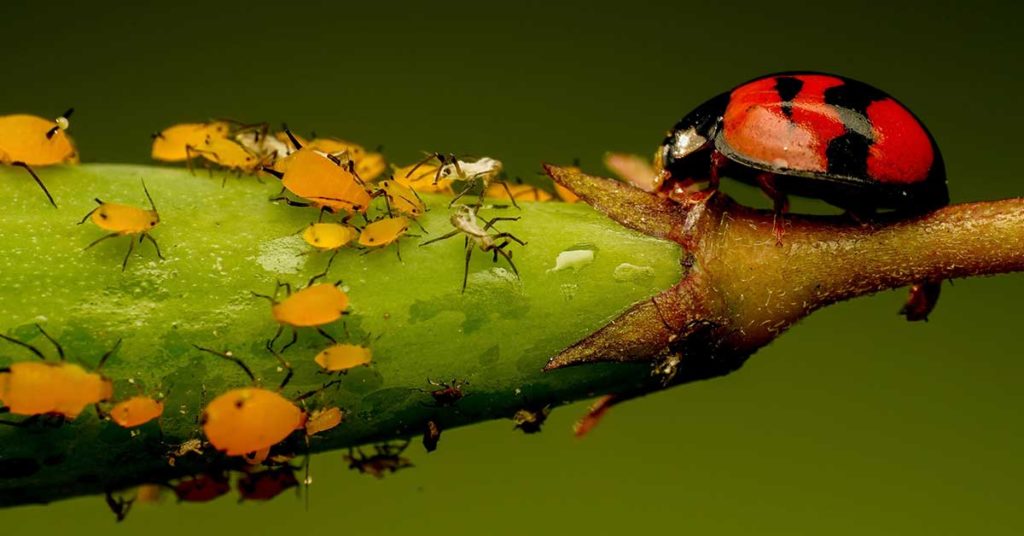
One of the simplest yet most effective ways to reduce food waste is to harvest your produce promptly and regularly. Vegetables like tomatoes, peppers, and beans continue to ripen off the vine, but if left too long on the plant, they can become overripe and more susceptible to pests and diseases. By regularly checking your garden and harvesting produce at the peak of ripeness, you ensure that your vegetables are at their best flavor and texture, reducing the likelihood of spoilage.
For instance, tomatoes are native to South America and have been cultivated for centuries for their rich flavor. Picking them as soon as they reach their desired color not only enhances their taste but also prevents them from attracting unwanted pests like aphids and whiteflies. Similarly, harvesting leafy greens like kale and spinach regularly encourages new growth and ensures that you always have fresh, nutritious leaves available. By staying vigilant and harvesting regularly, you can enjoy a steady supply of fresh produce while minimizing waste.
Practice Succession Planting
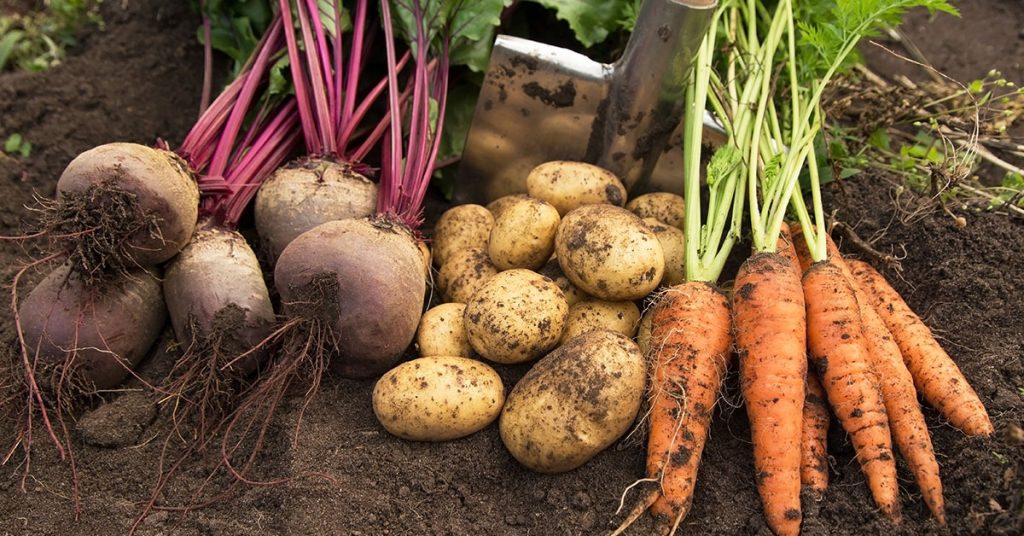
Succession planting is a gardening technique that involves staggering the planting times of crops to ensure a continuous harvest throughout the growing season. This method is particularly effective for fast-growing vegetables like lettuce, radishes, and carrots. By planting seeds at regular intervals, you can avoid a large surplus of produce all at once, which often leads to waste if you’re unable to consume it in time.
For example, carrots, native to Europe and Southwestern Asia, can be planted every few weeks to ensure a steady supply throughout the fall. This approach not only keeps your garden productive but also allows you to enjoy fresh vegetables over a longer period. Additionally, succession planting can help prevent soil depletion by rotating crops and maintaining soil fertility. Implementing this strategy ensures that you have a diverse and manageable harvest, reducing the chances of food waste and keeping your garden vibrant and productive.
Utilize Crop Rotation
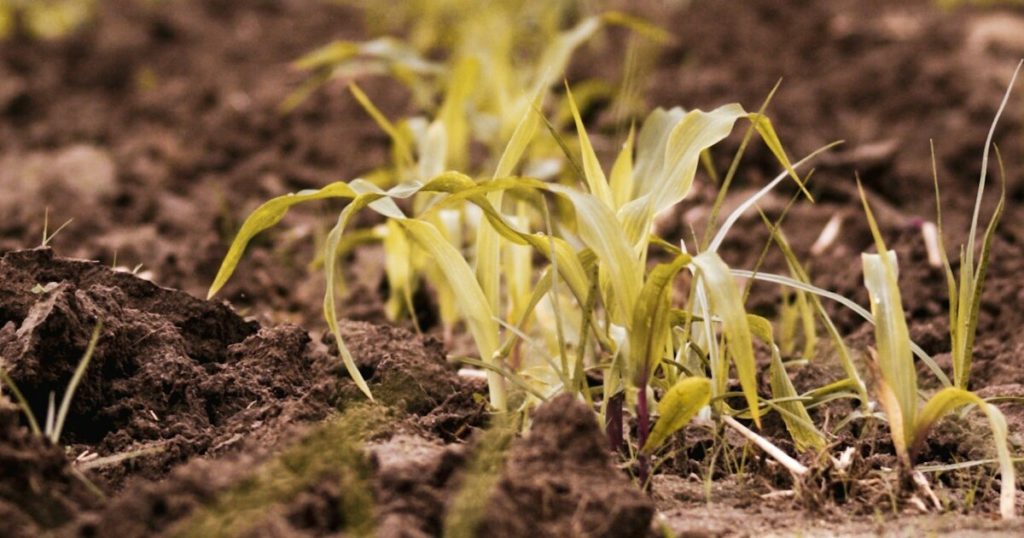
Crop rotation is a fundamental practice in sustainable gardening that involves changing the types of plants grown in a specific area each season. This technique helps prevent soil depletion, reduce pest and disease buildup, and improve overall soil health. By rotating crops, you ensure that no single plant family dominates the soil nutrients, allowing each plant to thrive without competition.
For instance, following a heavy feeder like tomatoes with a nitrogen-fixing plant such as beans can replenish soil nutrients naturally. Beans, native to Central and South America, enrich the soil with nitrogen, benefiting the subsequent crops. Similarly, rotating root vegetables like beets and carrots with leafy greens like kale and spinach helps maintain a balanced soil ecosystem. This practice not only enhances the health and productivity of your garden but also minimizes the risk of pests and diseases that can lead to significant food waste.
Preserve Excess Produce
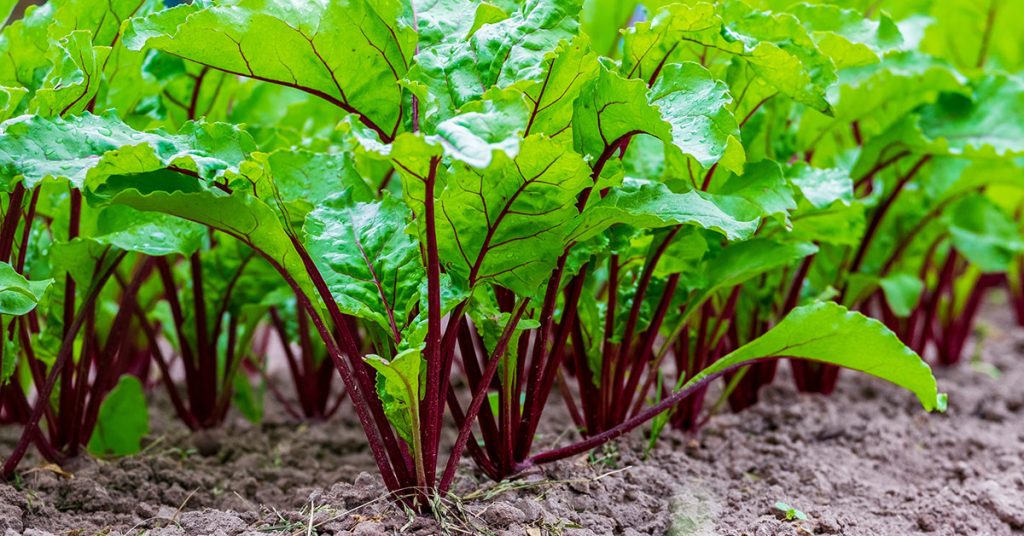
Preserving excess produce is a fantastic way to reduce food waste and enjoy your garden’s bounty year-round. Techniques such as canning, freezing, drying, and fermenting allow you to store vegetables and fruits for extended periods, ensuring that nothing goes to waste. Preserving your harvest not only extends the enjoyment of your garden’s produce but also provides you with nutritious and flavorful ingredients for your kitchen.
For example, beets, native to the Mediterranean region, can be roasted and frozen for later use in soups and stews. Similarly, tomatoes can be canned into sauces or dried for use in seasoning blends. Freezing leafy greens like spinach and kale after blanching them preserves their nutritional value and prevents spoilage. By investing time in preserving your excess produce, you can enjoy the flavors of your garden long after the growing season has ended, effectively minimizing food waste and maximizing your garden’s productivity.
Compost Kitchen Scraps and Garden Waste
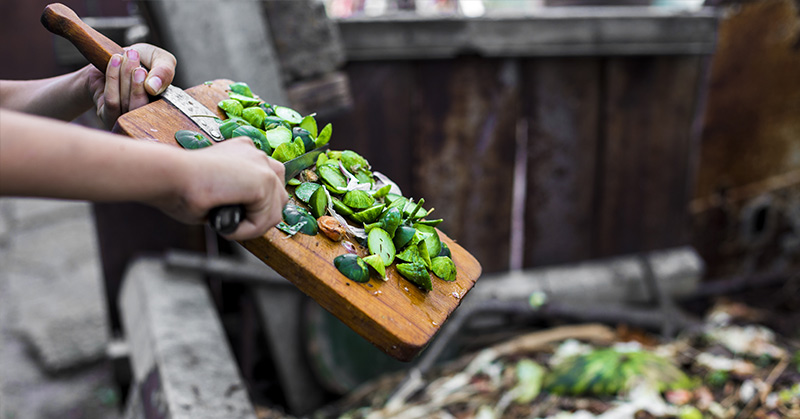
Composting kitchen scraps and garden waste is an eco-friendly way to reduce food waste and enrich your garden’s soil. By recycling organic materials such as vegetable peels, eggshells, and plant trimmings, you create nutrient-rich compost that can improve soil structure, fertility, and moisture retention. This natural fertilizer supports healthy plant growth, reduces the need for chemical fertilizers, and minimizes the amount of waste sent to landfills.
For instance, banana peels and coffee grounds are excellent additions to compost, providing essential nutrients like potassium and nitrogen. Plant trimmings from vegetables like lettuce and kale can also be composted, breaking down into valuable humus that enhances soil health. I always ensure to maintain a balanced compost pile by mixing green materials (nitrogen-rich) with brown materials (carbon-rich) to facilitate efficient decomposition. By composting your kitchen scraps and garden waste, you not only reduce food waste but also create a sustainable cycle that benefits your entire garden ecosystem.
Implement Efficient Watering Practices
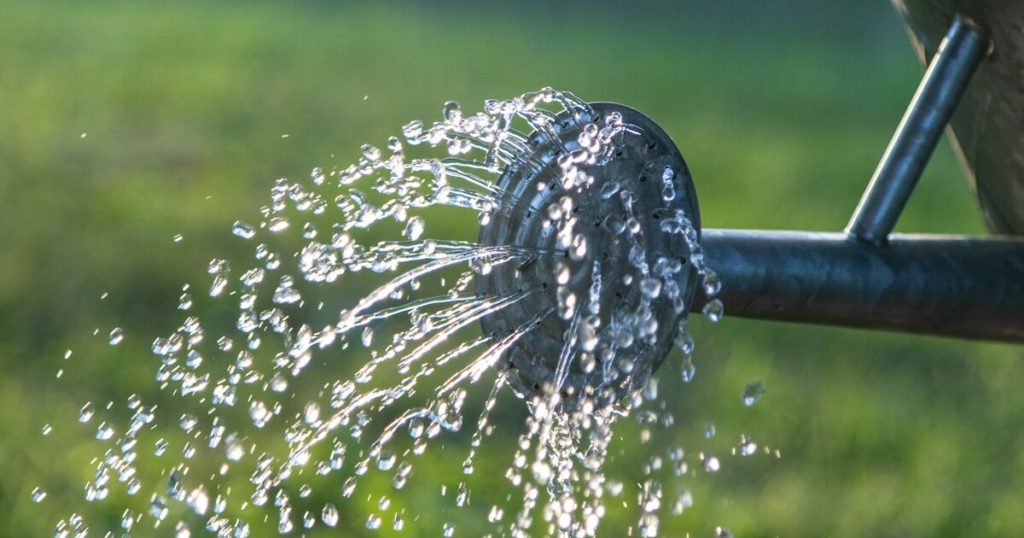
Efficient watering practices are crucial for reducing food waste by ensuring that your plants receive the right amount of moisture they need to thrive. Overwatering can lead to root rot and fungal diseases, while underwatering can stress plants and reduce their productivity. Implementing watering techniques that conserve water and promote healthy plant growth can significantly minimize the risk of produce loss due to improper hydration.
Drip irrigation systems are an excellent way to deliver water directly to the plant roots, reducing evaporation and ensuring that each plant receives consistent moisture. Additionally, watering early in the morning minimizes water loss due to evaporation and allows plants to dry before evening, preventing the development of diseases. Mulching around your plants also helps retain soil moisture and regulate temperature, reducing the need for frequent watering. By adopting these efficient watering practices, you can maintain healthy, productive plants and reduce the likelihood of food waste caused by water-related issues.
Attract Beneficial Wildlife
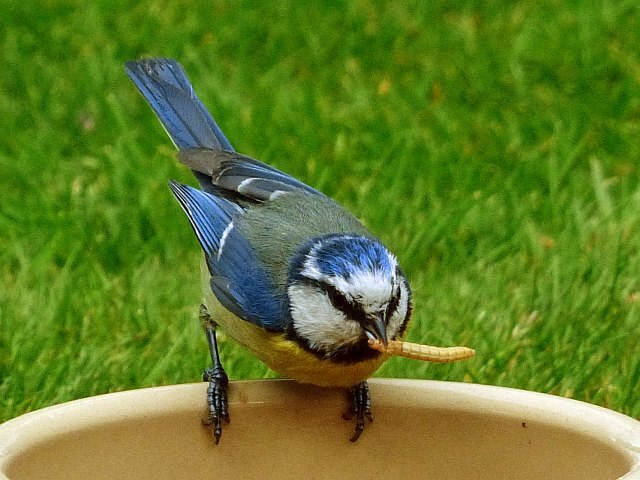
Attracting beneficial wildlife to your garden can help reduce food waste by naturally managing pests and promoting a healthy garden ecosystem. Birds, ladybugs, and predatory insects play a vital role in controlling pest populations, ensuring that your plants remain healthy and productive. Creating an inviting environment for these beneficial creatures not only enhances the biodiversity of your garden but also minimizes the need for chemical pesticides that can harm your plants and the environment.
For example, planting flowers like marigolds and sunflowers can attract ladybugs and lacewings, which prey on aphids and other common garden pests. Providing birdhouses and birdbaths encourages birds to visit your garden, where they can help control insect populations and keep your plants free from unwanted pests. Additionally, incorporating native plants that provide shelter and food sources for beneficial insects supports a balanced garden ecosystem. By fostering a habitat that attracts these helpful wildlife, you can reduce pest-related plant damage and minimize food waste, ensuring a more productive and sustainable garden.
Practice Mulching
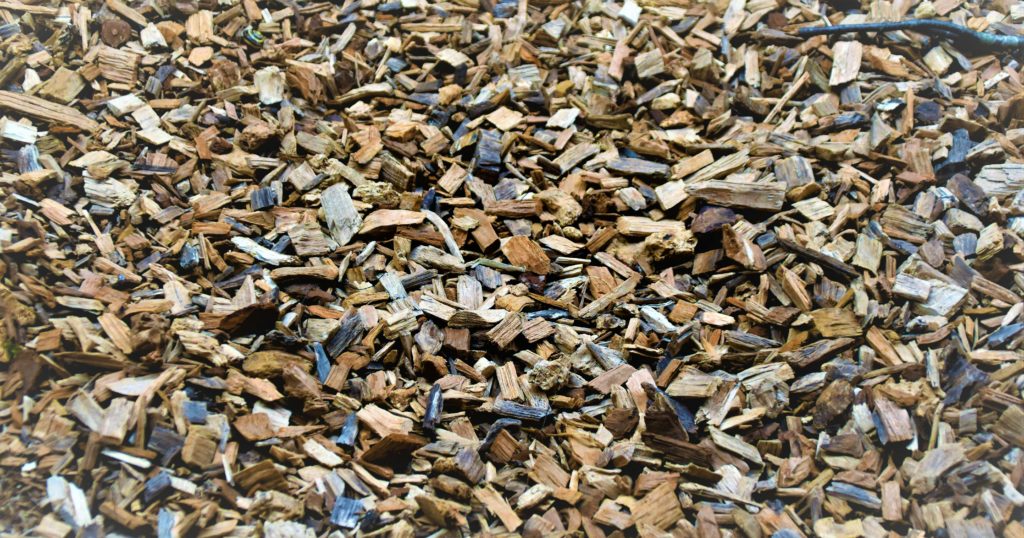
Mulching is a simple yet highly effective way to reduce food waste by protecting your garden’s soil and plants from extreme weather conditions. A thick layer of mulch acts as an insulating barrier, keeping the soil warm during cooler months and cool during the heat of summer. This regulation of soil temperature helps prevent root damage and promotes consistent plant growth, reducing the chances of plants becoming stressed and producing less desirable or spoiled produce.
Organic mulches, such as straw, wood chips, and shredded leaves, also improve soil structure by adding organic matter as they decompose. This enhances soil fertility, moisture retention, and drainage, creating a healthier environment for your plants. Additionally, mulching suppresses weed growth, which can compete with your vegetables for nutrients and water. I always ensure to apply a generous layer of mulch around my vegetable plants, such as tomatoes and peppers, to maintain optimal soil conditions and protect my harvest from the elements. By practicing mulching, you can create a more resilient and productive garden, significantly reducing the risk of food waste.
Save Seeds for Future Planting

Saving seeds from your garden’s produce is a wonderful way to reduce food waste and ensure a continuous supply of your favorite vegetables. By preserving seeds from healthy, productive plants, you can plant them in the next growing season, saving money and resources while maintaining the diversity of your garden. This practice also encourages sustainable gardening by minimizing dependence on commercial seed suppliers and promoting the cultivation of native and non-invasive plant varieties.
For example, harvesting seeds from prolific tomato plants can provide you with a reliable supply of seeds for future crops. Similarly, saving seeds from carrots and beets allows you to maintain the traits you love in these vegetables, such as sweetness and crunchiness. To save seeds, allow fruits and vegetables to fully mature on the plant before harvesting, then carefully extract and dry the seeds. I always label my saved seeds with the variety and planting date, ensuring that I have accurate records for future planting. By saving seeds, you not only reduce food waste but also contribute to the sustainability and resilience of your garden.
Use Vertical Gardening Techniques

Vertical gardening is an innovative approach that maximizes space and enhances garden productivity, helping to reduce food waste by allowing you to grow more produce in limited areas. By utilizing vertical structures such as trellises, cages, and shelves, you can cultivate a greater variety of vegetables without taking up valuable ground space. This method is particularly beneficial for climbing plants like cucumbers, beans, and peas, which can be trained to grow upward, increasing yield and reducing the risk of plant disease and pest infestations.
For instance, tomatoes, native to South America, thrive when supported by stakes or cages, allowing them to grow tall and produce more fruit. Similarly, pole beans and cucumbers can be trained to climb trellises, keeping their foliage off the ground and reducing the likelihood of rot and pest damage. Vertical gardening also improves air circulation around plants, promoting healthier growth and reducing the chances of disease. By incorporating vertical gardening techniques into your garden, you can optimize space, increase productivity, and significantly reduce food waste by ensuring that you have an abundant and manageable harvest.
Preserve Excess Harvest Through Canning and Freezing

Preserving excess harvest through canning and freezing is an excellent way to reduce food waste and enjoy your garden’s bounty all year round. Canning involves processing fruits and vegetables in jars through heat, creating a long-lasting preserve that can be stored for months. Freezing, on the other hand, retains the nutritional value and flavor of produce by preserving it at low temperatures. Both methods allow you to extend the shelf life of your harvest, ensuring that nothing goes to waste.
For example, canning tomatoes into sauces or salsas provides a versatile ingredient for countless recipes, while freezing peas and green beans maintains their crispness and sweetness. Similarly, freezing berries and leafy greens like kale ensures that you have nutritious options available even during the off-season. I always make sure to follow proper canning and freezing guidelines to ensure food safety and quality. By investing time in these preservation techniques, you can enjoy the fruits of your labor throughout the year, minimizing food waste and maximizing the benefits of your garden’s productivity.
Conclusion
Reducing food waste from your garden is not only beneficial for your wallet but also for the environment. By implementing these ten strategies—ranging from timely harvesting and succession planting to efficient watering practices and preserving excess produce—you can ensure that every bit of your harvest is enjoyed and nothing goes to waste. Embracing sustainable gardening practices enhances the productivity and resilience of your garden, allowing you to make the most of your hard work and dedication.