

As the vibrant hues of autumn give way to the crisp air of winter, gardeners face the crucial task of protecting their beloved perennials from the harsh cold. Whether you’re nestled in the icy grips of Zone 1 or enjoying the mild climates of Zone 13, each USDA hardiness zone presents unique challenges and opportunities for winterizing your garden. It’s such a bummer when all your hard work throughout the growing season seems at risk because winter wasn’t properly planned for. But fear not! With the right strategies and plant selections tailored to your specific zone, you can ensure your perennials remain healthy, vibrant, and ready to flourish come spring.
I understand how frustrating it can be to watch your cherished plants struggle to survive the winter, especially after dedicating so much time and care to nurturing them. That’s why I’m excited to share a comprehensive guide on protecting perennials across all USDA growing zones, from the coldest Zone 1 to the warmest Zone 13. From selecting the right hardy species and implementing effective mulching techniques to utilizing protective structures and fostering beneficial wildlife interactions, this guide will help you safeguard your garden’s beauty and health throughout the winter. Let’s dive into the best practices for each zone, ensuring your perennials thrive even in the chilliest conditions!
Zone 1: Ultimate Cold Survivors
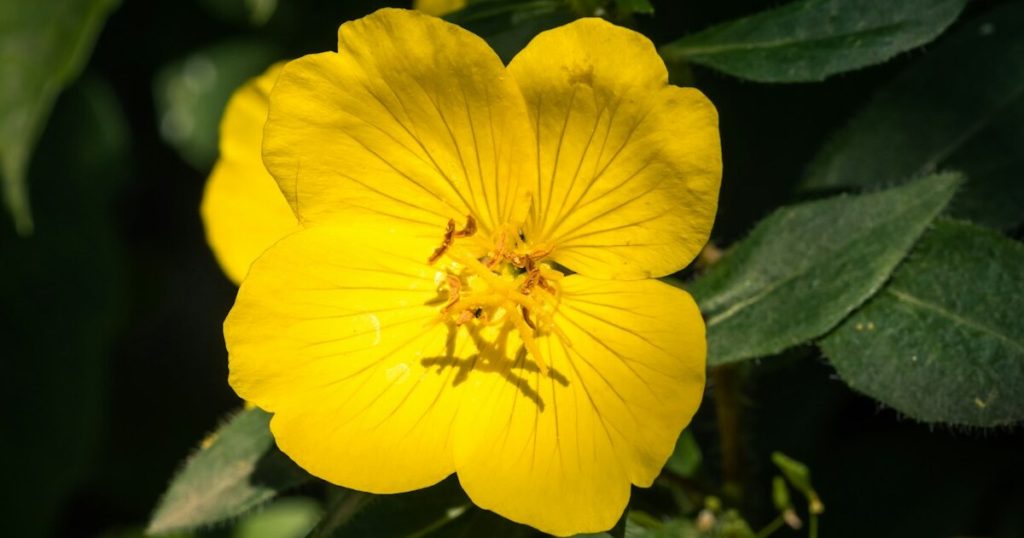
Gardening in Zone 1 can feel like a monumental challenge, but with the right strategies, you can create a thriving winter garden even in the coldest climates! Zone 1, characterized by extreme temperatures that can plummet well below freezing, demands careful planning and resilient plant choices. Native plants such as the Dwarf Willow (Salix herbacea) are perfect for these harsh conditions, providing essential cover for wildlife and maintaining garden structure throughout the winter. Another excellent choice is the Arctic Cinquefoil (Potentilla alpina), known for its ability to thrive in rocky, well-drained soils and support local pollinators despite the intense cold.
To protect these hardy plants, thorough soil preparation and mulching are essential. Incorporating substantial amounts of organic matter like compost or peat moss helps stabilize the soil structure and improve its ability to retain moisture without becoming waterlogged. Additionally, using windbreaks made from evergreens or sturdy fences helps shield your plants from brutal winter winds, creating microclimates that offer a bit more warmth and shelter. Investing in high tunnels or insulated cold frames not only protects your Zone 1 plants but also attracts beneficial insects that help maintain a balanced garden ecosystem. With these comprehensive winterizing techniques, your Zone 1 garden can remain resilient and vibrant, supporting a diverse array of wildlife and plant life all winter long!
Zone 2: Extreme Cold Protection

Zone 2 is one of the coldest USDA zones, with winter temperatures dropping below -50°F. Gardening in such extreme conditions requires selecting the most resilient plants available. The Alpine Cinquefoil (Potentilla alpina), native to high-altitude regions, is an excellent choice for Zone 2 gardens. This perennial thrives in rocky, well-drained soil and can withstand severe cold, providing essential ground cover that supports local wildlife. Another robust option is the Dwarf Willow (Salix herbacea), which offers year-round structure and support for insects and birds, enhancing the biodiversity of your garden.
To protect these hardy plants, comprehensive winter care is essential. Using high tunnels or heavily insulated greenhouses creates a stable environment that shields plants from the brutal winter temperatures. Additionally, applying thick layers of mulch and using frost cloths or burlap wraps can further protect plants from frostbite and wind damage. Ensuring that your soil is well-drained and enriched with organic matter helps prevent root rot and frost heave, maintaining plant health throughout the winter. These extreme cold protection measures ensure that your Zone 2 garden remains a resilient and vibrant haven, supporting a diverse array of wildlife and plant life all winter long!
Zone 3: Essential Winter Gardening Techniques
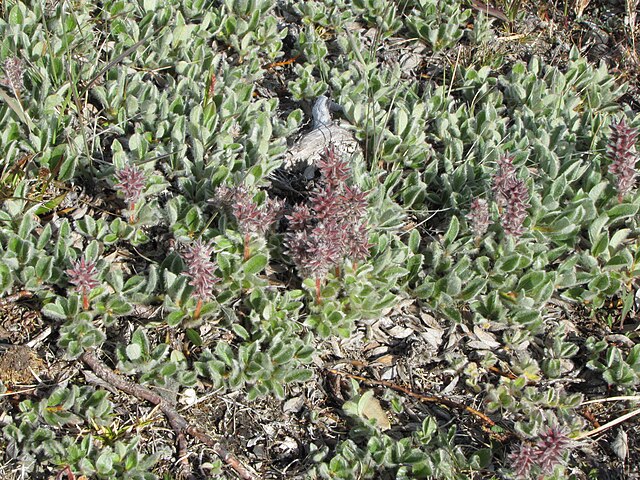
Preparing your garden for winter in Zone 3 requires meticulous planning and the selection of ultra-hardy plants that can withstand extreme cold. Native species like the Arctic Willow (Salix arctica) and the Siberian Peashrub (Caragana arborescens) are excellent choices, as they are well-adapted to the harsh winter conditions and provide essential habitat for local wildlife. One of my favorite techniques is to use heavy mulching around these plants to protect their roots from freezing temperatures, ensuring they remain healthy and vibrant throughout the winter months.
Additionally, incorporating windbreaks made from evergreen shrubs or sturdy fences can help shield your plants from brutal winter winds, creating microclimates that offer a bit more warmth and shelter. I always make sure to prepare my garden beds thoroughly in the fall, incorporating plenty of organic material to create a rich, fertile environment that supports plant health even during the coldest winters. Using cover crops like winter rye helps protect the soil from erosion and improve its structure, making your garden more resilient and ready for spring planting. With these comprehensive winterizing strategies, your Zone 3 garden can thrive even in the coldest climates, offering a robust and beautiful landscape that supports a diverse array of wildlife!
Zone 4: Hardy and Resilient Choices

In Zone 4, where winter temperatures can plunge to -30°F, selecting plants that can withstand extreme cold is crucial. One of my favorite choices is the Siberian Iris (Iris sibirica), native to the wetlands of Siberia. This hardy perennial not only survives the harshest winters but also bursts into vibrant blooms in the spring, attracting pollinators like bees and butterflies. Another excellent option is the Purple Coneflower (Echinacea purpurea), which is native to North America and known for its resilience and ability to support local wildlife. These plants are not considered invasive, making them perfect additions to your winter garden without the risk of them taking over.
To protect these hardy plants, thorough soil preparation and mulching are essential. Adding organic matter such as compost improves soil structure and drainage, preventing waterlogging and frost heave. A thick layer of mulch acts as an insulating blanket, safeguarding the roots from freezing temperatures. Additionally, pruning back any dead foliage in the fall reduces the risk of disease and pest infestations during the colder months. I find that applying mulch not only protects my plants but also enriches the soil as it decomposes, providing nutrients for the next growing season. By choosing resilient plants and implementing effective winterizing techniques, your Zone 4 garden can remain robust and beautiful throughout the winter months!
Zone 5: Comprehensive Winter Care
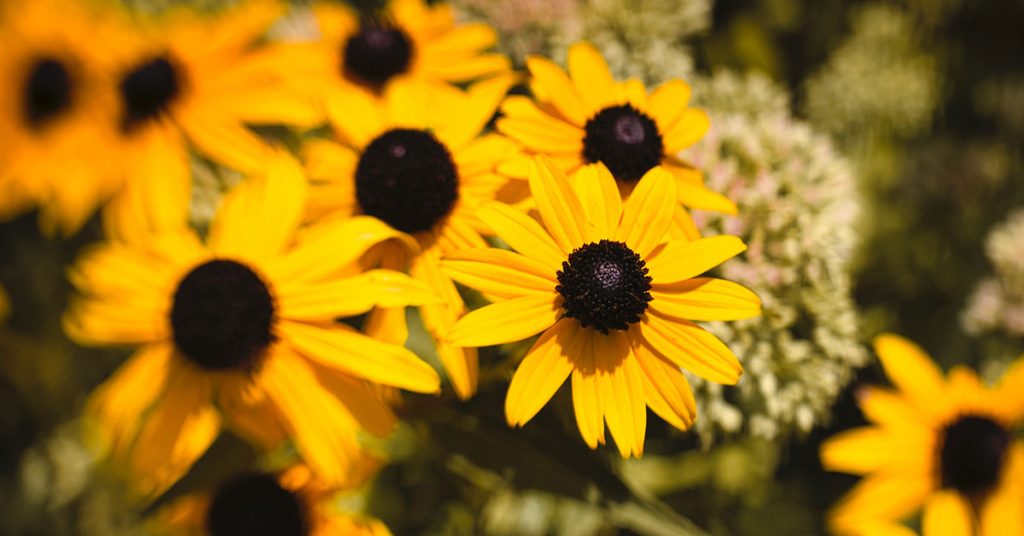
Winterizing your garden in Zone 5 involves a combination of careful planning, strategic plant selection, and diligent maintenance. Selecting winter-hardy plants such as the Black-eyed Susan (Rudbeckia hirta) and Siberian Iris (Iris sibirica) ensures that your garden remains vibrant even as temperatures drop. Incorporating these native plants not only adds beauty but also supports local wildlife, attracting pollinators and beneficial insects that help maintain a healthy garden ecosystem. I find that using cold frames and greenhouses allows me to extend the growing season and protect tender plants from unexpected frosts, making winter gardening much more manageable and enjoyable.
Soil management and mulching are critical components of winterizing in Zone 5. Enriching the soil with compost and applying a thick layer of mulch helps insulate plant roots, retain moisture, and prevent soil erosion caused by heavy snow and ice. I always make sure to prepare my garden beds thoroughly in the fall, incorporating plenty of organic material to create a fertile and supportive environment for my plants. Additionally, pruning and regular plant maintenance, such as removing dead or diseased branches, helps keep my garden healthy and reduces the risk of winter damage. With these comprehensive strategies, your Zone 5 garden can thrive throughout the cold months, ensuring a strong and beautiful return come spring!
Zone 6: Enhancing Soil Health
In Zone 6, winter temperatures are cold but not as severe as in Zones 1-4, allowing for a diverse range of perennials. Native plants like the Hardy Fern (Polystichum acrostichoides) thrive in this zone, providing lush greenery that attracts beneficial insects and birds. Protecting Hardy Ferns involves ensuring the soil is rich and well-drained, then applying a thick layer of mulch to insulate the roots and maintain soil moisture during the winter. Additionally, creating microclimates by planting near structures that absorb and radiate heat can help keep these ferns healthy and vibrant.
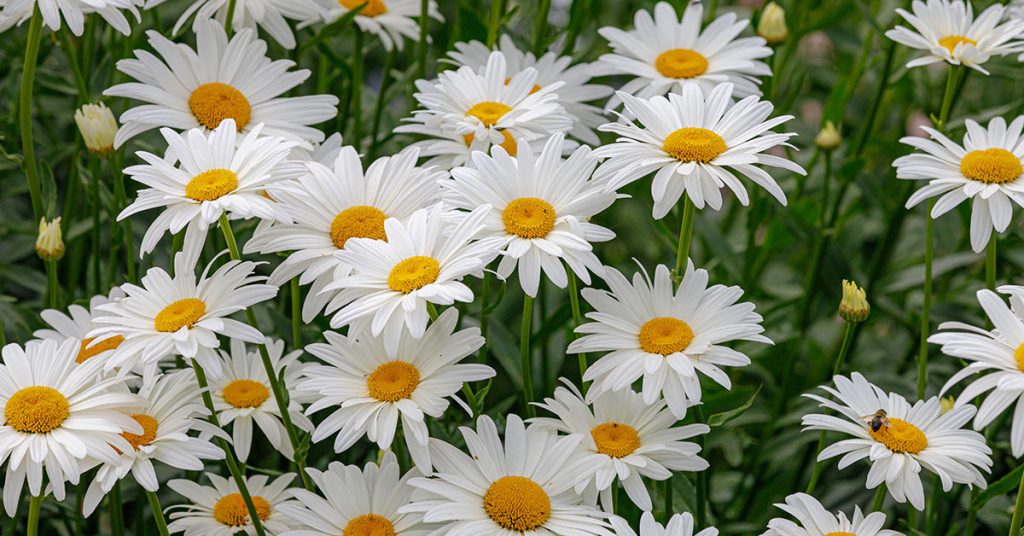
Another wonderful perennial for Zone 6 is the Shasta Daisy (Leucanthemum × superbum), native to Europe and Asia. These cheerful flowers attract a variety of pollinators, including bees and butterflies, enhancing the overall health of your garden. Protecting Shasta Daisies involves regular pruning in the fall to remove dead stems and encourage new growth in the spring. Applying organic mulch not only insulates the soil but also enriches it as it decomposes, providing essential nutrients for your plants. By enhancing soil health and protecting your perennials, your Zone 6 garden can remain a beautiful and thriving sanctuary throughout the winter months!
Zone 7: Maintaining Garden Health During Winter
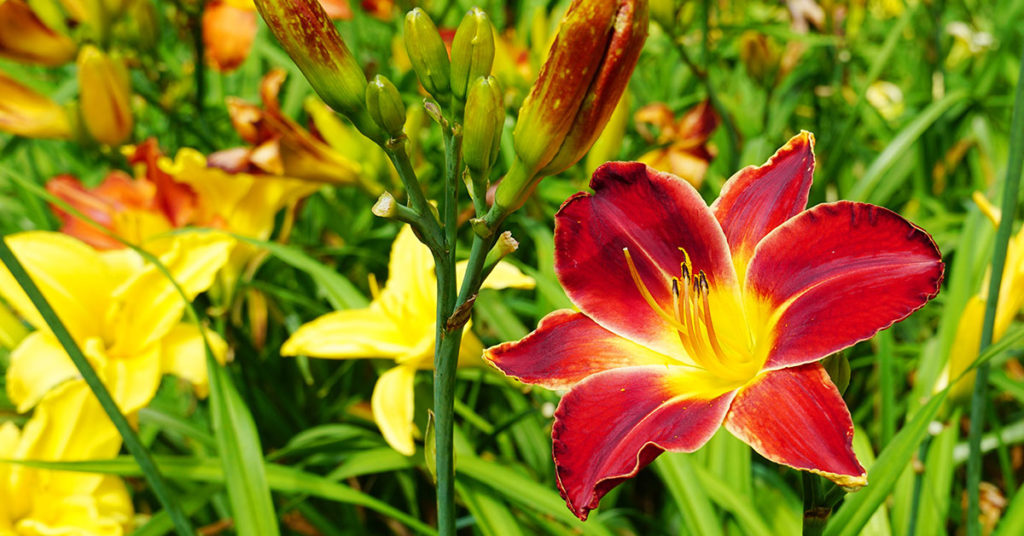
In Zone 7, winters are generally mild, but occasional frosts can still challenge your perennials. Native plants like the Eastern Redbud (Cercis canadensis) are excellent choices, as they are well-adapted to the local climate and provide stunning spring blooms that attract pollinators. To protect Eastern Redbuds, using cold frames or lightweight covers during unexpected cold nights can prevent frost damage while allowing air circulation. Additionally, applying a thick layer of mulch around the base of the trees helps insulate the roots and retain soil moisture.
Another superb perennial for Zone 7 is the Daylily (Hemerocallis spp.), native to Asia and known for its hardiness and vibrant flowers. Daylilies attract a variety of beneficial insects, including bees and butterflies, which help maintain a healthy garden ecosystem. Protecting Daylilies involves ensuring proper soil drainage and enriching the soil with organic matter to enhance their resilience against winter stress. I also recommend dividing overcrowded clumps in the fall, which not only promotes healthier growth but also prevents disease buildup. By maintaining garden health through these practices, your Zone 7 perennials can thrive and bring beauty to your garden year after year!
Zone 8: Protecting Sensitive Plants

Winterizing your garden in Zone 8 requires a balance between protecting sensitive plants from occasional cold snaps and taking advantage of the milder winters to extend your growing season. Native plants such as the Camellia japonica and the native Mountain Laurel (Kalmia latifolia) are excellent choices, as they are well-adapted to the local climate and can withstand brief periods of frost. One of my favorite techniques is to use frost cloths and burlap wraps to cover more delicate plants during unexpected cold spells, providing an extra layer of protection without sacrificing airflow or light exposure.
Creating microclimates within your garden is another effective strategy in Zone 8. By strategically placing plants near heat-absorbing structures like brick walls or installing reflective surfaces, you can create warmer areas that offer additional warmth and shelter for sensitive species. I love experimenting with different garden layouts to optimize these microclimates, ensuring that each plant has the ideal conditions to thrive throughout the winter. Additionally, maintaining proper soil health through regular composting and mulching helps your plants remain strong and resilient, ready to face whatever winter conditions come their way. With these protective measures, your Zone 8 garden can remain lush and vibrant, offering beauty and life even in the colder months!
Zone 9: Subtropical Sensations

Zone 9 experiences mild winters, making it perfect for a variety of subtropical perennials. One standout plant is the Texas Sage (Leucophyllum frutescens), native to the southwestern United States. This evergreen shrub produces beautiful purple flowers that attract pollinators like bees and butterflies. To protect Texas Sage during winter, use mulch to insulate the roots and ensure the soil remains well-drained. Additionally, incorporating windbreaks can help shield these plants from occasional cold winds, maintaining their health and vibrancy.
Another excellent choice for Zone 9 is the Bird of Paradise (Strelitzia reginae), native to South Africa. Known for its striking, bird-like flowers, this perennial attracts a variety of pollinators and adds a tropical flair to your winter garden without being invasive. Protecting Bird of Paradise involves ensuring they receive plenty of sunlight and well-drained soil, as well as using frost cloths during unexpected cold snaps to prevent frost damage. I also recommend regular pruning to remove dead or damaged leaves, which helps promote healthy growth and stunning blooms in the spring. By selecting the right perennials and implementing effective protection measures, your Zone 9 garden can remain a vibrant and lively paradise throughout the winter!
Zone 10: Extending the Growing Season
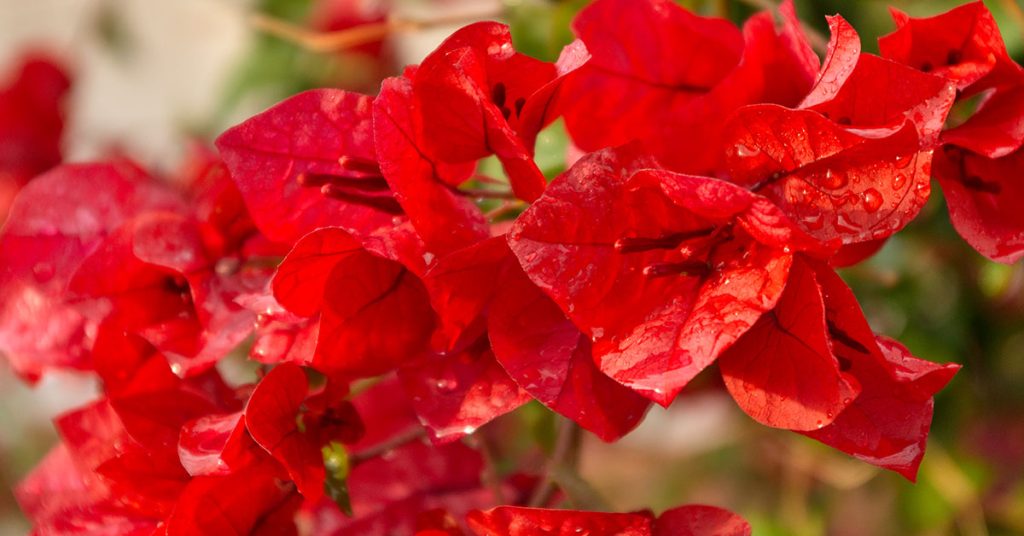
In Zone 10, where winters are warm and frost is rare, winterizing your garden focuses on maintaining vibrant, tropical-like gardens year-round. One of my favorite plants for this zone is the Bougainvillea (Bougainvillea spp.), native to South America. Known for its stunning, colorful bracts, Bougainvillea attracts a variety of pollinators, including butterflies and hummingbirds, adding lively movement and color to your garden. Another excellent choice is the Camellia (Camellia japonica), which boasts beautiful blooms in the cooler months, providing a splash of color when most other plants are dormant. These plants are not considered invasive, allowing you to enjoy their beauty without worrying about them spreading uncontrollably.
Maintaining soil moisture and providing adequate drainage are key to thriving in Zone 10. Incorporating well-draining soil mixes and using drip irrigation systems helps keep your plants healthy and stress-free during the warmer winter months. Additionally, using shade cloths during unexpected cold snaps can protect sensitive species from sudden temperature drops. I love integrating these protective measures, as they ensure my tropical plants remain lush and vibrant throughout the winter. By selecting the right plants and implementing thoughtful care, your Zone 10 garden can be a year-round paradise, offering continuous beauty and ecological benefits!
Zone 11: Tropical Winter Gardening

Zone 11, with its warm winters, is a haven for tropical and subtropical perennials that thrive without the threat of frost. Native plants like the Heliconia (Heliconia spp.) and the Bird of Paradise (Strelitzia reginae) are ideal for this climate, offering stunning, exotic blooms that attract hummingbirds and butterflies. Protecting these plants involves ensuring they receive adequate sunlight and well-drained soil, as well as using frost cloths during unexpected cold snaps to prevent frost damage. Additionally, maintaining consistent moisture levels through regular watering and mulching helps keep the roots healthy and supports vigorous growth.
Another excellent choice for Zone 11 is the Tropical Ginger (Zingiber zerumbet), known for its bold, banana-like foliage and striking flowers that add a vibrant touch to any garden. These plants attract a variety of pollinators and beneficial insects, enhancing the overall health of your garden ecosystem. Protecting Tropical Ginger involves regular watering and mulching to maintain soil moisture and temperature levels around the plants. I also recommend pruning back any dead or damaged leaves to promote new growth and maintain the plant’s stunning appearance. By focusing on these tropical-friendly strategies, your Zone 11 garden can remain a lush and vibrant oasis, offering endless beauty and ecological benefits all winter long!
Zone 12: Subtropical Resilience
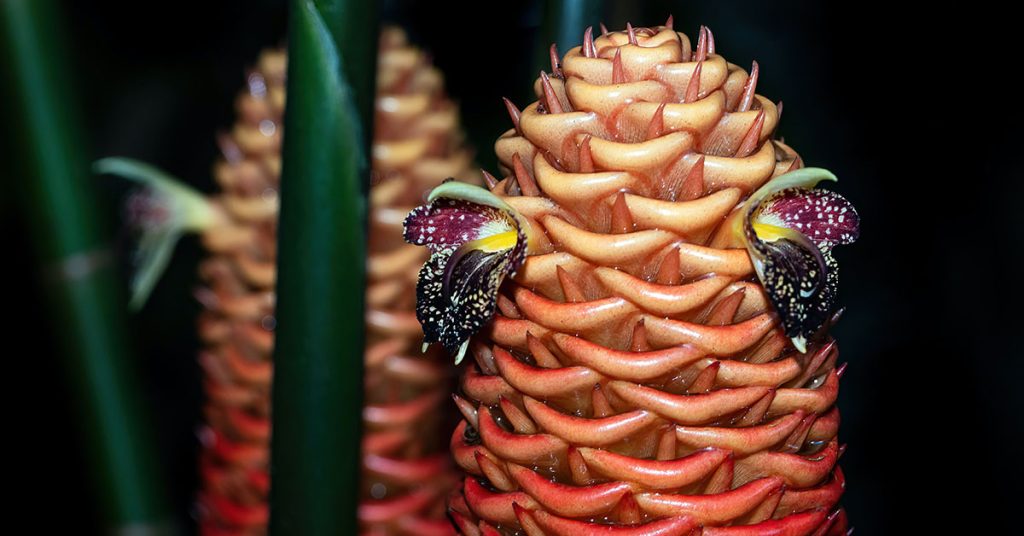
In Zone 12, where winters are warm and frost is rare, winterizing your garden focuses on maintaining the health and vibrancy of your perennials rather than protecting them from cold. Native plants like the Bougainvillea and Hibiscus rosa-sinensis thrive in this climate, providing stunning blooms that attract a variety of pollinators, including hummingbirds and butterflies. Protecting these plants during unexpected cold snaps involves using portable frost blankets or cloches, which offer an extra layer of insulation without restricting airflow or light exposure. Additionally, applying mulch around the base helps retain soil moisture and regulate temperature, keeping the roots healthy and resilient.
Another excellent choice for Zone 12 is the Tropical Ginger (Zingiber zerumbet), known for its bold, banana-like foliage and striking flowers that add a vibrant touch to any garden. These plants attract a variety of pollinators and beneficial insects, enhancing the overall health of your garden ecosystem. Protecting Tropical Ginger involves regular watering and mulching to maintain soil moisture and temperature levels around the plants, as well as ensuring proper drainage to prevent root rot. I also recommend pruning back any dead or damaged leaves to promote new growth and maintain the plant’s stunning appearance. By focusing on these subtropical resilience strategies, your Zone 12 garden can remain lush and vibrant, offering a thriving and beautiful landscape even during the warmer winter months!
Zone 13: Year-Round Tropical Flourish
In the rare and unique Zone 13, where winters are warm and frost is virtually nonexistent, winterizing your garden focuses on maintaining the lushness and vibrancy of tropical and subtropical plants. Native species such as the Heliconia and the Tropical Ginger (Zingiber zerumbet) are perfect for these climates, offering stunning foliage and vibrant blooms that attract a variety of pollinators, including hummingbirds and butterflies. I love incorporating these tropical wonders into my garden, as they provide continuous color and life, making winter gardening a pleasure rather than a challenge.
Additionally, managing humidity and ensuring proper drainage are crucial in Zone 13 to prevent issues like root rot and fungal diseases. Using well-draining soil mixes and incorporating raised beds can help maintain optimal moisture levels, keeping your plants healthy and stress-free. I find that regular pruning and deadheading not only keeps my plants looking their best but also encourages continuous blooming, providing a steady supply of color and life throughout the winter months. By focusing on these year-round tropical flourish strategies, your Zone 13 garden can remain a thriving and beautiful oasis, offering endless beauty and ecological benefits all year long!