

As autumn leaves begin to fall and the air turns brisk, preparing your garden for the winter months in Zone 3 becomes a crucial task for any dedicated gardener. Zone 3, known for its cold winters with temperatures often plunging well below freezing, presents unique challenges that require thoughtful strategies to protect your plants and ensure they thrive come spring. It’s such a bummer when all your hard work throughout the growing season seems at risk because winter wasn’t properly planned for. But don’t worry! With the right techniques, you can safeguard your garden against the harsh cold and heavy snow, keeping it vibrant and productive even in the chilliest months.
I understand how frustrating it can be to see your beloved plants struggle to survive the winter, especially after dedicating so much time and care to your garden. That’s why I’m thrilled to share some essential tips and techniques specifically tailored for Zone 3 gardeners. From soil management and mulching to selecting the right plants and protecting perennials, these strategies will help you maintain a thriving garden despite the freezing temperatures. Let’s dive into the best practices that will keep your garden resilient and beautiful throughout the winter!
Soil Management and Mulching

Proper soil management is crucial for winterizing your garden in Zone 3. The cold can lead to soil compaction and nutrient depletion, so enriching your soil before the first frost is essential. Adding organic matter like compost or well-rotted manure not only improves soil structure but also enhances its ability to retain moisture. This is particularly important in Zone 3, where frozen ground can make it difficult for plants to access nutrients and water. I always make sure to incorporate plenty of organic material into my garden beds, as it helps to create a rich, fertile environment that supports plant health even during the harshest winters.
Mulching is another key component of effective soil management. A thick layer of mulch, such as straw, wood chips, or leaf mold, acts as an insulating blanket that protects plant roots from extreme cold and temperature fluctuations. In Zone 3, where winters are particularly severe, mulching can prevent soil from freezing solid, allowing roots to continue accessing necessary moisture and nutrients. Additionally, mulch helps suppress weed growth and reduces soil erosion caused by heavy snow and ice. I find that applying a generous layer of mulch in late fall not only safeguards my plants but also makes spring gardening much easier by improving soil quality and structure.
Selecting Hardy Plants

Choosing the right plants is fundamental to winter gardening success in Zone 3. Opt for hardy species that are well-suited to withstand freezing temperatures and short growing seasons. Native plants are often the best choice, as they have evolved to thrive in local climate conditions. For example, the Black-eyed Susan (Rudbeckia hirta), native to North America, is a resilient perennial that can endure the cold while providing vibrant blooms in the summer. Additionally, selecting non-invasive varieties ensures that your garden remains healthy and balanced without the risk of certain plants taking over.
Incorporating a mix of perennials, shrubs, and bulbs can create a diverse and robust garden that can withstand winter’s challenges. Perennials like the Siberian Iris (Iris sibirica) and ornamental grasses such as Miscanthus are excellent choices for Zone 3 gardens. These plants not only survive the winter but also provide essential habitat and food sources for local wildlife, attracting pollinators and beneficial insects in the spring. I love including a variety of hardy plants in my garden because it ensures continuous beauty and ecological support year after year, making my garden both resilient and ecologically friendly.
Protecting Perennials During Winter
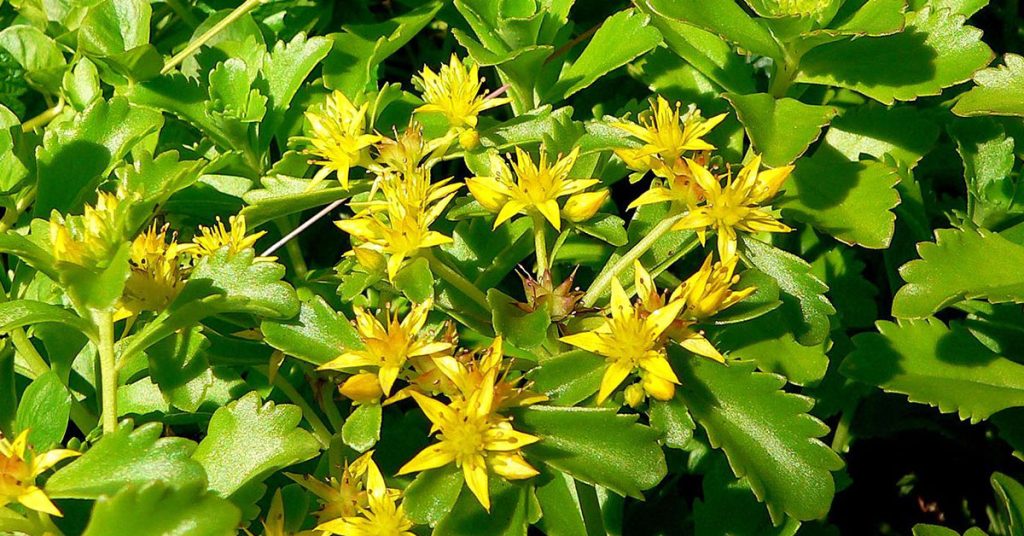
Protecting perennials is essential for maintaining a healthy and vibrant garden in Zone 3. One effective method is to apply a thick layer of mulch around the base of each plant, which insulates the roots and prevents frost heave from damaging the plant structure. Perennials native to colder regions, such as Hellebores (Helleborus spp.) and Sedum (Sedum spp.), can benefit greatly from this added protection, ensuring they remain robust and ready to bloom come spring. Additionally, using burlap or horticultural fleece to cover more delicate plants can provide an extra layer of defense against heavy snow and ice.
Another important technique is proper pruning before winter sets in. Removing dead or damaged stems and leaves not only improves the plant’s appearance but also reduces the risk of disease and pest infestations during the winter months. For example, pruning your Echinacea (Echinacea purpurea) can help maintain its shape and health, ensuring it remains a striking feature in your garden year after year. I always take the time to carefully prune my perennials, as it significantly enhances their resilience and overall vitality, making sure they are well-prepared to face the cold season.
Cover Crops and Soil Health

Incorporating cover crops into your winter gardening plan is a fantastic way to maintain and improve soil health in Zone 3. Cover crops such as winter rye, clover, and vetch help to prevent soil erosion, enhance soil structure, and fix nitrogen, enriching the soil for the next growing season. These plants also provide habitat for beneficial insects and microorganisms, which are vital for a healthy garden ecosystem. Planting cover crops in the fall ensures that your soil remains protected from the harsh winter elements, keeping it fertile and ready for spring planting.
Additionally, cover crops can act as natural weed suppressors, reducing the need for manual weeding and chemical interventions. By covering the soil with a dense mat of green vegetation, cover crops outcompete weeds for light, nutrients, and space, leading to a cleaner and more manageable garden. I find that planting cover crops not only benefits the soil but also adds diversity and life to my winter garden, creating a thriving environment that supports the overall health of my garden year-round. Utilizing cover crops is a sustainable and effective strategy that aligns perfectly with eco-friendly gardening practices!
Wind Protection and Microclimates
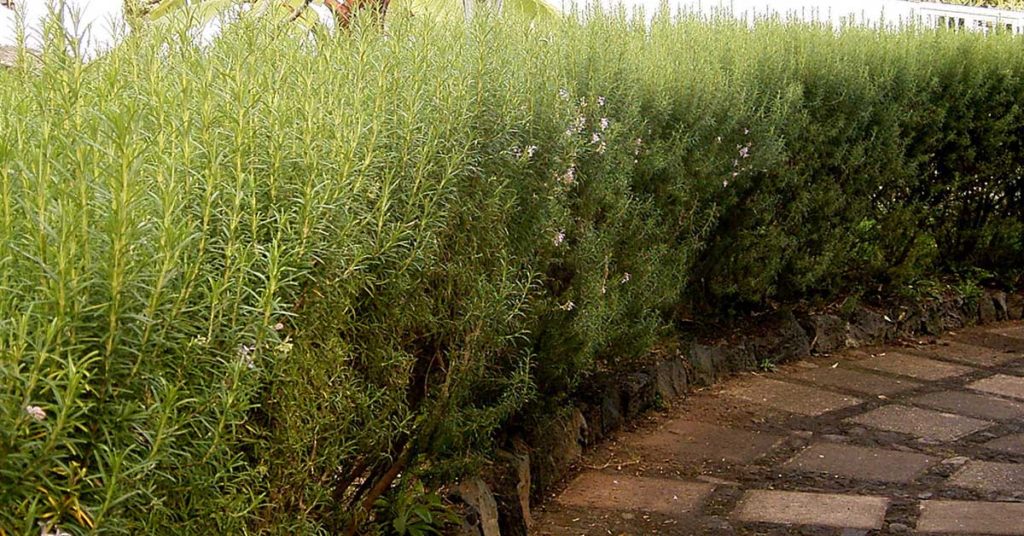
Creating wind protection is essential for winter gardening in Zone 3, where strong winds can cause significant damage to plants and garden structures. Installing windbreaks such as evergreen hedges, fences, or strategically placed shrubs can help shield your garden from harsh gusts, reducing moisture loss and preventing physical damage to plants. Windbreaks also create microclimates within your garden, allowing for a more controlled environment where plants can thrive despite the cold and windy conditions. I love using evergreens like pine and spruce as natural barriers, as they not only provide effective protection but also add beauty and year-round greenery to my garden.
In addition to windbreaks, creating microclimates by utilizing elements like walls, rocks, and raised beds can help moderate temperature extremes and create pockets of warmth that benefit sensitive plants. For instance, planting near a south-facing wall can provide extra warmth and shelter, extending the growing season and enhancing plant survival rates. I’ve noticed that by thoughtfully arranging my garden to take advantage of natural and artificial structures, I can create a more resilient and productive space that supports a variety of plants, even in the harshest winter conditions. Effective wind protection and microclimate creation are key strategies that make a significant difference in the success of your winter garden!
Greenhouse and Cold Frame Use

Utilizing greenhouses and cold frames is a highly effective strategy for winter gardening in Zone 3. These protective structures create a controlled environment that shields plants from extreme cold, allowing you to extend your growing season and protect tender plants. Greenhouses, whether glass or polycarbonate, provide a warm, humid environment that can nurture a wide range of vegetables, herbs, and ornamental plants throughout the winter. Cold frames, being more affordable and easier to manage, offer a simpler way to protect individual plants or small garden areas from frost and snow.
Greenhouses and cold frames also contribute to maintaining soil moisture and reducing the risk of frost heave by keeping the soil temperature more stable. This consistent environment encourages healthy plant growth and can attract beneficial insects that help with pollination and pest control. I absolutely adore the versatility of using greenhouses, as they allow me to experiment with different plant varieties and enjoy fresh produce even during the coldest months. Investing in a greenhouse or cold frame has been a game-changer for my winter gardening, providing a sanctuary for my plants and ensuring that my garden remains productive year-round!
Pruning and Plant Maintenance
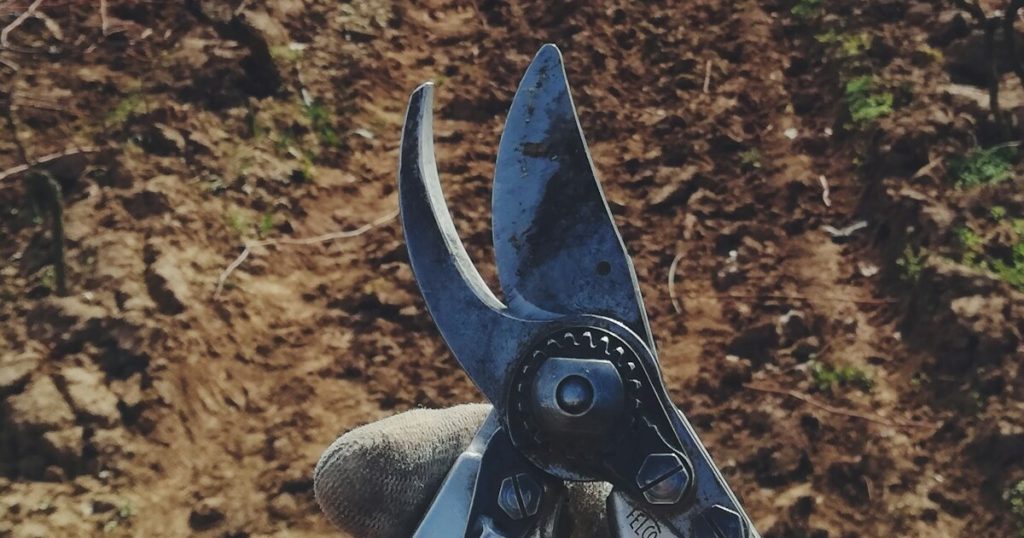
Pruning and regular plant maintenance are vital for preparing your garden for winter in Zone 3. Proper pruning helps to remove dead or diseased branches, which can harbor pests and pathogens during the winter months. By trimming back overgrown plants, you not only improve their overall health but also enhance their structural integrity, making them better equipped to withstand the cold. For example, pruning fruit trees like apple and pear helps prevent snow and ice accumulation on branches, reducing the risk of breakage and ensuring a healthy, productive tree in the spring.
In addition to pruning, maintaining plant health through regular inspections and treatments can prevent winter damage and ensure that your garden emerges strong. Applying a winter fertilizer to certain plants can provide them with the necessary nutrients to survive the cold months. I always make it a point to inspect my plants thoroughly before winter, addressing any issues promptly to avoid problems down the line. Consistent plant maintenance not only protects your garden from the elements but also sets the stage for a thriving and beautiful garden when the snow melts and the temperatures rise again!
Tool Maintenance and Storage
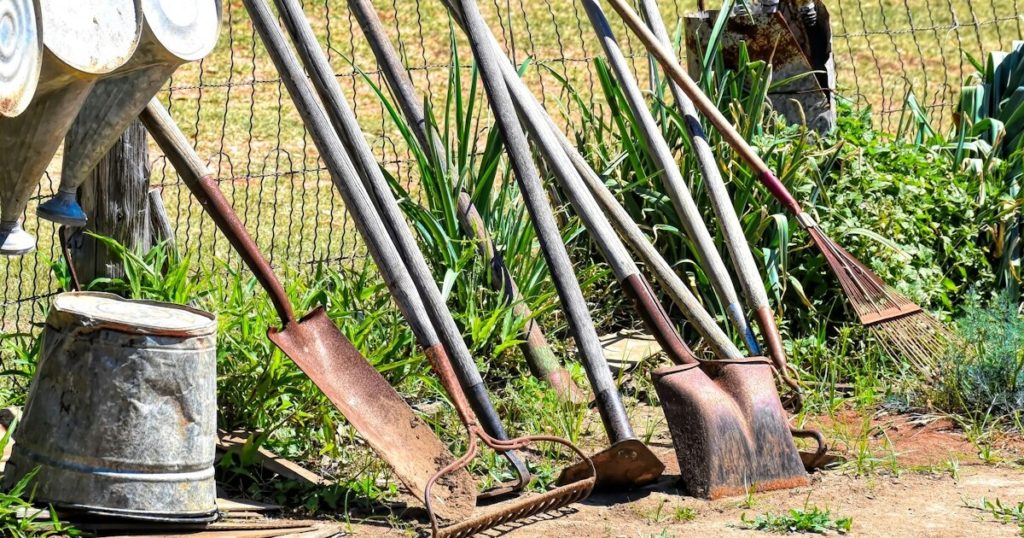
Proper tool maintenance and storage are often overlooked aspects of winter gardening, but they are crucial for ensuring your tools remain in good condition for the next growing season. The extreme cold and moisture can cause rust and wear on your gardening tools, so it’s essential to clean, sharpen, and oil them before storing them away for the winter. This simple maintenance routine extends the lifespan of your tools and ensures they are ready for use when spring arrives. I always take the time to carefully clean and maintain my tools, as it prevents corrosion and keeps them functioning efficiently.
Storing your tools correctly is just as important as maintaining them. Choose a dry, sheltered area such as a garage or shed to protect your tools from the harsh winter elements. Using tool racks or storage bins can help keep everything organized and easily accessible, reducing the risk of damage and making it easier to find what you need when you start gardening again. I find that having a well-organized tool storage area not only makes winter downtime more pleasant but also streamlines the transition back to gardening in the spring. Proper tool maintenance and storage are essential practices that contribute to the overall success and longevity of your gardening efforts!
Harvesting and Storing Winter Crops
Harvesting and properly storing your winter crops is a critical step in preparing your garden for the colder months in Zone 3. Selecting the right time to harvest ensures that your crops are at their peak flavor and nutritional value, while proper storage techniques extend their shelf life and prevent waste. Root vegetables like carrots, beets, and potatoes are excellent choices for winter storage, as they can be kept in a cool, dark, and humid environment for several months. I always make sure to harvest my root vegetables before the first hard frost and store them in a well-ventilated cellar or a cool basement to maintain their freshness throughout the winter.
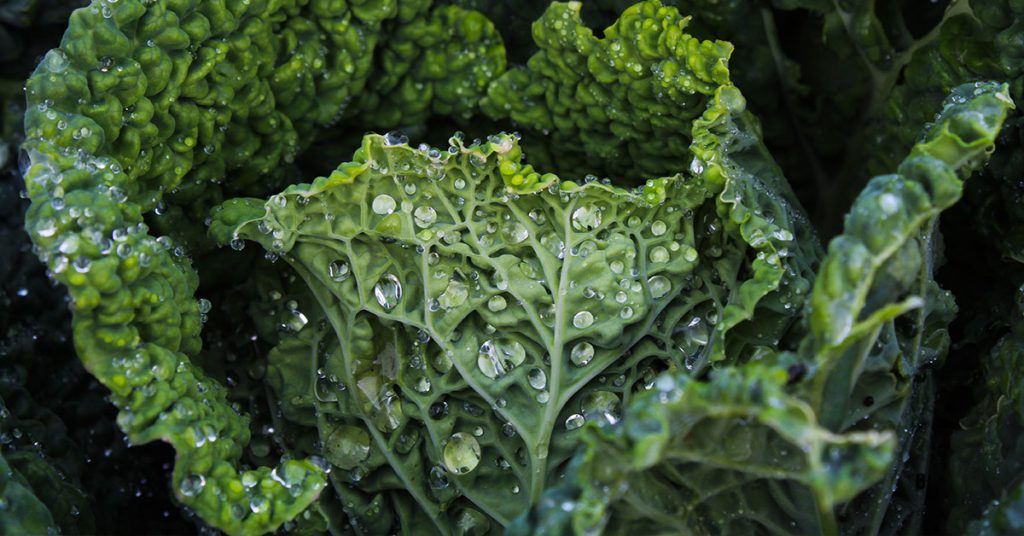
In addition to root vegetables, some greens and herbs can also be harvested and stored for winter use. Cabbage, kale, and Brussels sprouts are hardy plants that can withstand cold temperatures and provide nutritious winter meals. To store these crops, I often blanch and freeze them, preserving their flavor and texture for later use. Properly storing your winter crops not only ensures a steady supply of fresh produce during the colder months but also reduces the need for emergency trips to the grocery store. I find that the effort put into harvesting and storing my winter crops pays off immensely, providing me with delicious and healthy options even when the garden is covered in snow!
Conclusion

Preparing your garden for winter in Zone 3 involves a combination of careful planning, strategic plant selection, and diligent maintenance. By implementing these essential tips and techniques, you can protect your plants from the harsh cold, maintain soil health, and ensure that your garden remains productive and beautiful throughout the winter months. Embrace the challenges of winter gardening with enthusiasm and creativity, and watch your garden thrive even in the face of extreme temperatures!