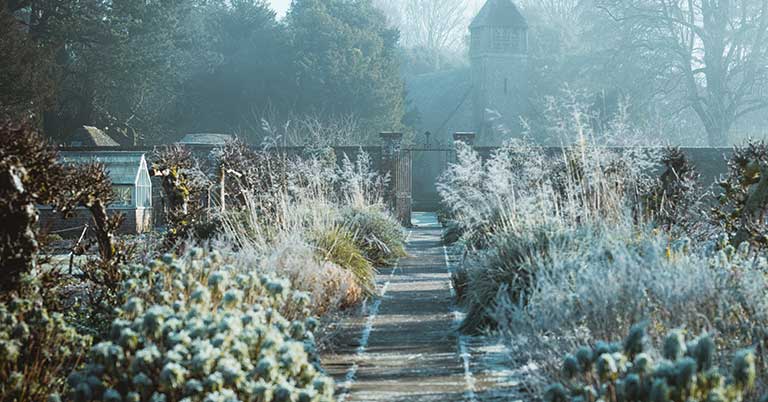

As the days grow shorter and temperatures begin to drop, preparing your garden for the winter months becomes essential to ensure its health and resilience. Creating a frost-tolerant garden bed not only protects your plants from harsh winter conditions but also sets the stage for a vibrant and thriving garden come spring. By selecting the right plants, implementing effective soil and mulching techniques, and incorporating protective measures, you can develop a garden bed that withstands the chill and remains beautiful throughout the colder seasons.
I understand how daunting it can be to think about winterizing your garden, especially with a busy schedule and limited time. However, with a bit of planning and the right strategies, you can create a low-maintenance yet stunning frost-tolerant garden bed that requires minimal effort. Whether you’re an experienced gardener or just starting out, these tips and plant recommendations will help you build a resilient garden space that thrives even in the frostiest of winters. Let’s explore some of the best practices and plant selections to help you prepare your garden for the winter months!
Hellebores
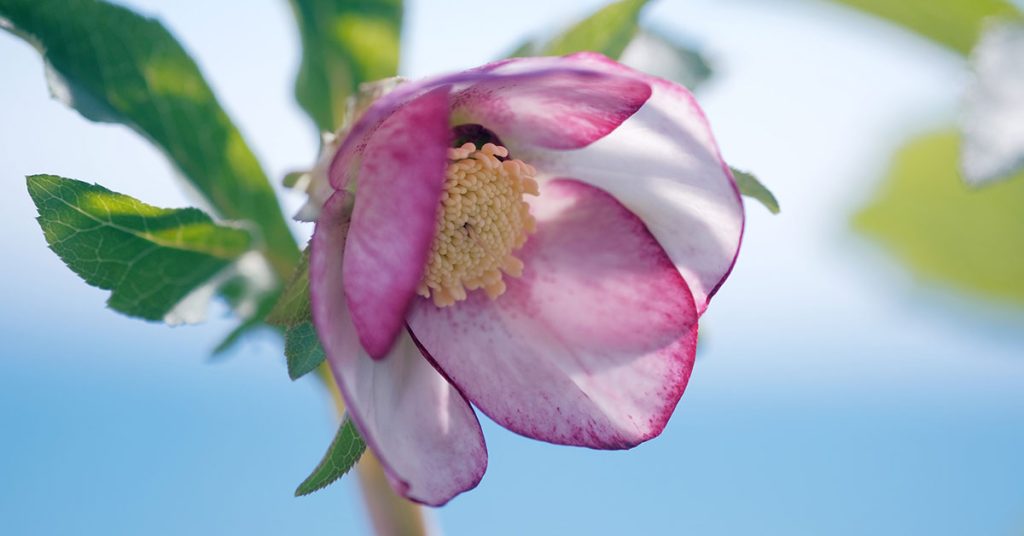
One of my favorite plants to include in a frost-tolerant garden bed is the Hellebore (Helleborus spp.), also known as the Christmas Rose. Native to the mountainous regions of Europe and Asia, Hellebores are renowned for their ability to bloom in late winter and early spring, often emerging through the snow! These hardy perennials are non-invasive and thrive in partial to full shade, making them perfect for garden beds that receive limited sunlight during the colder months.
Hellebores attract a variety of pollinators, including early-emerging bees and butterflies, which are crucial for maintaining a healthy garden ecosystem. Their leathery, evergreen foliage provides excellent ground cover, protecting the soil from erosion and retaining moisture. Additionally, Hellebores are resistant to pests and diseases, reducing the need for chemical interventions. By incorporating Hellebores into your frost-tolerant garden bed, you not only add a touch of elegance and color during the bleak winter months but also support a thriving and balanced environment with minimal maintenance!
Ornamental Cabbages and Kale

Ornamental cabbages and kale (Brassica oleracea) are fantastic additions to a frost-tolerant garden bed, offering both visual appeal and hardiness. Native to the Mediterranean region, these plants are bred specifically for their colorful foliage and ability to withstand cold temperatures. Their vibrant hues, ranging from deep purples and reds to bright whites and greens, add a striking contrast to the winter landscape, making your garden bed stand out even in the frostiest conditions.
These Brassicas are non-invasive and exceptionally low-maintenance, requiring minimal watering and care once established. Ornamental cabbages and kale also attract beneficial insects such as ladybugs and lacewings, which help control pest populations naturally. Their sturdy stems and dense foliage provide excellent shelter for small wildlife, enhancing the biodiversity of your garden bed. Additionally, their edible leaves can be harvested throughout the winter, adding a nutritious and decorative element to your salads and dishes. By incorporating ornamental cabbages and kale, you create a colorful and resilient garden bed that thrives with little effort, perfect for busy gardeners seeking both beauty and functionality!
Mulching Techniques
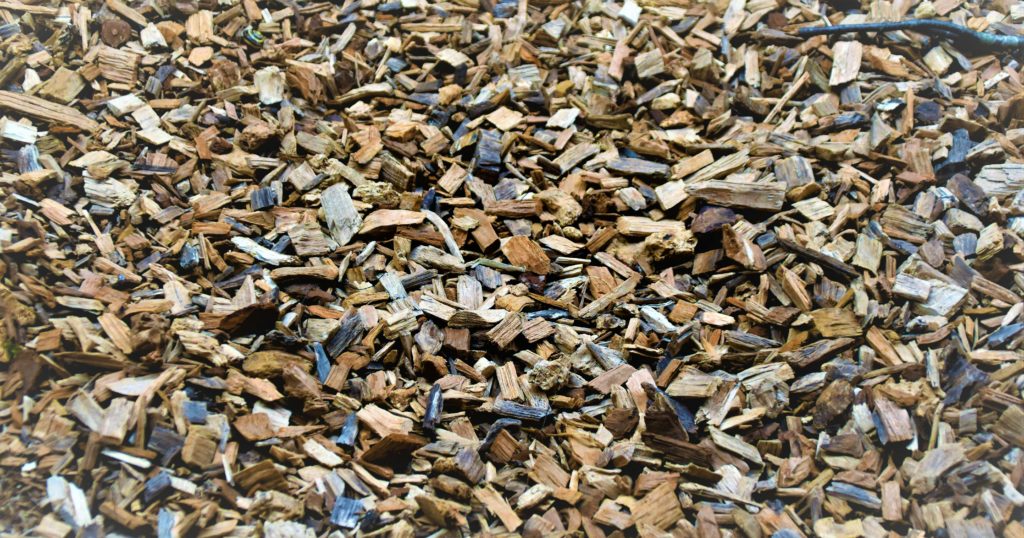
Implementing effective mulching techniques is a crucial aspect of creating a frost-tolerant garden bed. Mulch acts as a protective blanket, insulating the soil against extreme temperature fluctuations and retaining moisture during the dry winter months. Organic mulches such as shredded leaves, straw, or wood chips are excellent choices, as they gradually decompose and enrich the soil with essential nutrients. Applying a thick layer of mulch helps maintain a stable soil temperature, preventing frost heave and protecting plant roots from freezing.
In addition to temperature regulation, mulch suppresses weed growth, reducing competition for nutrients and water, and minimizing the need for manual weeding during the busy winter season. It also improves soil structure by enhancing aeration and drainage, ensuring that your frost-tolerant plants remain healthy and robust. For example, mulching around Hellebores and ornamental cabbages provides a cozy environment that encourages root growth and overall plant resilience. By consistently applying mulch to your garden bed, you create a low-maintenance and sustainable foundation that supports your plants through the winter, allowing you to enjoy a thriving and beautiful garden with minimal effort!
Sedum
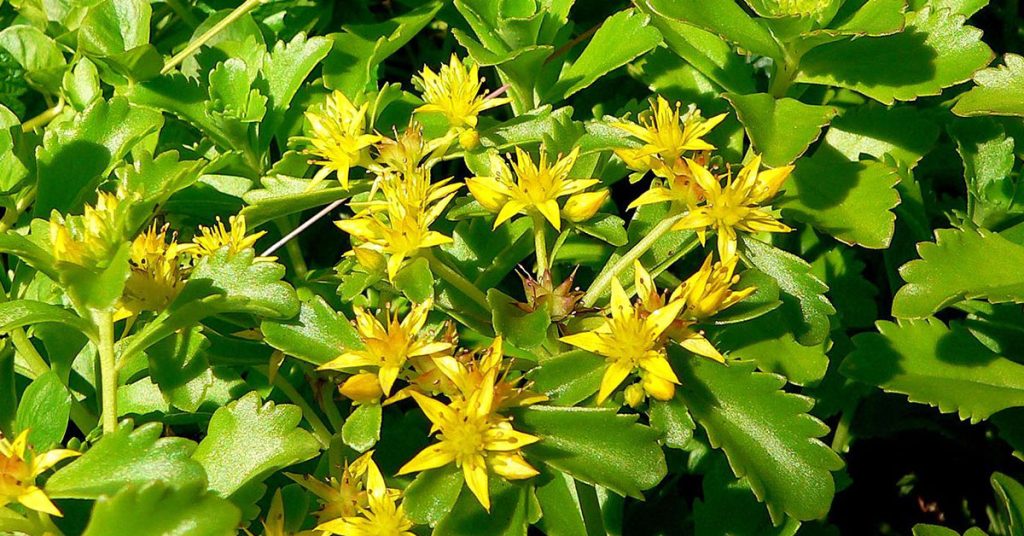
Sedum, commonly known as stonecrop, is a superb choice for a frost-tolerant garden bed, especially for those who prefer low-maintenance plants. Native to Europe and Asia, Sedum species are succulent perennials that thrive in a variety of soil conditions, including poor and rocky soils. Their fleshy leaves store water, making them exceptionally drought-tolerant and resilient against cold weather. Sedum produces clusters of star-shaped flowers in late summer and fall, attracting pollinators like bees and butterflies to your garden.
These hardy plants are non-invasive and require minimal care once established, making them perfect for busy gardeners. Sedum’s ability to thrive in full sun to partial shade adds versatility to your garden bed design, allowing you to place them in various locations without compromising their health. Additionally, Sedum helps improve soil structure by preventing erosion and enhancing moisture retention, creating a stable environment for other frost-tolerant plants. By incorporating Sedum into your winter garden bed, you add texture, color, and ecological value, all while maintaining a beautiful and resilient landscape that requires little maintenance!
Raised Beds
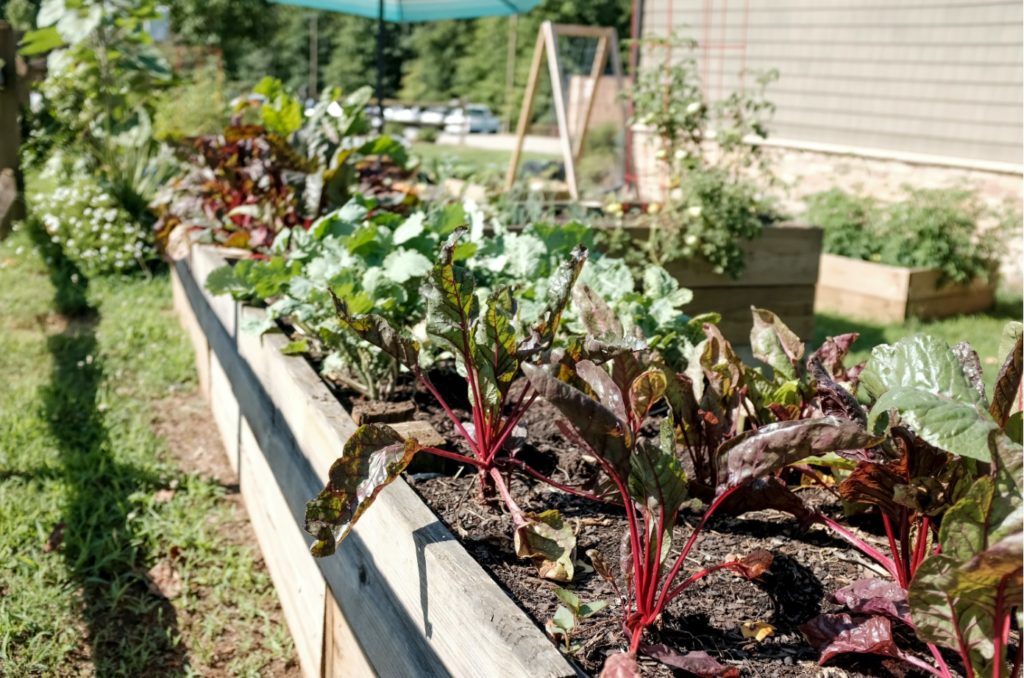
Creating raised beds is an excellent strategy for developing a frost-tolerant garden, especially in urban settings where space and soil quality can be limiting factors. Raised beds offer superior drainage, preventing waterlogged soil that can damage plant roots during heavy winter rains and melting snow. By elevating the soil, you also enhance air circulation around plant roots, reducing the risk of fungal diseases and promoting healthier plant growth. Additionally, raised beds allow you to control the soil composition more effectively, incorporating organic matter and amendments that support frost resilience.
Raised beds can be constructed using a variety of materials such as wood, stone, or metal, each offering different aesthetic and functional benefits. For instance, cedar raised beds are naturally rot-resistant and add a rustic charm to your garden, while stone beds provide a sturdy and elegant structure. Planting frost-tolerant varieties like Hellebores, ornamental cabbages, and Sedum in raised beds ensures that your garden remains well-drained and protected from the harshest winter conditions. This setup not only simplifies maintenance but also creates a defined and organized space that maximizes plant health and garden beauty with minimal effort!
Cold Frames

Cold frames are invaluable tools for protecting your garden bed from frost and extending the growing season. These simple structures, typically consisting of a transparent lid over a low, enclosed frame, create a microclimate that traps heat and shields plants from freezing temperatures. Cold frames are perfect for tender frost-tolerant plants like Hellebores and ornamental cabbages, providing them with a cozy environment that promotes continued growth and resilience during the coldest months.
Constructing a cold frame is straightforward, using materials such as wood, old windows, or plastic containers. Placing a cold frame over your garden bed in October ensures that your plants remain insulated and can continue to photosynthesize, even when exposed to chilly winds and frosty nights. Additionally, cold frames can help protect against heavy snowfall and reduce moisture loss from the soil, maintaining optimal growing conditions for your frost-tolerant plants. By incorporating cold frames into your garden preparation, you create an adaptable and protective barrier that enhances the longevity and health of your plants, allowing your garden bed to thrive through the winter with minimal maintenance!
Soil Preparation

Proper soil preparation is the foundation of a successful frost-tolerant garden bed, ensuring that your plants have the necessary nutrients and structure to withstand winter conditions. Start by testing your soil’s pH and nutrient levels to determine any necessary amendments, such as lime for acidity adjustment or organic compost for nutrient enrichment. Incorporating well-rotted compost into the soil improves its fertility, drainage, and ability to retain moisture, creating an ideal environment for your frost-tolerant plants to thrive.
Additionally, tilling or double-digging the soil helps to break up compacted areas, enhancing aeration and root penetration. This preparation is especially important for plants like Hellebores and Sedum, which require well-drained soil to prevent root rot and other moisture-related issues. Adding organic matter not only supports plant growth but also fosters a healthy soil microbiome, which is essential for nutrient uptake and disease resistance. By thoroughly preparing your soil in October, you lay the groundwork for a robust and resilient garden bed that can endure the challenges of winter and emerge healthy and vibrant in the spring!
Evergreen Plants

Incorporating evergreen plants into your frost-tolerant garden bed adds year-round structure and color, even during the bleakest winter months. Evergreen perennials, such as Helleborus x hybridus (Christmas Rose) and Picea abies (Norway Spruce), maintain their foliage throughout the winter, providing a constant green backdrop that contrasts beautifully with the snow and frost. These hardy plants are native to various regions and are non-invasive, making them excellent choices for sustainable and low-maintenance garden beds.
Evergreens attract beneficial wildlife, including birds and insects, which rely on them for shelter and food during the winter months. Their dense foliage offers excellent cover for small animals, while their aromatic leaves can repel certain pests naturally. Additionally, evergreens like Helleborus not only add visual interest but also produce fragrant flowers that bloom in late winter and early spring, offering a delightful sensory experience. By incorporating evergreen plants into your frost-tolerant garden bed, you enhance both the aesthetic appeal and ecological value of your garden, ensuring a vibrant and resilient landscape that requires minimal upkeep throughout the winter!
Companion Planting
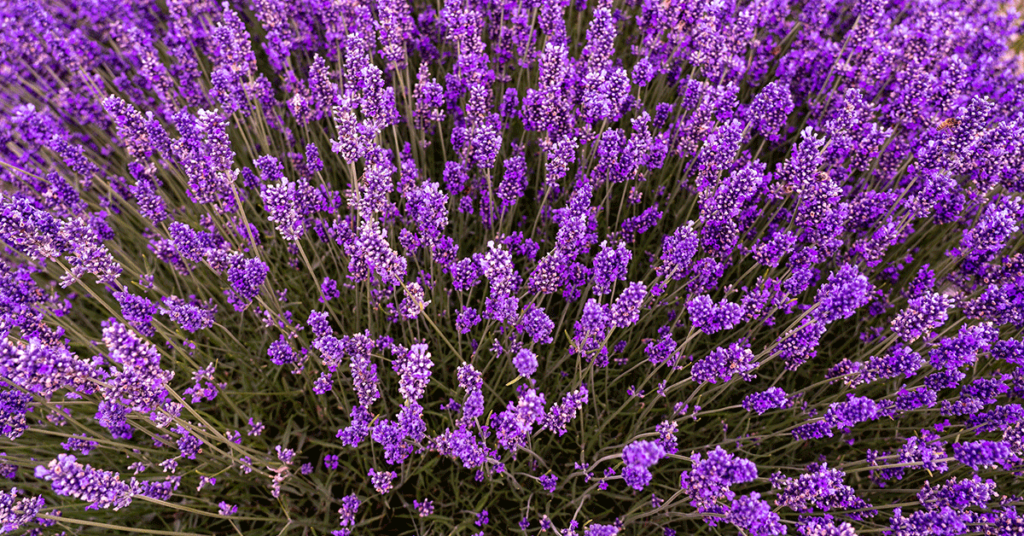
Companion planting is a strategic organic technique that enhances the health and resilience of your frost-tolerant garden bed by pairing compatible plants together. By selecting plants that support each other’s growth and deter pests naturally, you create a balanced and low-maintenance garden ecosystem. For example, planting Lavandula angustifolia (English Lavender) alongside Sedum spectabile (Autumn Joy Sedum) not only adds visual contrast but also attracts pollinators and repels harmful insects, reducing the need for chemical interventions.
Companion planting also maximizes space and resource utilization in your garden bed, ensuring that each plant contributes to the overall health and beauty of the garden. Incorporating nitrogen-fixing plants like Trifolium pratense (Red Clover) alongside deep-rooted varieties like Helleborus enhances soil fertility and structure, promoting robust growth and resilience against frost. Additionally, planting aromatic herbs such as Thymus vulgaris (Common Thyme) can deter pests while providing culinary benefits. By thoughtfully pairing plants through companion planting, you create a harmonious and sustainable garden bed that thrives with minimal effort, perfect for busy gardeners seeking both beauty and functionality in their autumn landscapes!
Organic Fertilizers and Amendments
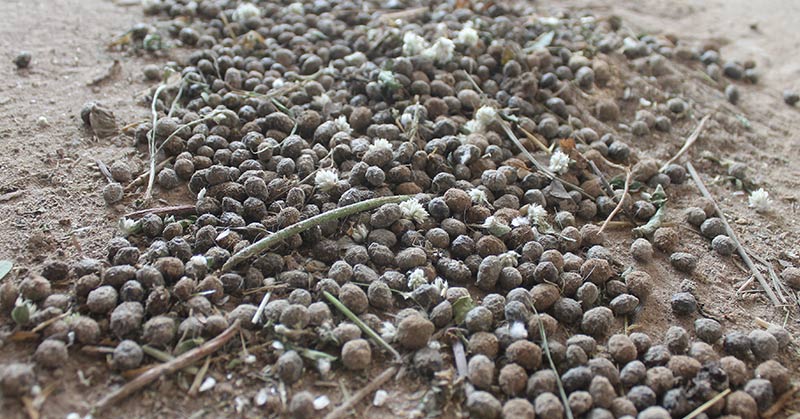
Using organic fertilizers and amendments is a key practice in developing a frost-tolerant garden bed, as they provide essential nutrients in a sustainable and eco-friendly manner. Organic options such as compost, bone meal, and fish emulsion enrich the soil with slow-release nutrients that support healthy plant growth and improve soil structure. For instance, incorporating compost into your soil preparation ensures that your frost-tolerant plants like Hellebores and Sedum receive the necessary nutrients to build strong root systems and withstand winter stresses.
Organic amendments also promote beneficial microbial activity in the soil, enhancing nutrient uptake and improving overall plant health. By avoiding synthetic fertilizers, you reduce the risk of chemical buildup and environmental harm, creating a more balanced and natural garden ecosystem. Additionally, organic fertilizers help retain soil moisture, which is crucial for preventing frost damage and ensuring that your plants remain hydrated during dry winter spells. By integrating organic fertilizers and amendments into your autumn garden care routine, you foster a healthy and resilient garden bed that thrives through the winter months and emerges vibrant and strong in the spring!
Cover Crops

Incorporating cover crops into your frost-tolerant garden bed is an excellent organic technique for improving soil health and preparing for the winter months. Cover crops, such as Vicia sativa (Common Vetch) and Secale cereale (Rye), are planted during the fall to protect and enrich the soil. These hardy plants help prevent soil erosion, suppress weed growth, and add organic matter to the soil as they decompose, enhancing fertility and structure. Additionally, some cover crops like Vetch fix nitrogen in the soil, providing a natural fertilizer for your frost-tolerant plants.
Cover crops also create a living mulch that retains moisture and insulates the soil against extreme temperature fluctuations, reducing the impact of frost on plant roots. By planting cover crops, you foster a healthy and balanced soil ecosystem that supports the growth of your main garden plants. Moreover, when spring arrives, the decomposed cover crops release valuable nutrients back into the soil, promoting vigorous growth and resilience in your frost-tolerant garden bed. Embracing cover crops as part of your winter preparation not only improves soil health but also reduces the need for additional fertilization and maintenance, making it a perfect solution for busy gardeners seeking sustainable and low-maintenance garden practices!
Conclusion

Creating a frost-tolerant garden bed for winter preparation is a rewarding endeavor that ensures your plants remain healthy, vibrant, and resilient throughout the colder months. By selecting hardy, native plants like Hellebores, ornamental cabbages, Sedum, and evergreens, and implementing effective techniques such as mulching, companion planting, and using organic fertilizers, you can develop a low-maintenance garden bed that thrives with minimal effort. Incorporating protective measures like cold frames and raised beds further enhances the durability and beauty of your garden, making it a stunning and sustainable outdoor space even in the frostiest of winters.