

As the leaves begin to turn and the air crisps with the promise of autumn, creating a low-maintenance fall garden becomes an ideal project for busy urbanites. Balancing work, family, and personal commitments can make extensive gardening seem daunting, but with the right strategies and plant choices, you can cultivate a beautiful and resilient garden that thrives with minimal effort. A thoughtfully designed fall garden not only enhances the aesthetic appeal of your urban space but also provides a serene retreat where you can unwind and connect with nature amidst the hustle and bustle of city life.
I understand how challenging it can be to find the time and energy to maintain a garden, especially in an urban environment where space and resources are often limited. However, developing a low-maintenance fall garden is entirely achievable with the right approach. By selecting hardy, native plants, utilizing container gardening, and implementing efficient care practices, you can create a vibrant and sustainable garden that requires little upkeep. Let’s explore some of the best techniques and plant selections to help you develop a stunning fall garden that fits seamlessly into your busy urban lifestyle!
Choosing Native Plants
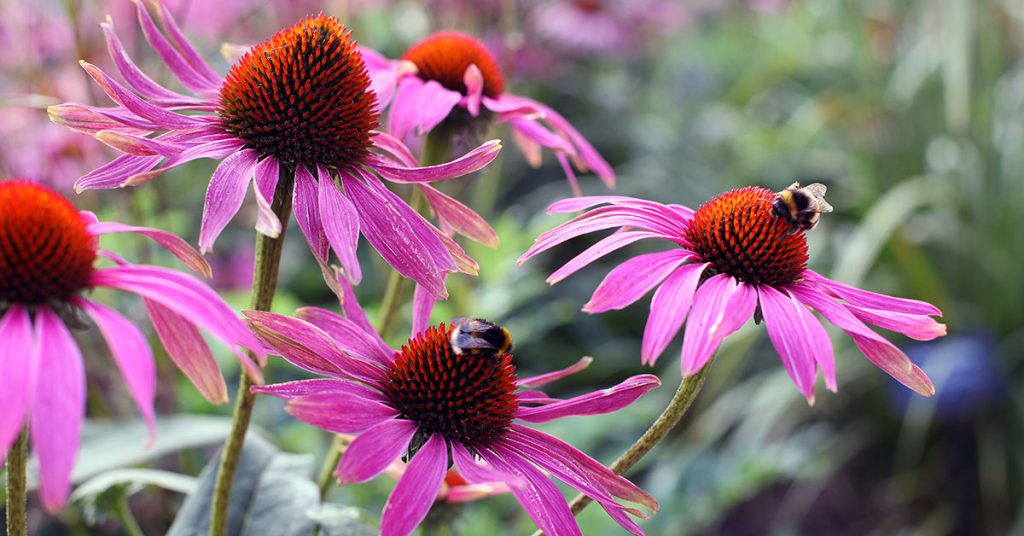
One of the most effective strategies for creating a low-maintenance fall garden is selecting native plants. Native species are adapted to the local climate and soil conditions, making them more resilient and easier to care for than non-native varieties. For example, Echinacea purpurea (Purple Coneflower) is native to North America and thrives in a variety of soil types with minimal watering once established. These plants not only require less maintenance but also support local wildlife, attracting pollinators like bees and butterflies that are essential for a healthy ecosystem.
Native plants are typically less susceptible to pests and diseases, reducing the need for chemical interventions and intensive care. Additionally, they often have deeper root systems that help them withstand drought conditions, making them ideal for busy urbanites who may not have the time for frequent watering. By incorporating native plants into your fall garden, you create a sustainable and self-sufficient landscape that flourishes with minimal effort. Their natural beauty and ecological benefits make native plants a cornerstone of any low-maintenance garden, ensuring that your urban oasis remains vibrant and healthy throughout the autumn season!
Container Gardening
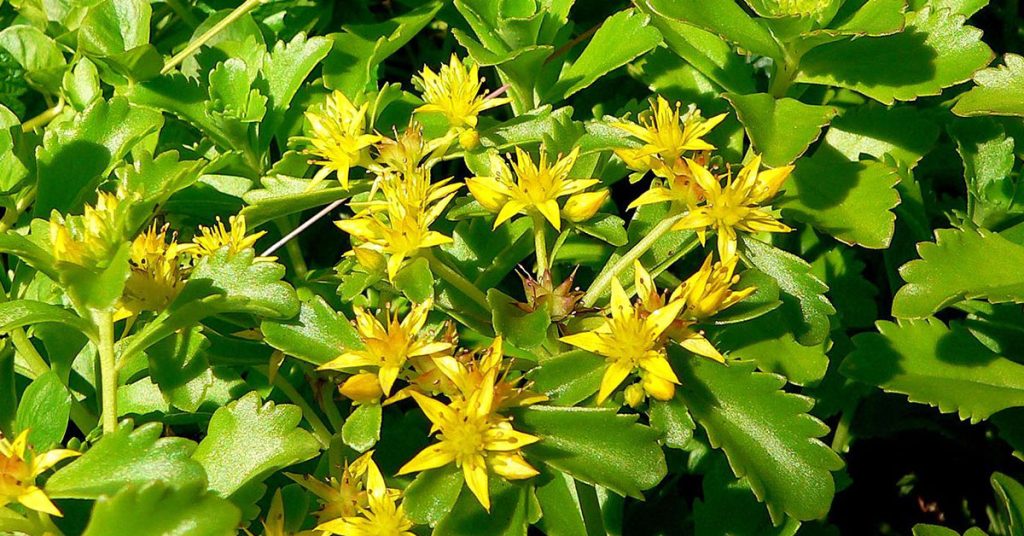
Container gardening is a fantastic option for busy urbanites looking to develop a low-maintenance fall garden. Utilizing pots, planters, and other containers allows you to maximize limited space while maintaining control over the growing environment. Plants like Sedum spectabile (Autumn Joy Sedum) thrive in containers, requiring minimal watering and care once established. These hardy succulents offer rich, fleshy foliage and stunning flower spikes that add texture and color to your urban garden without demanding extensive maintenance.
One of the greatest advantages of container gardening is the ease of mobility. You can move your plants to optimize sunlight exposure or protect them from harsh weather conditions with just a few simple adjustments. Additionally, containers help prevent soil compaction and allow for better drainage, reducing the risk of root rot and other moisture-related issues. By choosing container-friendly plants and using high-quality potting soil, you can create a thriving fall garden that fits perfectly into your busy schedule. Whether you have a balcony, rooftop, or small patio, container gardening offers flexibility and convenience, making it an ideal solution for developing a beautiful and low-maintenance fall garden in an urban setting!
Mulching
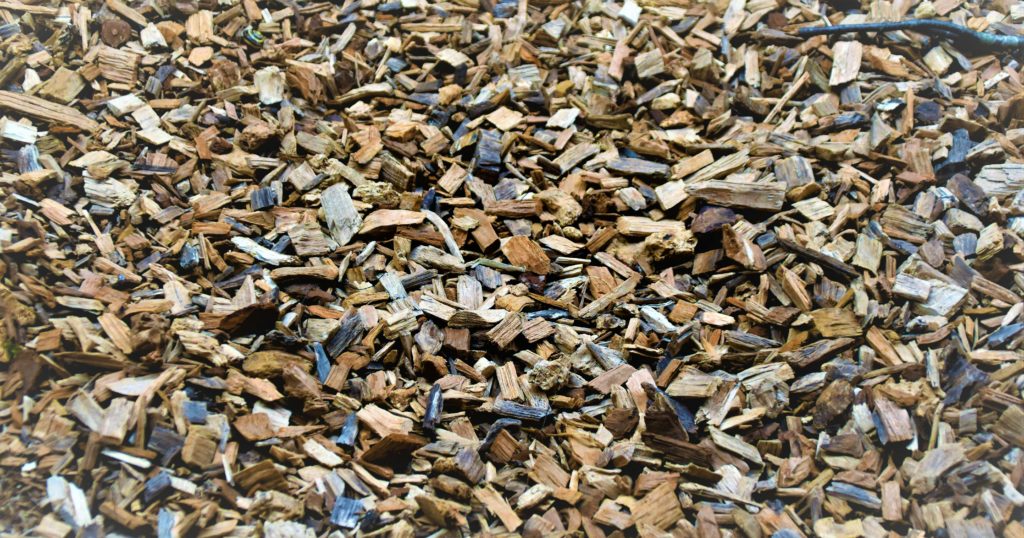
Mulching is an essential technique for maintaining a low-maintenance fall garden, especially for busy urbanites who need to minimize time spent on gardening tasks. Applying a layer of organic mulch, such as shredded leaves, straw, or compost, helps retain soil moisture, regulate temperature, and suppress weed growth. This not only reduces the need for frequent watering and weeding but also enriches the soil as the mulch decomposes, providing essential nutrients to your plants. Aster novae-angliae (New England Aster), for instance, thrives with a mulch layer that keeps the soil cool and moist, promoting robust root development and vibrant blooms.
In addition to moisture retention and weed suppression, mulch acts as a protective barrier against harsh winter conditions, preventing soil erosion and nutrient leaching. By maintaining a consistent soil temperature, mulch ensures that your plants remain healthy and resilient as the seasons change. Applying mulch in the fall also prepares your garden for the upcoming winter months, making it easier to spring clean and refresh your planting beds. Embracing mulching as part of your autumn garden care routine not only saves time and effort but also enhances the overall health and longevity of your garden, allowing you to enjoy a stunning and low-maintenance landscape throughout the fall and beyond!
Perennials

Incorporating perennials into your fall garden is a smart choice for busy urbanites seeking long-lasting beauty with minimal upkeep. Perennial plants, such as Heuchera americana (Coral Bells) and Rudbeckia fulgida (Black-eyed Susan), return year after year, eliminating the need for replanting each season. These hardy plants are well-suited to the cooler autumn temperatures and often require less water and care once established. Their ability to thrive in various conditions makes them ideal for urban gardens where time and resources may be limited.
Perennials also offer a diverse range of colors, textures, and forms, allowing you to create a dynamic and visually appealing garden with minimal effort. For example, Sedum spectabile (Autumn Joy Sedum) provides succulent foliage and striking flower heads that attract pollinators, enhancing the ecological value of your garden. Additionally, many perennials are drought-tolerant and resistant to common pests, reducing the need for chemical interventions and extensive maintenance. By selecting a variety of perennials, you can enjoy a vibrant and resilient garden that flourishes with minimal care, perfectly suited to the busy lifestyles of urban gardeners!
Automated Irrigation Systems

For busy urbanites, managing watering schedules can be a significant challenge. Implementing an automated irrigation system is an excellent way to ensure that your fall garden receives consistent and adequate moisture without requiring daily attention. Drip irrigation and soaker hoses are particularly effective for low-maintenance gardens, delivering water directly to the plant roots where it’s needed most. This not only conserves water but also minimizes evaporation and runoff, making it an eco-friendly choice for sustainable gardening.
Automated systems can be programmed to water at optimal times, such as early morning or late evening, reducing the risk of overwatering and fungal diseases. By setting up timers and moisture sensors, you can tailor the irrigation to the specific needs of your plants, ensuring that they remain healthy and hydrated throughout the autumn season. Additionally, integrating rain barrels with your irrigation system can further enhance water conservation, allowing you to utilize natural rainfall and reduce your water usage. Investing in an automated irrigation system simplifies your fall garden maintenance, providing peace of mind and allowing you to focus on other aspects of your busy urban life while still enjoying a lush and thriving garden!
Low-Maintenance Ground Covers
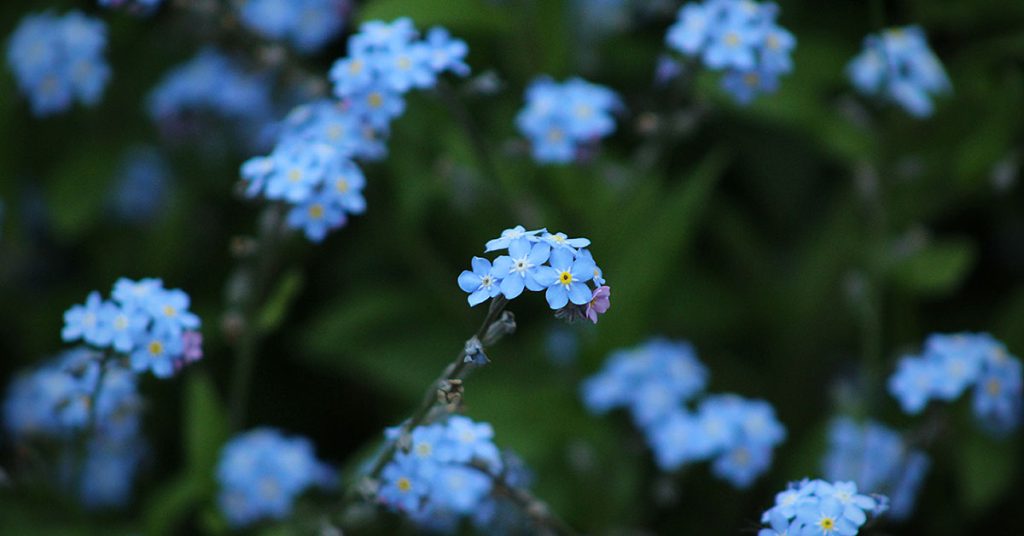
Incorporating low-maintenance ground covers is a brilliant strategy for developing a fall garden that requires minimal upkeep. Ground covers like Vinca minor (Periwinkle) and Ajuga reptans (Bugleweed) spread naturally, reducing the need for frequent mowing and weeding. These hardy plants create a dense mat that suppresses weeds, retains soil moisture, and provides a lush, green backdrop for your autumn garden. Their ability to thrive in partial shade and various soil conditions makes them perfect for urban gardens where space and resources may be limited.
Low-maintenance ground covers also offer additional benefits, such as attracting beneficial insects and providing habitat for small wildlife. For instance, Vinca minor attracts pollinators like bees and butterflies, enhancing the biodiversity of your garden. Ajuga reptans, with its vibrant foliage and spikes of blue flowers, adds both color and texture to your landscape while being exceptionally resilient to foot traffic and environmental stressors. By selecting the right ground covers for your autumn garden, you can achieve a beautiful and functional garden space that requires little time and effort to maintain, allowing you to enjoy a thriving urban oasis without the constant demands of intensive gardening!
Companion Planting

Companion planting is an effective organic technique that enhances the growth and health of your fall garden by pairing plants that benefit each other. By strategically placing certain plants together, you can create a harmonious and low-maintenance garden ecosystem that reduces the need for chemical fertilizers and pesticides. For example, Allium schoenoprasum (Chives) can be planted alongside Rudbeckia fulgida (Black-eyed Susan) to deter pests like aphids and enhance the overall growth of both plants. This natural synergy not only saves time and effort but also promotes a healthier and more resilient garden.
Companion planting also helps to optimize space and resources in an urban garden, allowing you to maximize the productivity of your limited area. Plants like Lavandula angustifolia (English Lavender) and Sedum spectabile (Autumn Joy Sedum) can be paired to create a diverse and visually appealing garden with minimal maintenance. Lavender attracts pollinators and repels certain pests, while Sedum provides ground cover and adds texture to the landscape. By thoughtfully combining companion plants, you can create a balanced and sustainable fall garden that thrives with little intervention, making it an ideal choice for busy urbanites seeking a beautiful and low-maintenance outdoor space!
Mulch and Organic Matter

Adding mulch and organic matter is a fundamental organic lawn care technique that enhances the health and sustainability of your fall garden. Mulch, such as shredded leaves, straw, or wood chips, serves multiple purposes: it retains soil moisture, regulates temperature, suppresses weed growth, and enriches the soil as it decomposes. Incorporating mulch into your garden beds not only reduces the need for frequent watering and weeding but also improves the overall soil structure, making it easier for plants to absorb nutrients and establish strong root systems.
Organic matter, such as compost or well-rotted manure, further enriches the soil by adding essential nutrients and fostering a healthy microbial environment. This promotes vigorous plant growth and enhances the resilience of your garden against pests and diseases. For example, Heuchera americana (Coral Bells) thrives in well-amended soil, benefiting from the added nutrients and improved soil structure provided by mulch and organic matter. By consistently applying mulch and incorporating organic matter into your fall garden, you create a fertile and stable foundation that supports the growth of healthy, vibrant plants with minimal maintenance. This not only simplifies your gardening routine but also contributes to a more sustainable and eco-friendly urban garden!
Drip Irrigation Systems

Implementing drip irrigation systems is a highly efficient and low-maintenance method for watering your fall garden, especially for busy urbanites with limited time. Drip irrigation delivers water directly to the base of each plant, minimizing evaporation and ensuring that moisture reaches the root zone where it’s needed most. This targeted approach not only conserves water but also reduces the risk of fungal diseases and pest infestations, as the foliage remains dry and less attractive to unwanted visitors.
Drip irrigation systems can be easily customized to suit the specific needs of your garden, allowing you to adjust the flow and timing based on the requirements of different plants. For instance, succulent plants like Sedum spectabile require less frequent watering, while moisture-loving plants like Hosta can benefit from a more consistent supply of water. By automating your irrigation, you eliminate the need for daily watering, freeing up valuable time and ensuring that your garden remains healthy and hydrated throughout the fall season. Additionally, drip systems can be integrated with timers and moisture sensors to optimize water usage, making them an ideal solution for creating a sustainable and low-maintenance fall garden in an urban environment!
Drought-Tolerant Plants
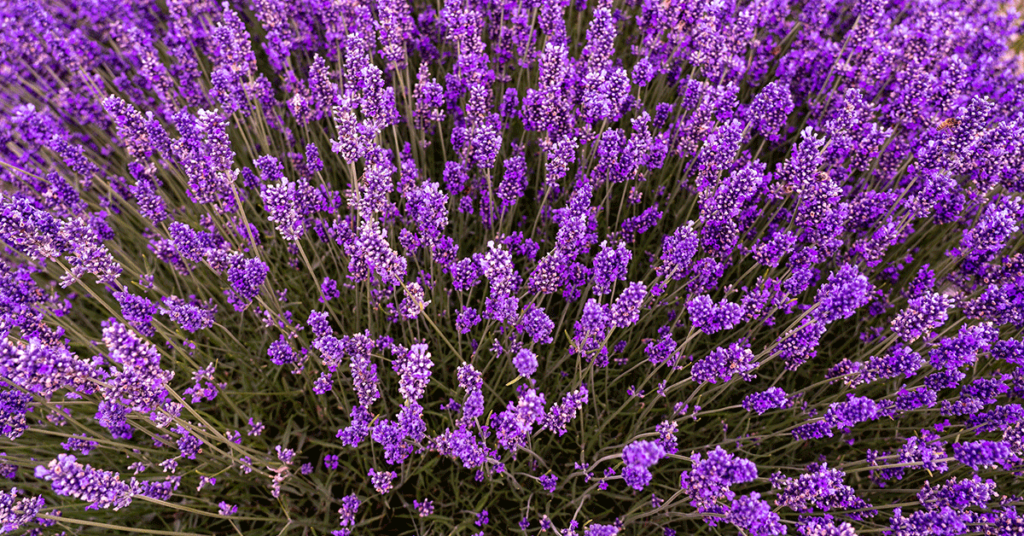
Incorporating drought-tolerant plants is a smart choice for developing a low-maintenance fall garden, particularly for busy urbanites who may not have the time to manage frequent watering schedules. Drought-tolerant species are adapted to survive with minimal water, making them ideal for fall gardens where water conservation is often necessary. Plants like Sedum spectabile (Autumn Joy Sedum) and Lavandula angustifolia (English Lavender) are excellent choices, offering vibrant colors and robust growth with little maintenance.
These hardy plants not only reduce the need for constant watering but also contribute to a resilient and sustainable garden ecosystem. Sedum spectabile provides succulent foliage and striking flower spikes that attract pollinators, while Lavandula angustifolia offers fragrant blooms that repel pests and attract beneficial insects like bees and butterflies. Additionally, drought-tolerant plants often have deep root systems that improve soil structure and enhance moisture retention, further reducing the need for supplemental watering. By selecting drought-tolerant species for your fall garden, you create a beautiful and sustainable landscape that requires minimal upkeep, perfectly suited to the busy lifestyles of urban gardeners!
Minimal Pruning and Deadheading
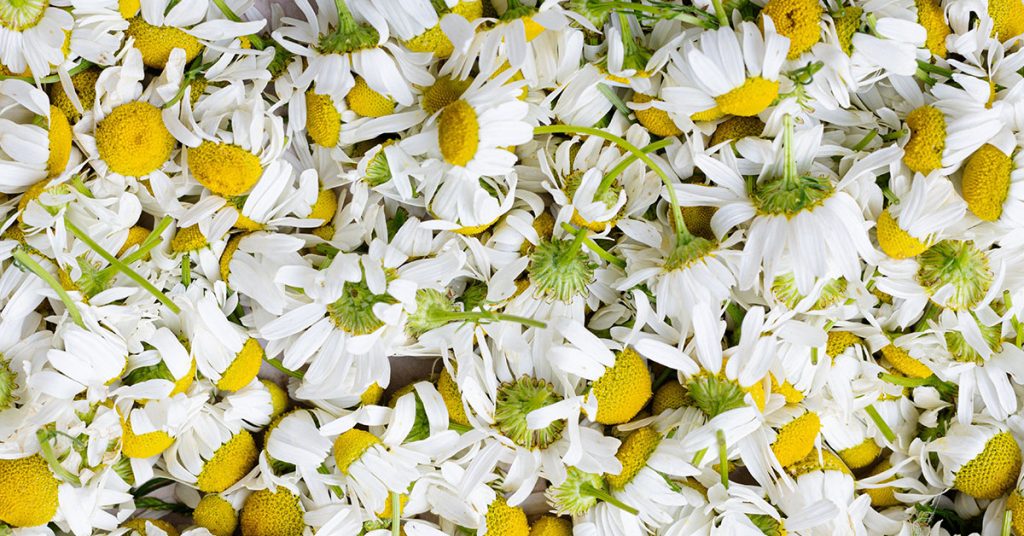
Adopting minimal pruning and deadheading practices is an effective way to maintain a low-maintenance fall garden. Pruning involves removing dead or damaged stems and branches, which helps to improve the overall health and appearance of your plants. However, excessive pruning can be time-consuming and may not be necessary for hardy, low-maintenance species. Instead, focus on selective pruning to maintain the shape and structure of your plants without overcomplicating your gardening routine.
Deadheading, the process of removing spent flowers, is another simple yet important practice that can extend the blooming period of your plants and encourage new growth. For example, Echinacea purpurea (Purple Coneflower) benefits from occasional deadheading, which prevents the plant from diverting energy into seed production and instead channels it into producing more blooms. By incorporating minimal pruning and deadheading into your fall garden care routine, you ensure that your plants remain tidy and vibrant without requiring extensive time and effort. This approach not only simplifies your gardening tasks but also promotes the long-term health and beauty of your garden, making it an ideal solution for busy urbanites seeking a stunning and low-maintenance autumn landscape!
Draining Excess Water
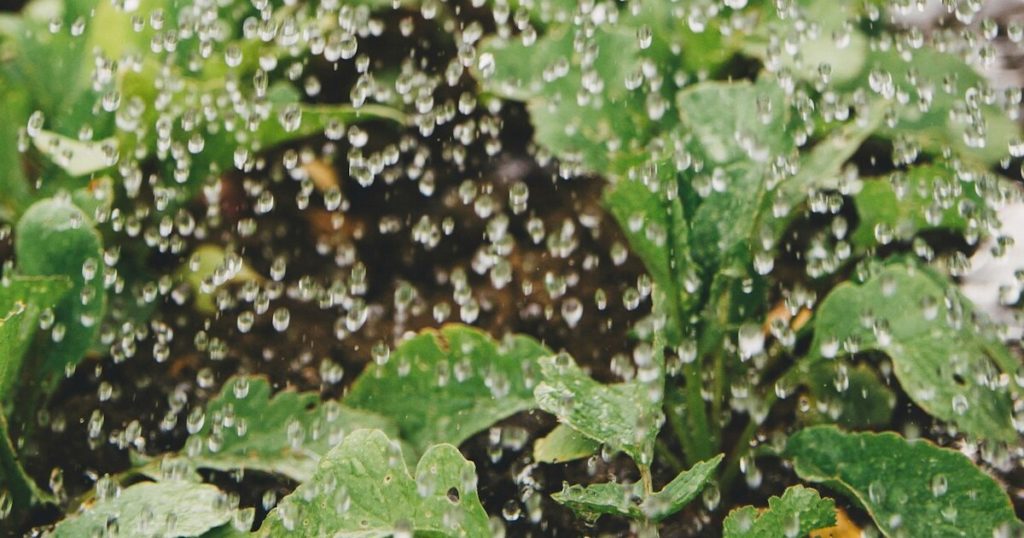
Ensuring proper drainage is a critical aspect of maintaining a low-maintenance fall garden, particularly in urban settings where soil can often become compacted and waterlogged. Poor drainage can lead to root rot, fungal diseases, and overall plant decline, making it essential to address drainage issues proactively. Incorporating organic matter like compost and mulch helps to improve soil structure, enhancing its ability to drain excess water while retaining necessary moisture for plant roots.
Additionally, creating raised beds or installing drainage systems can significantly improve water flow and prevent standing water in your garden. Plants such as Heuchera americana (Coral Bells) and Rudbeckia fulgida (Black-eyed Susan) thrive in well-drained soils, making them excellent choices for areas prone to excess moisture. By managing drainage effectively, you reduce the risk of plant stress and disease, ensuring that your fall garden remains healthy and vibrant with minimal maintenance. Proper drainage not only enhances the longevity and resilience of your plants but also contributes to a more sustainable and low-maintenance gardening environment, perfectly suited to the demands of busy urban life!
Incorporating Hardscaping Elements

Incorporating hardscaping elements into your fall garden is a fantastic way to reduce maintenance while adding structure and visual interest. Features such as stone pathways, gravel beds, and decorative containers not only enhance the aesthetic appeal of your garden but also minimize the areas that require regular upkeep. For example, stone pathways made from local, non-invasive materials like slate or granite provide durable and attractive walkways that prevent soil erosion and reduce the need for constant weeding.
Hardscaping elements also create defined spaces within your garden, allowing you to focus on low-maintenance plantings that thrive in their designated areas. Raised beds filled with drought-tolerant perennials and native shrubs like Lavandula angustifolia (English Lavender) or Sedum spectabile (Autumn Joy Sedum) offer structured planting areas that require less care and provide a clean, organized look. Additionally, incorporating features like benches, trellises, and birdbaths can enhance the functionality and charm of your fall garden without adding to your maintenance workload. By thoughtfully integrating hardscaping elements, you create a beautiful and low-maintenance urban garden that maximizes your limited time and space while providing a serene and visually appealing outdoor sanctuary!
Fertilizing with Organic Amendments
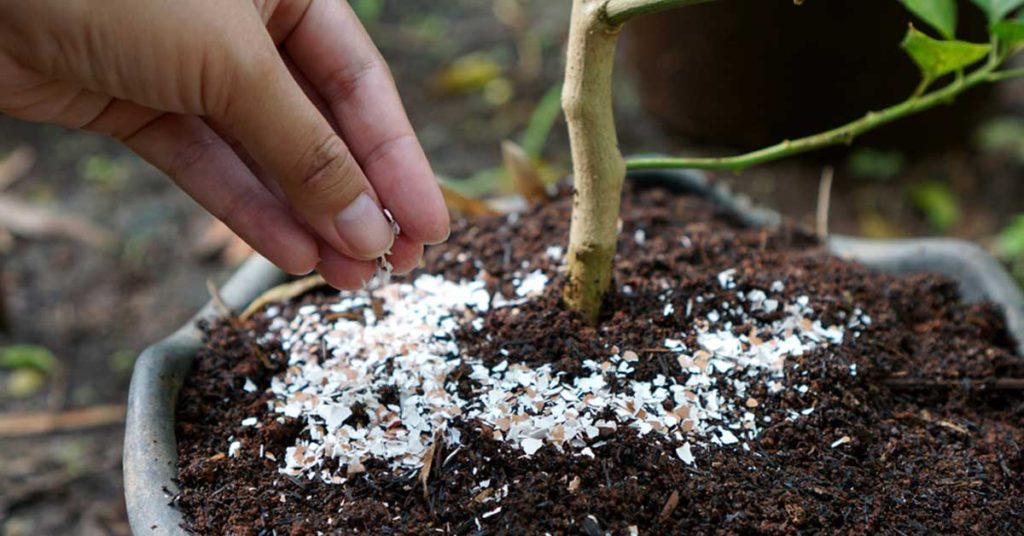
Fertilizing your fall garden with organic amendments is a key practice for maintaining plant health and reducing maintenance efforts. Organic fertilizers, such as compost, bone meal, and fish emulsion, provide a slow-release source of essential nutrients that support robust plant growth and soil health. Unlike synthetic fertilizers, organic amendments improve soil structure, enhance microbial activity, and promote a balanced ecosystem, making them ideal for busy urbanites who prefer sustainable gardening practices.
Applying organic fertilizers in the fall ensures that your plants receive the necessary nutrients to build strong root systems and prepare for the winter months. For example, Rudbeckia fulgida (Black-eyed Susan) benefits from a boost of phosphorus-rich compost, which supports root development and enhances flower production. Additionally, organic amendments help to retain soil moisture, reducing the need for frequent watering and minimizing the risk of over-fertilization. By incorporating organic fertilizers into your fall garden care routine, you promote the long-term health and resilience of your plants while maintaining a low-maintenance and eco-friendly garden environment. This approach not only simplifies your gardening tasks but also contributes to a thriving and sustainable urban garden that flourishes with minimal effort!