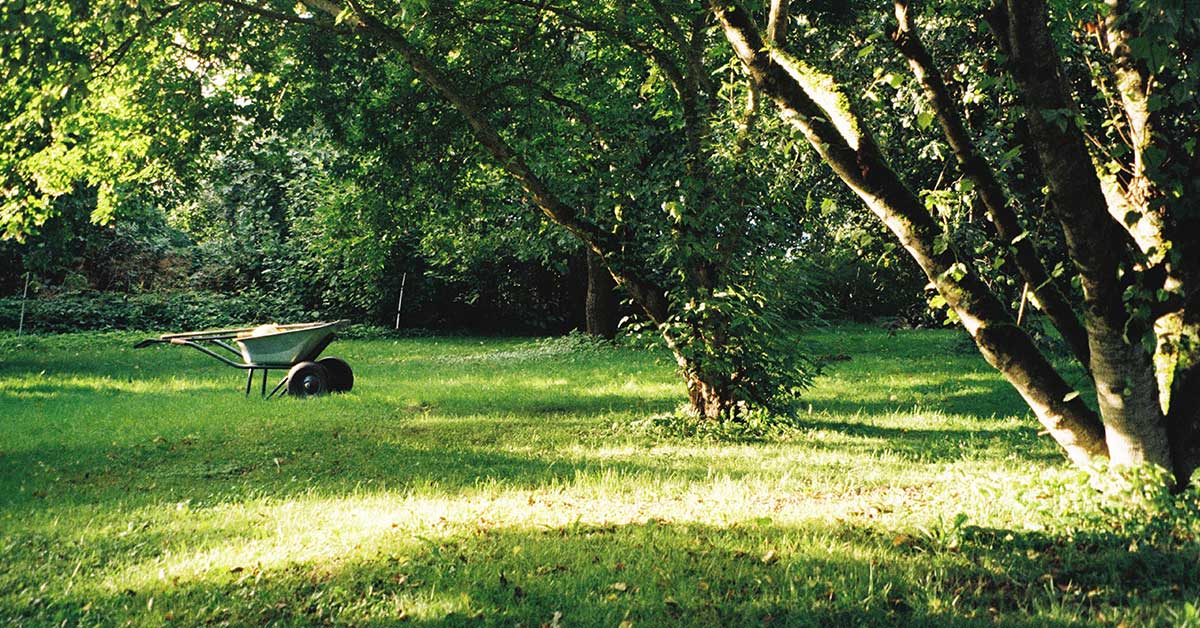

As the vibrant colors of summer begin to fade and the crisp air of autumn settles in, October becomes a pivotal month for maintaining a healthy and resilient lawn. Transitioning your lawn care routine to focus on organic techniques during this time not only prepares your grass for the colder months ahead but also promotes a sustainable and environmentally friendly garden. By adopting these practices, you can ensure that your lawn remains lush, green, and robust, ready to thrive once spring arrives.
I know how disheartening it can be to see your lawn lose its vitality as the temperatures drop and days grow shorter. However, with the right organic lawn care strategies, you can rejuvenate your grass and address common fall challenges such as thinning, weed invasion, and soil compaction. Whether you’re a seasoned gardener or just starting out, these comprehensive techniques will help you preserve the beauty and health of your lawn throughout the autumn season. Let’s explore some of the best organic practices to save your lawn in October!
Overseeding

Overseeding is one of the most effective organic techniques to rejuvenate your lawn in October. This process involves spreading grass seed over your existing lawn to fill in bare spots, improve density, and enhance the overall health of your turf. By overseeding in the fall, you take advantage of the cooler temperatures and increased rainfall, which provide ideal conditions for seed germination and root establishment. Choose a high-quality, native grass seed variety that is well-suited to your climate and soil type to ensure optimal growth and resilience.
Before overseeding, it’s essential to prepare your lawn properly. Start by mowing your grass shorter than usual and raking up any debris to create a clean surface for the seeds to make contact with the soil. Aerating the lawn beforehand can also improve seed penetration and root development by alleviating soil compaction. After spreading the seeds, lightly rake them into the soil and apply a thin layer of organic mulch or compost to retain moisture and protect the seeds from birds and harsh weather conditions. Regular watering is crucial during the germination period to ensure successful establishment and a thick, healthy lawn come spring!
Aeration

Aeration is a vital organic lawn care technique that involves perforating the soil with small holes to allow air, water, and nutrients to penetrate the grassroots. In October, the soil tends to become compacted due to foot traffic and environmental factors, which can inhibit healthy grass growth. By aerating your lawn, you reduce soil compaction, enhance root development, and improve the overall health and resilience of your turf. This process also facilitates better absorption of organic fertilizers and amendments, ensuring that your grass receives the nutrients it needs to thrive during the colder months.
To aerate your lawn effectively, use a core aerator that removes plugs of soil from the ground. This method is more efficient than spike aerators, which can sometimes exacerbate soil compaction. Aerate when the grass is actively growing, typically in the early fall, to maximize the benefits. After aeration, you can apply organic compost or a natural fertilizer to fill the holes and provide additional nutrients. This not only helps to nourish the grass but also promotes microbial activity in the soil, further enhancing soil health and structure. Regular aeration as part of your autumn lawn care routine ensures a robust and lush lawn year-round!
Applying Organic Fertilizer
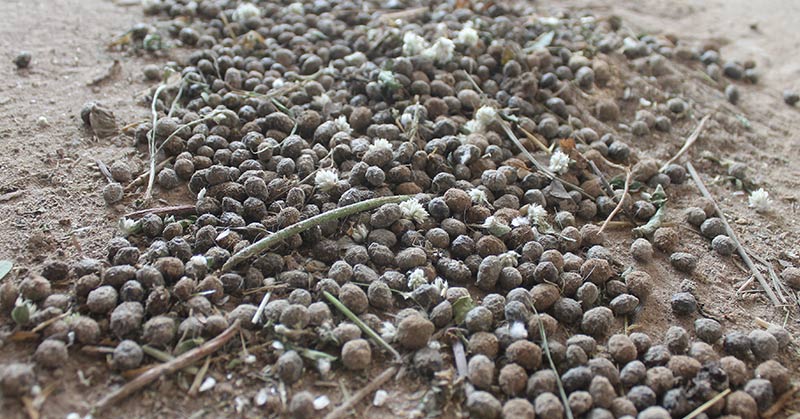
Applying organic fertilizer in October is a crucial step in preparing your lawn for winter. Organic fertilizers, such as compost, bone meal, or fish emulsion, provide a slow-release source of essential nutrients that enhance soil fertility and promote strong root growth. These natural amendments improve soil structure, increase microbial activity, and enhance the soil’s ability to retain moisture, all of which contribute to a healthier and more resilient lawn. By choosing organic options, you avoid the potential environmental harm associated with synthetic fertilizers, making it a sustainable choice for eco-conscious gardeners.
Before applying organic fertilizer, it’s important to test your soil’s nutrient levels to determine the specific needs of your lawn. This ensures that you provide the right balance of nutrients without over-fertilizing, which can lead to excessive growth and increased susceptibility to diseases. Spread the fertilizer evenly across your lawn using a broadcast spreader, and water it thoroughly to help the nutrients penetrate the soil. Incorporating organic fertilizer into your autumn lawn care routine not only strengthens your grass for the winter months but also sets the foundation for vigorous growth in the spring!
Mowing Practices

Adopting proper mowing practices in October is essential for maintaining a healthy lawn as the seasons change. During the fall, it’s important to adjust your mowing height to accommodate the cooler temperatures and reduced growth rates of your grass. Raising the mower blade slightly helps your lawn develop deeper roots, which enhances drought resistance and overall resilience. Additionally, leaving the grass a bit longer provides better insulation against the cold and helps retain soil moisture, which is beneficial for root health.
Consistently mowing your lawn to the appropriate height also plays a role in preventing weed invasion. Taller grass shades the soil, reducing the likelihood of weed seeds germinating and competing with your grass for nutrients and water. It’s also crucial to keep your mower blades sharp to ensure clean cuts, which minimize stress and damage to the grass blades. By following these mowing practices, you can maintain a thick, healthy lawn that is well-prepared to withstand the challenges of winter and emerge vibrant and strong in the spring!
Composting Grass Clippings

Composting grass clippings is an excellent organic lawn care practice that helps recycle nutrients back into your soil. Instead of letting clippings accumulate or bagging them for disposal, use them as a valuable resource to enrich your compost pile. Grass clippings are rich in nitrogen, an essential nutrient that supports healthy grass growth and soil fertility. By composting them, you create a nutrient-dense amendment that can be applied to your lawn in the spring to promote robust growth and resilience.
To effectively compost grass clippings, ensure that your compost pile maintains a balanced ratio of greens (nitrogen-rich materials) and browns (carbon-rich materials). Mixing clippings with shredded leaves, straw, or wood chips helps prevent the pile from becoming too dense and ensures proper aeration. Regularly turning the compost facilitates decomposition and prevents the growth of unwanted pathogens. Once the compost has fully broken down, it can be spread thinly over your lawn to provide a natural fertilizer that enhances soil health and supports sustainable lawn care practices. Embracing composting not only benefits your lawn but also contributes to a more environmentally friendly gardening routine!
Removing Debris
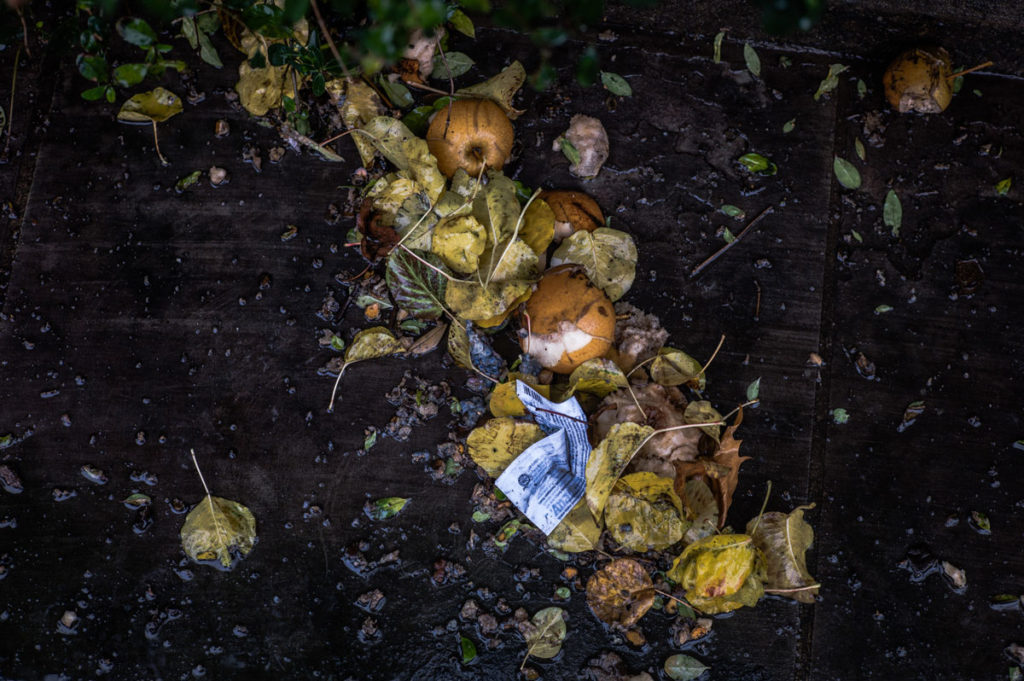
Removing debris from your lawn in October is a fundamental organic lawn care technique that helps prevent disease and pests while promoting healthy grass growth. Leaves, twigs, and other organic matter can create a dense layer that blocks sunlight, inhibits air circulation, and retains moisture, creating an ideal environment for fungal diseases and pests to thrive. By regularly raking and clearing debris, you ensure that your grass receives adequate light and air, which are essential for strong, healthy growth.
In addition to disease prevention, removing debris helps to reduce the buildup of thatch, a layer of dead grass and roots that can suffocate your lawn and hinder nutrient absorption. Thatch can also provide hiding spots for pests like grubs and rodents, which can cause significant damage to your grass roots. To effectively manage debris, consider using a mulching mower that finely chops leaves and incorporates them back into the lawn as a natural fertilizer. Alternatively, collecting and composting the debris allows you to recycle valuable nutrients back into your garden. Maintaining a clean lawn in the fall sets the stage for a vibrant and disease-free turf in the years to come!
Watering Strategies
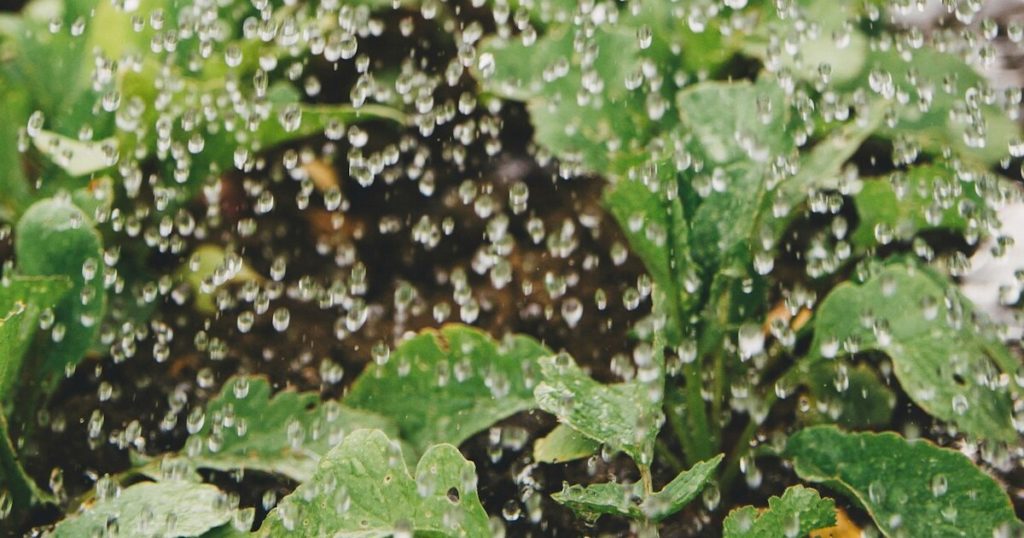
Implementing proper watering strategies in October is a key organic lawn care technique that helps prepare your grass for the winter months. As temperatures begin to drop, your lawn’s water needs decrease, but it’s still important to ensure that your grass receives adequate moisture to support root growth and overall health. Watering deeply and less frequently encourages the development of deep roots, which enhances drought resistance and strengthens your lawn’s ability to withstand the stresses of winter.
To optimize your watering practices, adjust your irrigation schedule to match the cooler weather and reduced evaporation rates. Early morning is the best time to water your lawn, as it allows the grass to dry before evening, reducing the risk of fungal diseases. Additionally, be mindful of natural rainfall and adjust your watering accordingly to avoid overwatering, which can lead to waterlogged soil and root rot. By adopting mindful watering strategies, you ensure that your lawn remains hydrated without wasting water, promoting a healthy and resilient turf that can thrive through the autumn and into the winter months!
Pest Control with Organic Methods

Managing pests organically in October is essential for maintaining a healthy lawn without relying on harmful chemicals. As the weather cools, certain pests may seek shelter in your lawn, causing damage to the grass and roots. Utilizing natural pest control methods helps protect your lawn while preserving the environment and supporting beneficial insects. One effective approach is to introduce or encourage natural predators, such as birds, ladybugs, and nematodes, which help keep pest populations in check.
Another organic pest control technique involves using natural repellents and barriers to deter unwanted insects. For example, diatomaceous earth can be sprinkled around the base of your grass to target pests like grubs and beetles without harming beneficial organisms. Additionally, maintaining a healthy lawn through proper mowing, watering, and fertilizing practices makes it less susceptible to pest infestations. Regularly inspecting your lawn for signs of pests and addressing issues promptly with organic solutions ensures that your grass remains vibrant and pest-free throughout the fall season. Embracing these organic pest control methods not only protects your lawn but also contributes to a balanced and thriving ecosystem!
Improving Soil Health
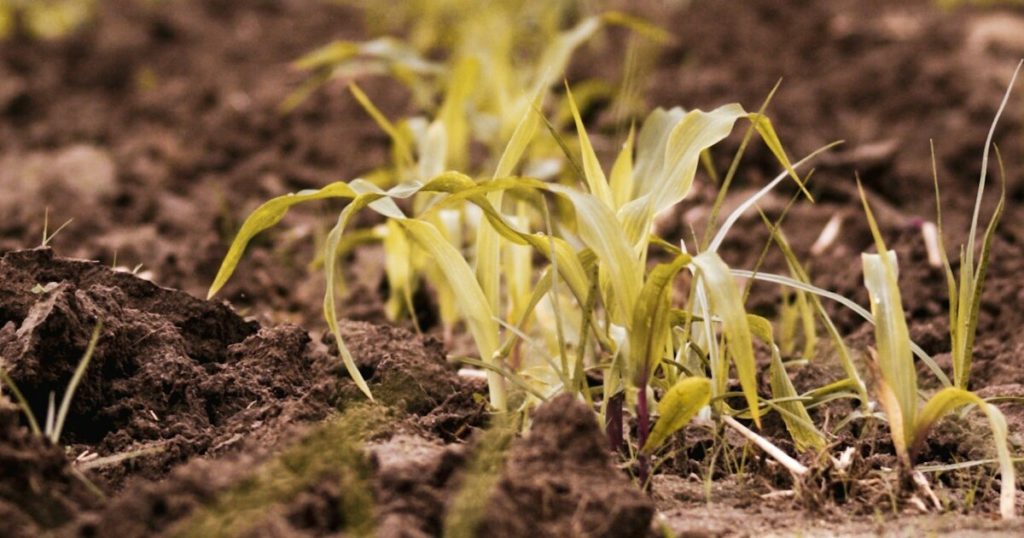
Improving soil health is a foundational organic lawn care technique that ensures your grass remains strong and resilient during the fall and beyond. Healthy soil provides the necessary nutrients, structure, and microbial activity that support vigorous grass growth and resistance to diseases and pests. One effective way to enhance soil health is by incorporating organic matter, such as compost or well-rotted manure, into your lawn. This enriches the soil with essential nutrients, improves its texture, and enhances its ability to retain moisture and nutrients.
Another important aspect of soil health is pH balance. Conducting a soil test in October allows you to determine the pH level of your lawn and make necessary adjustments to create an optimal growing environment. Most grasses thrive in slightly acidic to neutral soil (pH 6.0-7.0), so adding lime or sulfur as needed can help achieve the desired balance. Additionally, fostering a diverse soil microbiome by avoiding synthetic chemicals and using organic amendments encourages beneficial bacteria and fungi to thrive, which in turn supports strong root development and nutrient uptake. By prioritizing soil health in your autumn lawn care routine, you lay the groundwork for a lush, healthy lawn that can endure the winter months and flourish in the spring!
Top Dressing with Compost

Top dressing your lawn with compost in October is an excellent organic technique that enhances soil fertility and improves the overall health of your grass. This process involves spreading a thin layer of compost over the surface of your lawn, allowing it to slowly integrate into the soil and provide essential nutrients. Compost is rich in organic matter, which helps to improve soil structure, increase moisture retention, and promote the growth of beneficial microorganisms. By top dressing in the fall, you prepare your lawn to better withstand the stresses of winter and emerge healthier in the spring.
To effectively top dress your lawn, start by mowing your grass to a shorter height and raking up any debris to ensure even application of the compost. Use a spreader or simply distribute the compost by hand, aiming for a layer about a quarter-inch thick. After spreading, lightly rake the compost into the grass to ensure good contact with the soil. Watering the lawn after top dressing helps the compost settle and begin to integrate with the existing soil. Regular top dressing in October not only feeds your grass but also helps to smooth out uneven areas, reduce thatch buildup, and improve the overall aesthetic appeal of your lawn. Incorporating this simple yet powerful technique into your autumn lawn care routine can make a significant difference in the health and vitality of your turf!