

As the vibrant colors of summer transition into the warm hues of autumn, gardeners have a unique opportunity to enhance their landscapes with edible flowers. Incorporating these blossoms not only adds visual appeal but also brings a delightful array of flavors and nutritional benefits to your garden and kitchen. Autumn offers a perfect backdrop for edible flowers, with cooler temperatures and longer days providing ideal growing conditions for many varieties. By thoughtfully selecting native and non-invasive species, you can create a garden that is both beautiful and bountiful, supporting local ecosystems while delighting your taste buds.
I understand how exciting it can be to experiment with new plants and flavors in your garden, especially during the fall season when many plants are winding down. Edible flowers can transform your autumn garden into a vibrant tapestry of color and taste, offering unique additions to your culinary creations. Whether you’re an experienced gardener or just starting out, incorporating edible flowers can add a new dimension to your gardening experience. Let’s explore some of the best edible flowers for autumn, each bringing its own charm and benefits to your garden!
Calendula

Calendula, often referred to as pot marigold, is a standout edible flower that thrives in the cooler temperatures of autumn. Native to the Mediterranean region, Calendula is well-suited to a variety of climates and soil types, making it a versatile addition to your autumn garden. Its bright orange and yellow blossoms not only add a splash of color but also attract beneficial pollinators like bees and butterflies, enhancing the overall health of your garden ecosystem. Calendula is non-invasive, ensuring it coexists harmoniously with other native plants without overwhelming them.
The petals of Calendula are highly versatile in the kitchen, adding a peppery, tangy flavor to salads, soups, and teas. Beyond their culinary uses, Calendula flowers have medicinal properties and are often used in skincare products for their soothing and anti-inflammatory benefits. Planting Calendula in your autumn garden not only provides a beautiful and functional flower but also supports local wildlife by attracting pollinators and providing nectar sources late into the season. Its resilience and ease of cultivation make Calendula a favorite among gardeners looking to blend beauty with practicality in their autumn landscapes!
Pansies
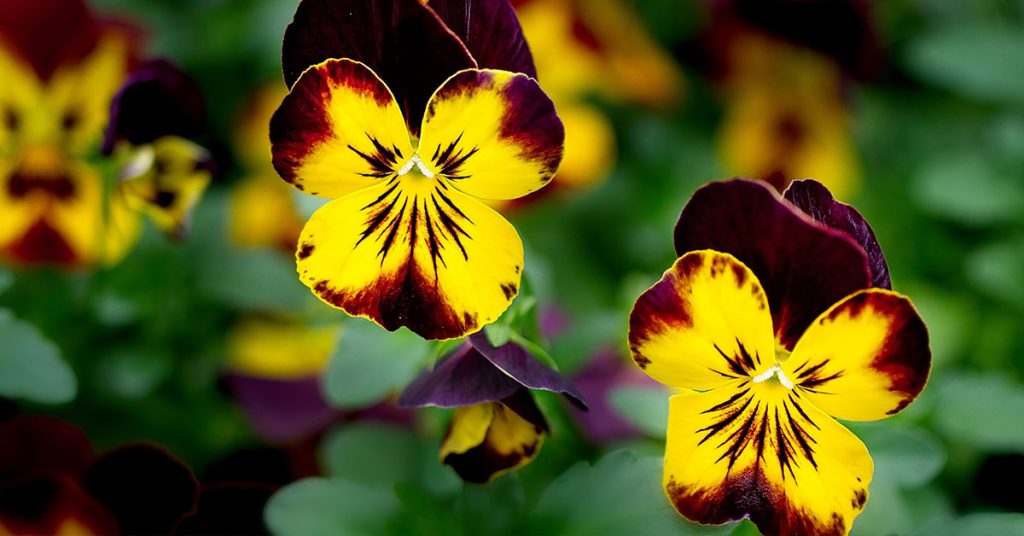
Pansies are a beloved choice for autumn gardens, known for their charming and vibrant flowers that bloom well into the fall months. Native to Europe and Asia, Pansies have been cultivated for centuries and are prized for their wide range of colors and patterns, which can add a cheerful touch to your garden even as the days grow shorter. These hardy flowers are non-invasive and thrive in cooler weather, making them perfect for autumn planting. Pansies also attract pollinators such as bees and butterflies, contributing to the biodiversity of your garden.
In addition to their ornamental appeal, Pansies are entirely edible and can be used to garnish salads, desserts, and beverages, adding both color and a mild, sweet flavor. Their delicate petals can also be crystallized for decorative purposes or used to infuse syrups and jellies. Pansies are easy to grow and maintain, requiring minimal care once established, which makes them an excellent choice for gardeners looking to add edible beauty to their autumn spaces. By incorporating Pansies, you not only enhance the aesthetic appeal of your garden but also enjoy the delightful culinary possibilities they offer!
Chrysanthemums
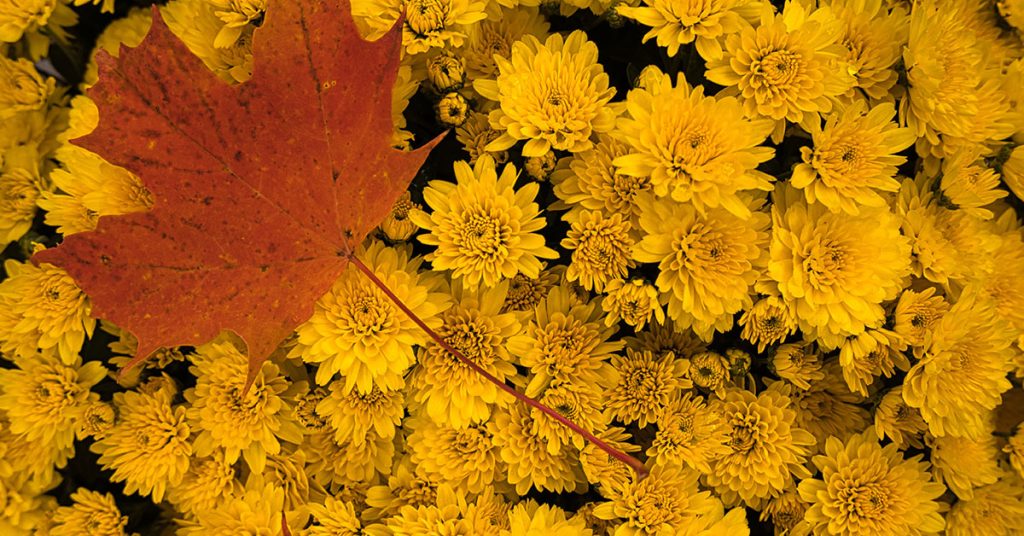
Chrysanthemums, or mums, are quintessential autumn flowers that bring a burst of color and texture to any garden. Native to Asia and northeastern Europe, Chrysanthemums are celebrated for their large, daisy-like blooms that come in a variety of colors, including red, yellow, white, and purple. These flowers are non-invasive and thrive in the cooler temperatures of fall, making them ideal for autumn gardens. Chrysanthemums attract a range of pollinators, including butterflies and bees, which are essential for maintaining a healthy garden ecosystem.
Beyond their stunning appearance, certain varieties of Chrysanthemums are edible and can be used to add a peppery flavor to salads, soups, and garnishes. The petals are also used in teas and as a natural food coloring agent. Chrysanthemums have a long history of use in traditional medicine, valued for their anti-inflammatory and antioxidant properties. By incorporating Chrysanthemums into your autumn garden, you not only enjoy their vibrant beauty but also gain access to their versatile culinary and medicinal benefits. Their robust nature and ability to withstand cooler temperatures make Chrysanthemums a reliable and rewarding addition to your fall garden!
Nasturtiums
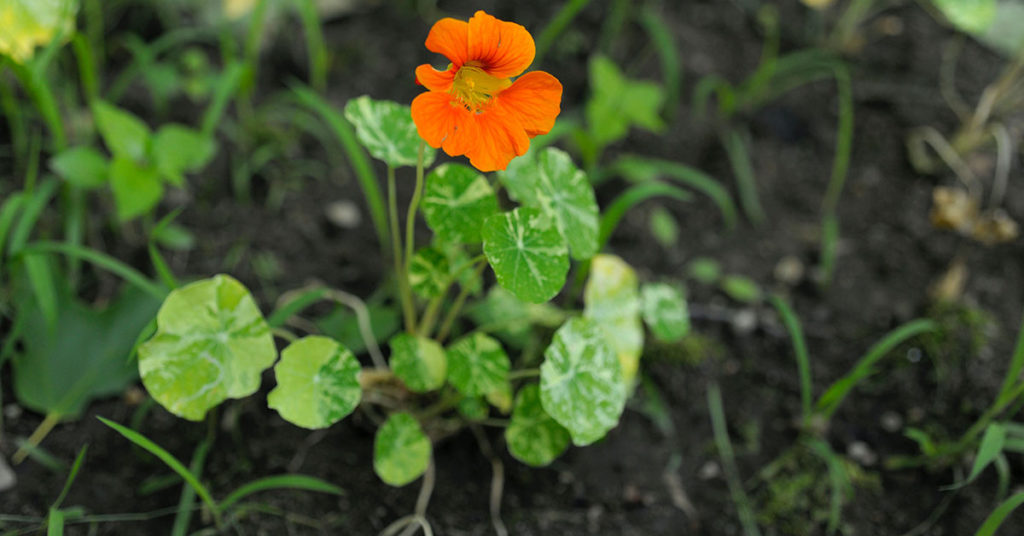
Nasturtiums are a vibrant and versatile addition to any autumn garden, renowned for their bright, trumpet-shaped flowers and trailing vines. Native to South and Central America, Nasturtiums are well-suited to cooler climates and can thrive in the mild temperatures of autumn. These non-invasive plants are easy to grow and maintain, making them a popular choice among gardeners. Nasturtiums are excellent at attracting pollinators like bees and hummingbirds, which play a crucial role in maintaining the health and productivity of your garden.
The flowers and leaves of Nasturtiums are entirely edible, offering a peppery taste that can enhance salads, sandwiches, and garnishes. The vibrant colors of the blossoms add a visually appealing touch to any dish, while the leaves can be used similarly to arugula for a spicy flavor profile. Additionally, Nasturtiums are known for their pest-repellent properties, helping to protect other plants in your garden from harmful insects. By incorporating Nasturtiums into your autumn garden, you not only add a splash of color and flavor to your culinary creations but also support a healthy and balanced garden ecosystem!
Borage

Borage is a delightful edible flower that brings both beauty and functionality to your autumn garden. Native to the Mediterranean region, Borage is well-adapted to a variety of climates and thrives in cooler weather, making it an excellent choice for fall planting. This non-invasive plant features star-shaped, blue flowers that attract a multitude of pollinators, including bees and butterflies, which are essential for the health and productivity of your garden. Borage’s lush, hairy leaves add an interesting texture to your garden beds, enhancing the overall aesthetic appeal.
The flowers and leaves of Borage are both edible, with a mild cucumber-like flavor that makes them perfect for salads, beverages, and garnishes. Borage flowers can also be frozen or dried for later use, allowing you to enjoy their unique taste throughout the year. Additionally, Borage is known for its ability to improve soil health by attracting beneficial insects and repelling pests, making it a valuable companion plant in your autumn garden. By incorporating Borage, you not only enhance the visual and culinary aspects of your garden but also contribute to a thriving and balanced ecosystem that supports your gardening success!
Violas

Violas are charming edible flowers that add a touch of elegance and color to your autumn garden. Native to Europe and Asia, Violas are closely related to Pansies and share their ability to bloom well into the fall months. These non-invasive flowers come in a variety of colors, including purple, yellow, white, and blue, providing a versatile palette to complement your autumn garden design. Violas are excellent at attracting pollinators such as bees and butterflies, which are essential for the overall health and productivity of your garden.
The petals of Violas are edible and can be used to decorate salads, desserts, and beverages, adding both color and a delicate, slightly sweet flavor. Their subtle taste makes them a versatile ingredient in various culinary applications, from garnishing plates to infusing syrups. Violas are easy to grow and require minimal maintenance, making them an ideal choice for gardeners looking to add edible beauty to their autumn spaces without extensive effort. By incorporating Violas into your garden, you not only enjoy their visual charm but also benefit from their culinary versatility and ability to support a healthy garden ecosystem!
Saffron Crocus
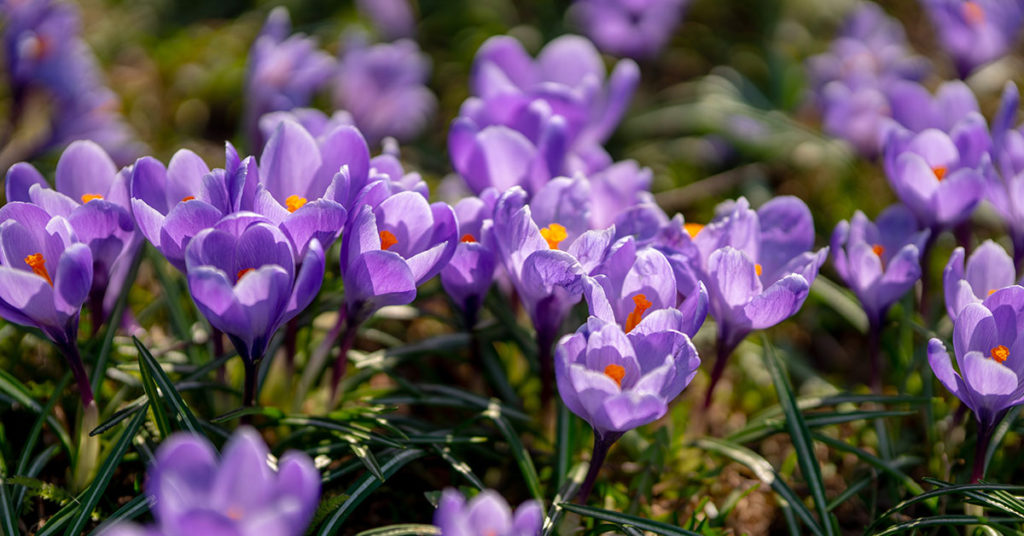
Saffron Crocus is a luxurious and highly prized edible flower that can add both beauty and culinary value to your autumn garden. Native to Southwest Asia, the Saffron Crocus thrives in well-drained soil and cooler temperatures, making it an excellent choice for autumn planting. This non-invasive plant is known for its stunning purple flowers, each of which produces vivid red stigmas that are harvested to create the precious spice saffron. Saffron Crocus attracts pollinators such as bees, which play a vital role in the plant’s reproduction and the overall health of your garden ecosystem.
Harvesting saffron requires careful attention and timing, as the stigmas must be collected by hand to ensure the highest quality spice. The unique flavor and vibrant color of saffron make it a valuable addition to a variety of culinary dishes, from paellas and risottos to desserts and teas. Beyond its culinary uses, saffron has been valued for its medicinal properties, including its antioxidant and anti-inflammatory benefits. By incorporating Saffron Crocus into your autumn garden, you not only enhance its visual appeal but also gain access to one of the world’s most treasured spices, adding both elegance and practicality to your gardening endeavors!