

As the vibrant hues of summer give way to the rich tones of fall, many gardeners seek ways to maintain visual interest in their gardens. One of the most effective and often overlooked methods is incorporating native ferns. These graceful plants not only add stunning texture but also support local ecosystems, making your garden a haven for wildlife during the cooler months. Whether you’re dealing with shady spots or looking to enhance the undergrowth, native ferns offer versatile solutions that can transform your garden into a textured masterpiece.
I know how frustrating it can be when your garden starts to look monotonous as the seasons change. Adding native ferns is a fantastic way to inject life and movement into your landscape without requiring excessive maintenance. These plants are adapted to local conditions, meaning they’re more resilient and less likely to become invasive. Plus, they bring a touch of the wild right to your doorstep, attracting various creatures and contributing to a balanced garden environment. Let’s dive into some of my favorite native ferns that can elevate your fall garden!
Cinnamon Fern
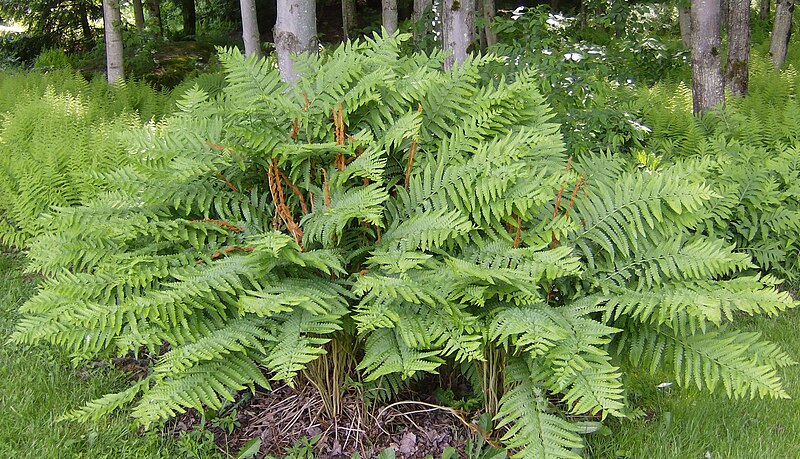
One of my favorite native ferns to incorporate into a fall garden is the Cinnamon Fern (Osmundastrum cinnamomeum). This stunning fern is native to the wetlands and moist forests of North America, thriving in shaded areas with rich, damp soil. Its unique feature is the cinnamon-colored fertile fronds that appear in the spring, adding a warm contrast to the green foliage. The lush, arching fronds create a soft, feathery texture that enhances the depth and layering of your garden design.
Cinnamon Ferns are not only beautiful but also incredibly beneficial for the local ecosystem. They provide excellent cover for small wildlife, offering a safe habitat for birds and insects. Additionally, these ferns are non-invasive, ensuring they won’t disrupt the native plant balance in your garden. Their resilience makes them a reliable choice for gardeners looking to add texture without the worry of overgrowth. If you’re aiming to create a serene, woodland-like atmosphere in your fall garden, the Cinnamon Fern is an excellent choice!
Sensitive Fern
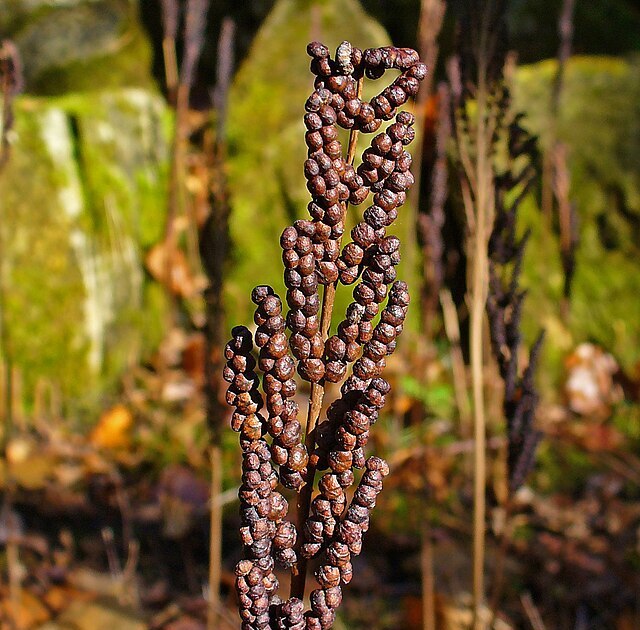
I absolutely adore the Sensitive Fern (Onoclea sensibilis) for its striking presence and ecological benefits! Native to wetlands and moist woodlands across North America, this fern thrives in partially shaded areas with consistently damp soil. Its large, glossy fronds add a bold, architectural element to any garden, providing a dramatic contrast to the softer textures of other plants. The vibrant green leaves maintain their color well into the fall, ensuring your garden remains lively as the seasons change.
Sensitive Ferns play a crucial role in supporting local wildlife. They attract various pollinators and serve as a host plant for certain butterfly species. Moreover, their dense growth habit offers excellent shelter for small animals, making your garden a bustling habitat. It’s such a bummer when gardens lack biodiversity, but with Sensitive Ferns, you can create a thriving ecosystem that benefits both your plants and the surrounding wildlife. Plus, these ferns are not considered invasive, so you can enjoy their beauty without any unwanted surprises!
Lady Fern

Another gem in the native fern family is the Lady Fern (Athyrium filix-femina). Originating from temperate regions of North America, Europe, and Asia, this fern prefers moist, shaded environments and is perfect for adding a delicate texture to your fall garden. Its finely divided fronds create a lacy, intricate pattern that contrasts beautifully with broader-leafed plants. The graceful, arching stems give the garden a sense of movement, mimicking the natural flow of a woodland floor.
Lady Ferns are wonderful for attracting beneficial insects and providing cover for small birds. Their ability to thrive in shaded areas makes them ideal for gardens with limited sunlight, where other plants might struggle. This fern is not invasive, ensuring it coexists harmoniously with other native species. If you’re looking to enhance the understated elegance of your garden while supporting local biodiversity, the Lady Fern is a perfect addition. Its timeless beauty and ecological benefits make it a staple for any thoughtful gardener!
Christmas Fern

One of the perennial favorites among gardeners is the Christmas Fern (Polystichum acrostichoides). True to its name, this evergreen fern maintains its vibrant green fronds throughout the winter months, providing year-round texture and interest in your fall garden. Native to the eastern United States, it thrives in shady to partially shaded areas with well-drained, acidic soil. The robust, leathery leaves form dense clumps, creating a lush backdrop that enhances the overall structure of your garden design.
Christmas Ferns are fantastic for attracting a variety of wildlife. Their dense foliage offers excellent nesting sites for birds and shelter for small mammals. Additionally, they play a role in maintaining soil health by preventing erosion and retaining moisture. Importantly, this fern is not considered invasive, making it a safe choice for native plant gardens. Its resilience and evergreen nature make the Christmas Fern a reliable and attractive option for adding texture and life to your fall landscape!
Maidenhair Fern

I’m thrilled to share the beauty of the Maidenhair Fern (Adiantum pedatum) with you! This elegant fern is native to the cool, shaded forests of North America and prefers moist, well-drained soil rich in organic matter. Its delicate, fan-shaped leaflets are supported by wiry black stems, creating a striking contrast that adds both color and texture to your garden. The Maidenhair Fern’s graceful appearance makes it a standout feature, perfect for adding a touch of sophistication to any shaded area.
Maidenhair Ferns are excellent for attracting pollinators and providing habitat for beneficial insects. Their intricate foliage offers hiding spots for small creatures, enhancing the biodiversity of your garden. This fern is non-invasive and blends seamlessly with other native plants, ensuring a balanced and harmonious garden environment. If you’re aiming to create a tranquil, woodland-inspired garden with exquisite textures and ecological benefits, the Maidenhair Fern is a must-have. Its timeless elegance and functional advantages make it a beloved choice among passionate gardeners!