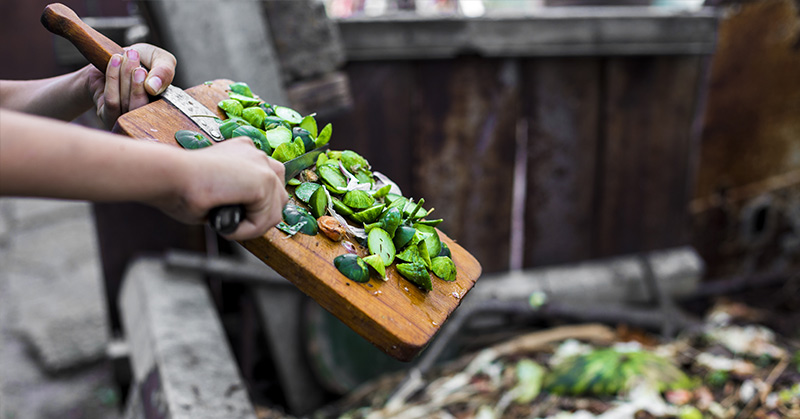

As the vibrant colors of autumn begin to transform your garden, maintaining your compost bin becomes an essential task to ensure a healthy and productive composting process. Fall brings cooler temperatures and a shift in the types of organic materials you can add to your compost, making it crucial to adjust your composting practices accordingly. Whether you’re a seasoned gardener or just starting out, understanding how to maintain your compost bin during the fall can help you create rich, nutrient-dense compost that will benefit your garden for years to come. I’m excited to share my top tips and strategies to keep your composting system thriving even as the seasons change!
Fall is a wonderful time to enhance your composting efforts, as the abundance of fallen leaves and kitchen scraps provides ample materials for decomposition. However, the cooler weather can slow down the composting process, requiring some adjustments to keep everything balanced and active. By focusing on maintaining the right moisture levels, temperature, and balance of green and brown materials, you can ensure that your compost bin remains efficient and odor-free throughout the fall months. Let’s delve into the essential aspects of fall compost maintenance, from managing moisture and aeration to preventing pests and insulating your compost bin for optimal performance!
Managing Moisture Levels

One of the most important aspects of maintaining your compost bin during the fall is managing moisture levels. Cooler temperatures and increased rainfall can make it challenging to keep your compost moist enough for effective decomposition. Aim for a moisture level similar to a damp sponge, where the materials are moist but not soggy. If your compost is too dry, add water gradually while turning the pile to distribute the moisture evenly. Conversely, if it’s too wet, incorporate more dry, brown materials like shredded leaves or straw to absorb excess moisture and improve aeration.
Monitoring moisture levels regularly helps prevent common issues such as slow decomposition or unpleasant odors caused by anaerobic conditions. Using a compost thermometer can also assist in keeping track of the internal temperature, ensuring that your compost remains in the optimal range for microbial activity. By maintaining the right moisture balance, you create an environment where beneficial organisms like worms and decomposer bacteria can thrive, breaking down organic matter efficiently and producing high-quality compost for your garden!
Turning and Aerating the Compost

Turning and aerating your compost bin is essential for maintaining aerobic conditions, which promote faster decomposition and reduce the likelihood of foul odors. In the fall, as temperatures drop, turning your compost more frequently can help keep it warm and active. Use a pitchfork or a compost turner to mix the materials thoroughly, ensuring that oxygen reaches all parts of the pile. This process also helps redistribute moisture and temperature, creating a more uniform environment for decomposition.
Regular aeration encourages the activity of aerobic microorganisms and prevents the compost from becoming compacted or waterlogged. Additionally, turning your compost introduces fresh air, which is vital for the survival of beneficial insects and worms that contribute to the breakdown of organic materials. By keeping your compost well-aerated, you enhance its overall quality and speed up the composting process, resulting in richer, more nutrient-dense compost that will support your garden’s growth and health throughout the fall and beyond!
Balancing Green and Brown Materials
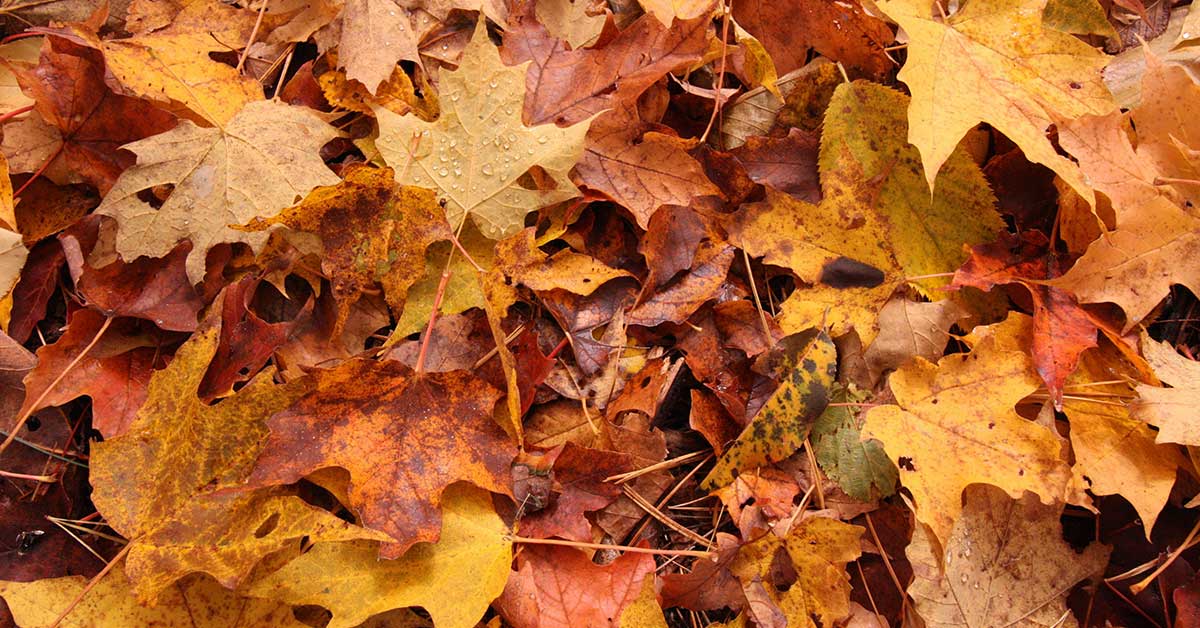
Achieving the right balance of green and brown materials is crucial for effective composting, especially during the fall season. Green materials, such as kitchen scraps, fresh grass clippings, and green leaves, provide essential nitrogen for the composting process. Brown materials, including dried leaves, straw, and shredded paper, supply carbon, which helps to balance the nitrogen levels and improve aeration. A general guideline is to maintain a ratio of approximately 3 parts brown to 1 part green materials.
In the fall, you’ll find an abundance of brown materials like fallen leaves, making it easier to achieve this balance. Incorporate these materials into your compost bin to enhance airflow and prevent the pile from becoming too dense or soggy. Adding a variety of brown materials also introduces different textures and sizes, which can improve the overall structure of your compost and facilitate better decomposition. By carefully balancing green and brown materials, you create an optimal environment for the microorganisms and decomposers that break down organic matter, ensuring a smooth and efficient composting process throughout the fall season!
Preventing Pests and Odors

Maintaining a pest-free compost bin while preventing unpleasant odors is a common challenge during the fall months. To deter pests such as raccoons, rodents, and flies, ensure that your compost bin is securely closed and has a tight-fitting lid. Avoid adding meat, dairy, or oily foods, as these can attract unwanted animals and create strong odors. Instead, focus on plant-based scraps, such as vegetable peels, coffee grounds, and shredded paper, which are less likely to attract pests and easier for microorganisms to break down.
To further prevent odors, maintain a balanced mix of green and brown materials and ensure proper aeration by turning the compost regularly. If you notice any foul smells, it may indicate that the compost is too wet or lacking in oxygen. Address this by adding more dry, brown materials and turning the pile to introduce fresh air. Additionally, incorporating activated charcoal or biochar can help absorb excess odors and improve the overall quality of your compost. By taking proactive measures to prevent pests and control odors, you create a more pleasant and efficient composting environment that continues to produce high-quality compost throughout the fall season!
Insulating the Compost Bin

Insulating your compost bin is an effective way to maintain optimal temperatures and protect your compost from the cold fall weather. Proper insulation helps retain the heat generated by microbial activity, ensuring that your compost remains active and efficient even as outdoor temperatures drop. You can insulate your compost bin by surrounding it with materials such as straw bales, blankets, or foam boards, which act as thermal barriers to keep the internal temperature stable.
Another method is to move your compost bin to a sheltered location, such as against a south-facing wall or inside a shed, where it is less exposed to harsh winds and extreme cold. Adding a layer of mulch around the outside of the bin also provides additional insulation and helps protect the compost from freezing. By insulating your compost bin, you create a more resilient and active composting environment that continues to break down organic matter effectively, producing rich compost that will nourish your garden throughout the fall and prepare it for the upcoming planting season!
Utilizing Winter-Resistant Compost Bins

Choosing the right compost bin that can withstand winter conditions is essential for successful fall composting. Winter-resistant compost bins are typically made from durable materials such as heavy-duty plastic, metal, or thick wood, which can endure the weight of snow and resist cracking or warping in cold temperatures. Additionally, selecting a compost bin with good ventilation and easy access for turning can help maintain aerobic conditions and prevent moisture buildup during the winter months.
Another important feature to consider is the size of your compost bin. Larger bins retain heat better and are more insulated against the cold, while smaller bins may require more frequent turning and monitoring. Some gardeners opt for insulated compost tumblers or enclosed composters that offer enhanced protection and ease of use. By investing in a winter-resistant compost bin, you ensure that your composting system remains functional and efficient throughout the fall and winter seasons, allowing you to continue producing high-quality compost year-round!
Adding Compost Activators
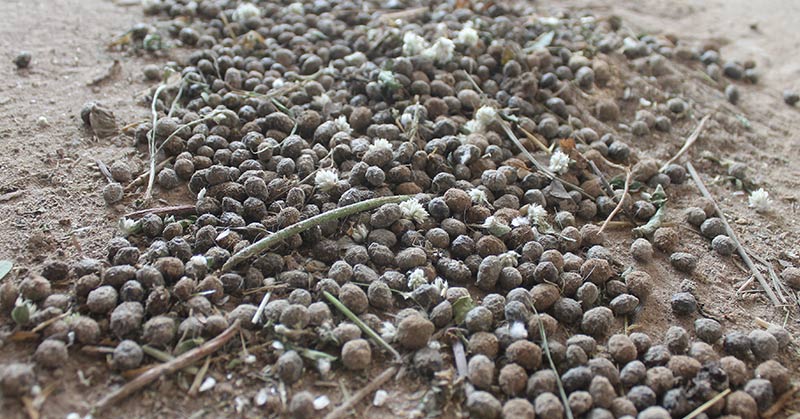
Incorporating compost activators into your fall composting routine can significantly speed up the decomposition process and enhance the quality of your compost. Compost activators are materials rich in nitrogen, phosphorus, and other essential nutrients that boost microbial activity and help break down organic matter more efficiently. Examples of compost activators include finished compost, aged manure, blood meal, and fish emulsion. Adding these activators to your compost bin provides a quick nutrient boost that jumpstarts the composting process, especially during the cooler fall months when microbial activity may slow down.
Additionally, using natural compost starters such as garden soil or a handful of mature compost can introduce beneficial microorganisms that help maintain a healthy and active composting environment. For instance, sprinkling some finished compost from last season into your fall bin can inoculate it with the necessary microbes to break down new materials rapidly. By regularly adding compost activators, you ensure that your compost remains nutrient-rich and decomposes efficiently, producing high-quality compost that will enhance the fertility and health of your garden soil throughout the fall and into the spring!
Harvesting and Storing Finished Compost
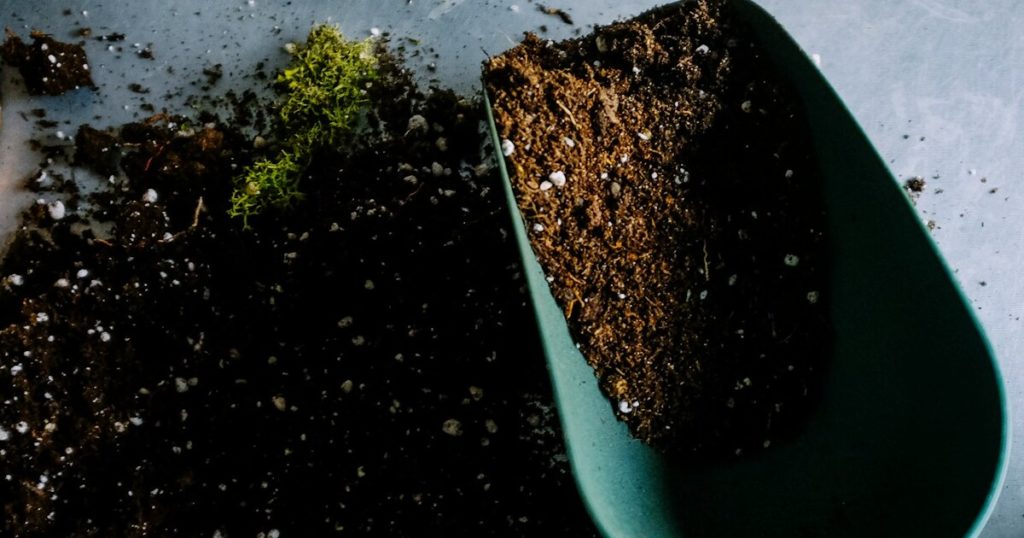
As the fall season progresses, it’s important to keep an eye on the progress of your compost and prepare for harvesting and storing the finished product. Finished compost is dark, crumbly, and earthy-smelling, indicating that it’s ready to be used as a nutrient-rich amendment for your garden beds. To harvest, simply remove the finished compost from the bottom of your bin, as it tends to accumulate there, and sift out any large, undecomposed materials to return them to the bin for further decomposition.
Once harvested, store your finished compost in a dry, cool place until you’re ready to use it in the spring. You can use it immediately by mixing it into your garden soil or as a top dressing for your plants, providing essential nutrients and improving soil structure. If you have excess compost, consider packaging it in airtight containers or bags to preserve its quality and prevent moisture from affecting its shelf life. Properly storing your finished compost ensures that you have a steady supply of organic matter to support your garden’s growth and health, making your fall composting efforts a valuable investment in your gardening success!
Troubleshooting Common Composting Issues

Even with careful maintenance, you might encounter some common issues while managing your compost bin during the fall. One frequent problem is a compost pile that smells unpleasant, which usually indicates anaerobic conditions caused by too much moisture or insufficient aeration. To fix this, turn the compost more frequently to introduce fresh air and add more dry, brown materials to absorb excess moisture. Additionally, ensure that your compost bin is well-ventilated to maintain aerobic conditions and prevent foul odors from developing.
Another common issue is slow decomposition, which can occur due to low temperatures, an imbalance of green and brown materials, or a lack of microbial activity. To address slow decomposition, focus on maintaining the right balance of green and brown materials, ensuring that your compost remains moist but not soggy, and providing additional compost activators to boost microbial activity. Using a compost thermometer to monitor the internal temperature can also help you identify whether the compost is heating up properly, indicating active decomposition. By troubleshooting these common issues proactively, you can keep your compost bin healthy and productive throughout the fall season, ensuring a steady supply of high-quality compost for your garden!
Encouraging Beneficial Organisms

A healthy compost bin is teeming with beneficial organisms that play a vital role in breaking down organic matter and enriching the soil. During the fall, it’s important to encourage these organisms, such as earthworms, beetles, and beneficial bacteria, to maintain an active and efficient composting process. Earthworms, for example, help aerate the compost and break down larger pieces of organic material, speeding up decomposition. Adding a handful of compost or finished manure to your bin can introduce these beneficial organisms and promote their activity.
Additionally, maintaining the right conditions within your compost bin—adequate moisture, proper aeration, and a balanced mix of green and brown materials—fosters a thriving ecosystem of decomposers. Avoid disturbing the compost too much, as excessive turning can disrupt the habitat of these beneficial organisms. Instead, aim for regular, gentle turning to maintain airflow without causing stress to the inhabitants of your compost pile. By fostering a diverse and active community of beneficial organisms, you enhance the efficiency and quality of your compost, ensuring that it remains a valuable resource for your garden throughout the fall and beyond!