
As the crisp air of October settles in and the vibrant hues of autumn begin to paint the landscape, there’s no better time to infuse your garden with the natural beauty and resilience of native wildflowers. Planting native wildflowers in the fall not only enhances the visual appeal of your outdoor space but also supports local ecosystems by providing essential habitat and food sources for native pollinators and wildlife. Whether you have a sprawling backyard or a cozy balcony, incorporating these hardy plants can create a stunning fall display that thrives even as temperatures drop and daylight hours shorten. I’m excited to share my favorite tips and plant selections to help you achieve a vibrant and sustainable fall garden!
Embracing native wildflowers in your autumn garden offers a multitude of benefits, from promoting biodiversity to requiring less maintenance compared to non-native species. Native wildflowers are well-adapted to your local climate and soil conditions, making them more resilient against pests, diseases, and extreme weather. Additionally, these plants play a crucial role in supporting native pollinators like bees, butterflies, and hummingbirds, which are vital for the health of your garden and the broader ecosystem. In this guide, I’ll walk you through the essential steps for selecting, planting, and maintaining native wildflowers in October, ensuring your garden bursts with color and life throughout the fall season and beyond!
Selecting the Right Native Wildflowers

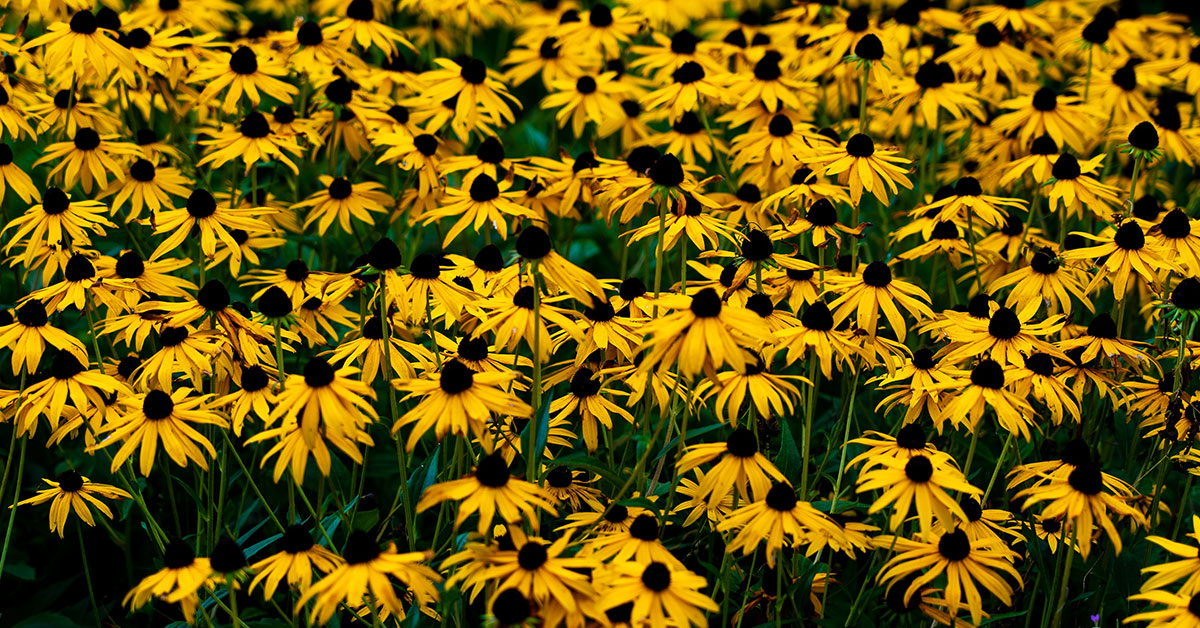
One of the most exciting aspects of planting native wildflowers in October is choosing the right varieties that will flourish in your specific region and garden conditions. Native wildflowers like the vibrant Purple Coneflower (Echinacea purpurea), native to North America, offer stunning blooms that attract a variety of pollinators and add a bold splash of color to your garden. Another fantastic option is the Black-eyed Susan (Rudbeckia hirta), also native to North America, known for its bright yellow petals and dark centers that provide a striking contrast against the autumn backdrop. Selecting a diverse mix of native wildflowers ensures a continuous display of colors and shapes, creating a dynamic and visually appealing garden.
When selecting native wildflowers, it’s important to consider factors such as bloom time, soil type, and sunlight exposure to ensure optimal growth and performance. For example, the Butterfly Milkweed (Asclepias tuberosa) native to North America not only boasts beautiful orange flowers but also serves as a crucial host plant for monarch butterflies, supporting their lifecycle and migration. Similarly, the Blanket Flower (Gaillardia pulchella) native to North America thrives in well-drained soils and full sun, making it a hardy and low-maintenance choice for fall gardens. By carefully selecting a variety of native wildflowers that complement each other and suit your garden’s conditions, you create a harmonious and resilient landscape that blooms brilliantly throughout the season!
Preparing the Soil for Planting
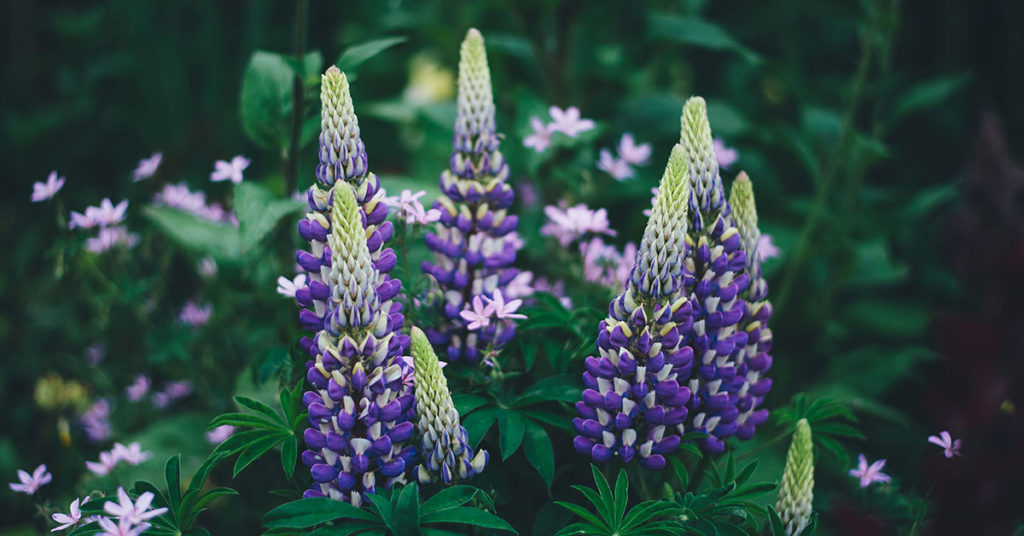
Proper soil preparation is essential for the successful establishment of native wildflowers in your fall garden. Start by testing your soil’s pH and nutrient levels to determine any necessary amendments. Most native wildflowers prefer well-drained soil with a slightly acidic to neutral pH, but specific requirements can vary depending on the species. For instance, the native Lupine (Lupinus perennis) thrives in sandy or loamy soils with good drainage, while the Prairie Dropseed (Sporobolus heterolepis) native to North America prefers richer, moist soils. Adjusting your soil’s composition by adding organic matter such as compost or aged manure can improve its fertility and structure, providing a nourishing environment for your wildflowers to thrive.
Additionally, removing weeds and debris from your planting area ensures that native wildflowers have ample space to grow without competition for nutrients and water. Loosen the soil to a depth of at least 6 inches to facilitate root penetration and aeration, which are critical for robust growth. Incorporating mulch around your wildflowers can help retain moisture, regulate soil temperature, and suppress weed growth throughout the fall months. For example, using shredded leaves or straw as mulch not only protects the soil but also decomposes over time, enriching it with organic matter that benefits your native wildflowers. By taking the time to prepare your soil properly, you create a fertile and supportive foundation that promotes healthy and vibrant blooms in your fall garden!
Attracting Pollinators and Beneficial Insects

Incorporating native wildflowers into your fall garden is a fantastic way to attract pollinators and beneficial insects, which play a crucial role in maintaining a healthy and balanced ecosystem. Plants like the Wild Bergamot (Monarda fistulosa) native to North America produce fragrant blooms that attract bees, butterflies, and hummingbirds, ensuring effective pollination and enhancing the overall productivity of your garden. Additionally, native wildflowers provide habitat and food sources for predatory insects such as ladybugs and lacewings, which help control pest populations naturally, reducing the need for chemical interventions.
Moreover, creating a diverse and pollinator-friendly environment fosters biodiversity, supporting a wide range of species that contribute to the health and resilience of your garden. For example, the native Goldenrod (Solidago spp.) offers late-season blooms that provide essential nectar for migrating monarch butterflies and solitary bees preparing for winter. By strategically placing a variety of native wildflowers throughout your garden, you create a continuous supply of resources for pollinators and beneficial insects, ensuring that your garden remains vibrant and thriving even as the season progresses. This symbiotic relationship not only benefits your plants but also supports the broader ecosystem, making your fall garden a sanctuary for wildlife!
Mulching and Protection
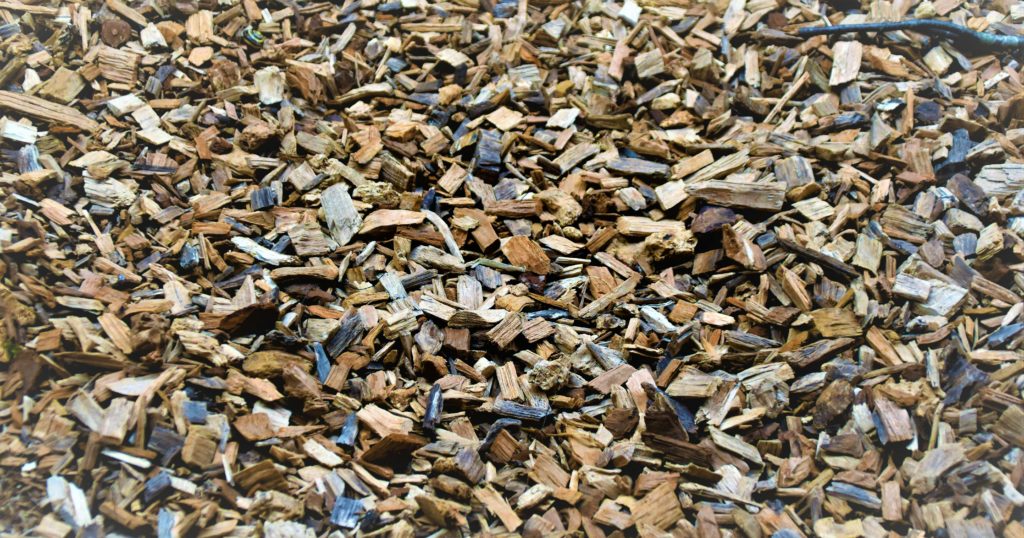
Mulching is a vital practice for winter-proofing your native wildflowers and ensuring their survival through the colder months. Applying a thick layer of organic mulch, such as shredded leaves, straw, or wood chips, around your wildflowers helps insulate the soil, maintaining a more stable temperature and protecting roots from freezing. Mulch also retains soil moisture, reducing the risk of drought stress and preventing the soil from becoming waterlogged, which can lead to root rot and other diseases. For example, mulching around your native Sunflower (Helianthus annuus) native to North America not only preserves moisture but also suppresses weed growth, giving your wildflowers the best possible conditions to thrive.
Additionally, mulching provides a protective barrier against harsh winds and heavy snow, which can damage delicate stems and blooms. This is especially important for taller wildflowers like the native Joe-Pye Weed (Eutrochium purpureum) native to North America, which can be prone to breakage under heavy snow loads. By incorporating mulch into your fall garden care routine, you create a cushioned and supportive environment that enhances the resilience and longevity of your native wildflowers. This simple yet effective practice ensures that your vibrant fall display remains intact and continues to flourish, even as winter approaches!
Maintenance Throughout Fall
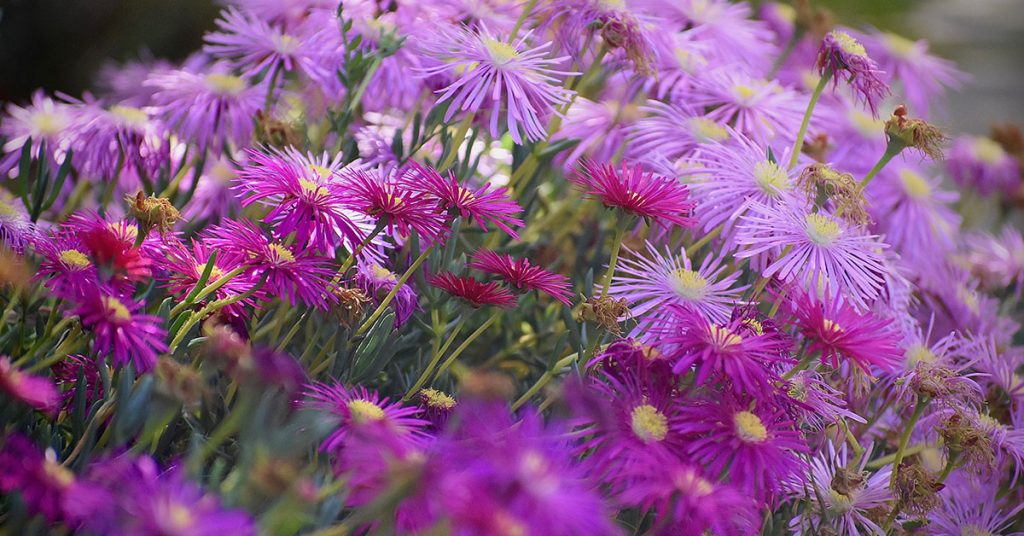
Maintaining your native wildflowers throughout the fall is essential for ensuring a vibrant and healthy garden display. Regular maintenance tasks such as deadheading spent blooms, trimming back overgrown stems, and removing any diseased or damaged plants help promote continued growth and prevent pest infestations. For example, deadheading the faded blooms of your native Asters (Symphyotrichum spp.) native to North America encourages the plant to produce more flowers and extends the blooming period, keeping your garden colorful well into the autumn months. Additionally, pruning back tall wildflowers like the native Liatris (Liatris spicata) helps maintain their shape and prevents them from becoming too leggy or top-heavy under the weight of fall rains.
Another important aspect of fall maintenance is monitoring soil moisture and adjusting watering schedules as needed. While native wildflowers are generally drought-tolerant once established, they still require adequate moisture to support their growth during the cooler, often drier fall months. Ensure that your plants receive enough water without overwatering, as excessive moisture can lead to root rot and other fungal diseases. Implementing a regular inspection routine allows you to address any issues promptly, keeping your native wildflowers healthy and thriving throughout the fall season. By dedicating time to consistent maintenance, you ensure that your garden remains a stunning and resilient display of native wildflowers, ready to greet the spring with renewed vigor!
Benefits of Native Wildflowers
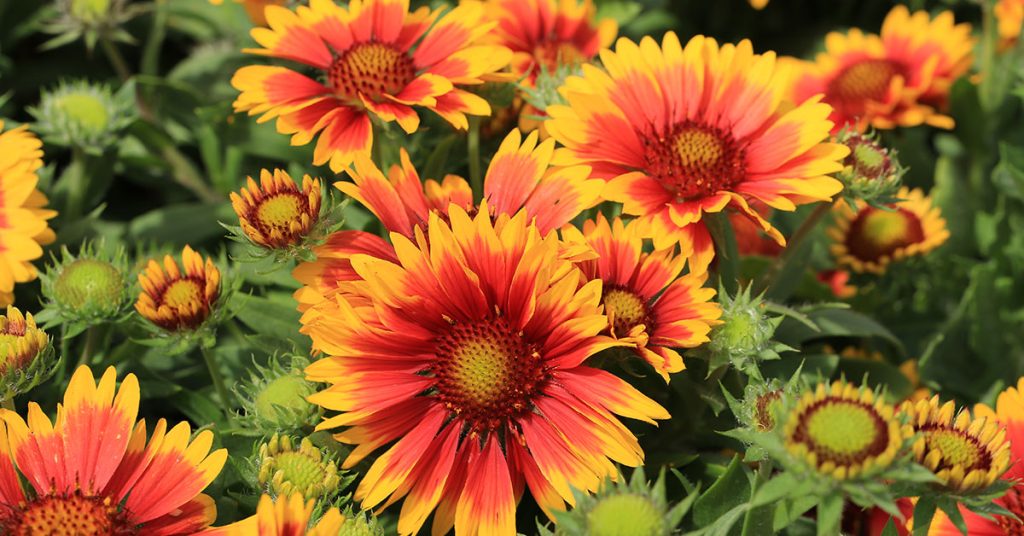
Incorporating native wildflowers into your fall garden offers a plethora of benefits that enhance both the beauty and functionality of your outdoor space. Native wildflowers are adapted to your local climate and soil conditions, making them more resilient and easier to care for compared to non-native species. This resilience translates to lower maintenance requirements and a reduced need for chemical interventions, fostering a more sustainable and eco-friendly garden. Additionally, native wildflowers contribute to soil health by improving soil structure, enhancing nutrient cycling, and preventing erosion, ensuring that your garden remains fertile and vibrant year after year.
Moreover, native wildflowers play a crucial role in supporting local biodiversity and ecosystem health. They provide essential habitat and food sources for a wide range of wildlife, including pollinators, birds, and beneficial insects, which are vital for the reproductive success of many plants and the overall balance of the ecosystem. For example, planting native Blanket Flower (Gaillardia pulchella) native to North America attracts a variety of pollinators while offering stunning red and yellow blooms that add a vibrant touch to your garden. By choosing native wildflowers, you create a thriving and interconnected garden ecosystem that benefits both your plants and the surrounding wildlife, resulting in a lush and dynamic fall display that is as sustainable as it is beautiful!
Avoiding Invasive Species
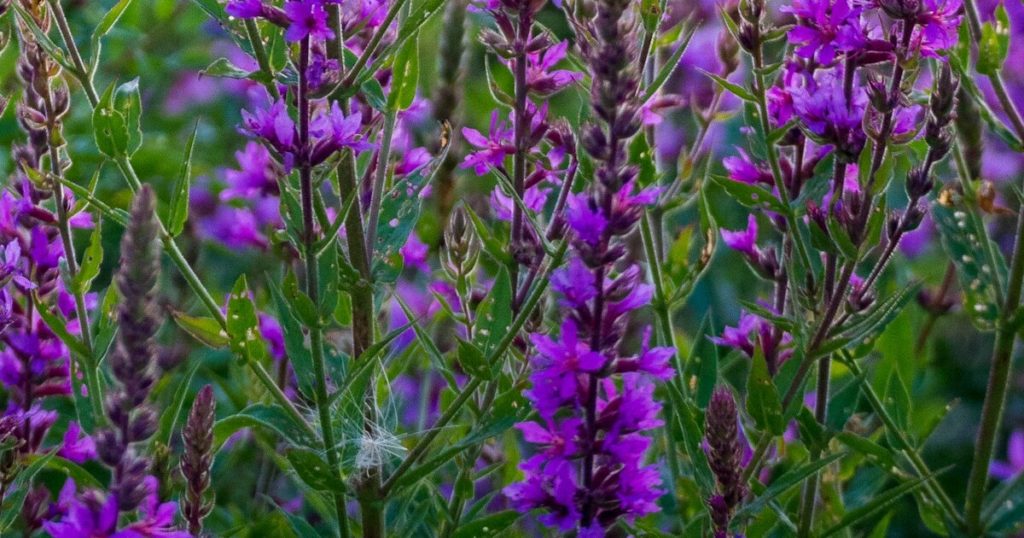
When incorporating native wildflowers into your fall garden, it’s essential to be mindful of avoiding invasive species that can disrupt local ecosystems and outcompete native plants. Invasive wildflowers, such as the Purple Loosestrife (Lythrum salicaria) native to Europe and Asia, can quickly spread and dominate your garden, displacing beneficial native species and reducing biodiversity. To prevent this, carefully research each wildflower variety before planting to ensure it is non-invasive in your region. Stick to certified native varieties from reputable sources, and avoid plants known for their invasive tendencies to maintain a balanced and healthy garden environment.
Additionally, implementing good gardening practices helps control the spread of any potentially invasive species. Regularly monitoring your garden for signs of unwanted growth, promptly removing any invasive plants, and using physical barriers or containment methods can prevent these species from escaping and spreading. For instance, planting native Oxeye Daisy (Leucanthemum vulgare) native to Europe in contained areas ensures that they do not spread beyond their intended space, maintaining the integrity of your fall garden. By being vigilant and proactive in avoiding invasive wildflowers, you protect your garden’s native biodiversity and create a harmonious and sustainable environment that celebrates the natural beauty of your region!
Attracting Beneficial Wildlife
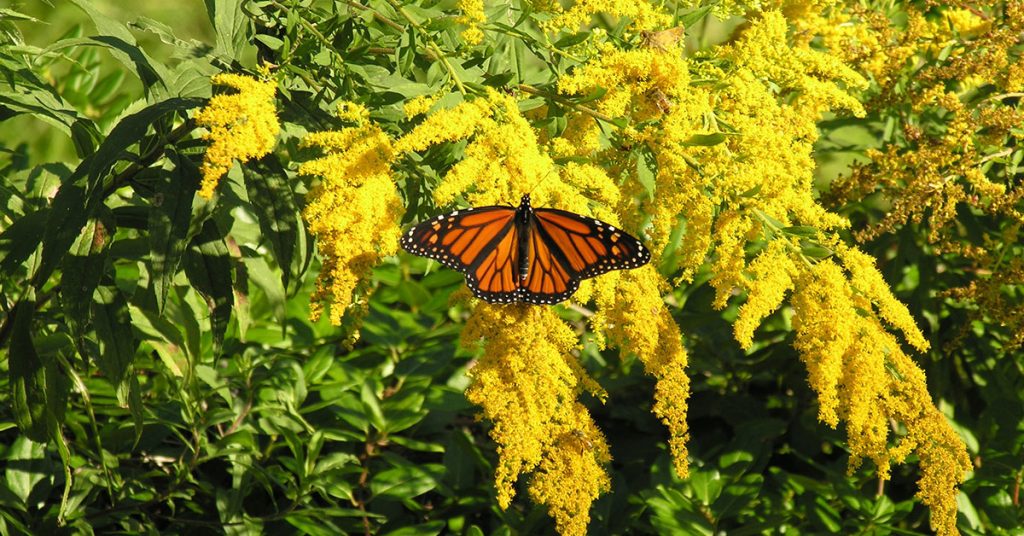
Planting native wildflowers in your fall garden not only enhances its beauty but also attracts beneficial wildlife that plays a pivotal role in maintaining a healthy and balanced ecosystem. Native plants like the Wild Lupine (Lupinus perennis) native to North America produce abundant flowers that attract pollinators such as bees, butterflies, and hummingbirds, ensuring effective pollination and contributing to the reproductive success of your garden plants. Additionally, these wildflowers provide essential food sources and habitat for beneficial insects like ladybugs and lacewings, which help control pest populations naturally, reducing the need for chemical pesticides.
Moreover, the seeds and foliage of native wildflowers offer sustenance for birds and small mammals, supporting local wildlife populations throughout the fall and winter months. For example, the native Goldenrod (Solidago spp.) provides seeds that are a valuable food source for finches and sparrows, while its dense stems offer shelter and nesting sites for various bird species. By creating a wildlife-friendly environment with native wildflowers, you foster a thriving and interconnected garden ecosystem that benefits both your plants and the surrounding fauna, resulting in a vibrant and lively fall display that is rich in biodiversity and ecological harmony!
Designing with Native Wildflowers for Maximum Impact
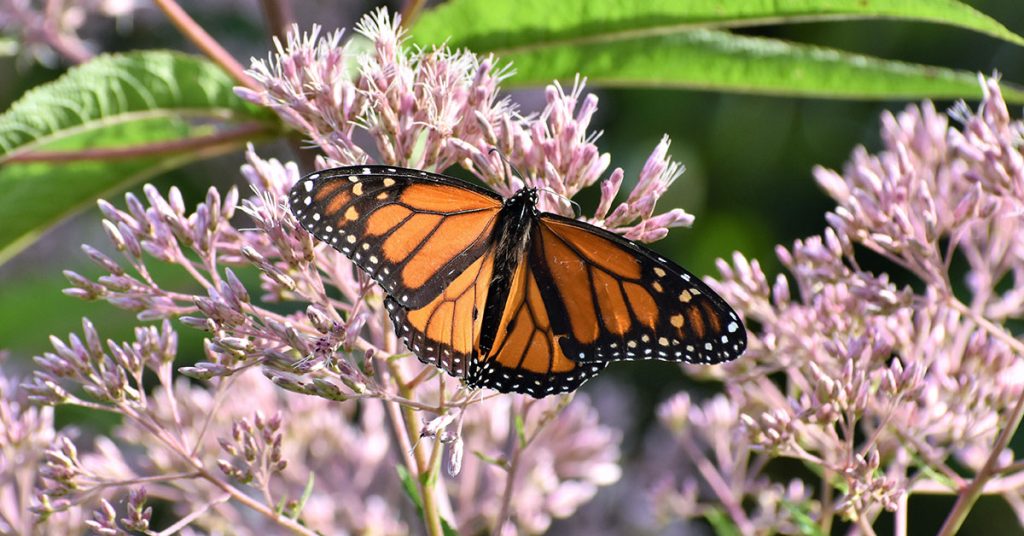
Designing your fall garden with native wildflowers requires thoughtful planning and strategic placement to achieve maximum visual and ecological impact. Start by selecting a variety of native wildflowers that offer a range of colors, heights, and bloom times to create a dynamic and layered garden display. For instance, pairing tall wildflowers like the native Joe-Pye Weed (Eutrochium purpureum) with shorter species like the native Black-eyed Susan (Rudbeckia hirta) creates depth and contrast, enhancing the overall aesthetic appeal of your garden. Additionally, grouping wildflowers in clusters or drifts mimics natural plant communities, providing a more natural and cohesive look that highlights their inherent beauty.
Incorporate structural elements such as rocks, logs, or garden trellises to add interest and provide support for climbing native wildflowers like the native Sweet Autumn Clematis (Clematis terniflora) native to Asia. These structures not only serve as focal points but also create microhabitats that support a diverse range of wildlife. Furthermore, consider the layout and flow of your garden, ensuring that each native wildflower variety is placed in an environment that suits its specific needs for sunlight, soil, and moisture. By designing with native wildflowers in mind, you create a harmonious and visually stunning fall garden that showcases the best of your region’s botanical heritage while supporting a thriving and balanced ecosystem!