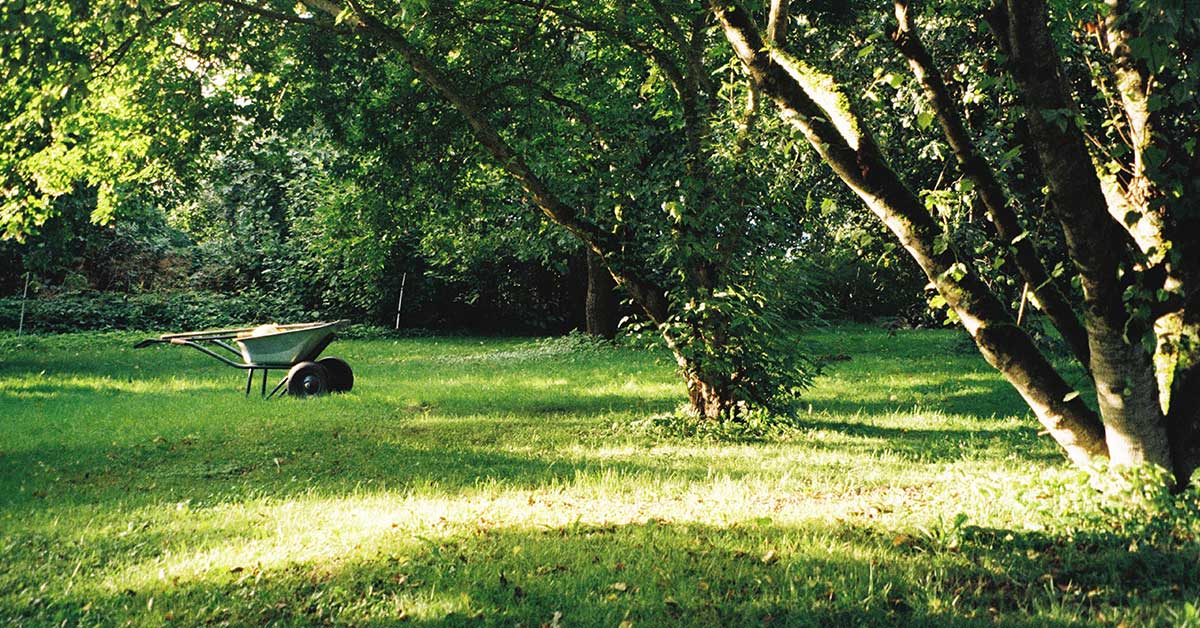

As the leaves begin to turn and the air crisps, October emerges as a pivotal month for lawn care. Reviving your lawn during the fall not only prepares it for the upcoming winter but also sets the stage for a lush, green landscape in the spring. Whether your lawn has been struggling with thinning grass, weed overgrowth, or nutrient deficiencies, embracing the latest fall fertilization and care trends can breathe new life into your outdoor space. I’m thrilled to share some of the most effective strategies that will help you achieve a healthy and vibrant lawn this October!
Fall is the perfect time to give your lawn the attention it deserves, as the cooler temperatures and increased rainfall create ideal conditions for growth and recovery. From selecting the right fertilizers and overseeding with native grass species to implementing proper mowing and watering techniques, each step plays a crucial role in revitalizing your lawn. Understanding the unique needs of your grass type and addressing common lawn issues proactively can make all the difference. Let’s dive into the top trends and best practices for fall lawn care that will ensure your grass stays strong, resilient, and beautiful throughout the colder months and beyond!
Overseeding with Native Grass Varieties

Overseeding is a fantastic way to thicken your lawn and introduce resilient, native grass species that are well-adapted to your local climate. Native grasses, such as Kentucky bluegrass (Poa pratensis) in cooler regions or Bermuda grass (Cynodon dactylon) in warmer areas, provide excellent coverage and are less prone to disease and pests. Planting native varieties ensures that your lawn remains healthy with minimal intervention, as these grasses are naturally suited to thrive in your environment without the need for excessive watering or fertilization. Additionally, native grasses contribute to the local ecosystem by supporting beneficial insects and wildlife.
When overseeding in October, it’s essential to prepare your lawn properly to ensure successful germination and establishment of the new grass. Start by mowing your existing lawn to a lower height to allow the seeds to make good contact with the soil. Aerating the soil can also enhance seed penetration and improve soil health by reducing compaction and increasing oxygen flow to the roots. Spread the grass seed evenly using a broadcast spreader, and consider using a starter fertilizer to provide the necessary nutrients for young seedlings. Watering consistently, but not excessively, will help the new grass establish strong roots before the winter sets in. By choosing native grass varieties and following these overseeding steps, you can achieve a lush, dense lawn that withstands the challenges of the colder months!
Fall Fertilization with Slow-Release Nutrients
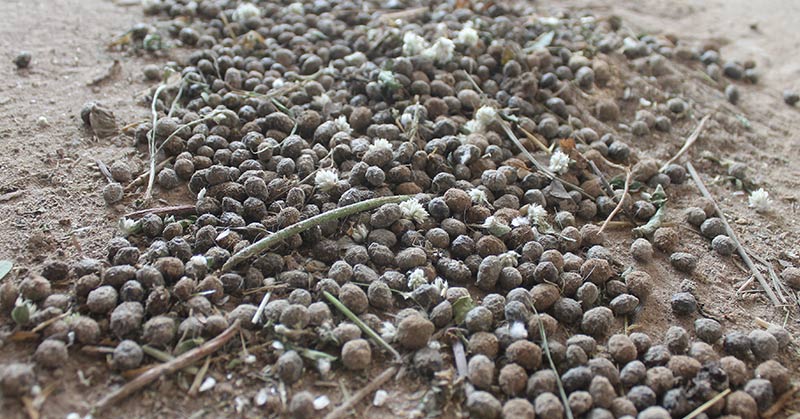
Fall fertilization is a crucial step in maintaining a healthy lawn, as it replenishes nutrients that have been depleted over the growing season and prepares the grass for winter dormancy. Using slow-release fertilizers is highly recommended, as they provide a steady supply of nutrients over an extended period, ensuring that your lawn receives consistent nourishment without the risk of burning the grass with high nitrogen concentrations. Slow-release fertilizers are particularly beneficial in October, as they help the grass build strong root systems that enhance resilience against frost and disease.
When selecting a fertilizer for your fall application, look for formulations that are high in potassium and phosphorus, which are essential for root development and overall plant health. Organic options, such as compost or manure-based fertilizers, are excellent choices as they improve soil structure and promote microbial activity, leading to a more robust and sustainable lawn. Apply the fertilizer evenly using a spreader to avoid patchy growth and ensure thorough coverage. Following the manufacturer’s instructions for application rates and timing will help you achieve the best results. By incorporating slow-release fertilizers into your fall lawn care routine, you can ensure that your grass remains strong, vibrant, and well-prepared for the winter ahead!
Aeration to Enhance Soil Health

Aeration is a vital practice for maintaining a healthy lawn, especially in October when the grass is actively growing and can recover quickly from soil disturbance. Compacted soil restricts the flow of air, water, and nutrients to the grass roots, leading to poor growth and increased susceptibility to disease. Aerating your lawn involves removing small cores of soil, which alleviates compaction and promotes better root development. This process enhances the overall health of your lawn by improving oxygen exchange and allowing nutrients to penetrate deeper into the soil.
Performing aeration in the fall has several benefits, including reducing water runoff, improving soil drainage, and encouraging the growth of deep, robust roots. This is particularly important for lawns that experience heavy foot traffic or have been subjected to frequent mowing. After aerating, it’s an ideal time to overseed and fertilize, as the open soil provides an excellent environment for grass seeds to establish and absorb nutrients effectively. Using a core aerator ensures that you remove sufficient soil to achieve the desired benefits without causing excessive disruption to your lawn. By incorporating aeration into your October lawn care regimen, you can significantly improve soil health and ensure a thriving, resilient lawn throughout the winter months!
Weed Control with Selective Herbicides
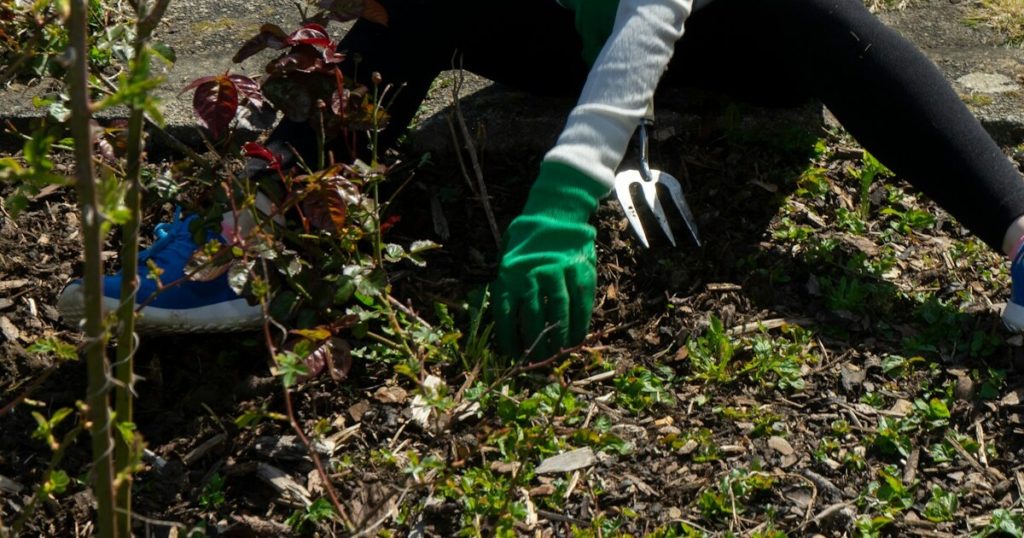
Controlling weeds is a common challenge for many lawn owners, and addressing this issue in October is essential for preventing weed seeds from setting and spreading in the spring. Using selective herbicides can effectively target broadleaf weeds like dandelions and clover without harming the desirable grass species. It’s important to choose a herbicide that is compatible with your grass type and follow the application instructions carefully to avoid damaging your lawn. Applying herbicides in the fall helps reduce the overall weed population, making your lawn easier to maintain and more aesthetically pleasing.
In addition to chemical solutions, incorporating natural weed control methods can enhance the effectiveness of your fall weed management strategy. Mulching and overseeding with dense grass varieties can suppress weed growth by limiting the available space and resources for unwanted plants. Hand-pulling weeds and using a weeding tool can also be effective, especially for larger weeds that are easier to remove manually. Maintaining a healthy, thick lawn through proper fertilization, aeration, and mowing practices is one of the best defenses against weed invasion. By combining selective herbicides with natural weed control techniques, you can achieve a lush, weed-free lawn that remains resilient and beautiful throughout the autumn season!
Mowing Practices for Fall Lawn Health

Adjusting your mowing practices in October is essential for maintaining a healthy lawn as the weather begins to cool and growth slows down. Lowering your mower blade slightly can help prevent excessive thatch buildup and reduce the risk of disease by allowing better air circulation and sunlight penetration to the grass blades. It’s important not to cut the grass too short, as this can stress the plants and make them more vulnerable to frost damage and pest infestations. Maintaining a higher mowing height during the fall promotes deeper root growth and enhances the lawn’s overall resilience.
In addition to adjusting the mowing height, it’s crucial to keep your mower blades sharp to ensure clean cuts that minimize damage to the grass. Dull blades can tear the grass, leading to uneven growth and increased susceptibility to diseases. Mowing regularly, but not excessively, helps maintain an even surface and prevents the grass from becoming too long or tangled. Leaving grass clippings on the lawn can also provide natural fertilization, returning essential nutrients to the soil and reducing the need for additional fertilizers. By refining your mowing practices in October, you support the health and beauty of your lawn, ensuring it remains robust and vibrant through the fall and into the spring!
Soil Testing for Tailored Fertilization
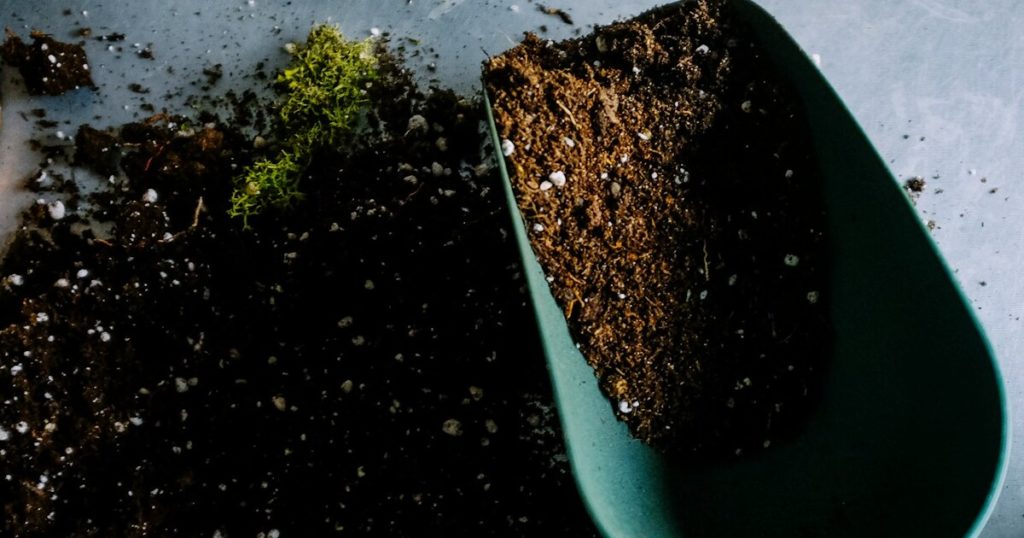
Conducting a soil test is a crucial step in developing a tailored fertilization plan that meets the specific needs of your lawn. Soil testing provides valuable information about nutrient levels, pH balance, and soil composition, allowing you to make informed decisions about the types and amounts of fertilizers to apply. In October, testing your soil before fertilizing ensures that you address any deficiencies and optimize the health of your grass. Many local extension offices or garden centers offer soil testing services, providing you with detailed reports and recommendations based on your results.
Understanding your soil’s nutrient profile helps you choose the right fertilizer blend that promotes strong root growth and vibrant grass blades. For instance, if your soil test indicates a nitrogen deficiency, opting for a nitrogen-rich fertilizer can enhance the color and density of your lawn. Additionally, adjusting the pH balance based on test results can improve nutrient uptake and overall plant health. Incorporating organic amendments like compost or bone meal can also enrich your soil, fostering a more sustainable and fertile environment for your grass. By utilizing soil testing to guide your fertilization efforts, you can achieve a customized and effective lawn care regimen that ensures a healthy, thriving lawn throughout the fall and beyond!
Addressing Lawn Pests in the Fall

Autumn is a prime time for addressing lawn pests that can cause significant damage to your grass and overall lawn health. Common pests like grubs, chinch bugs, and sod webworms can weaken your lawn by feeding on the roots and blades, making it more susceptible to disease and stress during the cooler months. Implementing pest control measures in October helps protect your lawn from infestations and promotes a healthier, more resilient turf. Identifying the presence of these pests early allows you to take targeted action before they cause extensive damage.
Integrated pest management (IPM) strategies are highly effective for controlling lawn pests in an eco-friendly manner. This approach includes monitoring pest populations, promoting beneficial insects that prey on pests, and using biological controls such as nematodes or Bacillus thuringiensis (Bt) to reduce pest numbers naturally. Additionally, maintaining a healthy lawn through proper fertilization, aeration, and mowing practices can make your grass less attractive to pests and more capable of recovering from any damage. By addressing lawn pests proactively in October, you ensure that your lawn remains strong and vibrant, ready to withstand the challenges of winter and emerge healthy in the spring!
Conclusion

Reviving your lawn in October through effective fall fertilization and care is a rewarding endeavor that sets the foundation for a lush, green landscape year-round. By embracing the latest trends in overseeding with native grass varieties, utilizing slow-release fertilizers, and implementing essential practices like aeration and proper mowing, you can transform a struggling lawn into a vibrant, resilient turf. Additionally, addressing weeds, conducting soil tests, and managing pests proactively ensures that your lawn remains healthy and beautiful despite the changing weather patterns.