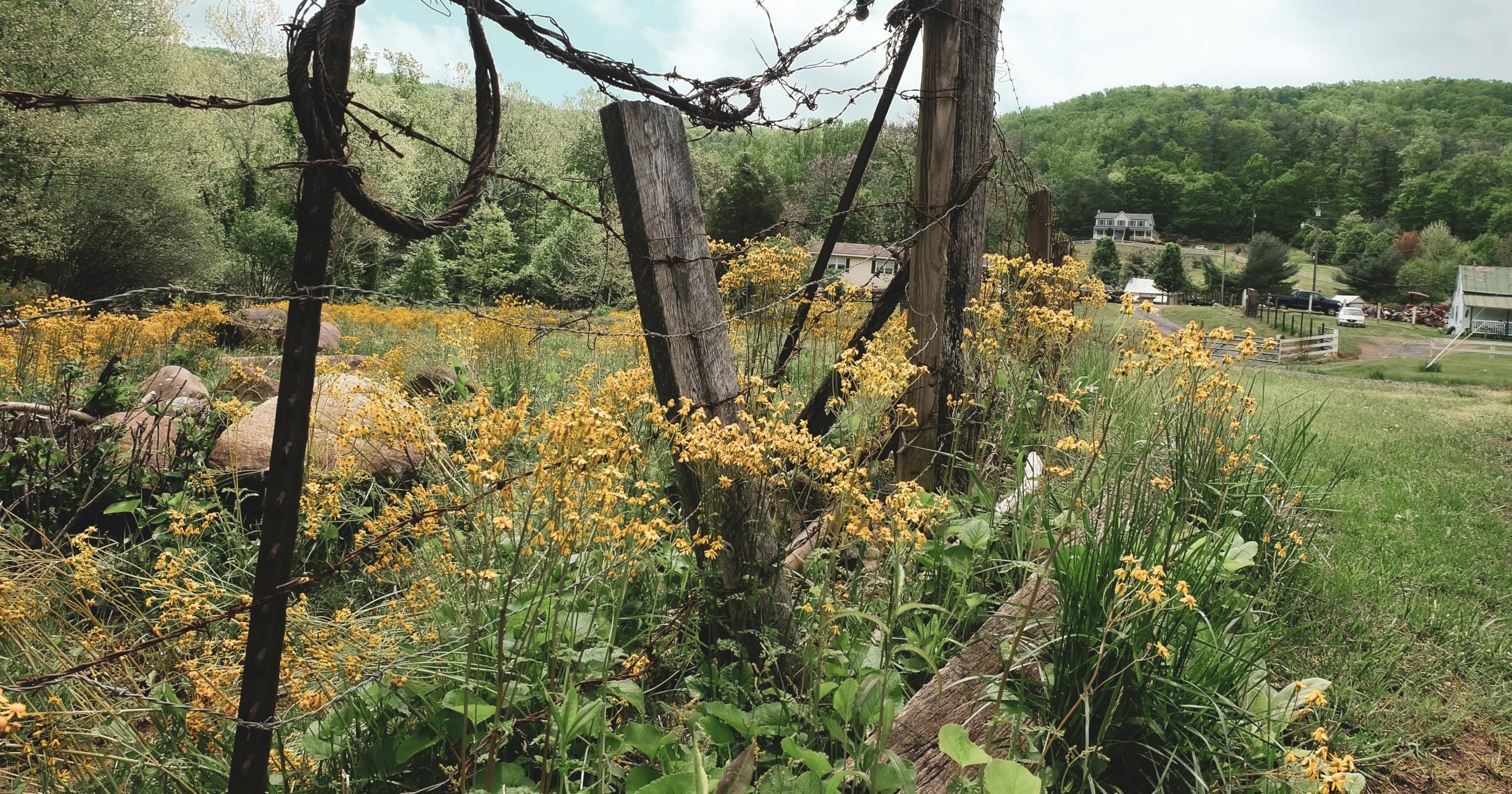

As the vibrant colors of summer give way to the rich hues of autumn, October emerges as an ideal time to embrace the growing trend of native plant gardening. Native plants, those species that have evolved and adapted to thrive in specific regions over thousands of years, offer numerous benefits for both gardeners and the environment. By planting native varieties in October, you not only enhance the beauty and resilience of your garden but also support local ecosystems, promoting biodiversity and sustainability in your outdoor space. Whether you’re a seasoned gardener or just starting out, incorporating native plants this fall can transform your garden into a thriving, eco-friendly haven.
I know how frustrating it can be to see your garden struggle against pests, diseases, and the challenges of changing seasons. It’s such a bummer when your plants don’t perform as expected, wasting your time and effort. That’s why I’m thrilled to share the myriad reasons why October is the perfect time to plant native species. From their natural resilience to their ability to attract beneficial wildlife, native plants are a smart and rewarding choice for any garden. Let’s delve into the rise of native plants and discover how planting them this October can maximize the growth and health of your garden while contributing to a healthier planet!
Purple Coneflower (Echinacea purpurea)
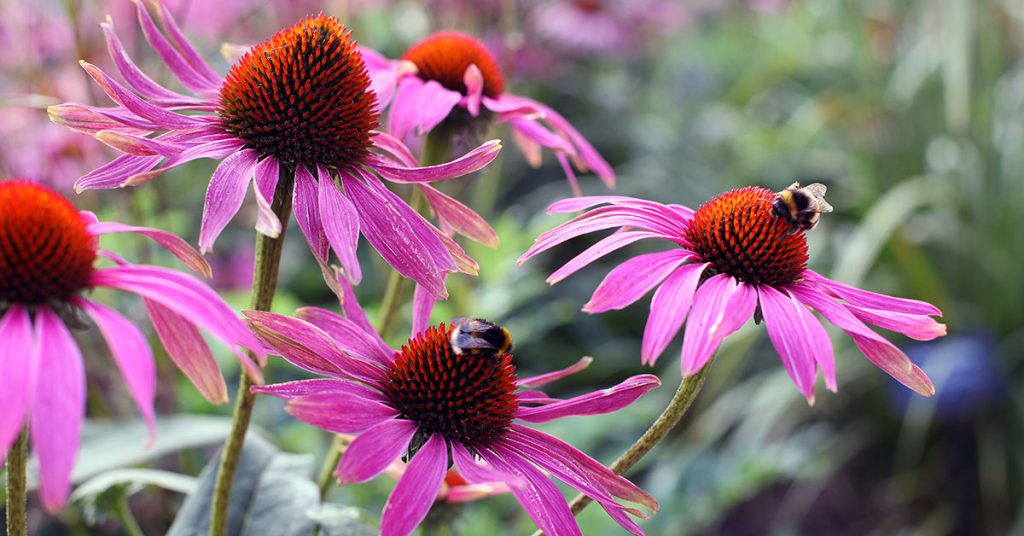
Purple Coneflower, or Echinacea purpurea, is a standout native plant that thrives beautifully when planted in October. Native to the central and eastern United States, this perennial is renowned for its striking purple petals and prominent central cone, which add a vibrant splash of color to any garden. One of the reasons Echinacea is so beloved is its remarkable resilience; it can withstand the cooler temperatures of fall and continue to bloom well into the autumn months. This makes it an excellent choice for gardeners looking to maintain color and vitality in their landscapes as the seasons change.
Beyond its aesthetic appeal, Purple Coneflower plays a crucial role in supporting local ecosystems. It attracts a variety of pollinators, including bees and butterflies, which are essential for the health and reproduction of many other plants. Additionally, Echinacea serves as a host plant for several butterfly species, providing a nurturing environment for their larvae. Importantly, Purple Coneflower is not considered invasive, allowing it to coexist harmoniously with other native plants in your garden. By planting Echinacea purpurea this October, you’re not only enhancing the beauty of your garden but also fostering a thriving habitat for beneficial insects and wildlife!
Black-eyed Susan (Rudbeckia hirta)

Black-eyed Susan, or Rudbeckia hirta, is another fantastic native plant to consider planting in October. Originating from North America, this hardy perennial is celebrated for its bright yellow petals and dark brown centers, which resemble a charming black eye. Black-eyed Susans are incredibly adaptable, thriving in a variety of soil types and light conditions, from full sun to partial shade. Their robust nature makes them an excellent choice for fall planting, as they can withstand the cooler temperatures and continue to provide vibrant color late into the season.
In addition to their visual appeal, Black-eyed Susans are highly beneficial for the garden ecosystem. They attract a multitude of pollinators, including butterflies, bees, and even some species of beetles, which help in the pollination process and contribute to the overall health of your garden. Furthermore, these flowers provide nectar and pollen that are crucial for the survival of many insect species during the cooler months. Black-eyed Susans are not invasive, ensuring they can be planted alongside other native species without disrupting the natural balance. By incorporating Rudbeckia hirta into your October garden, you’re supporting a vibrant and resilient ecosystem while enjoying the cheerful blooms that brighten your outdoor space!
Switchgrass (Panicum virgatum)

Switchgrass, or Panicum virgatum, is an excellent native grass to plant in October, offering both beauty and ecological benefits. Native to North America, Switchgrass is a versatile perennial that adds texture and movement to any garden with its tall, slender stems and airy plumes. This grass is particularly well-suited for fall planting, as it establishes strong root systems before the onset of winter, ensuring robust growth in the spring. Its deep root system also helps improve soil structure and prevents erosion, making it a sustainable choice for any landscape.
Beyond its structural benefits, Switchgrass plays a vital role in supporting local wildlife. It provides habitat and nesting sites for various bird species, including sparrows and meadowlarks, while its seeds are a valuable food source for birds like finches and sparrows. Additionally, Switchgrass acts as a natural filter, helping to purify water runoff and reduce pollution in your garden. Importantly, this grass is not considered invasive, allowing it to integrate seamlessly with other native plants without overpowering them. By planting Switchgrass in October, you’re enhancing the ecological diversity of your garden and creating a beautiful, sustainable landscape that supports a wide range of wildlife!
Wild Bergamot (Monarda fistulosa)

Wild Bergamot, or Monarda fistulosa, is a stunning native plant that flourishes when planted in October. Native to North America, particularly the Midwest and Northeast regions, Wild Bergamot is prized for its fragrant lavender flowers and attractive foliage. This perennial not only adds a lovely scent and splash of color to your garden but also attracts a variety of pollinators, including bees, butterflies, and hummingbirds. Its ability to thrive in the cooler autumn weather makes it an ideal choice for fall planting, ensuring continued blooms and a vibrant garden presence as the seasons change.
In addition to its beauty and aromatic qualities, Wild Bergamot plays a significant role in supporting local ecosystems. It serves as a host plant for several species of butterflies, providing essential nectar and habitat for their life cycles. The plant’s dense growth habit also offers shelter and nesting sites for beneficial insects and small wildlife, contributing to a balanced and healthy garden environment. Monarda fistulosa is not considered invasive, making it a safe addition to any native garden without the risk of it spreading uncontrollably. By planting Wild Bergamot this October, you’re enhancing your garden’s biodiversity and creating a fragrant, lively space that benefits both plants and pollinators alike!
Wild Columbine (Aquilegia canadensis)
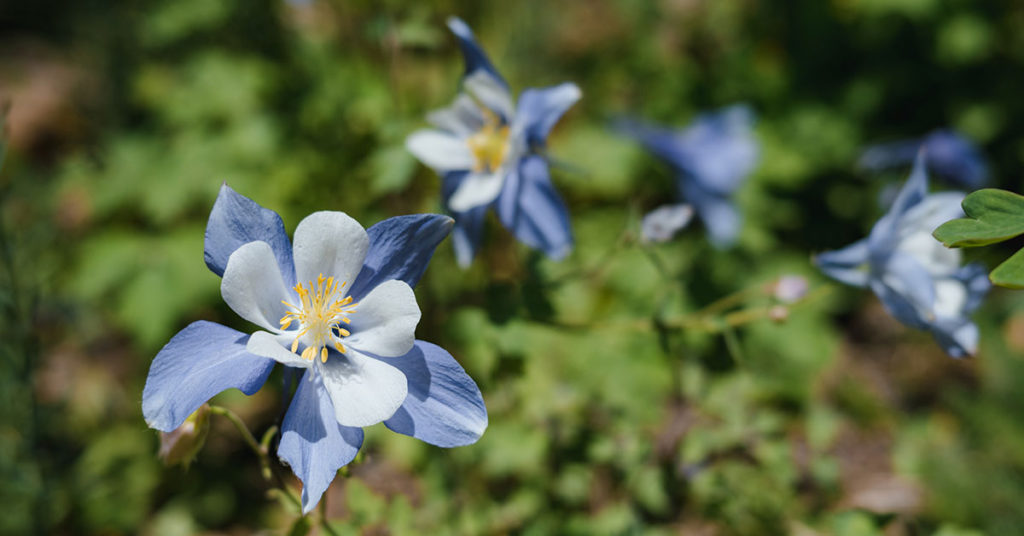
Wild Columbine, or Aquilegia canadensis, is a charming native flower that thrives when planted in October. Native to the eastern United States, this perennial is admired for its delicate, nodding flowers with striking red and yellow spurs, adding a touch of elegance to any garden. Wild Columbine is well-suited for fall planting as it benefits from the cooler temperatures, which help it establish a strong root system before winter. Its graceful blooms continue to attract pollinators throughout the autumn months, ensuring your garden remains lively and vibrant.
In addition to its beauty, Wild Columbine plays a crucial role in supporting local ecosystems. The unique shape of its flowers attracts hummingbirds and butterflies, which aid in pollination and contribute to the health of your garden. Furthermore, the plant provides nectar for bees and other beneficial insects, fostering a balanced and thriving garden environment. Wild Columbine is not considered invasive, making it a safe and attractive addition to any native garden without the risk of it spreading uncontrollably. By planting Aquilegia canadensis this October, you’re enhancing the visual appeal of your garden while supporting a diverse and resilient ecosystem that benefits both plants and pollinators alike!
Conclusion

The rise of native plants in October gardening is a testament to the growing awareness of the importance of supporting local ecosystems and promoting sustainable gardening practices. By choosing to plant native species, you’re not only enhancing the beauty and resilience of your garden but also contributing to the health and diversity of the environment around you. From the vibrant blooms of Purple Coneflower and Black-eyed Susan to the structural elegance of Switchgrass and the delicate charm of Wild Columbine, native plants offer a myriad of benefits that modern hybrids often overlook.