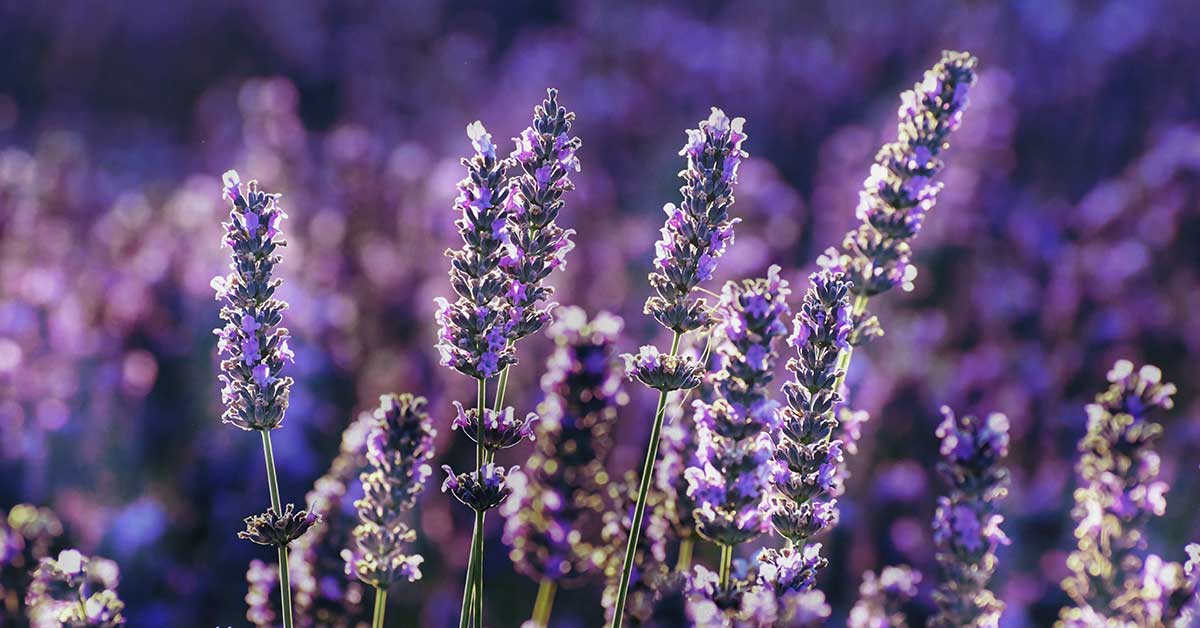

Bees play a crucial role in our ecosystems, pollinating countless plants and contributing to the health and beauty of our gardens. Creating a bee-friendly garden not only supports these essential pollinators but also enhances the overall vibrancy and productivity of your outdoor space. By selecting the right flowers, you can provide bees with the nectar and pollen they need to thrive, ensuring a flourishing garden and a healthy environment.
As a passionate gardener, I’ve always been fascinated by the intricate dance between flowers and bees. It’s such a delight to watch bees busily moving from bloom to bloom, ensuring that my garden remains lush and full of life. Whether you’re looking to attract native bees or provide a sanctuary for these hardworking insects, these fifteen bee-friendly flowers are perfect additions to any garden. Let’s explore these beautiful plants that not only add color and fragrance but also create a haven for our buzzing friends!
Lavender (Lavandula spp.)
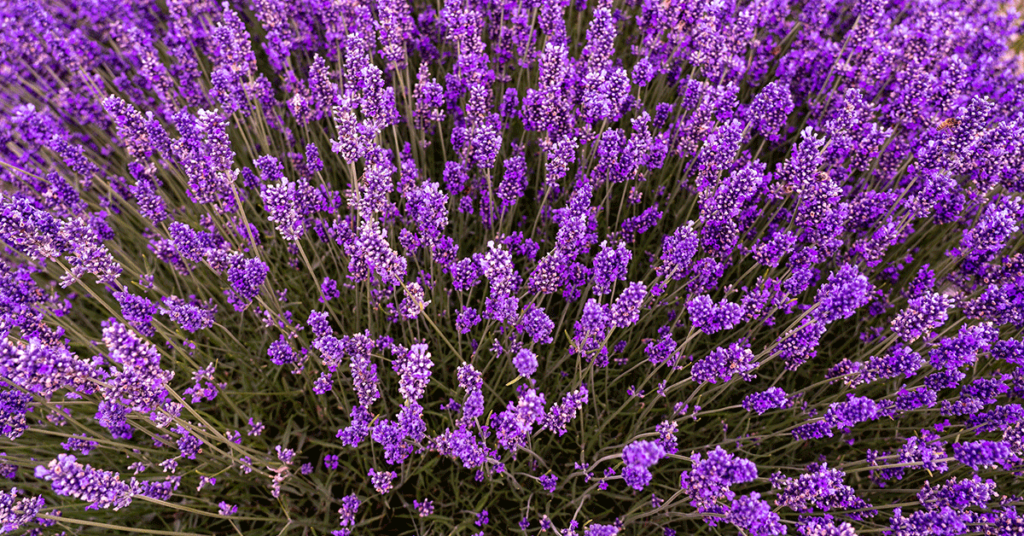
Lavender is a beloved perennial native to the Mediterranean region, celebrated for its fragrant purple flowers and silvery-green foliage. This non-invasive plant thrives in full sun and well-drained soil, making it a perfect choice for sunny garden spots. Lavender’s delightful scent not only adds a soothing aroma to your garden but also attracts a variety of bees, including honeybees and solitary bees, who are drawn to its rich nectar.
One of the most enchanting aspects of lavender is its ability to attract pollinators throughout the summer months, providing a reliable source of food for bees. Additionally, lavender’s sturdy stems offer a perfect landing platform for bees to gather nectar efficiently. Planting lavender in your garden not only enhances its aesthetic appeal but also supports the local bee population, ensuring a healthy and vibrant ecosystem. With its beautiful blooms and essential role in pollination, lavender is a must-have for any bee-friendly garden!
Sunflower (Helianthus annuus)
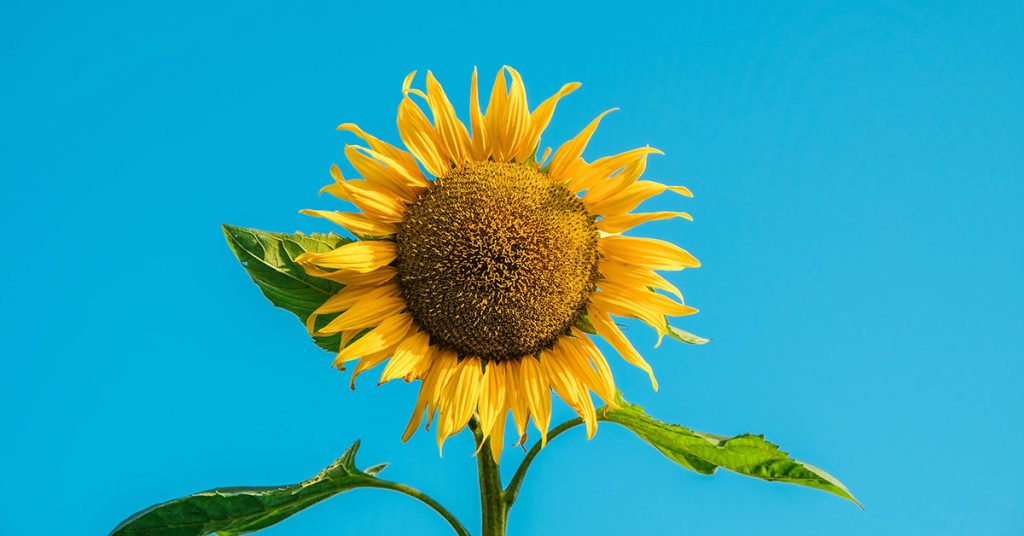
Sunflowers are iconic for their large, bright yellow blooms that turn to follow the sun’s path across the sky. Native to North America, these tall and sturdy annuals are not only stunning but also highly beneficial for bees. Sunflowers thrive in full sun and well-drained soil, making them a vibrant addition to any garden. Their abundant nectar and pollen make sunflowers a favorite among honeybees, bumblebees, and other pollinators.
In addition to attracting bees, sunflowers provide essential habitat and food sources for other beneficial insects, including ladybugs and butterflies. The towering stems offer perching spots for bees, allowing them easy access to the rich floral rewards. Planting sunflowers in your garden not only adds a splash of color but also supports a diverse range of pollinators, enhancing the overall health and productivity of your garden. With their cheerful appearance and bee-friendly nature, sunflowers are a perfect choice for creating a lively and vibrant outdoor space!
Bee Balm (Monarda didyma)
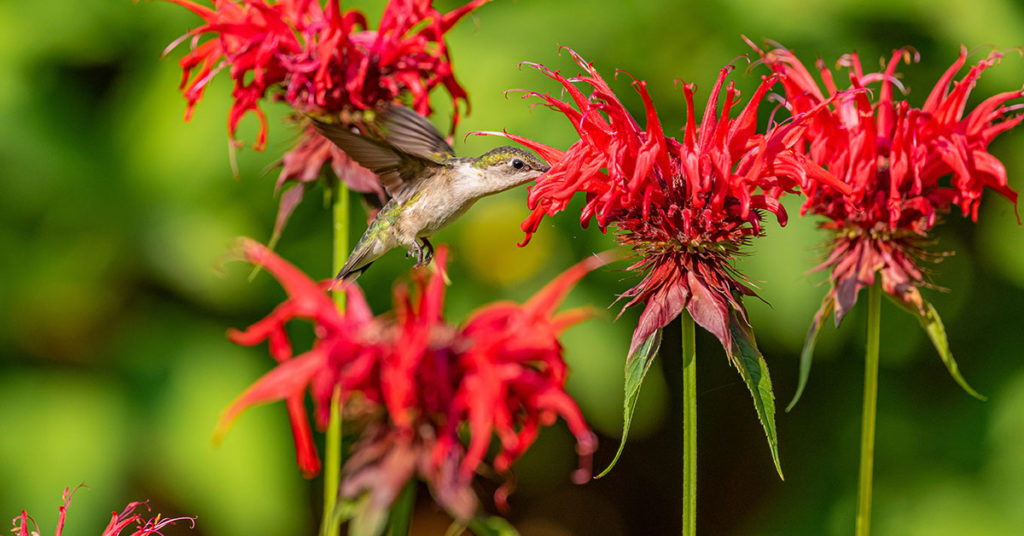
Bee Balm, also known as Monarda, is a stunning perennial native to North America, renowned for its vibrant, tubular flowers that come in shades of red, pink, purple, and white. This non-invasive plant thrives in full sun to partial shade and well-drained soil, making it an excellent addition to a variety of garden settings. Bee Balm’s bright, aromatic blooms are irresistible to bees, including honeybees and bumblebees, as well as hummingbirds, which are drawn to its nectar-rich flowers.
One of the most captivating features of Bee Balm is its ability to attract a wide range of pollinators, enhancing the biodiversity of your garden. The plant’s sturdy stems and open flower clusters provide easy access for bees to gather nectar and pollen, supporting their vital role in pollination. Additionally, Bee Balm’s aromatic foliage adds a delightful fragrance to your garden, creating a sensory experience that both you and the bees will enjoy. By incorporating Bee Balm into your garden, you create a vibrant and welcoming environment for pollinators, ensuring a healthy and thriving garden ecosystem!
Coneflower (Echinacea purpurea)

Coneflowers, or Echinacea, are hardy perennials native to North America, celebrated for their daisy-like flowers with prominent central cones. These non-invasive plants thrive in full sun and well-drained soil, making them a versatile and attractive choice for any garden. Coneflowers produce abundant nectar and pollen, attracting a variety of bees, including honeybees and bumblebees, who play a crucial role in pollinating these beautiful blooms.
In addition to their bee-friendly nature, Coneflowers are also known for their medicinal properties and long blooming period, which extends from mid-summer to fall. The sturdy stems and large flowers provide an ideal landing spot for bees, facilitating efficient pollination. Moreover, Coneflowers attract other beneficial insects, such as butterflies and ladybugs, enhancing the ecological balance of your garden. By planting Coneflowers, you not only add stunning beauty and vibrant color to your garden but also support the essential pollinators that keep your garden thriving!
Black-eyed Susan (Rudbeckia hirta)

Black-eyed Susans are vibrant and hardy perennials native to North America, known for their bright yellow petals surrounding a dark central cone. These non-invasive flowers thrive in full sun and well-drained soil, making them a popular choice for adding long-lasting color to gardens. Black-eyed Susans are excellent sources of nectar and pollen, attracting a variety of bees, including honeybees and bumblebees, who are essential for pollination.
One of the most appealing aspects of Black-eyed Susans is their ability to bloom from summer into fall, providing a consistent food source for bees throughout the warmer months. The sturdy stems and large, open flowers offer easy access for bees to gather nectar and pollen efficiently. Additionally, Black-eyed Susans attract other beneficial insects, such as butterflies and ladybugs, contributing to the overall health and biodiversity of your garden. With their cheerful appearance and vital role in supporting pollinators, Black-eyed Susans are a fantastic addition to any bee-friendly garden!
Bee Orchid (Ophrys apifera)

Bee Orchids are fascinating and unique flowers native to Europe, renowned for their intricate and realistic bee-like blossoms that attract male bees for pollination. These non-invasive orchids thrive in grasslands, meadows, and woodlands, preferring well-drained soil and partial shade. The mimicry of Bee Orchids plays a crucial role in attracting pollinators, specifically male solitary bees, who attempt to mate with the flowers, thereby facilitating pollination.
One of the most intriguing aspects of Bee Orchids is their specialized relationship with their pollinators, which ensures efficient and targeted pollination. The realistic appearance and enticing scent of the flowers draw bees directly to the nectar, while the structure of the bloom encourages pollen transfer. Planting Bee Orchids in your garden not only adds an element of intrigue and beauty but also supports the delicate balance of pollination ecosystems. With their captivating flowers and essential role in pollination, Bee Orchids are a stunning and beneficial addition to any bee-friendly garden!
Zinnia (Zinnia elegans)
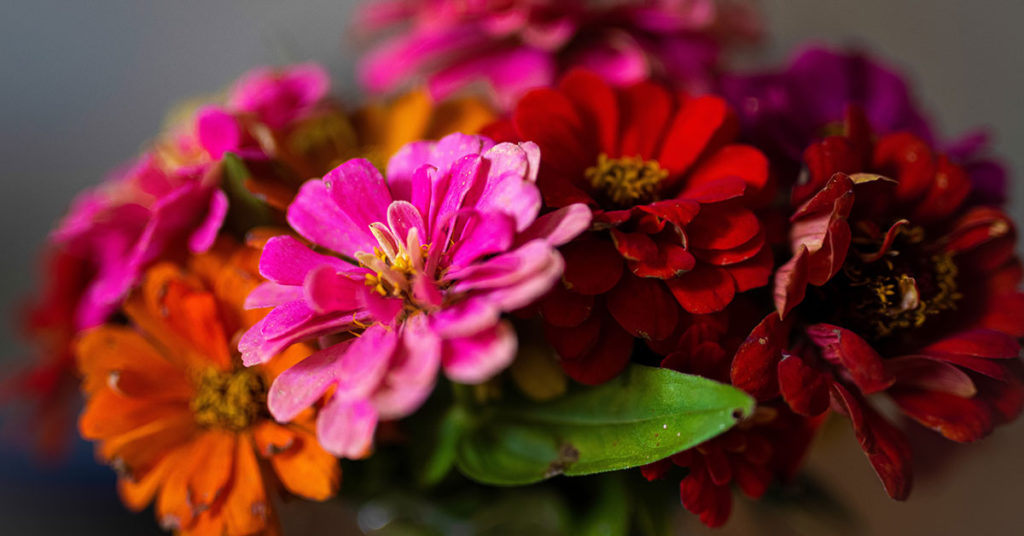
Zinnias are vibrant annuals native to Mexico, celebrated for their bold, daisy-like flowers that come in an array of colors, including red, pink, orange, yellow, and white. These non-invasive plants thrive in full sun and well-drained soil, making them a perfect choice for adding bright splashes of color to gardens and containers alike. Zinnias are highly attractive to bees, including honeybees and bumblebees, who are drawn to their abundant nectar and pollen.
One of the most delightful features of Zinnias is their long blooming period, which can extend from summer into fall, providing a consistent food source for bees. The sturdy stems and large blooms offer easy access for pollinators to gather nectar and pollen, supporting their vital role in pollination. Additionally, Zinnias are low-maintenance and resistant to pests, making them a hassle-free choice for gardeners looking to support bees while enjoying beautiful blooms. With their vibrant colors and bee-friendly nature, Zinnias are a fantastic addition to any garden seeking to attract and support pollinators!
Marigold (Tagetes spp.)
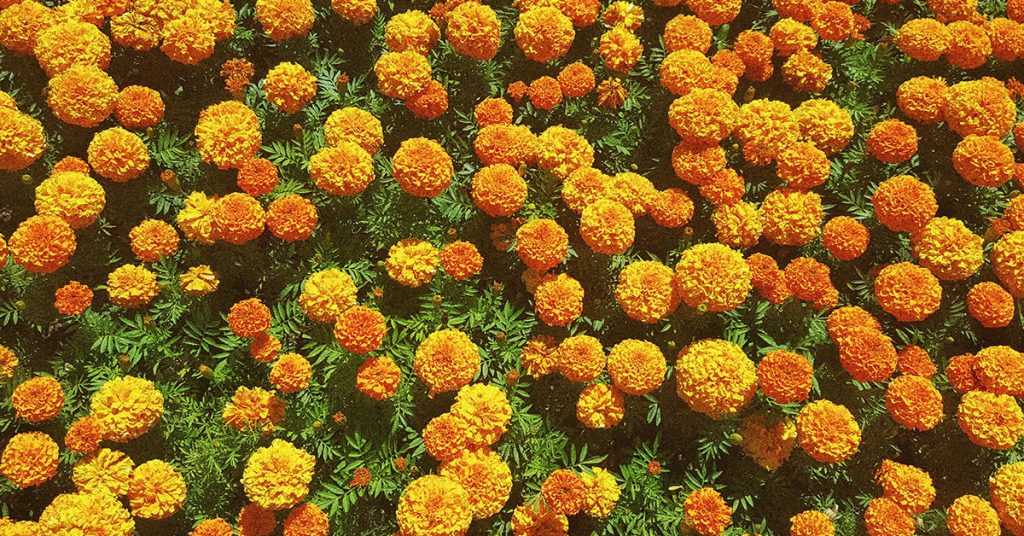
Marigolds are cheerful annuals native to Mexico and Central America, known for their bright yellow, orange, and red blooms that add a vibrant touch to any garden. These non-invasive plants thrive in full sun and well-drained soil, making them a popular choice for garden beds, borders, and containers. Marigolds are excellent for attracting bees, including honeybees and bumblebees, who are drawn to their abundant nectar and pollen.
In addition to their bee-friendly nature, Marigolds are also valued for their pest-repellent properties, which can help protect other plants in your garden from harmful insects. The strong scent of Marigolds deters pests like aphids and nematodes, making them a dual-purpose addition to your bee-friendly garden. Planting Marigolds in October allows them to establish before winter, ensuring robust growth and vibrant blooms in the spring. With their bright colors, beneficial properties, and ability to attract pollinators, Marigolds are a fantastic choice for any garden looking to support and delight bees!
Cardinal Flower (Lobelia cardinalis)
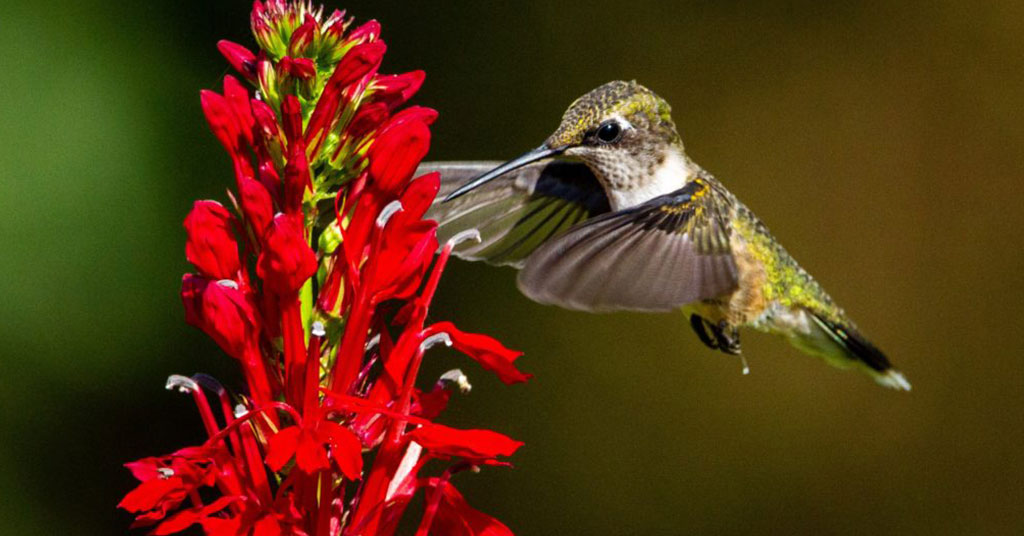
Cardinal Flower is a striking perennial native to North America, celebrated for its vibrant red, tubular flowers that attract a variety of pollinators, including bees, hummingbirds, and butterflies. These non-invasive plants thrive in moist, well-drained soil and full sun to partial shade, making them an excellent choice for adding bold color and life to garden beds, borders, and water features. The tall, upright stems and rich red blooms provide a stunning focal point that enhances the overall aesthetic of your garden.
One of the most appealing aspects of Cardinal Flower is its ability to attract a diverse range of pollinators, supporting the ecological balance of your garden. The nectar-rich flowers are particularly enticing to hummingbirds, who are drawn to their bright color and tubular shape, facilitating effective pollination. Additionally, bees benefit from the abundant nectar and pollen, ensuring their vital role in pollinating a variety of plants. Planting Cardinal Flower in your garden not only adds vibrant beauty but also creates a lively and dynamic environment that supports and sustains pollinator populations. With its stunning color and ecological benefits, Cardinal Flower is a fantastic addition to any bee-friendly garden!
Aster (Aster spp.)
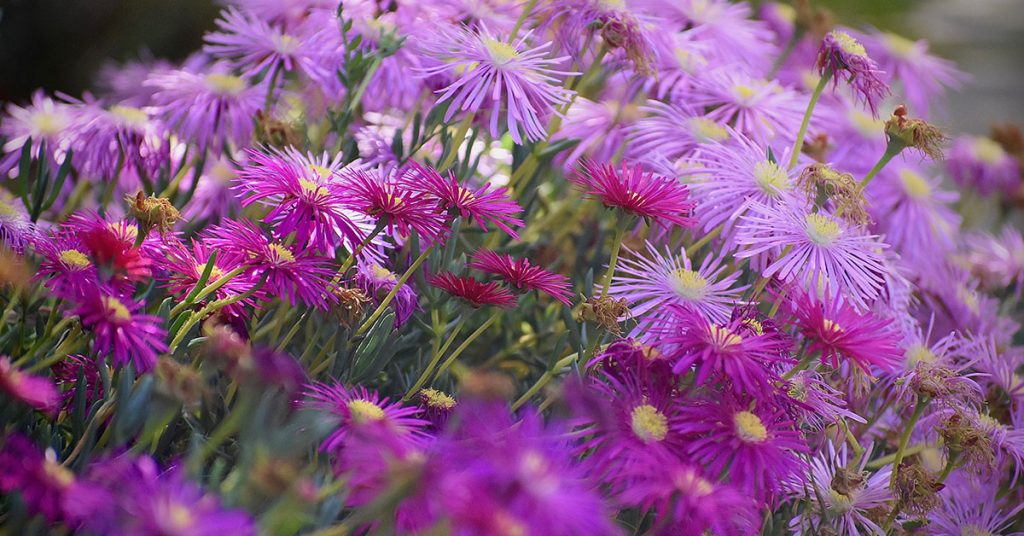
Asters are charming perennials native to North America, Europe, and Asia, known for their daisy-like flowers that bloom in late summer and fall. These non-invasive plants thrive in full sun to partial shade and well-drained soil, making them a versatile and attractive choice for garden beds, borders, and containers. Asters come in a variety of colors, including purple, blue, pink, and white, adding a splash of vibrant color that celebrates the beauty of autumn.
One of the most delightful features of Asters is their ability to attract a wide range of pollinators, including bees, butterflies, and moths, who are drawn to their nectar-rich blooms. The long blooming period of Asters ensures that pollinators have a consistent food source as other flowers begin to fade, supporting their health and activity late into the season. Additionally, Asters provide excellent habitat and nesting sites for beneficial insects, enhancing the biodiversity of your garden. By planting Asters, you create a lively and colorful environment that not only beautifies your garden but also supports and sustains essential pollinators. With their stunning blooms and ecological benefits, Asters are a fantastic addition to any bee-friendly garden!
Blanket Flower (Gaillardia pulchella)
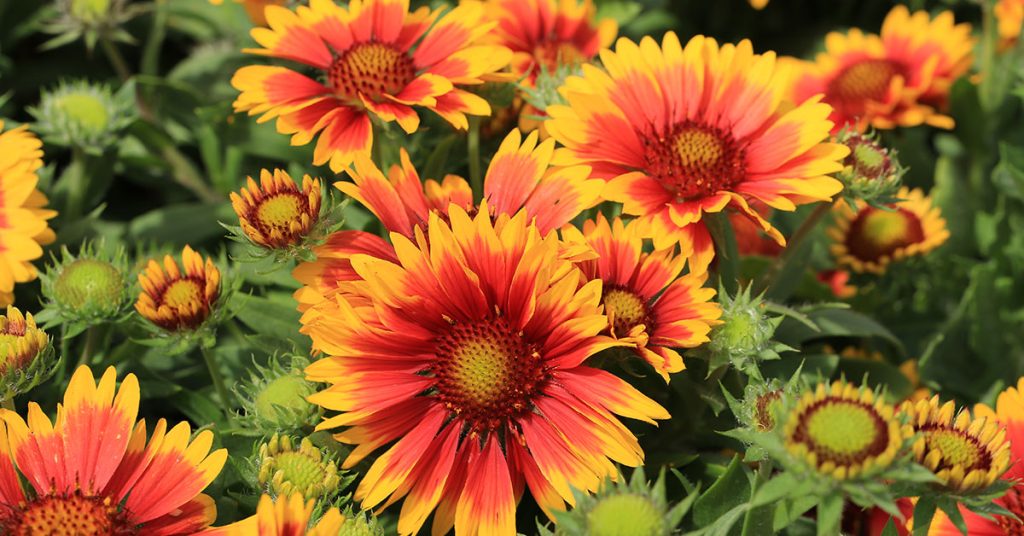
Blanket Flower, or Gaillardia, is a vibrant and hardy perennial native to North America, celebrated for its daisy-like blooms in bold shades of red, orange, and yellow. These non-invasive plants thrive in full sun and well-drained soil, making them a perfect choice for adding bright, cheerful colors to garden beds, borders, and containers. Blanket Flowers are excellent for attracting bees, including honeybees and bumblebees, who are drawn to their abundant nectar and pollen.
One of the most appealing aspects of Blanket Flowers is their long blooming period, which can extend from early summer into the fall, providing a consistent food source for pollinators throughout the warmer months. The sturdy stems and large, open blooms offer easy access for bees to gather nectar and pollen efficiently, supporting their essential role in pollination. Additionally, Blanket Flowers are low-maintenance and drought-tolerant, making them ideal for gardens with sunny, dry spots. With their vibrant colors, extended blooming time, and bee-friendly nature, Blanket Flowers are a fantastic addition to any garden looking to attract and support pollinators!
Bee Clover (Trifolium pratense)
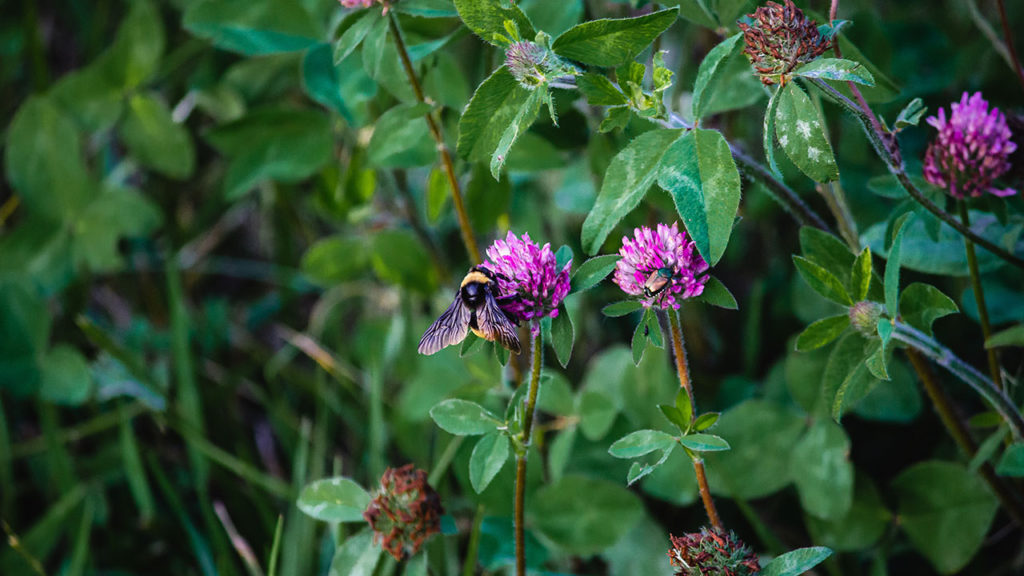
Bee Clover, also known as Red Clover, is a charming perennial native to Europe, Asia, and North America, celebrated for its vibrant pink to purple flower heads and trifoliate leaves. This non-invasive plant thrives in full sun to partial shade and well-drained soil, making it an excellent choice for garden beds, borders, and meadows. Bee Clover’s abundant blooms provide a rich source of nectar and pollen, attracting a variety of bees, including honeybees, bumblebees, and solitary bees, who are essential for pollination.
One of the most beneficial aspects of Bee Clover is its ability to improve soil fertility through nitrogen fixation, enriching the soil and promoting healthy plant growth. Additionally, Bee Clover attracts other beneficial insects, such as ladybugs and hoverflies, which help control pest populations in your garden. The delicate flowers and lush green foliage add a touch of elegance and softness to your garden design, creating a welcoming environment for pollinators and other beneficial wildlife. By incorporating Bee Clover into your garden, you enhance both the beauty and ecological health of your outdoor space, supporting a thriving and vibrant garden ecosystem!
Coreopsis (Coreopsis spp.)
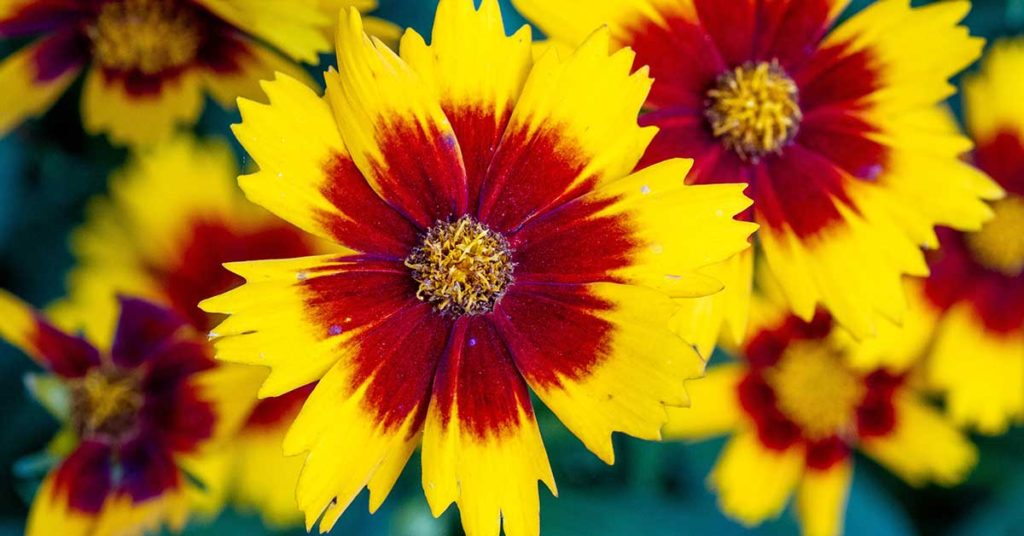
Coreopsis, commonly known as Tickseed, is a vibrant and hardy perennial native to North America, celebrated for its bright, daisy-like flowers that come in shades of yellow, orange, pink, and red. These non-invasive plants thrive in full sun and well-drained soil, making them a perfect choice for adding long-lasting color to garden beds, borders, and containers. Coreopsis is highly attractive to bees, including honeybees and bumblebees, who are drawn to their abundant nectar and pollen.
One of the most delightful features of Coreopsis is their extended blooming period, which can last from early summer into the fall, providing a consistent food source for pollinators throughout the warmer months. The lightweight stems and open flower heads offer easy access for bees to gather nectar and pollen efficiently, supporting their vital role in pollination. Additionally, Coreopsis is low-maintenance and drought-tolerant, making it ideal for gardens with sunny, dry spots. With their cheerful colors, extended blooming time, and bee-friendly nature, Coreopsis are a fantastic addition to any garden seeking to attract and support pollinators!
Cosmos (Cosmos bipinnatus)
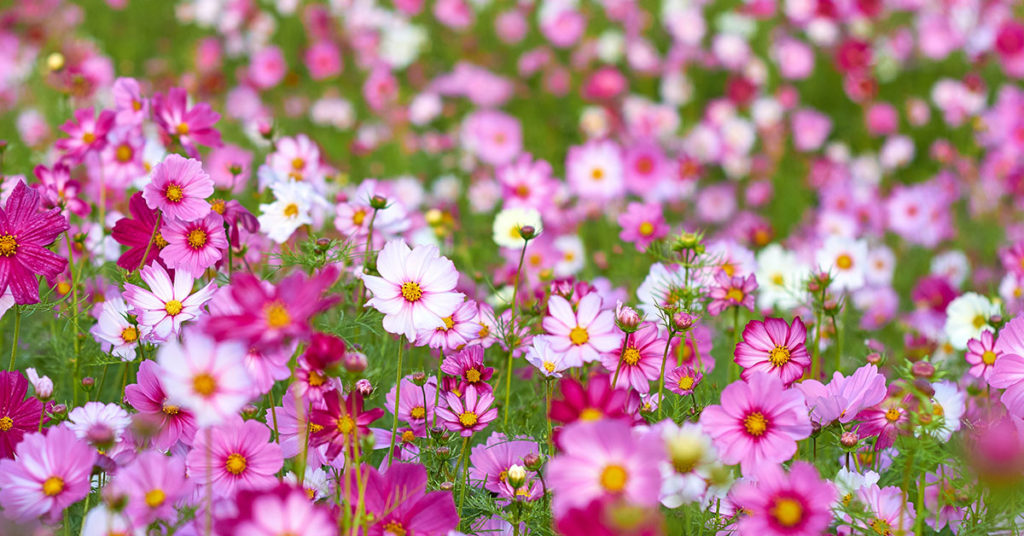
Cosmos are graceful annuals native to Mexico, known for their feathery foliage and delicate, daisy-like flowers in shades of pink, white, and orange. These non-invasive plants thrive in full sun and well-drained soil, making them a versatile and attractive choice for garden beds, borders, and containers. Cosmos are highly attractive to bees, including honeybees and bumblebees, who are drawn to their abundant nectar and pollen, playing a crucial role in their pollination.
One of the most charming aspects of Cosmos is their ability to self-seed, ensuring that they return year after year with minimal effort. The tall, slender stems and airy flowers add a sense of movement and lightness to your garden, creating a visually appealing and lively environment. Additionally, Cosmos attract other beneficial insects, such as butterflies and ladybugs, enhancing the biodiversity and ecological balance of your garden. Planting Cosmos in your garden not only adds stunning beauty and vibrant color but also supports the essential pollinators that keep your garden thriving. With their elegant form and bee-friendly nature, Cosmos are a delightful choice for creating a lively and attractive garden space!
Foxglove (Digitalis purpurea)
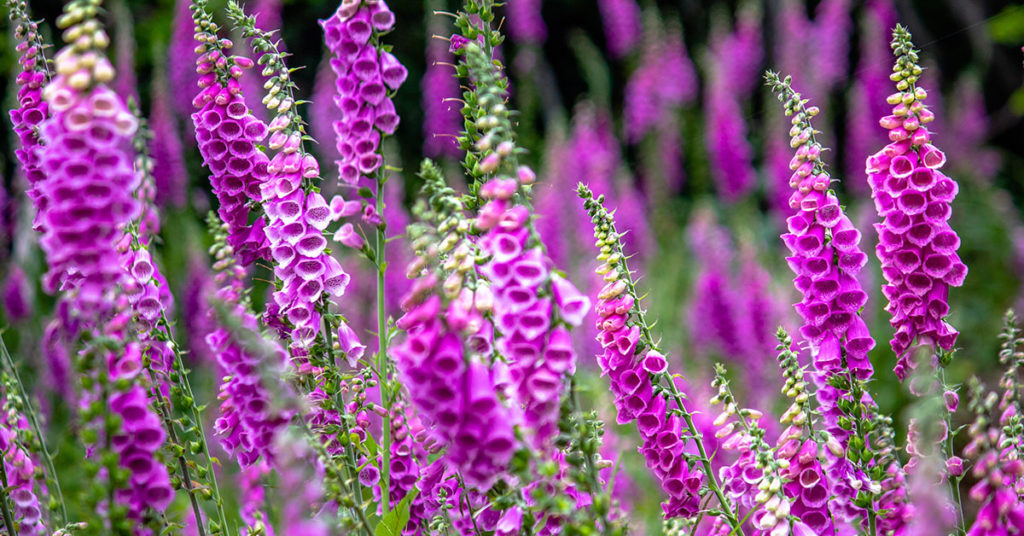
Foxglove is a striking biennial native to Europe, known for its tall spikes adorned with tubular flowers that range in color from deep purples and pinks to whites and yellows. These non-invasive plants thrive in partial shade and well-drained soil, making them a perfect choice for adding vertical interest and dramatic flair to garden beds, borders, and woodland gardens. Foxgloves are highly attractive to bees, including honeybees and bumblebees, who are drawn to their nectar-rich blooms.
One of the most fascinating features of Foxglove is their specialized relationship with pollinators, particularly bees, who are enticed by the tubular shape of the flowers and the rich nectar they provide. The tall, sturdy stems offer excellent perching spots for bees, facilitating efficient pollination. Additionally, Foxgloves attract other beneficial insects, such as butterflies and hoverflies, enhancing the ecological diversity of your garden. Planting Foxgloves in your garden not only adds stunning beauty and height but also supports the essential pollinators that contribute to a healthy and vibrant garden ecosystem. With their elegant blooms and ecological benefits, Foxgloves are a fantastic addition to any bee-friendly garden!
Sweet Alyssum (Lobularia maritime)
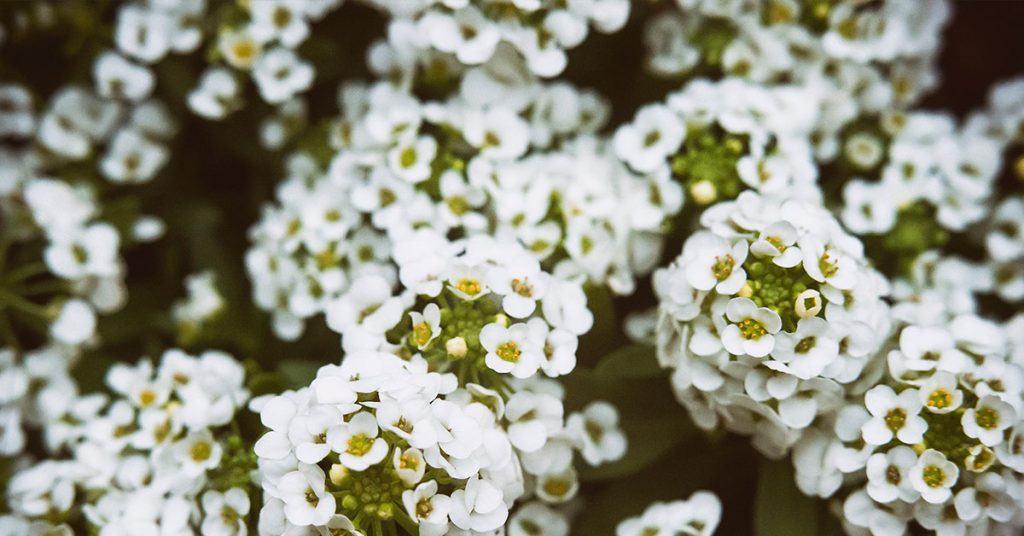
Sweet Alyssum is a charming annual native to the Mediterranean region, celebrated for its small, fragrant flowers that come in shades of white, pink, and purple. These non-invasive plants thrive in full sun to partial shade and well-drained soil, making them a versatile and attractive choice for garden beds, borders, and containers. Sweet Alyssum is highly attractive to bees, including honeybees and solitary bees, who are drawn to its sweet nectar and pollen.
One of the most delightful aspects of Sweet Alyssum is its ability to bloom continuously from spring to fall, providing a consistent food source for pollinators throughout the growing season. The low-growing, mounding habit of Sweet Alyssum makes it ideal for filling in gaps between taller plants, creating a lush and vibrant ground cover that supports bees and other beneficial insects. Additionally, Sweet Alyssum’s sweet fragrance adds a pleasant aroma to your garden, enhancing the sensory experience for both you and the pollinators. With their delicate blooms, sweet scent, and bee-friendly nature, Sweet Alyssum is a fantastic addition to any garden seeking to attract and support pollinators!
Salvias (Salvia spp.)
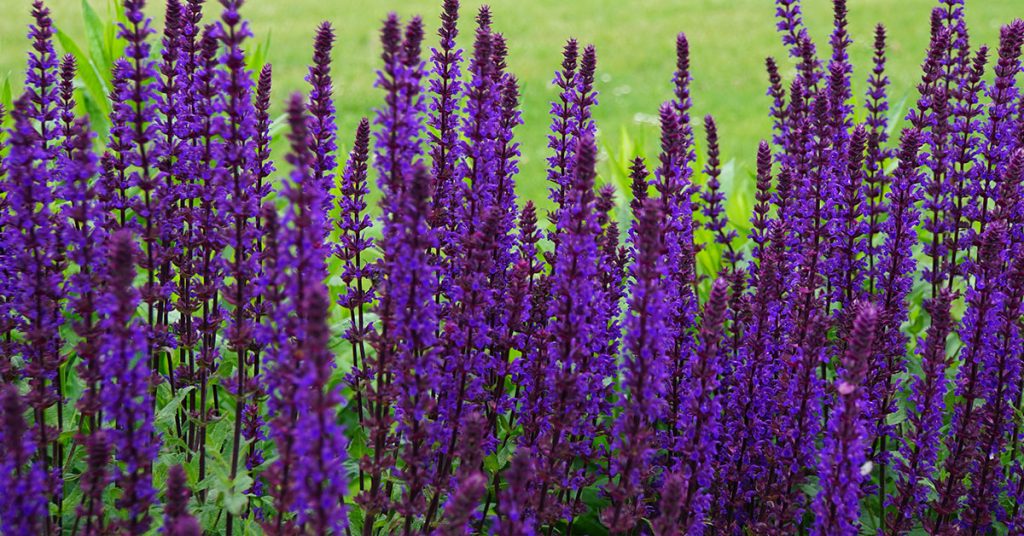
Salvias, commonly known as Sage, are a diverse group of perennials native to various regions around the world, including North America, South America, and the Mediterranean. Celebrated for their spiky flower clusters in shades of blue, purple, red, pink, and white, Salvias are non-invasive and thrive in full sun and well-drained soil. These flowers are highly attractive to bees, including honeybees, bumblebees, and solitary bees, who are drawn to their abundant nectar and pollen.
One of the most appealing features of Salvias is their long blooming period, which can extend from late spring into fall, providing a continuous food source for pollinators throughout the growing season. The tubular shape of Salvia flowers makes them particularly attractive to bees, facilitating efficient pollination as bees navigate the spiky clusters. Additionally, Salvias are low-maintenance and drought-tolerant, making them ideal for gardens with sunny, dry spots. By incorporating Salvias into your garden, you create a vibrant and lively environment that supports essential pollinators while adding stunning color and texture to your outdoor space. With their beautiful blooms and bee-friendly nature, Salvias are a fantastic choice for any garden looking to attract and support pollinators!
Snapdragons (Antirrhinum majus)
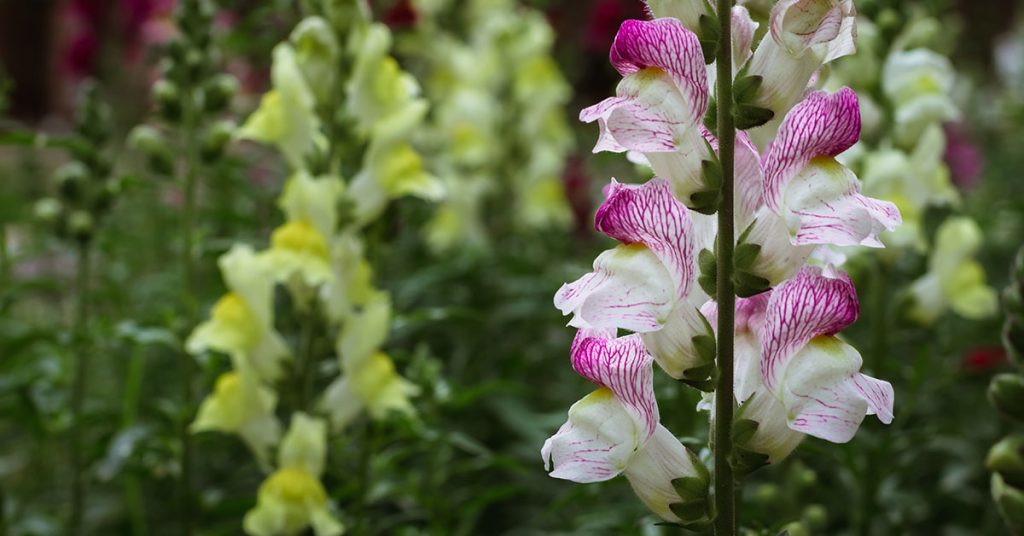
Snapdragons are beloved for their tall spikes of colorful, tubular flowers that resemble a dragon’s face, making them a whimsical addition to any garden. Native to the Mediterranean region, these annuals are not invasive and thrive in full sun and well-drained soil. Snapdragons come in a wide range of colors, including red, pink, yellow, white, and bi-color varieties, adding a playful and vibrant touch to your front entrance.
One of the most charming features of snapdragons is their ability to attract pollinators such as bees, butterflies, and hummingbirds, who are drawn to their nectar-rich blooms. The tall, sturdy stems provide excellent perching spots for bees, facilitating efficient pollination. Additionally, snapdragons offer habitat and shelter for beneficial insects, enhancing the ecological balance of your garden. Planting snapdragons in your garden not only adds stunning beauty and vibrant color but also supports the essential pollinators that contribute to a healthy and thriving garden ecosystem. With their unique flower shapes and bright colors, snapdragons are a delightful choice for adding whimsy and vibrancy to your garden’s entrance!