

October is a transformative month in the gardening calendar, as the vibrant hues of autumn begin to paint the landscape and cooler temperatures signal the approach of winter. It’s a time when gardeners can take proactive steps to ensure their gardens remain healthy, resilient, and ready to flourish when spring arrives. Embracing these essential tasks now not only enhances the beauty of your outdoor space but also sets the foundation for a thriving garden year after year!
As a passionate gardener, I understand the mix of excitement and urgency that comes with preparing your garden for the colder months. Whether you’re dealing with lingering summer blooms, preparing for the first frost, or planning for next year’s growth, these ten essential tasks will guide you through the necessary steps to maintain a vibrant and healthy garden. Let’s dive into these strategies to ensure your garden remains a stunning sanctuary, brimming with life and color even as the seasons change!
Prune Trees and Shrubs

Pruning is a crucial task in October that helps maintain the health and shape of your trees and shrubs. By removing dead or diseased branches, you prevent the spread of pests and infections that can linger into the winter months. For example, pruning apple trees (Malus domestica), native to Central Asia, not only promotes better air circulation but also encourages the growth of strong, fruit-bearing branches. Proper pruning techniques ensure that your plants remain robust and beautiful year after year.
In addition to health benefits, pruning enhances the aesthetic appeal of your garden by shaping trees and shrubs into their desired forms. Deciduous shrubs like hydrangeas (Hydrangea macrophylla), native to Japan, respond well to pruning, which can lead to more abundant and vibrant blooms in the spring. By taking the time to carefully prune your plants in October, you create a well-maintained and visually appealing garden that can withstand the stresses of winter and thrive in the warmer months to come!
Aerate and Overseed Lawn

Aerating your lawn in October is one of the best ways to improve soil health and promote thick, lush grass growth. Lawn aeration involves perforating the soil with small holes to allow air, water, and nutrients to penetrate the grass roots. This process alleviates soil compaction, which is especially important for lawns that experience heavy foot traffic or have clay-heavy soil. By aerating now, you ensure that your lawn can recover from summer stress and prepare for vigorous growth in the spring.
After aerating, overseeding is the perfect follow-up task to fill in bare or thin areas of your lawn. Selecting high-quality grass seed that matches your existing turf ensures a uniform and resilient lawn. Cool-season grasses like Kentucky bluegrass (Poa pratensis), native to Europe and Asia, thrive when overseeded in the fall, taking advantage of the cooler temperatures and increased rainfall. This combination of aeration and overseeding helps create a dense, healthy lawn that resists weeds and stands up to winter conditions, setting the stage for a vibrant green carpet in the coming year!
Mulch Garden Beds

Mulching is an essential fall garden task that offers numerous benefits, particularly as the weather begins to cool. Applying a thick layer of mulch around your plants helps retain soil moisture, regulate soil temperature, and suppress weed growth. Organic mulches, such as shredded leaves, straw, or compost, not only enrich the soil as they decompose but also provide insulation against freezing temperatures. This is especially beneficial for perennials like hostas (Hosta spp.), native to Asia, which thrive with the added protection and nutrients.
In addition to moisture retention and temperature regulation, mulch acts as a barrier against soil erosion caused by heavy rains or snowfalls. It also helps prevent the growth of unwanted weeds, reducing competition for nutrients and water. By mulching your garden beds in October, you create a stable environment that supports plant health and prepares your garden for a vigorous spring revival. This simple yet effective step can make a significant difference in the longevity and productivity of your garden, ensuring that your plants remain healthy and vibrant throughout the winter months!
Protect Tender Plants
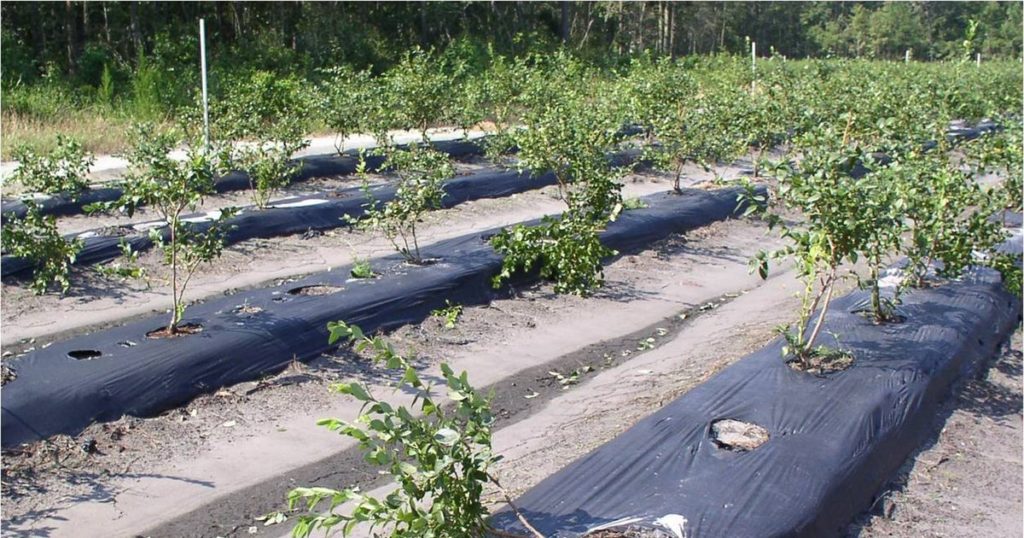
Tender plants, which are sensitive to frost and cold temperatures, require special attention in October to ensure their survival through the winter. Protecting these plants involves providing them with the necessary insulation and shelter to withstand harsh conditions. One effective method is to cover them with frost blankets or burlap, which shield the plants from freezing temperatures and strong winds. Additionally, relocating potted tender plants to sheltered areas such as a greenhouse or indoors can offer them the protection they need to survive the winter.
Another important aspect of protecting tender plants is ensuring they are well-watered before the onset of frost. Moist soil retains heat better than dry soil, providing an additional layer of protection for the plant roots. Mulching around the base of these plants can also help insulate the soil and maintain a stable temperature. By taking these precautions, you can ensure that your tender plants remain healthy and vibrant, ready to flourish once spring arrives. It’s such a satisfying step to see your delicate plants survive the winter and bloom beautifully in the spring!
Prune Roses and Blooming Shrubs
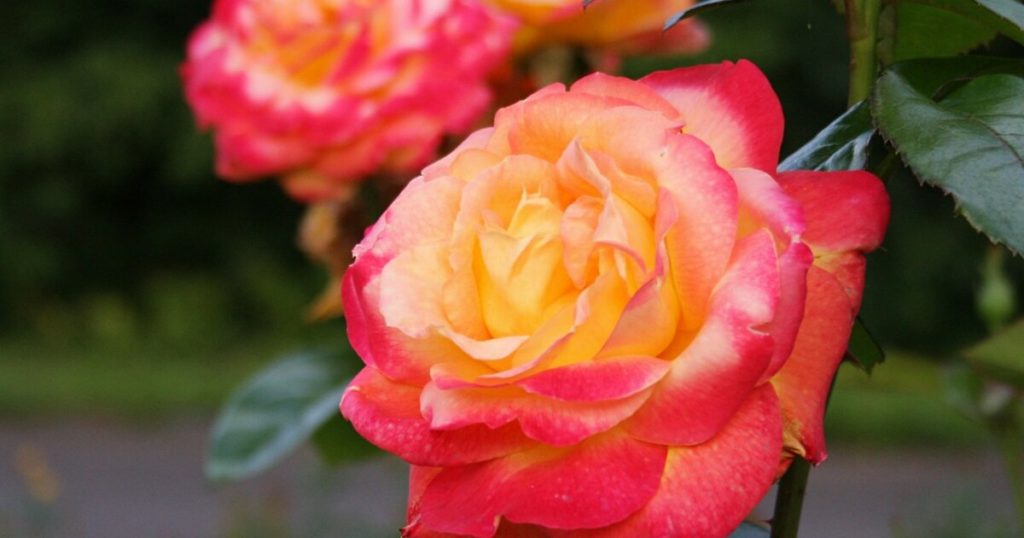
Pruning roses and other blooming shrubs in October is essential for maintaining their health and ensuring a vibrant display in the spring. Removing spent blooms and dead or diseased branches helps prevent pests and diseases from taking hold, promoting healthier growth and more abundant flowers. For example, pruning hybrid tea roses (Rosa spp.), native to Asia, involves cutting back old wood to encourage the production of new, vigorous stems that will bear blooms next season.
In addition to health benefits, pruning enhances the overall shape and structure of your roses and shrubs, making them more attractive and easier to manage. Proper pruning techniques ensure that light and air can penetrate the plant canopy, reducing the risk of fungal infections and encouraging robust growth. By dedicating time to prune your roses and blooming shrubs in October, you set the stage for a stunning and healthy display of flowers that will brighten your garden each spring!
Compost Yard Waste

Composting yard waste is a sustainable and practical fall garden task that transforms organic materials into valuable nutrients for your soil. October is an ideal time to collect fallen leaves, grass clippings, and plant trimmings, as they can be broken down into rich compost that enhances soil fertility and structure. Composting not only reduces the amount of waste sent to landfills but also provides you with a free and nutrient-dense amendment to support your garden’s growth.
To start composting, create a compost pile or use a compost bin in a shaded area of your garden. Balance green materials (like fresh plant clippings) with brown materials (such as dried leaves and twigs) to ensure efficient decomposition. Regularly turning the compost helps aerate the pile and speed up the process. Incorporating compost into your garden beds now enriches the soil, promoting healthy plant growth and resilience against pests and diseases. By composting your yard waste, you contribute to a healthier and more sustainable garden ecosystem!
Seed Fall Annuals

Planting fall annuals in October can add vibrant color and life to your garden as the days grow shorter and cooler. Fall annuals, such as pansies (Viola tricolor var. hortensis) and ornamental kale, are hardy plants that thrive in the mild temperatures of autumn. These flowers not only provide beautiful blooms but also attract pollinators like bees and butterflies, supporting the local ecosystem and enhancing the biodiversity of your garden.
When selecting fall annuals, choose varieties that are well-suited to your climate and soil conditions. Planting them in October allows the flowers to establish their roots and enjoy the cooler weather, which is ideal for their growth and blooming. Additionally, ensuring proper soil preparation and adequate watering helps your fall annuals thrive and extend the colorful display in your garden well into the late fall months. By incorporating fall annuals into your garden plan, you create a lively and attractive outdoor space that continues to bloom beautifully as the seasons change!
Harvest and Store Vegetables
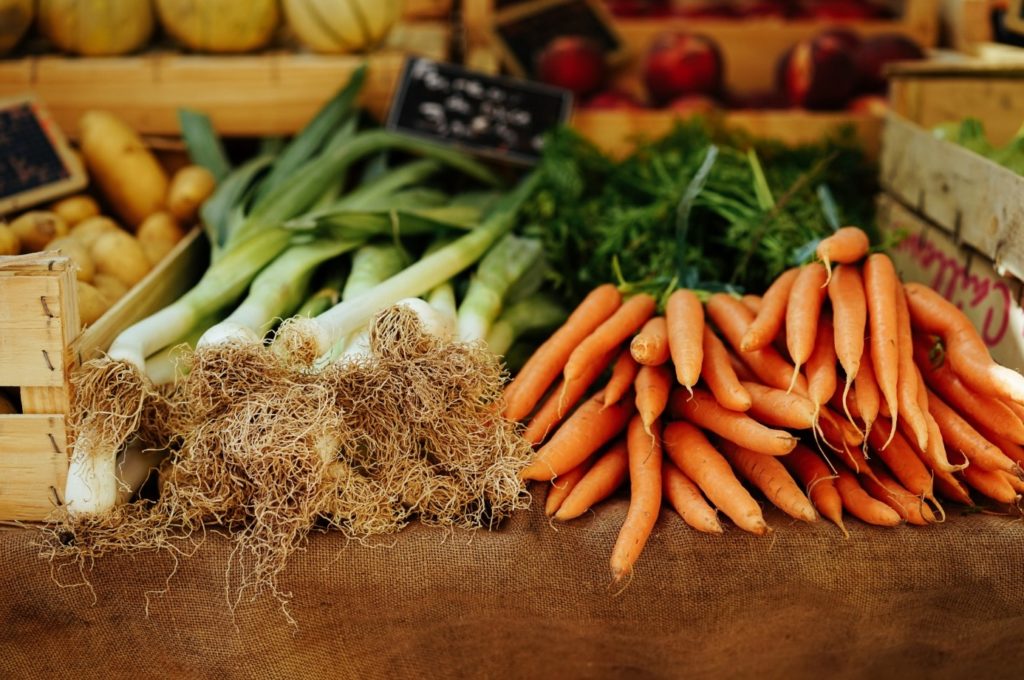
October is a prime time to harvest and store your garden’s bounty, ensuring that you enjoy fresh produce even as the weather turns colder. Vegetables like pumpkins, squash, kale, and root crops are at their peak in October, making it the perfect time to gather and preserve them for the winter months. Harvesting vegetables at the right time ensures that they are flavorful and nutritious, providing you with delicious meals throughout the season.
Proper storage techniques are essential for maintaining the quality and longevity of your harvested vegetables. For example, storing pumpkins and squash in a cool, dry place prevents rot and extends their shelf life, while root vegetables like carrots and beets can be kept in a root cellar or a cool, dark space with high humidity. Additionally, preserving vegetables through methods like canning, freezing, or drying allows you to enjoy your garden’s produce year-round. By dedicating time to harvest and store your vegetables in October, you maximize the benefits of your garden and enjoy its fruits well into the winter months!
Mulch for Winter Protection

Applying mulch is a key step in preparing your garden for winter, providing essential protection for your plants and soil. In October, mulching helps insulate the soil, maintaining a stable temperature that protects plant roots from extreme cold and frost. Organic mulches, such as straw, shredded leaves, or bark, also enrich the soil as they decompose, adding vital nutrients that support plant health and resilience.
Mulching serves multiple purposes, including moisture retention, weed suppression, and soil erosion prevention. It creates a barrier that reduces water evaporation, ensuring that your plants have access to adequate moisture during dry spells. Additionally, mulch helps keep weeds at bay, reducing competition for nutrients and water, and stabilizes the soil structure, preventing erosion caused by heavy rains or snow. By mulching your garden beds in October, you provide comprehensive protection that helps your plants survive the winter and emerge strong and healthy in the spring. It’s such a simple yet effective way to enhance the longevity and productivity of your garden!
Clean and Store Garden Tools
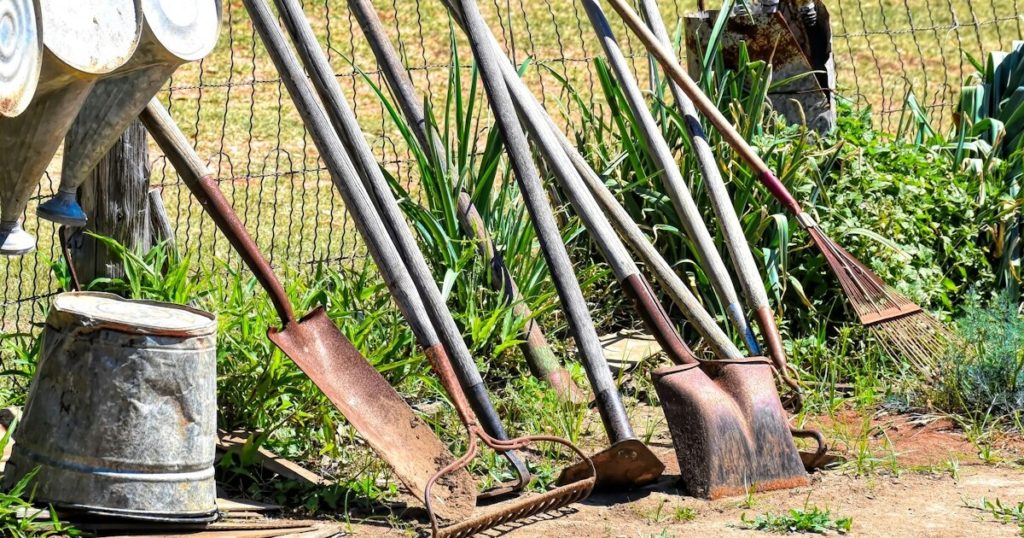
Cleaning and storing your garden tools properly is an essential fall task that ensures they remain in good condition and ready for use in the next growing season. October is the perfect time to give your tools a thorough cleaning, removing dirt, sap, and plant residues that can cause rust and deterioration. For example, scrubbing pruning shears and lawnmower blades with a wire brush removes buildup and prevents corrosion, extending the lifespan of your tools.
Once clean, it’s important to store your tools in a dry, organized space to protect them from the elements and prevent damage. Sharpening blades and oiling metal parts before storage further safeguards against rust and ensures your tools perform optimally when you need them most. Organizing your tools in a shed or garage not only keeps them easily accessible but also reduces the risk of loss or damage. By taking the time to clean and store your garden tools in October, you maintain a reliable and efficient gardening arsenal, ready to support your gardening efforts year after year!
Control Lawn Pests

Controlling lawn pests in October is vital for maintaining a healthy and vibrant lawn as the seasons change. Common fall pests like grubs, chinch bugs, and armyworms can cause significant damage to your grass, weakening it and making it more susceptible to winter stress. Identifying and addressing pest issues early ensures that your lawn remains resilient and free from infestations that can undermine its health.
Implementing integrated pest management (IPM) strategies can help you control pests effectively while minimizing environmental impact. This includes monitoring your lawn for signs of pests, encouraging natural predators like birds and beneficial insects, and using targeted treatments when necessary. For example, applying nematodes can help control grub populations without harming beneficial soil organisms, while neem oil can deter chinch bugs and armyworms naturally. By staying proactive and vigilant in your pest control efforts, you protect your lawn from damage and ensure it remains lush and healthy throughout the fall and beyond!