

As the leaves begin to turn and the air takes on a crisp chill, transforming your outdoor space with fall container gardens can bring warmth and vibrant colors to your home’s exterior. Fall gardening offers a unique opportunity to showcase plants that thrive in cooler temperatures, creating stunning displays that enhance your curb appeal. Whether you’re an experienced gardener or just starting out, selecting the right plants and container arrangements can make your garden the envy of the neighborhood. Let’s explore ten fantastic fall container garden ideas that will add beauty and charm to your home this season!
Creating a fall container garden is all about combining color, texture, and seasonal interest to make your outdoor space inviting and lively. I understand how disappointing it can be when your garden loses its vibrancy as the seasons change, but with the right plants and creative arrangements, you can keep your garden looking gorgeous all autumn long. From hardy perennials to colorful annuals, these ten ideas will help you design a container garden that not only withstands the cooler weather but also adds instant curb appeal to your home. Let’s dive into these inspiring ideas and get your garden ready for fall!
Ornamental Kale and Cabbage

Ornamental kale and cabbage are showstoppers in any fall container garden, adding vibrant colors and interesting textures that can elevate your curb appeal instantly. Native to the Mediterranean region, these hardy biennials thrive in cooler temperatures and come in a variety of hues, including white, pink, red, and purple. Their ruffled, leafy forms provide a striking contrast to other plants in your container, making them a favorite among gardeners looking to add drama and flair to their outdoor displays. Importantly, ornamental kale and cabbage are not invasive, ensuring they remain a beautiful addition without disrupting your local ecosystem.
To cultivate ornamental kale and cabbage successfully, plant them in well-drained containers with rich, organic soil. These plants prefer full sunlight but can tolerate partial shade, making them versatile for various garden settings. Regular watering and occasional feeding with a balanced fertilizer will keep them healthy and vibrant throughout the fall season. Their ability to withstand frost adds to their appeal, as they continue to provide color and interest even as temperatures drop. By incorporating ornamental kale and cabbage into your container garden, you create a stunning focal point that celebrates the beauty and resilience of autumn!
Chrysanthemums
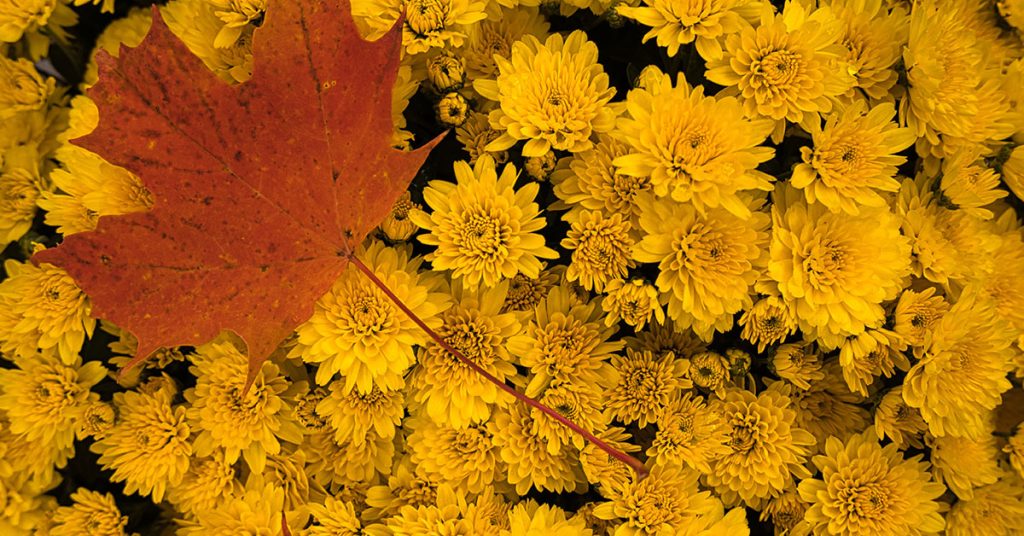
Chrysanthemums, or mums, are quintessential fall flowers that bring vibrant colors and a long blooming season to your container gardens. Native to Asia and northeastern Europe, these hardy perennials thrive in cooler temperatures and come in a wide range of hues, including reds, yellows, oranges, and purples. Their lush, full blooms add a classic touch to any container display, making them a favorite among gardeners. Mums are not invasive, making them a safe and beautiful choice for enhancing your outdoor spaces without disrupting the local ecosystem.
To attract chrysanthemums to your container gardens, ensure they receive plenty of sunlight—at least six hours a day—and well-drained soil enriched with organic matter. Regular deadheading, or removing spent flowers, encourages continuous blooming and maintains the plant’s tidy appearance. These flowers are also known to attract pollinators like bees and butterflies, adding life and movement to your garden. By incorporating chrysanthemums into your fall containers, you not only enjoy their stunning beauty but also support a healthy and vibrant garden environment!
Pansies and Violas
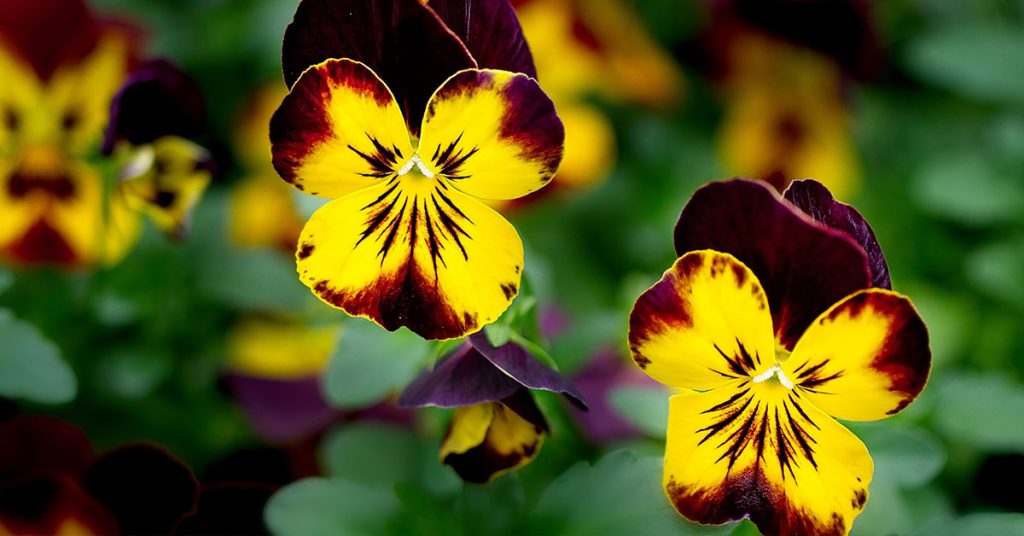
Pansies and violas are beloved for their cheerful faces and versatility, making them excellent choices for fall container gardens. Native to Europe, these hardy flowers can withstand cooler temperatures and even light frosts, providing color when many other plants have finished blooming. Available in a myriad of colors, including vibrant purples, deep blues, bright yellows, and soft whites, pansies and violas can be mixed and matched to create stunning patterns and contrasts in your containers. They are not considered invasive, allowing you to enjoy their beauty without worrying about them spreading uncontrollably.
To cultivate thriving pansies and violas, plant them in well-drained containers with ample sunlight, although they can tolerate partial shade. Regular watering and occasional fertilization will keep them healthy and blooming throughout the fall season. Pansies and violas also attract beneficial insects, which help maintain a balanced garden ecosystem by controlling pests naturally. Their delicate petals and charming appearance make them delightful additions to any container garden, bringing a touch of whimsy and color to your home’s facade!
Asters

Asters are stunning fall flowers that add a burst of color and elegance to your container gardens. Native to North America, these perennials come in a variety of colors, including purple, pink, white, and blue, and are known for their daisy-like blooms. Asters not only provide visual interest but also attract butterflies and other pollinators, enhancing the biodiversity of your garden. They are not invasive, making them a safe and beautiful choice for adding long-lasting color to your outdoor spaces.
Planting asters in your containers requires well-drained soil and full to partial sunlight. Regular watering and occasional deadheading will promote continuous blooming throughout the fall. These flowers are also relatively low-maintenance, making them ideal for gardeners who want vibrant blooms without excessive care. By incorporating asters into your container gardens, you create a dynamic and lively display that celebrates the beauty of autumn and supports a thriving garden ecosystem!
Ornamental Grasses
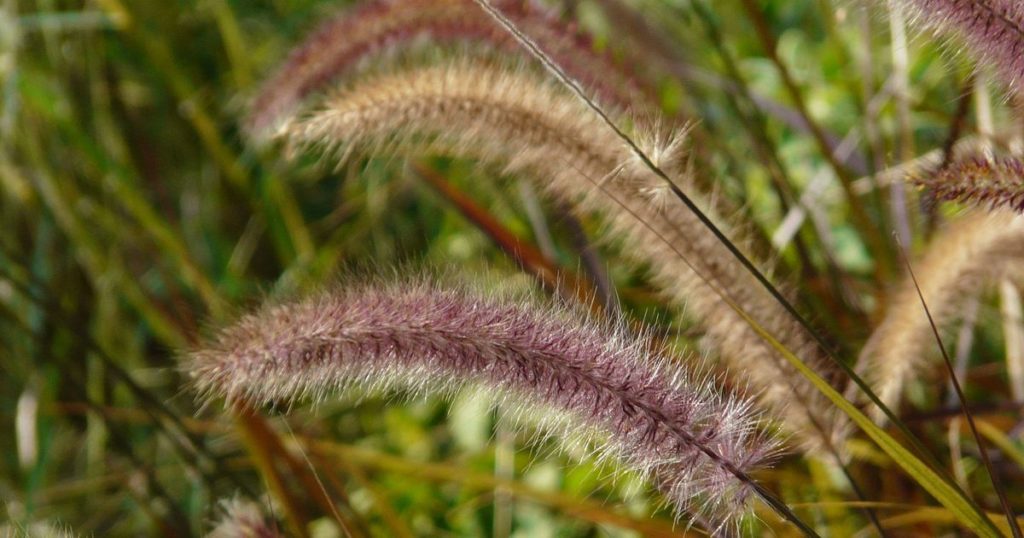
Ornamental grasses are versatile fall plants that add movement and texture to your container gardens with their graceful, swaying blades and feathery plumes. Native to various regions, including North America and Asia, ornamental grasses are hardy and adaptable, thriving in a range of soil types and sunlight conditions. Their long-lasting seed heads and unique forms provide year-round interest, even after the main flowering season has ended. Ornamental grasses are not considered invasive, making them a safe and stylish choice for enhancing your outdoor displays.
To grow ornamental grasses successfully, plant them in well-drained containers with ample sunlight to promote healthy growth and vibrant plumes. Regular watering and occasional fertilization will support their development and maintain their striking appearance. Ornamental grasses are also drought-tolerant, requiring less frequent watering once established, making them ideal for low-maintenance gardens. Their ability to add height, texture, and movement to fall container gardens creates a dynamic and visually appealing display that complements other seasonal flowers beautifully!
Sedum (Stonecrop)
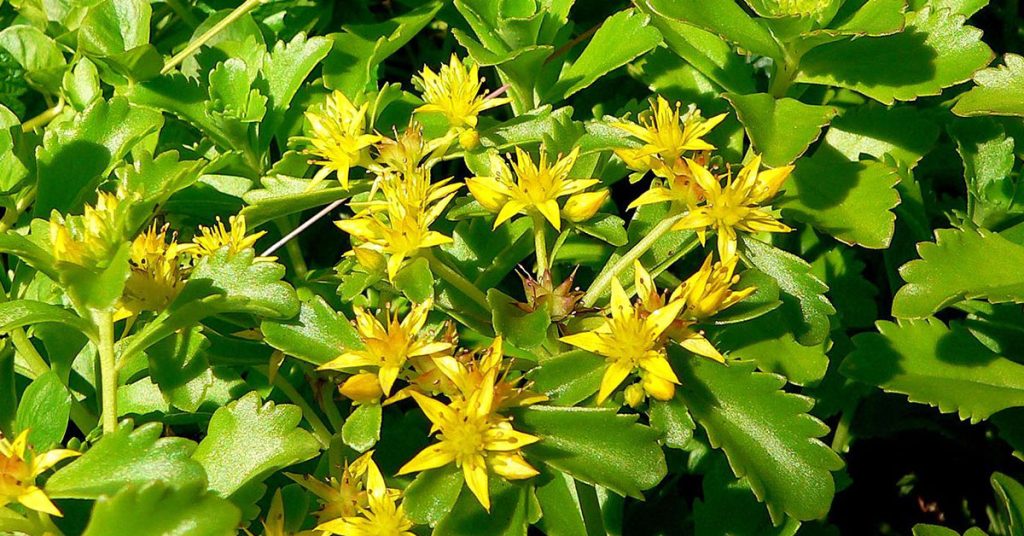
Sedum, commonly known as stonecrop, is a resilient fall plant that thrives in a variety of conditions, making it perfect for container gardens. Native to Europe and Asia, sedum is a succulent that can withstand dry conditions and poor soil, requiring minimal maintenance once established. Its star-shaped flowers come in shades of pink, red, and white, adding a delicate yet striking appearance to your container displays. Sedum is not invasive, allowing you to enjoy its beauty without impacting local plant communities.
To successfully grow sedum in your containers, ensure they receive plenty of sunlight and are planted in well-drained soil. Sedum’s drought-resistant nature means it requires less frequent watering, making it an excellent choice for gardeners who prefer low-maintenance plants. Additionally, sedum attracts pollinators like bees and butterflies, contributing to a healthy and vibrant garden environment. Its sturdy stems and long blooming period make sedum a reliable and attractive addition to your fall containers, providing lasting beauty with minimal effort!
Heuchera (Coral Bells)
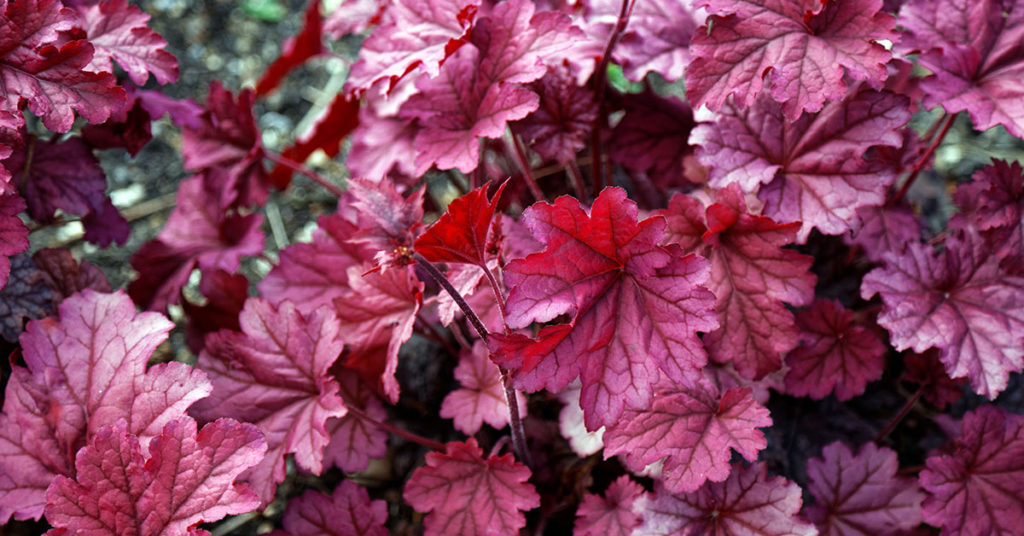
Heuchera, commonly known as coral bells, is a fantastic choice for adding color and texture to your fall container gardens. Native to North America, Heuchera offers a wide variety of foliage colors, from deep purples and reds to bright greens and silvers, providing year-round interest. The delicate, bell-shaped flowers emerge in late summer to early fall, attracting pollinators and adding a touch of elegance to your containers. Heuchera is not invasive, making it a safe and beautiful addition to your outdoor spaces.
To cultivate Heuchera successfully, plant it in well-drained containers with rich, organic soil and partial to full sunlight. Regular watering and occasional feeding with a balanced fertilizer will keep the plants healthy and vibrant throughout the fall season. Heuchera is also relatively low-maintenance, requiring minimal care once established. Its colorful foliage and charming flowers make Heuchera a delightful addition to any container garden, enhancing the overall aesthetic with its lush and varied textures!
Ornamental Peonies
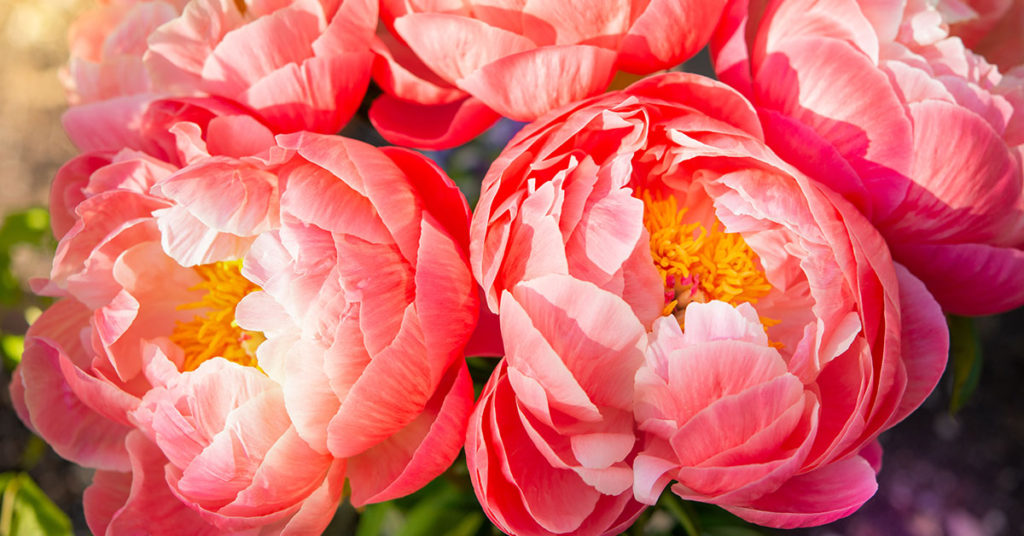
Ornamental peonies are stunning fall plants that bring large, fragrant blooms and lush foliage to your container gardens. Native to Europe, Asia, and Western North America, peonies are perennials known for their impressive flowers, which come in a variety of colors including pink, red, white, and yellow. Their strong stems and robust blooms make them standout features in any container, adding a touch of elegance and sophistication. Peonies are not invasive, ensuring they remain a beautiful and manageable addition to your garden.
To grow ornamental peonies successfully, plant them in well-drained containers with rich, fertile soil and ensure they receive plenty of sunlight—at least six hours a day. Regular watering and occasional fertilization will support their growth and blooming. Peonies also benefit from being placed in a sheltered location to protect them from strong winds, which can damage their delicate flowers. By incorporating ornamental peonies into your fall container gardens, you create a stunning and fragrant display that celebrates the beauty and grace of autumn!
Garlic and Onions in Containers
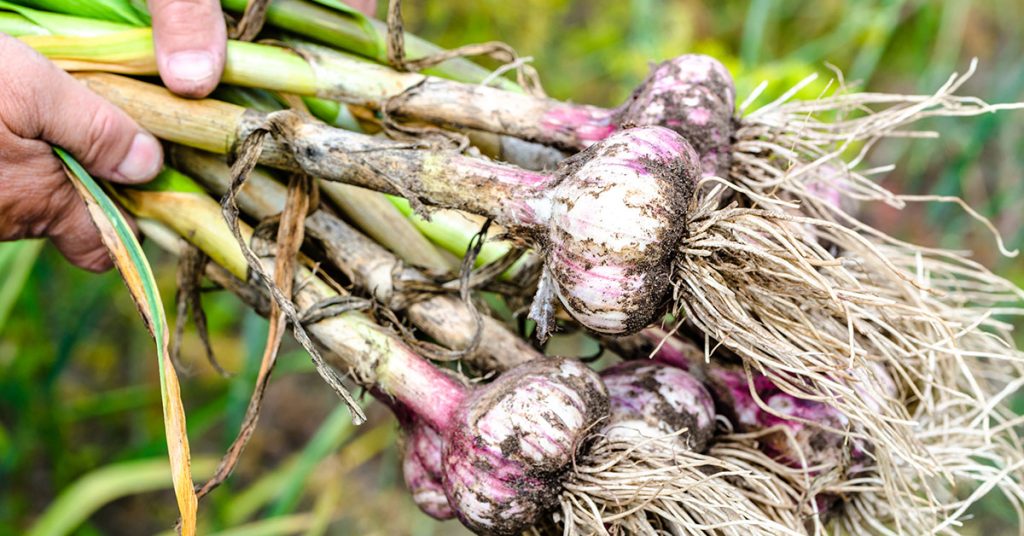
Growing garlic and onions in containers is a smart and practical fall container garden idea that adds both beauty and utility to your outdoor space. Native to Central Asia, garlic and onions are hardy plants that thrive in cooler temperatures, making them perfect for fall cultivation. Their tall, slender greens add vertical interest to your containers, while their bulbs can be harvested for culinary use, providing a dual benefit for gardeners. Garlic and onions are not invasive, allowing you to enjoy their practical and aesthetic contributions without worrying about them spreading uncontrollably.
To cultivate garlic and onions successfully in containers, choose large pots with good drainage and fill them with nutrient-rich, well-drained soil. Plant garlic cloves or onion sets in the fall, allowing them to establish roots before the winter months. Regular watering is essential, especially during dry spells, but be careful not to overwater, as garlic and onions are susceptible to rot. By growing garlic and onions in your fall container gardens, you not only enhance your curb appeal with their attractive foliage but also enjoy the practical benefits of harvesting your own fresh produce!
Succulents for Fall Containers

Succulents are a versatile and low-maintenance option for fall container gardens, adding unique textures and shapes that complement other seasonal plants. While succulents are often associated with warmer climates, many varieties can thrive in cooler temperatures with proper care. Native to regions like North America, Africa, and Asia, succulents are not considered invasive, making them a safe and stylish choice for enhancing your outdoor displays. Their hardy nature and ability to store water make them ideal for containers that require minimal watering and care.
To successfully grow succulents in fall containers, choose varieties that are well-suited to cooler temperatures, such as Sempervivum (hens and chicks) and Sedum (stonecrop). Plant them in well-drained soil and ensure they receive plenty of sunlight—at least six hours a day—to prevent leggy growth and promote healthy, compact forms. Succulents also benefit from occasional feeding with a balanced fertilizer during the growing season, but be careful not to over-fertilize, as this can lead to weak growth. By incorporating succulents into your fall container gardens, you add a touch of modern elegance and resilient beauty that complements the vibrant colors of autumn!