

There’s nothing quite like the anticipation of a bountiful asparagus harvest! As a gardener who’s spent countless seasons nurturing these magnificent perennials, I can tell you that a massive yield is just within your reach. Whether you’re a seasoned asparagus enthusiast or a newcomer eager to enjoy this delicious vegetable, understanding the key steps to ensure a successful harvest is essential. Let’s dive into the essential practices that will help you achieve that huge asparagus harvest you’ve been dreaming of!
In this guide, we’ll cover everything from selecting the right variety and preparing your soil to managing pests and harvesting tips. Each step is crucial in creating an environment where your asparagus can thrive and produce abundantly. By following these detailed instructions and embracing both the science and art of asparagus cultivation, you’ll be well on your way to enjoying plump, tasty spears year after year. Let’s get started on this exciting journey toward a flourishing asparagus garden!
Pest and Disease Management
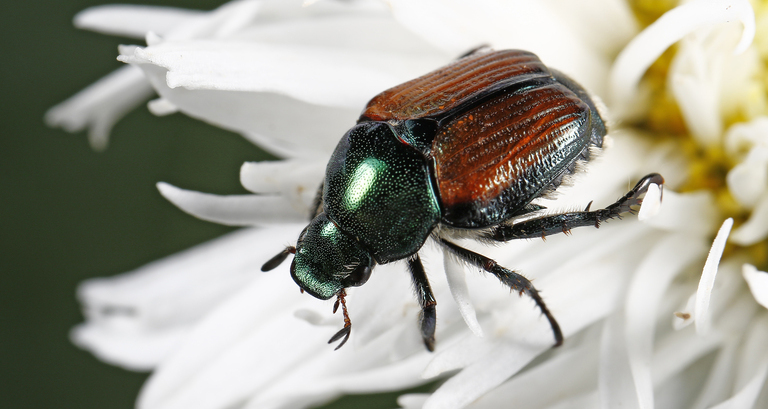
Managing pests and diseases is an inevitable part of gardening, and I completely understand how disheartening it can be when unwanted visitors threaten your asparagus harvest. Asparagus beetles are one of the most common pests, feeding on the spears and foliage and potentially weakening your plants. To combat them, I recommend regularly inspecting your plants and hand-picking any beetles you find. Introducing natural predators, such as ladybugs and lacewings, can also help keep pest populations under control without the need for harsh chemicals. Additionally, using row covers can provide a physical barrier against beetles and other pests, protecting your plants while still allowing sunlight and rain to reach them.
Diseases like Fusarium wilt and rust can also pose significant challenges to asparagus growers. Fusarium wilt affects the roots and can cause the plants to decline over time, while rust presents as orange spots on the foliage, disrupting photosynthesis and overall plant health. To prevent these issues, practice good garden hygiene by removing and destroying any infected plant material and rotating your asparagus bed every few years to minimize soil-borne pathogens. Ensuring proper spacing and air circulation around your plants can also reduce the likelihood of disease development. By staying vigilant and proactive in your pest and disease management strategies, you can protect your asparagus plants and enjoy a thriving, productive garden!
Native Plants and Their Colorful Displays

While asparagus itself is not primarily celebrated for its colorful displays, understanding its native origins can enhance your appreciation and gardening practices! Asparagus officinalis, the most commonly cultivated species, is native to Europe, northern Africa, and western Asia. This perennial vegetable has been treasured for centuries for its tender spears and nutritious qualities. Unlike some ornamental plants that boast vibrant flowers or foliage, asparagus offers understated beauty through its lush green fern-like growth, which provides a graceful backdrop to your garden. Incorporating asparagus into a diverse garden can complement other native plants, creating a harmonious and productive landscape.
It’s also worth noting that asparagus is not considered invasive in most regions, making it a safe and beneficial addition to your garden. Its non-invasive nature allows it to coexist peacefully with other plants, supporting a balanced ecosystem. Moreover, asparagus can be grown alongside other native species to attract beneficial insects and pollinators, enhancing the overall health and biodiversity of your garden. By appreciating the native heritage of asparagus and its role in a diverse planting scheme, you can cultivate a garden that is not only productive but also ecologically balanced and visually appealing!
Harvesting Tips

The moment you start harvesting asparagus is incredibly rewarding, and I can’t wait to share some tips to help you maximize your yield! It’s important to know when to begin harvesting to ensure the best flavor and texture. Typically, you should wait until your asparagus plants are about three years old before starting to harvest, allowing the crowns to establish a strong root system. Once ready, harvest in the spring when the spears are about 6 to 10 inches tall and before the buds begin to open. This timing ensures that you’re picking the tender, delicious spears at their peak.
When harvesting, use a sharp knife or a garden tool to cut the spears at ground level, taking care not to damage the crowns. Aim to harvest for about 6 to 8 weeks during the peak season, allowing the plants to continue growing and replenishing their energy reserves for future years. It’s crucial to leave some spears unharvested to maintain the plant’s health and productivity. After harvesting, encourage your asparagus plants to grow by allowing the ferns to develop fully. These ferns help photosynthesize and store energy in the roots, which is vital for a massive harvest in the years to come. With these harvesting tips, you’ll be well on your way to enjoying a plentiful and delicious asparagus harvest!
The Seasonal Cycle and Tree Adaptations
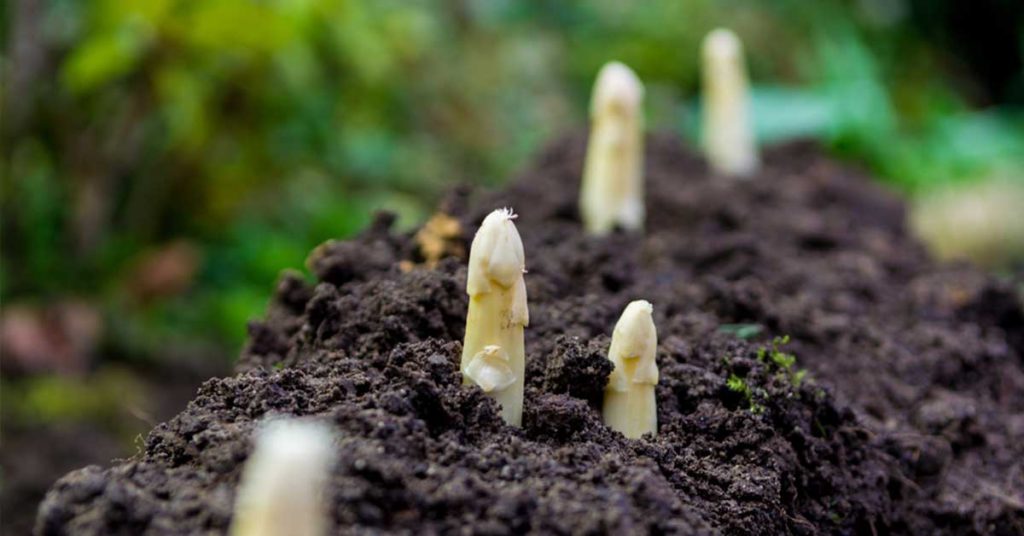
Understanding the seasonal cycle of asparagus and its adaptations can help you cultivate a more successful and rewarding harvest! As a perennial plant, asparagus has a distinct growth cycle that spans the entire year. In the spring, new spears emerge from the ground, signaling the beginning of the growing season. During this time, it’s crucial to focus on harvesting the tender spears without overexploiting the plants, allowing them to build up energy reserves for the next year. As summer progresses, the spears grow into ferns, which are essential for photosynthesis and nutrient storage. These ferns help the asparagus plants develop strong roots and crowns, ensuring robust growth in the following spring.
As autumn approaches, the ferns begin to die back, and the asparagus enters a period of dormancy. This seasonal adaptation allows the plants to conserve energy and protect themselves from harsh winter conditions. Winterizing your asparagus bed, as mentioned earlier, supports this natural cycle by providing insulation and preventing damage from extreme temperatures. In the spring, the cycle begins anew, with the ferns rejuvenating and new spears emerging to continue the life of the plant. By aligning your gardening practices with the natural seasonal cycle of asparagus, you can support its adaptations and enjoy a thriving, productive harvest year after year!
Preparing the Soil

A thriving asparagus harvest begins with well-prepared soil, and I can’t stress enough how important this step is for long-term success! Asparagus prefers rich, well-drained soil with a pH between 6.5 and 7.5. To prepare your soil, start by tilling it to a depth of at least 12 inches, ensuring that the roots have ample space to spread and establish themselves. Incorporating plenty of organic matter, such as compost or well-rotted manure, will enhance soil fertility and structure, providing the essential nutrients your asparagus needs to flourish.
Don’t overlook the importance of soil testing before planting. Understanding your soil’s nutrient composition and pH levels allows you to make informed amendments, optimizing conditions for your asparagus. This is particularly important since asparagus is a long-lived perennial that will occupy the same spot in your garden for many years. Ensuring that your soil is in top condition from the start will lead to healthier plants and a more bountiful harvest. I’ve seen firsthand how meticulous soil preparation can transform a modest asparagus bed into a powerhouse of productivity, ready to deliver delicious spears year after year. Let’s dig into the soil and lay the groundwork for an incredible asparagus harvest!
Choosing the Right Location
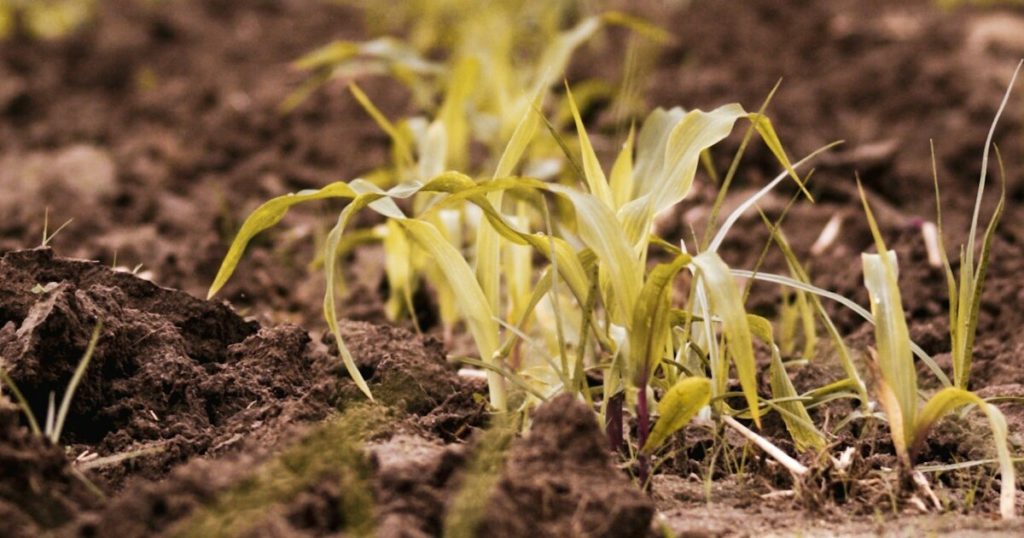
Selecting the perfect location for your asparagus bed is a game-changer, and I can’t wait to share why this step is so crucial for a huge harvest! Asparagus thrives in full sun, requiring at least 8 hours of direct sunlight each day to produce the best yields. Choosing a sunny spot ensures that your plants receive the energy they need for vigorous growth and spear production. Additionally, asparagus prefers well-drained soil, so avoid low-lying areas where water tends to collect and cause root rot. A raised bed or a sloped area can provide excellent drainage and create an ideal environment for your asparagus to flourish.
Proper spacing is also vital when selecting the location for your asparagus bed. Planting asparagus crowns about 12 to 18 inches apart allows ample room for the plants to spread and develop a strong root system. This spacing helps prevent overcrowding, which can lead to reduced yields and increased susceptibility to pests and diseases. Furthermore, consider the long-term commitment of asparagus cultivation, as these plants can live and produce for 15 years or more! By thoughtfully choosing the right location, you’re laying the groundwork for a thriving asparagus garden that will reward you with a massive harvest year after year. Let’s pick the perfect spot and watch our asparagus dreams come to life!
Winterizing the Asparagus Bed
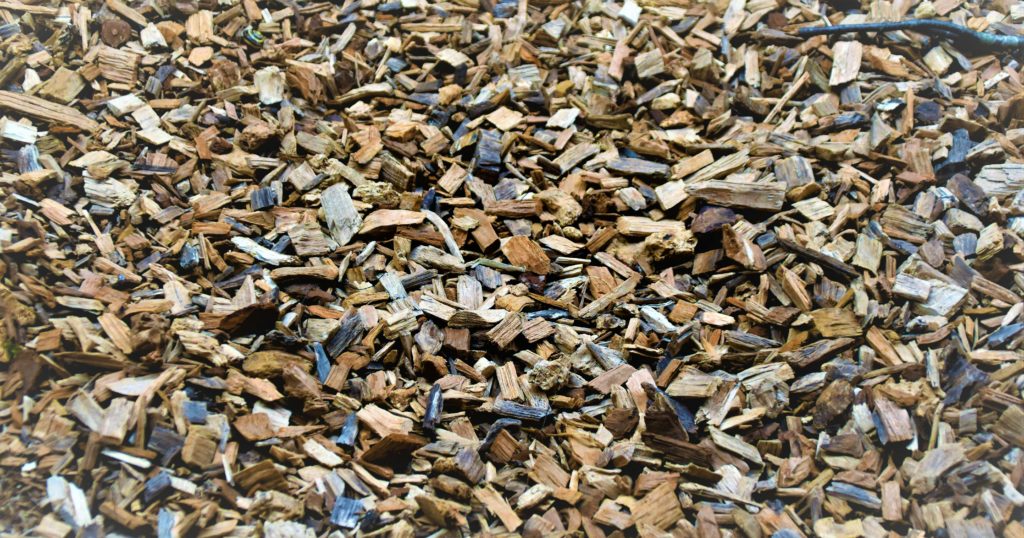
As the growing season winds down, winterizing your asparagus bed is essential to ensure a huge harvest in the following spring. I know how tempting it is to let your garden rest, but taking a few proactive steps now can make a big difference in the health and productivity of your asparagus plants. Start by cutting back the fern growth after the harvest season has ended, allowing the plants to enter dormancy. This helps prevent disease and pest buildup during the winter months. Applying a thick layer of mulch, such as straw or shredded leaves, around the base of the plants can protect the crowns from extreme temperature fluctuations and retain soil moisture.
Another important step is to inspect your asparagus bed for any signs of pests or diseases before winter sets in. Remove any dead or diseased plant material to reduce the risk of infection and discourage overwintering pests. If you’ve noticed any issues during the growing season, consider rotating your asparagus bed or implementing additional protective measures to address them in the future. Additionally, incorporating compost or well-rotted manure into the soil in the fall can improve soil structure and provide a slow release of nutrients for the next growing season. By winterizing your asparagus bed, you’re setting the stage for robust growth and a massive harvest when spring arrives!
Choosing the Right Asparagus Variety

One of the most exciting steps in preparing for a massive asparagus harvest is selecting the perfect variety for your garden! Asparagus comes in various types, each with its own unique characteristics. For instance, Mary Washington is a classic variety known for its robust flavor and strong spear production, making it a favorite among gardeners seeking reliability. Jersey Knight, on the other hand, is celebrated for its disease resistance and extended harvesting period, ideal for those looking for a low-maintenance option. UC 157 stands out with its high yield and tender spears, perfect for maximizing your harvest potential.
It’s crucial to consider your local climate and soil conditions when choosing an asparagus variety. Most asparagus plants, specifically Asparagus officinalis, are native to Europe, western Asia, and northern Africa. Fortunately, they have been widely cultivated and are not considered invasive in most regions. However, it’s always a good idea to check with your local extension office to ensure that the variety you select won’t disrupt the local ecosystem. By selecting a variety that is well-suited to your specific environment, you set the foundation for a healthy and abundant asparagus bed. Trust me, investing time in choosing the right variety will pay off when you’re enjoying those crisp, delicious spears each spring!
Watering and Fertilizing
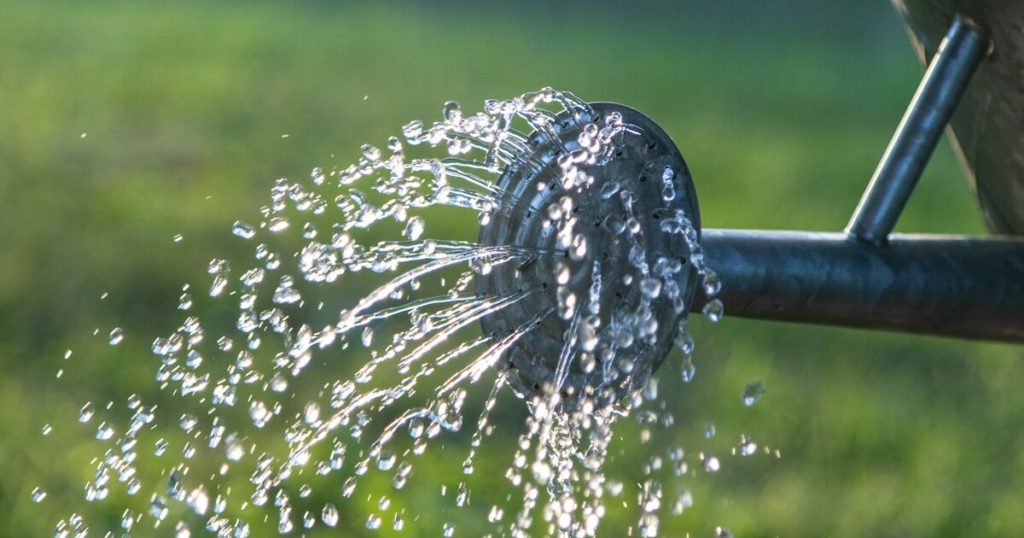
Proper watering and fertilizing are critical for achieving a huge asparagus harvest, and I understand how frustrating it can be when your plants don’t thrive despite your best efforts. Asparagus requires consistent moisture, especially during the growing season. Aim to provide about an inch of water per week, whether through rainfall or supplemental irrigation. Mulching around the plants helps retain soil moisture, suppress weeds, and maintain an even soil temperature, all of which are essential for healthy spear development. However, be cautious not to overwater, as soggy soil can lead to root diseases and diminish plant vigor.
Fertilizing your asparagus bed is equally important to support its long-term productivity. I recommend applying a balanced fertilizer in early spring before new growth begins and again after the first harvest season to replenish nutrients. Organic options like bone meal or fish emulsion are excellent choices, as they gradually release nutrients and improve soil health. Additionally, top-dressing with compost each fall provides a slow-release source of nutrients, enhancing soil fertility and promoting robust plant growth. By maintaining a regular watering and fertilizing schedule, you’ll ensure your asparagus plants are strong and ready to deliver a bountiful harvest year after year!
The Seasonal Cycle and Tree Adaptations

Understanding the seasonal cycle of asparagus and its adaptations can help you cultivate a more successful and rewarding harvest! As a perennial plant, asparagus has a distinct growth cycle that spans the entire year. In the spring, new spears emerge from the ground, signaling the beginning of the growing season. During this time, it’s crucial to focus on harvesting the tender spears without overexploiting the plants, allowing them to build up energy reserves for the next year. As summer progresses, the spears grow into ferns, which are essential for photosynthesis and nutrient storage. These ferns help the asparagus plants develop strong roots and crowns, ensuring robust growth in the following spring.
As autumn approaches, the ferns begin to die back, and the asparagus enters a period of dormancy. This seasonal adaptation allows the plants to conserve energy and protect themselves from harsh winter conditions. Winterizing your asparagus bed, as mentioned earlier, supports this natural cycle by providing insulation and preventing damage from extreme temperatures. In the spring, the cycle begins anew, with the ferns rejuvenating and new spears emerging to continue the life of the plant. By aligning your gardening practices with the natural seasonal cycle of asparagus, you can support its adaptations and enjoy a thriving, productive harvest year after year!