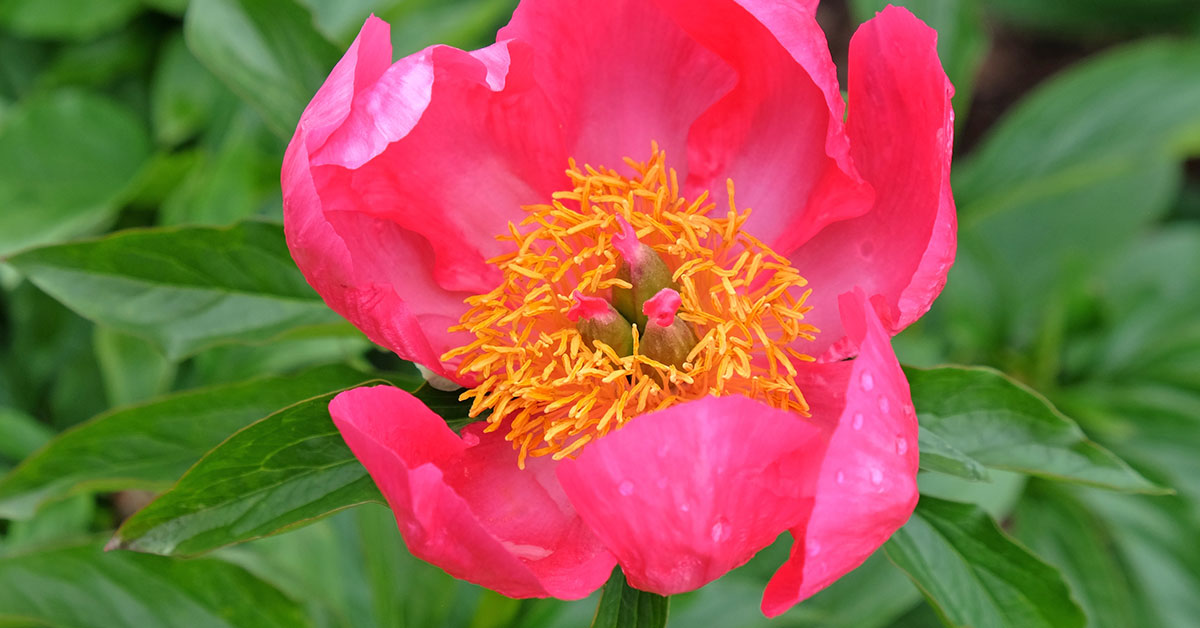

Peonies are truly a gardener’s delight, renowned for their stunning blooms and long-lasting beauty. As autumn approaches, knowing the right time and method to cut back your peonies is essential for ensuring their health and vibrant blooms year after year. Whether you’re a seasoned gardener or just starting out, understanding the proper fall care for peonies can make all the difference. I’m excited to share my favorite tips and techniques to help you maintain these magnificent plants, ensuring they remain a centerpiece in your garden for seasons to come!
I know how disheartening it can be when your beloved peonies don’t thrive as expected. It’s such a bummer when pests or improper care dim their radiant blooms. By mastering the art of cutting back peonies in the fall, you can prevent common issues and promote robust growth for the next spring. Let’s dive into the best practices for preparing your peonies for winter, from the perfect timing to the correct cutting techniques. With a little attention and care, your peonies will continue to enchant your garden with their exquisite flowers!
Proper Technique
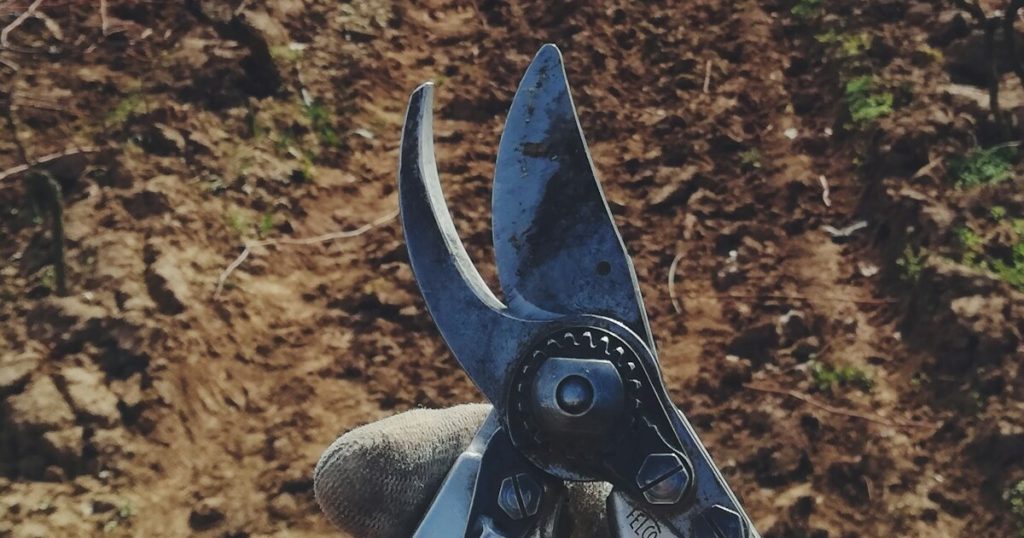
Cutting back peonies correctly is crucial to maintaining their health and ensuring a bountiful display in the spring. Start by removing any dead or diseased stems, cutting them back to the base of the plant. Use clean, sharp garden shears to make precise cuts, minimizing damage to the healthy parts of the plant. Avoid cutting back green stems, as they are still storing energy for next year’s growth. Instead, focus on those that have withered and faded after blooming.
Next, trim the foliage to about 4-6 inches above the ground. This height allows for adequate air circulation around the plant, reducing the risk of fungal diseases and pests overwintering in the soil. Be gentle when handling the stems to prevent unnecessary breakage or stress to the plant. Proper technique not only keeps your peonies looking tidy but also encourages stronger, healthier growth in the upcoming season. Remember, taking the time to cut back your peonies correctly can make a significant difference in their overall vitality and blooming potential!
Timing for Cutting Back

The timing of cutting back peonies is just as important as the technique. The ideal time to prune your peonies is after the first frost in late fall. This timing allows the plants to enter dormancy without undue stress, ensuring they have ample time to prepare for the winter months. Waiting until after the first frost also helps to eliminate any remaining foliage, reducing the chances of pests and diseases taking hold during the colder months.
If you miss the first frost, you can still prune your peonies in late fall or early winter, but be cautious not to cut them back too early. Pruning too soon can leave the plants vulnerable to harsh winter weather, which may damage the stems and roots. Keep an eye on the weather patterns in your area, and aim to complete your pruning just as the plants are winding down for the season. Proper timing ensures that your peonies are well-prepared for winter and ready to burst into beautiful blooms when spring arrives!
Benefits of Cutting Back

Cutting back peonies in the fall offers numerous benefits that contribute to the overall health and longevity of the plants. One of the primary advantages is the prevention of disease and pest infestations. By removing dead and diseased stems, you reduce the hiding spots and breeding grounds for unwanted insects and pathogens. This proactive approach helps maintain a healthy garden environment, allowing your peonies to thrive without the constant threat of pests and diseases.
Another significant benefit is the promotion of strong, vigorous growth for the next season. Pruning back the foliage encourages the plant to direct its energy into developing robust roots and new shoots. This results in more substantial and more frequent blooms, enhancing the visual appeal of your garden. Additionally, cutting back your peonies helps to keep them organized and aesthetically pleasing, making it easier to manage your garden space. Embracing the benefits of fall pruning ensures that your peonies remain a stunning and resilient feature in your garden year after year!
Tools Needed
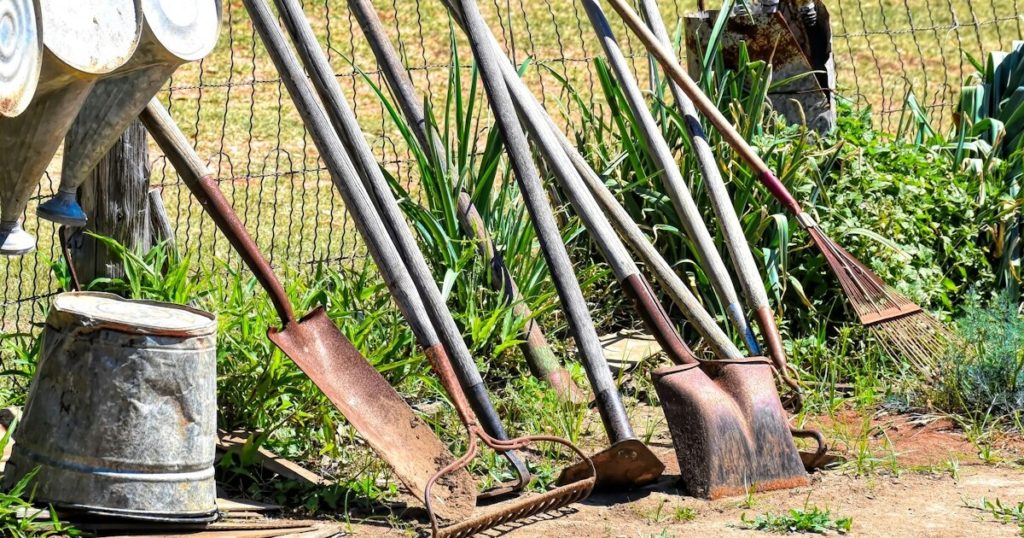
Having the right tools on hand is essential for effectively cutting back your peonies in the fall. Invest in a pair of clean, sharp garden shears or pruners to make precise and clean cuts. Dull or dirty tools can damage the stems and increase the risk of spreading diseases, so it’s important to keep them well-maintained. Stainless steel or high-carbon steel pruners are ideal, as they stay sharp longer and resist rusting, ensuring they perform efficiently when you need them most.
In addition to pruners, a sturdy pair of gardening gloves is a must-have to protect your hands from thorns and rough stems. Gloves provide a barrier against scratches and make the pruning process more comfortable, especially when handling larger or tougher stems. A garden apron or protective clothing can also be beneficial, keeping your clothes clean and shielding your skin from potential irritants. Lastly, consider having a bucket or bag nearby to collect the cut stems, making the cleanup process easier and keeping your garden tidy. With the right tools, you’ll be well-equipped to give your peonies the care they deserve!
What to Do With the Cuttings
Once you’ve successfully cut back your peonies, it’s important to decide what to do with the removed stems. Composting is an excellent option, as it allows the plant material to break down naturally and return valuable nutrients to your garden soil. Simply add the cut stems to your compost bin, ensuring they are well-distributed and mixed with other organic materials like leaves and kitchen scraps. Over time, the compost will enrich your soil, providing a healthy foundation for future plant growth.
If composting isn’t feasible, you can dispose of the cuttings by placing them in green waste bins or taking them to a local composting facility. Avoid leaving the stems on the ground, as they can harbor pests and diseases that may spread to other plants in your garden. Alternatively, you can use the cut stems in creative ways around your garden, such as creating natural mulch or using them as supports for other plants. By thoughtfully managing the cuttings, you contribute to a sustainable garden ecosystem and maintain a clean and organized outdoor space.
How to Prepare the Plant for Winter

Preparing your peonies for winter involves more than just cutting back the stems. Ensuring that the plant is well-insulated and protected from harsh weather conditions is key to its survival and successful bloom next spring. Start by applying a thick layer of mulch around the base of the plant after pruning. Materials like straw, shredded leaves, or pine needles work well to insulate the soil, regulate temperature, and retain moisture. This protective barrier helps shield the roots from extreme cold and prevents soil erosion caused by heavy rains or snow.
Additionally, consider staking your peonies to provide extra support during the winter months. Staking helps prevent the stems from breaking under the weight of snow or ice and keeps them upright, reducing the risk of damage. Use sturdy stakes and soft ties to secure the stems without causing injury. If you live in an area with particularly harsh winters, you might also cover the plants with burlap or frost cloths to offer an extra layer of protection. Proper winter preparation ensures that your peonies remain strong and resilient, ready to burst into spectacular blooms when the warmth of spring returns!
Common Mistakes
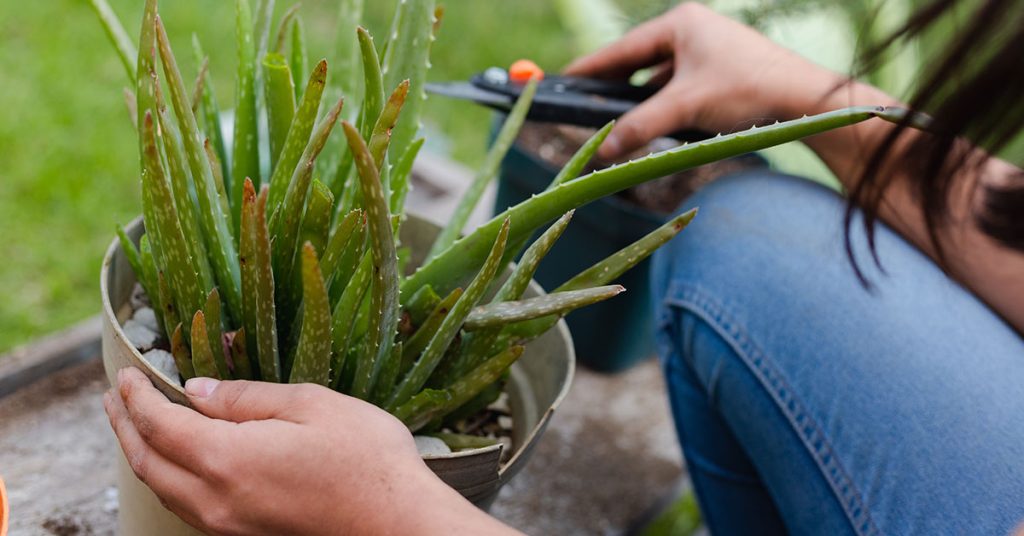
Even with the best intentions, it’s easy to make mistakes when cutting back peonies in the fall. One common error is cutting back the stems too early, which can disrupt the plant’s natural energy cycle and weaken its overall structure. It’s crucial to wait until after the first frost or when the foliage begins to yellow and die back naturally. Pruning too soon can leave the peonies vulnerable to winter damage and reduce their ability to store energy for the next season’s blooms.
Another mistake is neglecting to remove all dead or diseased stems. Leaving behind compromised stems can provide a breeding ground for pests and diseases, jeopardizing the health of your entire peony patch. Always inspect each stem carefully, ensuring that you remove any that show signs of rot, discoloration, or pest activity. Additionally, using dirty or dull tools can cause tearing or splitting of the stems, leading to further damage and increasing the risk of infection. By avoiding these common pitfalls, you can ensure that your peonies remain healthy and vigorous, ready to dazzle your garden with their beauty year after year!
Peonies’ Native Habitat and Invasiveness

Understanding the native habitat of peonies and their potential invasiveness is important for responsible gardening. Peonies, particularly the herbaceous varieties, are native to regions of Europe, Asia, and Western North America. They thrive in temperate climates with well-drained, fertile soil and full to partial sunlight. These perennial plants are well-adapted to a variety of garden settings, from formal borders to naturalized wildflower gardens, making them a versatile choice for many gardeners.
Peonies are not considered invasive, as they generally do not spread aggressively or outcompete native plants when properly maintained. Their growth habit is typically clump-forming, which helps contain their spread and allows for easy management within garden beds. However, it’s still important to monitor their growth and prune them as needed to prevent overcrowding. By choosing non-invasive peony varieties and incorporating them thoughtfully into your garden design, you can enjoy their stunning blooms without disrupting the local ecosystem. Embracing peonies’ natural beauty and understanding their growth patterns ensures a harmonious and flourishing garden environment!
Attracting Beneficial Insects
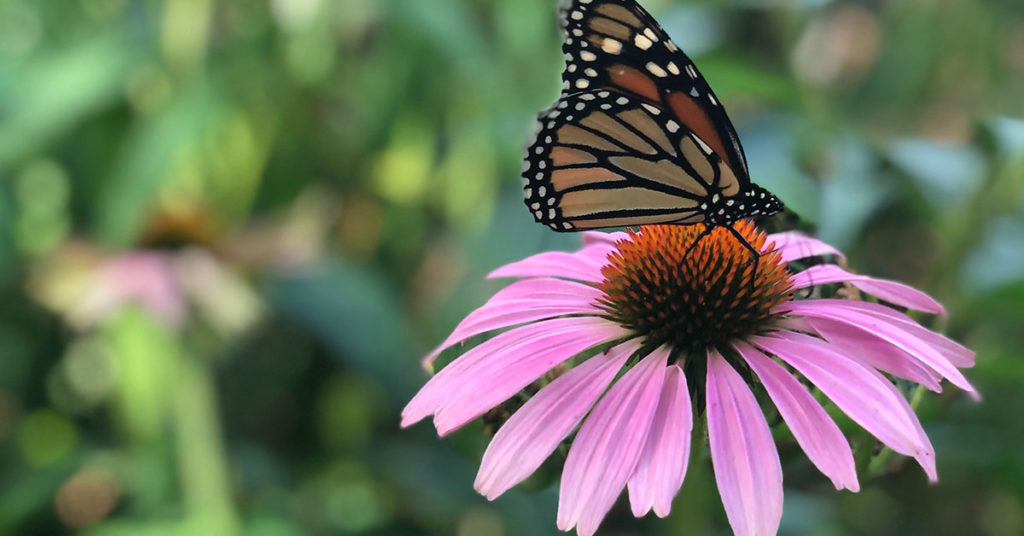
Peonies are not only beautiful additions to your garden but also excellent for attracting beneficial insects that contribute to a healthy ecosystem. Bees, butterflies, and other pollinators are drawn to the vibrant blooms and sweet nectar of peonies, aiding in the pollination process and supporting the overall health of your garden. Additionally, ladybugs and lacewings may visit peonies to prey on aphids and other pest insects, providing natural pest control and reducing the need for chemical interventions.
Encouraging beneficial insects in your garden creates a balanced environment where plants can thrive and resist diseases more effectively. To maximize the attraction of these helpful visitors, ensure that your peonies are planted in sunny locations with plenty of flowering companions that offer continuous nectar sources throughout the growing season. Providing a variety of flowering plants alongside your peonies can enhance biodiversity and create a vibrant, lively garden filled with activity and life. By fostering a habitat that supports beneficial insects, you not only enhance the beauty of your peonies but also contribute to a sustainable and resilient garden ecosystem!