
Have you ever heard that your birth month has a special flower associated with it? Yes, birth flowers are indeed a thing, and each one carries its own unique meaning and significance! As a passionate gardener, I’m thrilled to delve into the enchanting world of birth flowers and uncover the secrets behind these beautiful blooms. Whether you’re looking to add a personal touch to your garden or simply curious about the symbolism behind your favorite flowers, this guide will help you discover what your birth flower truly represents.
Understanding the meaning of your birth flower can add a deeper connection to your gardening experience and even your personal life. It’s such a delightful way to celebrate your birth month and incorporate a meaningful plant into your daily surroundings. From the vibrant colors to the intricate designs, each birth flower has a story to tell and a special place in the garden. Let’s explore the meanings, origins, and gardening tips for each birth flower, ensuring that you not only know what yours means but also how to nurture it in your own garden!
January – Carnation

Carnations are the birth flowers for January, symbolizing fascination, distinction, and love. These vibrant blooms come in a variety of colors, each carrying its own unique meaning. For instance, red carnations represent deep love and admiration, while white carnations signify pure love and good luck. Pink carnations are often associated with a mother’s love, making them a popular choice for Mother’s Day celebrations.
Native to the Mediterranean region, carnations thrive in well-drained soil and full sun, making them a fantastic addition to any garden. They are not considered invasive, allowing them to coexist peacefully with other plants. Carnations attract beneficial insects like bees and butterflies, enhancing the biodiversity of your garden. Their long-lasting flowers make them perfect for cutting and displaying indoors, adding a touch of elegance to any space. Plus, cultivating carnations can be incredibly rewarding as they bloom profusely throughout the growing season!
February – Violet

Violets, the birth flowers for February, are cherished for their delicate beauty and symbolism of faithfulness and modesty. These charming flowers come in shades of purple, blue, white, and yellow, each adding a splash of color to the garden. Violets are often associated with loyalty and everlasting love, making them a meaningful gift for loved ones born in February.
Violets are native to various regions across Europe, Asia, and North America, thriving in shady areas with moist, well-drained soil. They are not invasive and can coexist harmoniously with other shade-loving plants. Violets attract pollinators such as bees and butterflies, contributing to a healthy garden ecosystem. These resilient plants are easy to grow and maintain, making them perfect for both novice and experienced gardeners. Their ability to spread gently through runners ensures a lush, vibrant display year after year!
March – Daffodil
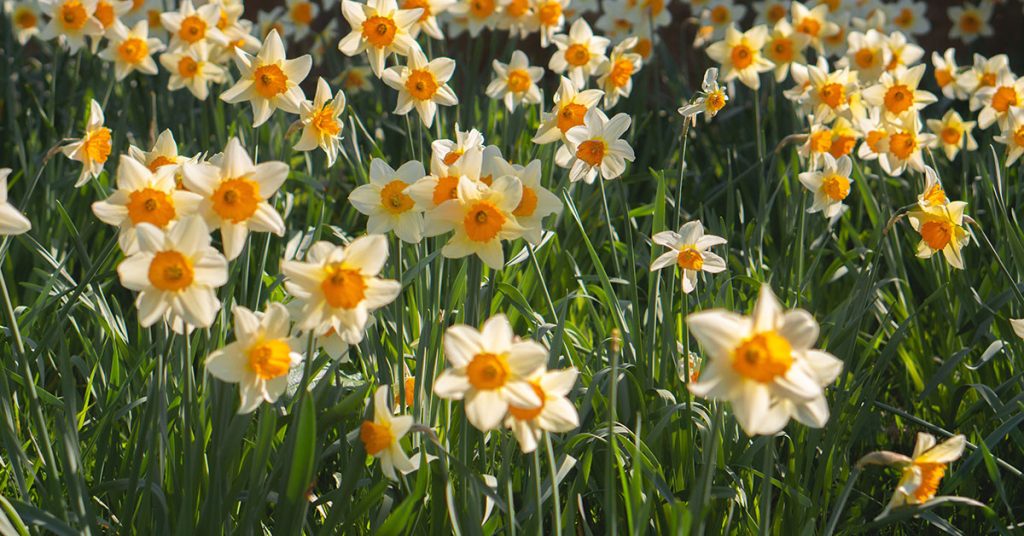
Daffodils, the vibrant birth flowers of March, symbolize rebirth, new beginnings, and unrequited love. These cheerful blooms are a sure sign of spring, bringing bright colors and uplifting energy to any garden. Daffodils are often associated with optimism and hope, making them a favorite choice for celebrating the arrival of warmer weather.
Originating from the Mediterranean region, daffodils thrive in well-drained soil and full to partial sunlight. They are not considered invasive, making them a safe and beautiful addition to any garden space. Daffodils attract a variety of pollinators, including bees and butterflies, which help support the overall health of your garden. Their hardy nature allows them to withstand cooler temperatures, ensuring they bloom reliably each spring. Planting daffodils not only adds beauty but also provides a natural early-season food source for pollinators!
April – Daisy
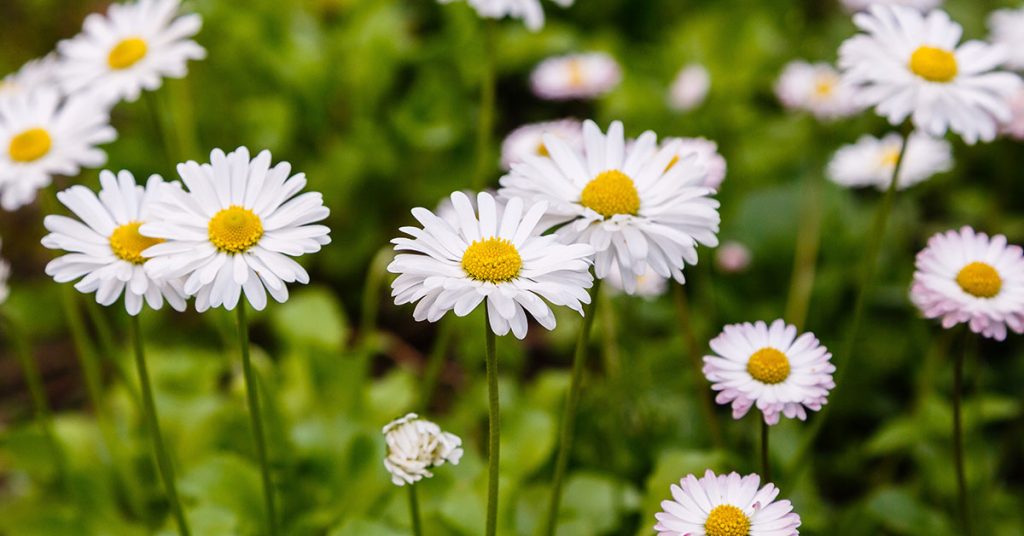
Daisies, the birth flowers for April, are symbols of purity, innocence, and loyal love. These timeless blooms are beloved for their simple yet elegant appearance, featuring bright white petals and sunny yellow centers. Daisies are often associated with cheerfulness and new beginnings, making them a perfect representation of the spring season.
Native to Europe and North America, daisies thrive in a variety of soil types, particularly in well-drained, sunny locations. They are not invasive and can be easily integrated into flower beds, borders, or containers. Daisies attract a multitude of pollinators, including bees, butterflies, and ladybugs, enhancing the biodiversity of your garden. Their robust growth and long blooming period make them a reliable choice for adding continuous color and life to your outdoor space. Plus, daisies are low-maintenance, requiring minimal care to flourish beautifully!
May – Lily of the Valley
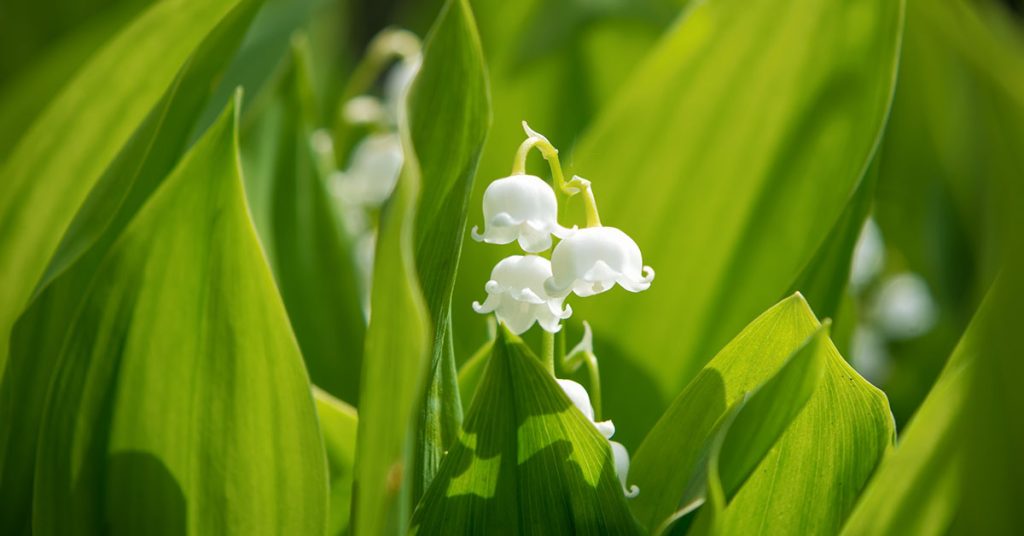
Lily of the Valley, the birth flower for May, represents sweetness, humility, and the return of happiness. These delicate, bell-shaped flowers emit a lovely fragrance that is both soothing and uplifting. Lily of the Valley is often associated with the arrival of spring and the renewal of life, making it a cherished addition to gardens and bouquets alike.
Native to temperate regions of the Northern Hemisphere, including Europe and Asia, Lily of the Valley thrives in shaded, moist environments with rich, well-drained soil. They are not considered invasive and can coexist peacefully with other woodland plants. Lily of the Valley attracts pollinators such as bees and butterflies, supporting a healthy garden ecosystem. Their ability to spread through underground rhizomes allows them to create a lush, carpet-like display that adds elegance and charm to any shaded area. Cultivating Lily of the Valley brings a touch of timeless beauty and a sweet fragrance to your garden!
June – Rose

Roses, the stunning birth flowers for June, symbolize love, passion, and admiration. These iconic blooms are renowned for their beauty, fragrance, and variety, making them a favorite among gardeners and flower enthusiasts alike. Roses are often associated with romance and deep emotional connections, making them a meaningful gift for loved ones.
Originating from various regions across the Northern Hemisphere, roses thrive in well-drained soil with plenty of sunlight. While some wild rose species can spread, most cultivated varieties are not considered invasive when properly maintained. Roses attract a wide range of pollinators, including bees, butterflies, and hummingbirds, which help promote a healthy and vibrant garden. Their extensive range of colors, shapes, and sizes allows for endless creativity in garden design, ensuring that every rose garden is unique and breathtaking. With the right care, roses can provide a stunning display of blooms throughout the growing season!
July – Larkspur

Larkspur, the birth flower for July, symbolizes positivity, lightness, and an open heart. These elegant flowers are known for their tall spikes and vibrant colors, ranging from deep blues and purples to bright pinks and whites. Larkspur is often associated with grace and lightheartedness, making it a delightful addition to summer gardens.
Native to the Northern Hemisphere, particularly Europe and Asia, larkspur thrives in well-drained soil and full sunlight. They are not invasive and can be easily integrated into flower beds, borders, or containers. Larkspur attracts pollinators such as bees and butterflies, which play a crucial role in maintaining the health of your garden ecosystem. These hardy annuals and perennials are easy to grow and maintain, providing a stunning vertical element that adds height and structure to your garden design. Planting larkspur brings a touch of summer elegance and vibrant color to any outdoor space!
August – Gladiolus

Gladiolus, the birth flower for August, represents strength, integrity, and sincerity. These striking flowers are known for their tall spikes adorned with numerous vibrant blooms, making a bold statement in any garden. Gladiolus is often associated with admiration and respect, making it a meaningful addition to floral arrangements and gardens alike.
Native to the Mediterranean region, gladiolus thrives in well-drained soil with full to partial sunlight. They are not considered invasive and can be easily incorporated into flower beds, borders, or containers. Gladiolus attracts a variety of pollinators, including bees and butterflies, which contribute to the overall health and vitality of your garden. Their long blooming period and array of colors allow for versatile garden design, ensuring that your garden remains vibrant and dynamic throughout the summer months. Cultivating gladiolus adds a touch of elegance and strength to your outdoor space!
September – Aster

Asters, the birth flowers for September, symbolize love, wisdom, and elegance. These charming blooms come in a variety of colors, including purple, pink, white, and blue, adding a splash of color to the late summer and early fall garden. Asters are often associated with patience and devotion, making them a meaningful addition to any garden or floral arrangement.
Native to Eurasia and North America, asters thrive in well-drained soil with full to partial sunlight. They are not considered invasive and can be easily integrated into flower beds, borders, or containers. Asters attract pollinators such as bees, butterflies, and moths, supporting a healthy and diverse garden ecosystem. Their daisy-like flowers bloom in late summer and fall, providing continuous color and interest as other plants begin to fade. Planting asters ensures a beautiful and enduring display that celebrates the transition from summer to autumn!
October – Marigold
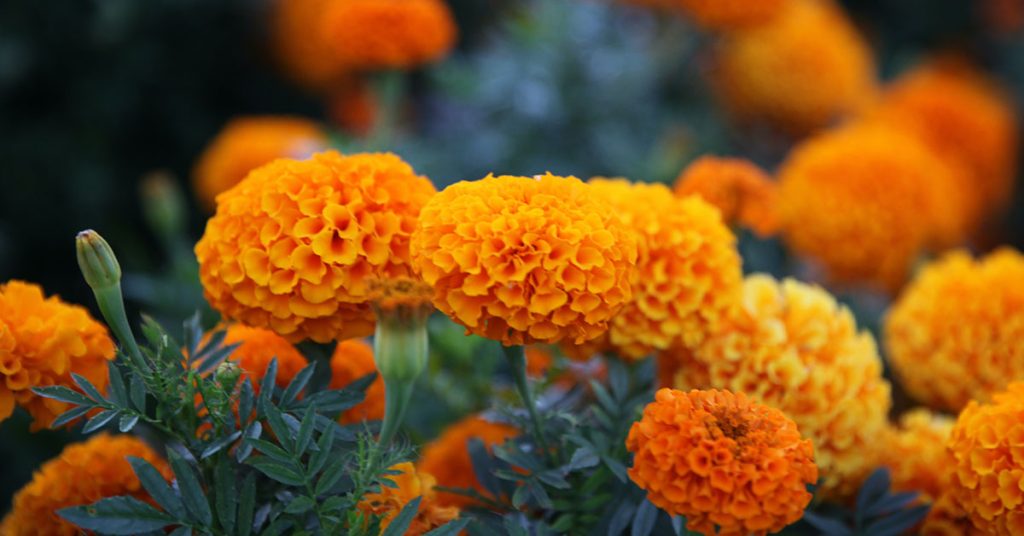
Marigolds, the vibrant birth flowers for October, symbolize warmth, creativity, and passion. These cheerful blooms are known for their bright orange, yellow, and red colors, bringing a lively and festive touch to any garden. Marigolds are often associated with the harvest season and are a popular choice for autumn celebrations and decorations.
Native to the Americas, marigolds thrive in well-drained soil with full sunlight. While some wild varieties can spread, most cultivated marigolds are not considered invasive when properly managed. Marigolds attract beneficial insects such as bees, butterflies, and ladybugs, which help control pests and promote a healthy garden environment. Their hardy nature and long blooming period make them a reliable choice for adding continuous color and vitality to your garden throughout the fall season. Cultivating marigolds brings a burst of warmth and creativity to your outdoor space!
November – Chrysanthemum
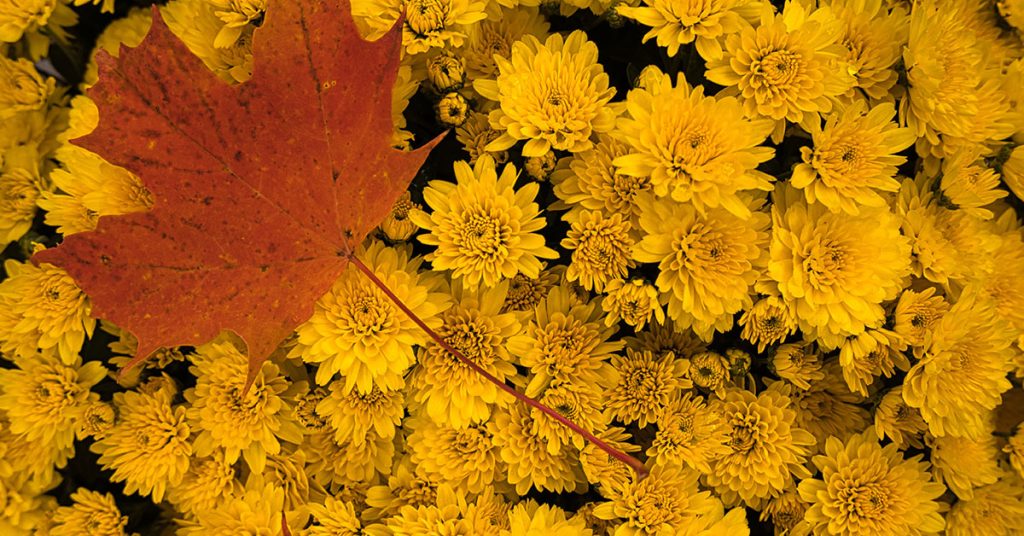
Chrysanthemums, the birth flowers for November, symbolize loyalty, joy, and optimism. These stunning blooms come in a wide range of colors and shapes, making them a versatile and beloved choice for gardens and floral arrangements. Chrysanthemums are often associated with the beauty of autumn and the celebration of life, adding a touch of elegance and cheer to the late fall season.
Native to Asia and northeastern Europe, chrysanthemums thrive in well-drained soil with full to partial sunlight. They are not considered invasive and can be easily incorporated into flower beds, borders, or containers. Chrysanthemums attract pollinators such as bees and butterflies, enhancing the biodiversity and health of your garden. Their long blooming period and variety of forms allow for creative garden design, ensuring that your garden remains vibrant and beautiful even as the weather cools. Planting chrysanthemums adds a sense of joy and optimism to your autumn garden, celebrating the season’s natural beauty!
December – Narcissus
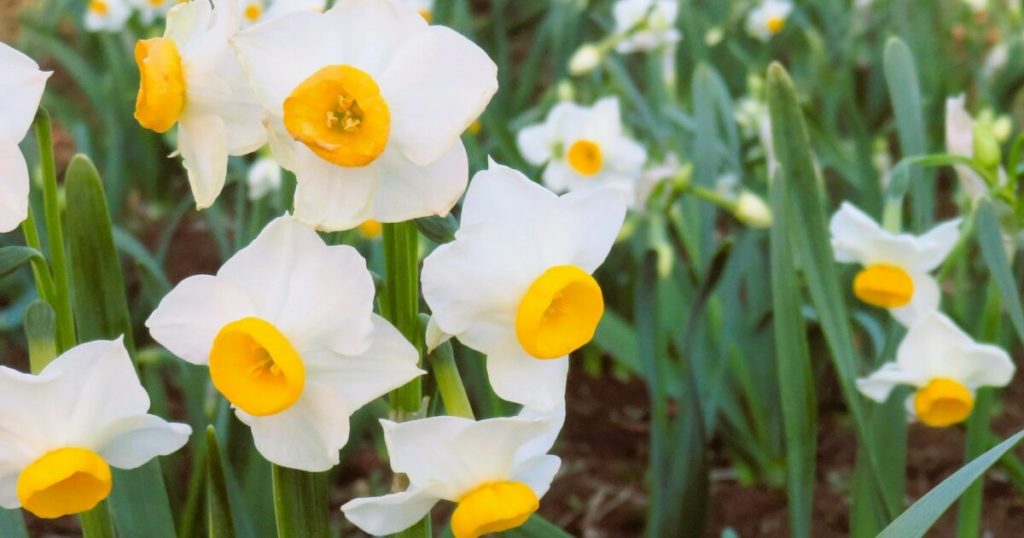
Narcissus, the birth flower for December, symbolizes rebirth, renewal, and respect. These elegant blooms are known for their trumpet-shaped flowers and vibrant colors, ranging from white and yellow to pink and orange. Narcissus is often associated with the winter season and the promise of spring, making it a meaningful and inspiring addition to winter gardens.
Native to Europe, North Africa, and parts of Asia, narcissus thrives in well-drained soil with full to partial sunlight. They are not considered invasive and can be easily integrated into flower beds, borders, or containers. Narcissus attracts pollinators such as bees and butterflies, supporting a healthy and dynamic garden ecosystem even in the colder months. Their hardy nature allows them to bloom reliably each spring, providing a beautiful and enduring display that heralds the return of warmer weather. Cultivating narcissus adds a touch of elegance and renewal to your winter garden, celebrating the cycle of life and growth!