
Spring is just around the corner, and I know how exciting it is to prepare your garden for a vibrant season of growth! One crucial step that often gets overlooked is testing and adjusting your soil’s pH. Understanding your soil’s acidity or alkalinity can make a world of difference in how your plants thrive. Don’t worry if you’re new to this – I’m here to guide you through the process with tips and tricks that have worked wonders in my own garden. Let’s dive into the essentials of soil pH and how you can create the perfect environment for your beloved plants!
I completely get the frustration of putting so much effort into planting, only to see your flowers or vegetables struggle because of poor soil conditions. It’s such a bummer when your garden doesn’t perform as expected, but adjusting your soil’s pH can transform your gardening experience. By taking a little time now to test and improve your soil, you’re setting yourself up for a successful and bountiful spring. Plus, understanding soil pH helps you choose plants that not only thrive but also enhance the beauty and health of your garden ecosystem. Let’s explore how you can achieve that ideal soil balance!
How to Improve Your Soil’s pH
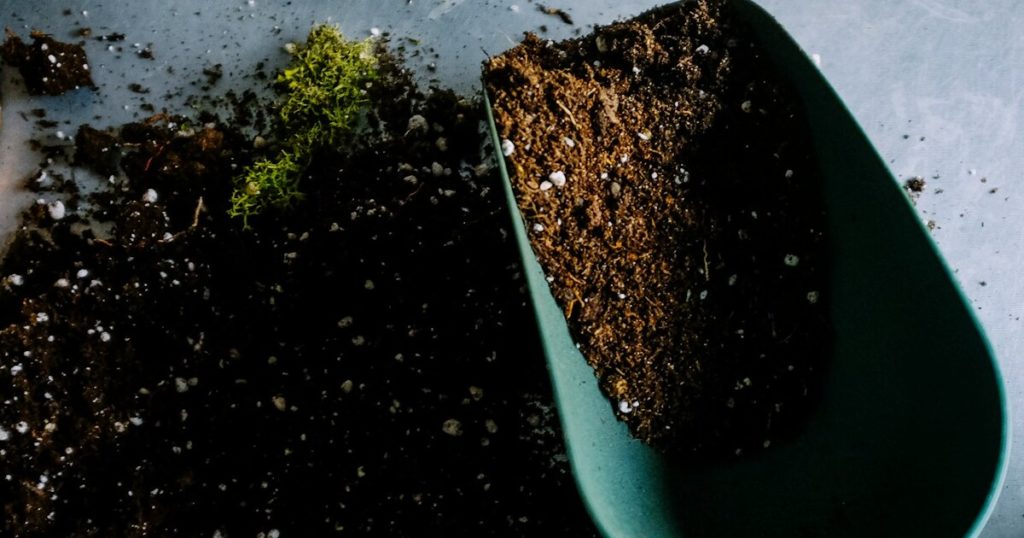
Improving your soil’s pH is a game-changer for your garden! If your soil is too acidic, adding lime can help raise the pH, making it less harsh for plants that prefer neutral to slightly alkaline conditions. On the flip side, if your soil is too alkaline, incorporating sulfur or organic matter like peat moss can lower the pH, creating a more hospitable environment for acid-loving plants. It’s amazing how these simple amendments can make your plants healthier and more vibrant. Plus, adjusting soil pH can enhance nutrient availability, ensuring your garden gets all the goodness it needs to flourish!
I remember the first time I adjusted my soil’s pH – it was like a lightbulb moment for my garden! Watching my favorite roses and blueberries bloom beautifully after tweaking the soil made all the effort worthwhile. It’s important to make these changes gradually and monitor the pH levels regularly to avoid overcorrection. Using a soil test kit can help you track progress and make informed decisions about further adjustments. Trust me, your plants will thank you with lush growth and stunning blooms that brighten up your garden all season long!
Understanding Soil pH
Understanding soil pH is fundamental to successful gardening. Soil pH measures the acidity or alkalinity of your soil on a scale from 0 to 14, with 7 being neutral. Most plants thrive in soils with a pH between 6 and 7.5, but some have specific preferences. For instance, blueberries and azaleas love acidic soil, while lilacs and clematis prefer it on the alkaline side. Knowing your soil’s pH helps you select the right plants that are naturally suited to your garden’s conditions, reducing the need for constant adjustments and ensuring healthier, more resilient plants.
It’s fascinating how soil pH affects nutrient availability for plants. In acidic soils, essential nutrients like nitrogen, phosphorus, and potassium become more soluble and accessible to plants. However, if the soil is too acidic or too alkaline, certain nutrients can become locked up, making it difficult for plants to absorb them. This can lead to nutrient deficiencies, stunted growth, and poor flowering. By maintaining the right pH balance, you’re creating an optimal environment where plants can efficiently take up nutrients and reach their full potential!
How to Test Your Soil’s pH

Testing your soil’s pH is easier than you might think! One of the simplest methods is using a home soil test kit, which you can find at most garden centers. These kits typically include a test tube, a color chart, and chemicals that react with your soil sample to indicate its pH level. Just take a small sample from different areas of your garden, mix them together, and follow the instructions provided. It’s a quick and straightforward way to get an accurate reading of your soil’s acidity or alkalinity, giving you the information you need to make informed gardening decisions.
Another reliable option is sending a soil sample to a local extension service or professional lab for a comprehensive analysis. While this method might take a bit longer, it provides detailed insights into not just pH but also nutrient levels and other important soil characteristics. This thorough understanding can help you tailor your soil amendments precisely, ensuring that your garden receives exactly what it needs. Whether you choose a DIY kit or professional testing, knowing your soil’s pH is the first step toward a thriving garden!
Choosing Plants Based on Soil pH
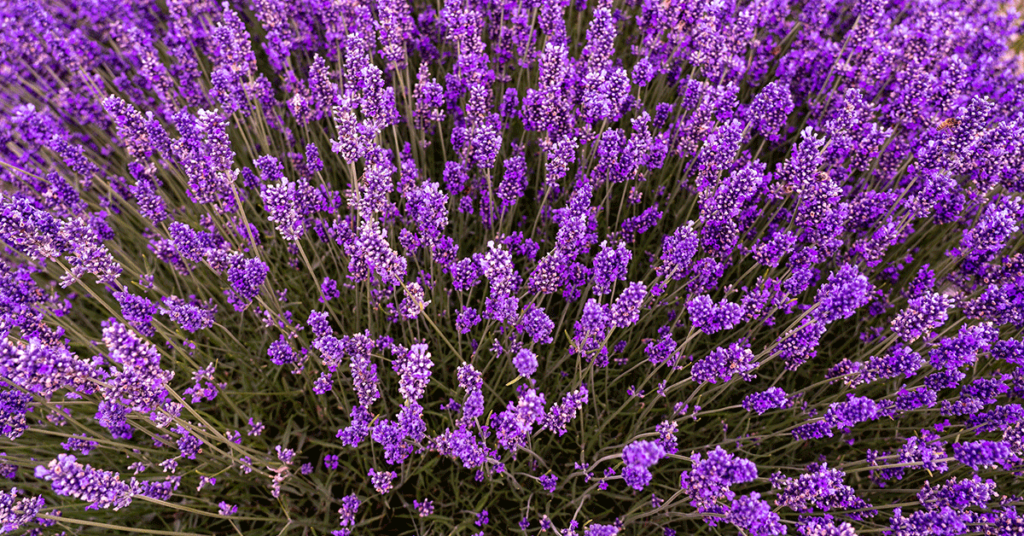
Choosing the right plants based on your soil’s pH can transform your garden into a lush paradise! Native plants are often the best choice because they are adapted to your local soil conditions and climate. For example, if you have slightly acidic soil, native azaleas and rhododendrons can thrive beautifully without much extra care. On the other hand, if your soil is more alkaline, plants like lavender and lilac are excellent choices that will flourish and add vibrant colors to your garden. Selecting plants that match your soil pH not only makes gardening easier but also supports local ecosystems by providing habitat for native wildlife.
It’s also important to consider whether a plant is invasive when planning your garden. While some plants, like certain types of bamboo, can spread rapidly and take over, others are well-behaved and won’t disrupt the local environment. By choosing non-invasive, pH-suited plants, you can maintain a healthy and balanced garden. For instance, my favorite native wildflowers not only brighten up the space but also attract pollinators like bees and butterflies, enhancing the overall health and beauty of the garden. Making informed plant choices based on soil pH ensures a harmonious and sustainable gardening experience!
Maintaining Optimal Soil pH
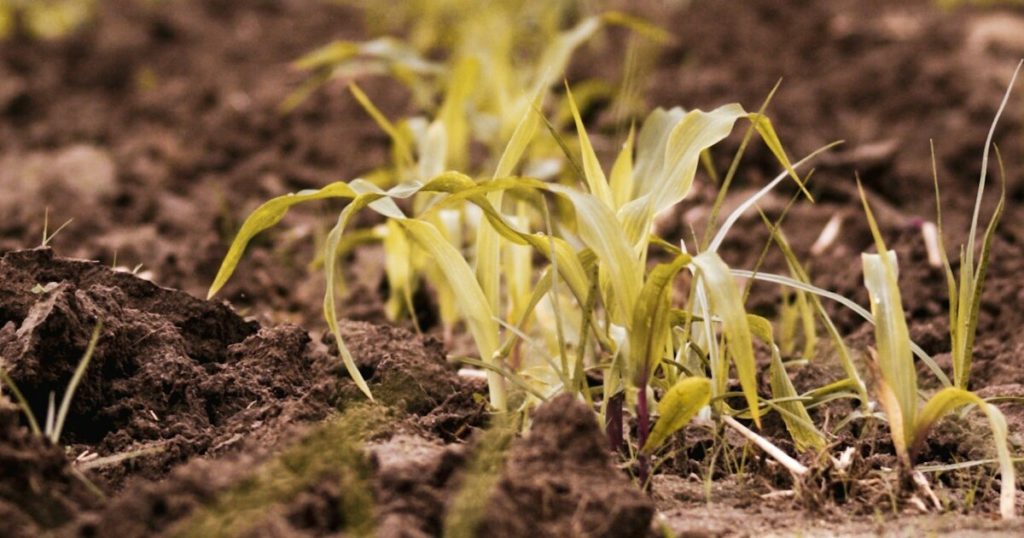
Maintaining optimal soil pH is an ongoing process that keeps your garden thriving year after year! Regularly testing your soil, especially before planting seasons, helps you stay on top of any changes and adjust accordingly. Organic mulches, such as compost or well-rotted manure, can help buffer pH fluctuations and improve soil structure. Additionally, rotating your crops and incorporating a variety of plants can prevent soil degradation and promote a balanced ecosystem. Consistent care and attention to your soil’s pH will reward you with a robust and resilient garden that stands the test of time.
Don’t forget that environmental factors like rainfall, temperature, and even the type of plants you grow can influence soil pH over time. By staying vigilant and proactive, you can address any issues before they become major problems. I always make it a habit to review my soil’s pH at least twice a year, adjusting as needed to ensure my garden remains a vibrant and healthy haven. With a little dedication and the right knowledge, maintaining your soil’s pH can become a natural and enjoyable part of your gardening routine!