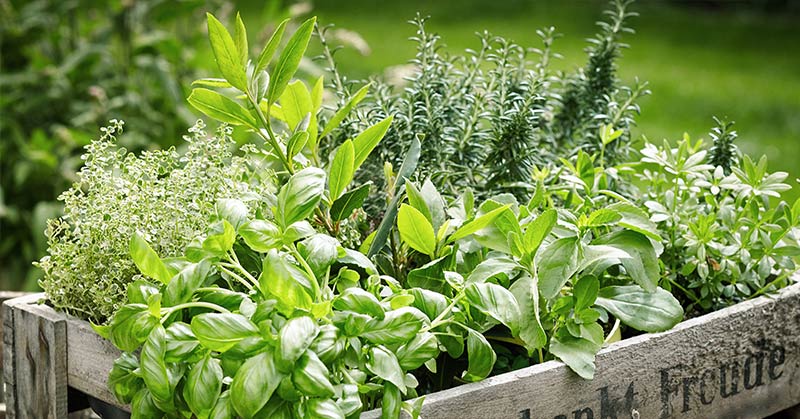

Fall is an ideal time to focus on perennial herbs, those hardy plants that keep coming back year after year, bringing flavor, fragrance, and beauty to your garden. Not only do these herbs add a delightful aroma to your space, but they’re also incredibly versatile. You can use them in cooking, as natural remedies, and even as decorative elements in your garden beds. Perennial herbs are tough enough to withstand cooler temperatures, and many thrive in the fall, making them a perfect choice for gardeners looking to keep their gardens vibrant and productive as the season changes.
But where do you start with so many wonderful options out there? Don’t worry—I’ve got you covered! In this article, I’ll introduce you to some of my favorite perennial herbs that are perfect for fall planting. We’ll explore their native habitats, discuss any concerns about invasiveness, and provide some practical tips on how to make the most of them in your garden. Whether you’re a seasoned herb gardener or just starting, there’s something here for everyone. Let’s dig in and discover the joy of growing perennial herbs in your fall garden!
Rosemary: The Fragrant Powerhouse
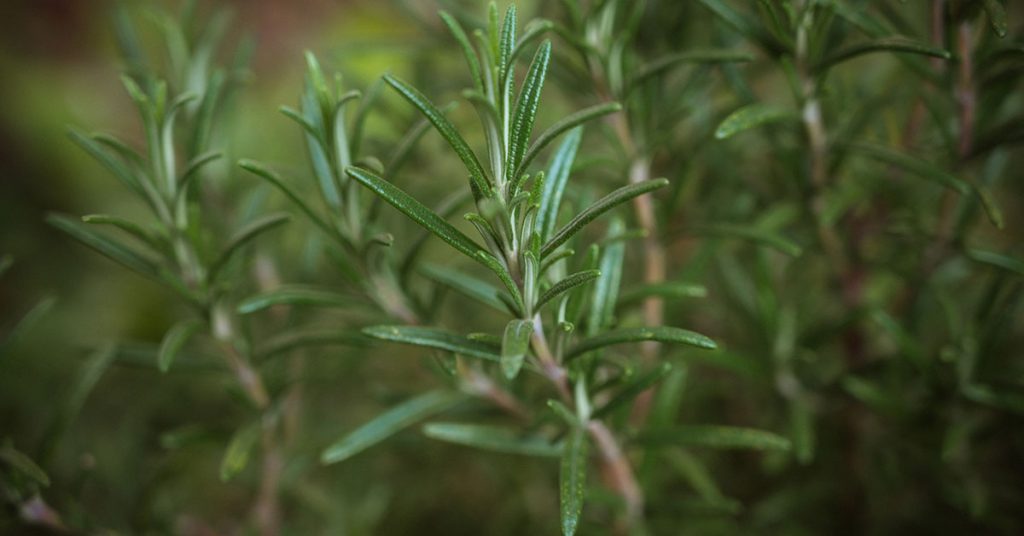
Rosemary is a must-have perennial herb for any fall garden! Native to the Mediterranean region, this evergreen shrub is beloved for its aromatic, needle-like leaves that add a wonderful flavor to roasts, soups, and breads. Rosemary thrives in full sun and well-drained soil, making it a perfect choice for those sunny spots in your garden that might be too hot for other plants. One of the best things about rosemary is that it’s drought-tolerant once established, so you don’t need to worry too much about watering it during those dry fall days.
Rosemary is not considered invasive, but it can grow quite large if left unchecked, reaching up to 4 to 6 feet tall! Regular pruning will help keep its size manageable and encourage bushier growth. Beyond its culinary uses, rosemary’s strong scent can help deter pests like aphids and whiteflies, making it a great companion plant for your vegetable garden. It also attracts pollinators like bees, who love its small, blue flowers. I always plant rosemary near my garden benches—there’s nothing like brushing against it and releasing that wonderful fragrance!
Thyme: The Low-Growing Marvel
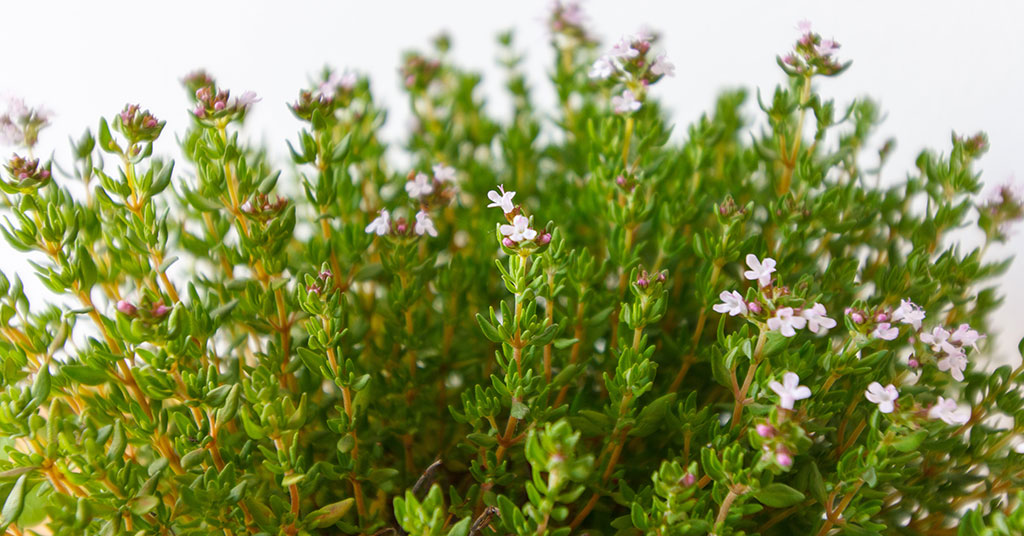
Thyme is another fantastic perennial herb for fall gardens, and it’s one of my personal favorites! Native to Southern Europe and parts of the Mediterranean, thyme is known for its small, aromatic leaves and tiny clusters of pink or purple flowers. It’s a low-growing herb, usually not more than 6 to 12 inches tall, which makes it perfect for edging borders, filling in gaps between stones, or cascading over the sides of containers. Thyme is incredibly versatile in the kitchen too—it’s a staple in soups, stews, and roasted dishes.
What I love most about thyme is its hardiness. It can withstand cold temperatures and even a bit of frost, so it’s perfect for extending your garden’s productivity into the fall. Thyme is not considered invasive, but it does have a tendency to spread gently, creating a lovely, soft carpet of green. This herb also attracts beneficial insects like hoverflies and bees, making it a wonderful addition to any pollinator-friendly garden. Plus, it’s easy to care for—just plant it in a sunny spot with well-drained soil, and it will reward you with beauty and flavor year after year!
Sage: The Bold and Beautiful
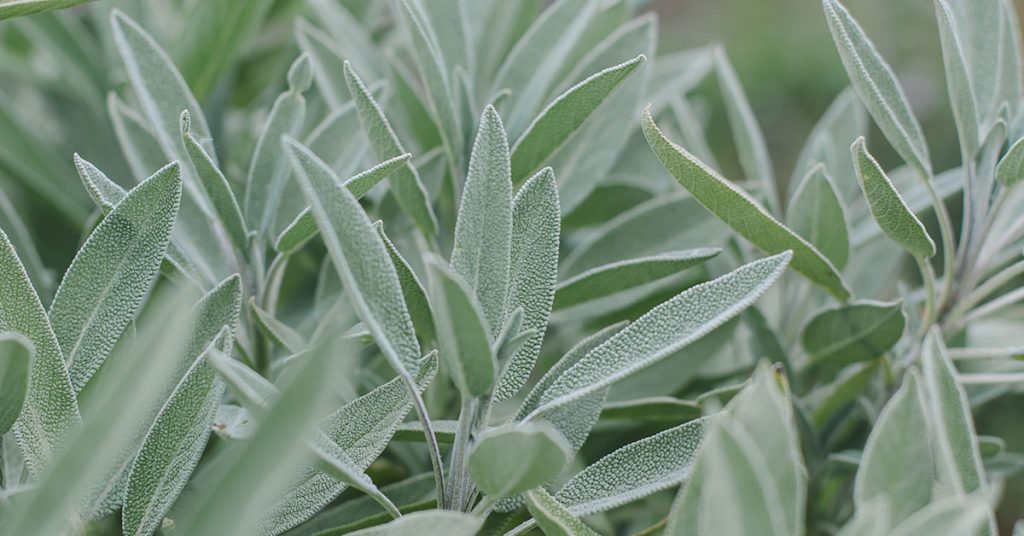
Sage is one of those herbs that does it all—adds flavor, provides stunning foliage, and even produces lovely flowers that bees can’t resist. Native to the Mediterranean region, sage is a hardy perennial that thrives in full sun and well-drained soil, making it an excellent choice for fall gardens. It’s particularly well-suited for cooler weather, and its gray-green leaves and woody stems add a touch of texture and color to garden beds. Sage also comes in different varieties, including purple and golden, allowing you to play with different hues in your planting scheme.
Sage is not considered invasive, but it can spread and form dense clumps if left to its own devices. Regular pruning after flowering will keep it tidy and encourage new growth. I love using sage in my garden for its culinary value—it’s fantastic in stuffing, pasta dishes, and teas. But beyond that, its leaves are known to deter pests like cabbage moths and beetles, making it a great companion for other plants. And did I mention the smell? It’s one of those scents that instantly brings a sense of calm and relaxation. Plant sage near a seating area, and you’ll always have a fragrant companion!
Chives: The Tasty Border
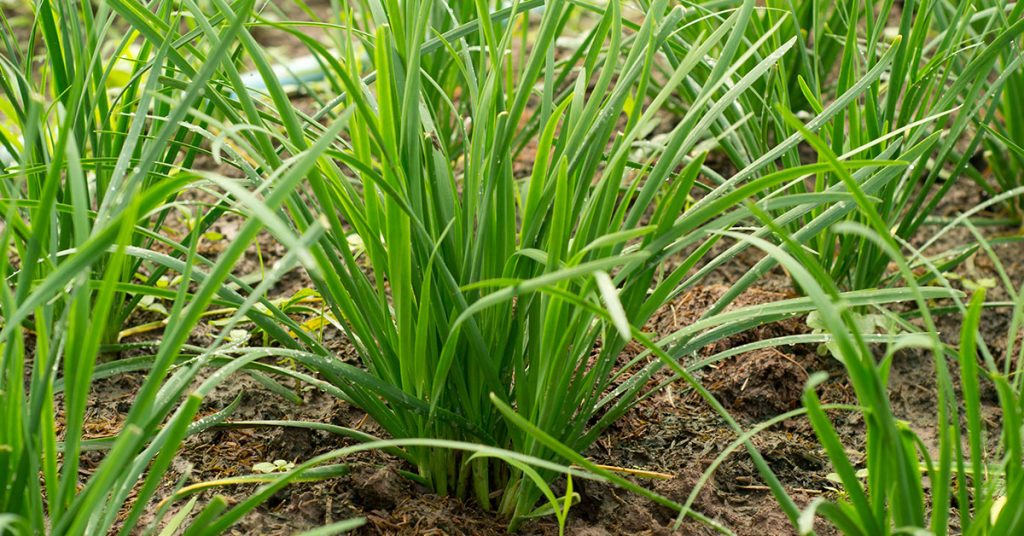
Chives are a delightful perennial herb that brings both flavor and visual interest to the fall garden. Native to Europe, Asia, and North America, chives are incredibly easy to grow and adapt well to various soil types, as long as there is good drainage. Their thin, tubular leaves add a grassy texture to the garden, and they produce lovely purple pom-pom flowers that bloom in late spring to early summer. These flowers aren’t just pretty—they’re also edible and can add a pop of color to salads or garnishes.
One of the great things about chives is that they’re not considered invasive, but they do self-seed easily, so you might find them popping up in unexpected places! I like to use chives as a border plant in my vegetable garden; they create a neat, tidy edge and help deter pests like aphids and Japanese beetles. Plus, chives attract pollinators like bees and butterflies, enhancing the biodiversity of your garden. And who doesn’t love being able to snip fresh chives right from the garden for their morning omelet?
Oregano: The Spicy Groundcover
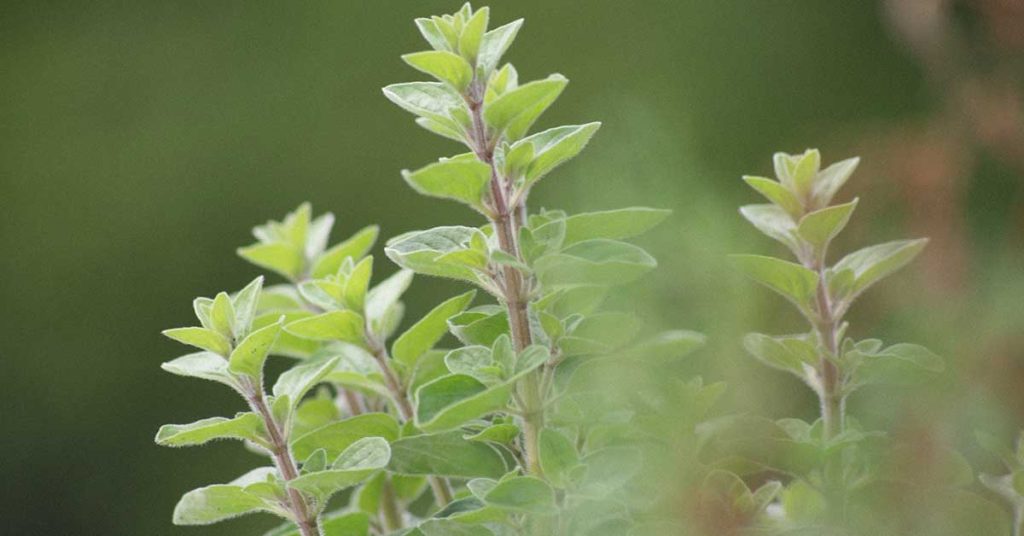
Oregano is a fantastic perennial herb for fall gardens, especially if you’re looking for something that spreads and fills in spaces beautifully. Native to the Mediterranean region, oregano is a low-growing, spreading herb that thrives in full sun and well-drained soil. Its small, aromatic leaves add a delicious flavor to pizzas, pasta sauces, and marinades, making it a kitchen staple. In the garden, oregano’s sprawling habit makes it a great ground cover that can help suppress weeds while adding a lush green carpet to your beds.
Oregano is not invasive, but it does spread by runners, so it’s best to give it some room to roam. I love planting oregano along pathways or in rock gardens, where its fragrance is released with every step. Plus, oregano flowers in late summer to fall, producing small white or pink blooms that attract a host of pollinators like bees and butterflies. It’s also a tough plant, resistant to pests and diseases, making it a low-maintenance choice for any gardener. If you want a hardy, flavorful herb that looks great in the garden, oregano is a wonderful option!
Mint: The Refreshing Powerhouse
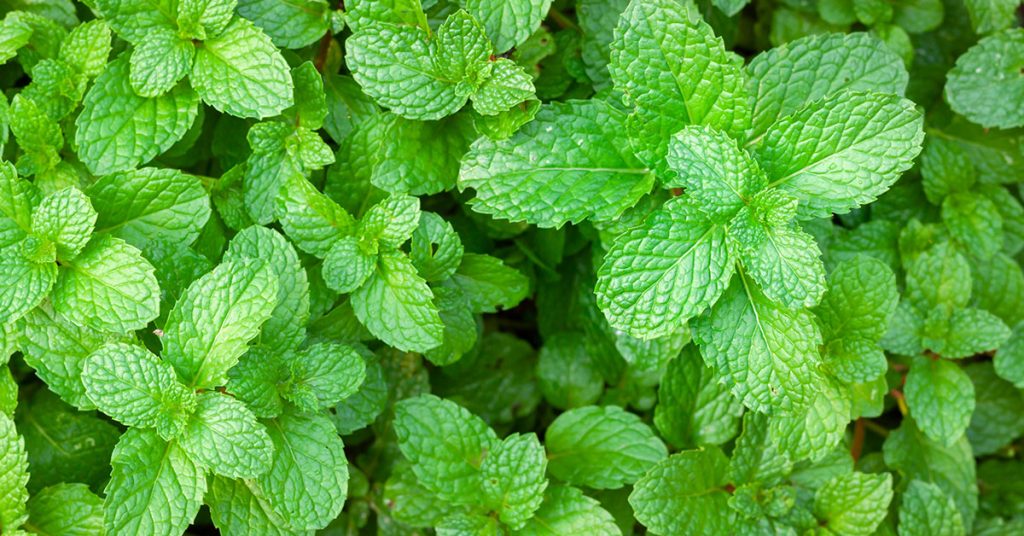
Mint is a classic perennial herb that deserves a spot in every fall garden—but with a bit of caution! Native to Europe and Asia, mint is known for its fresh, invigorating scent and is a favorite in teas, desserts, and cocktails. However, mint is a notorious spreader and can quickly take over a garden bed if not contained. I always recommend planting mint in a container or a designated area where it can roam without encroaching on its neighbors.
Despite its vigorous growth, mint is a fantastic herb for fall gardens because it’s incredibly hardy and can tolerate a range of conditions, from full sun to partial shade. Its purple or white flowers attract bees and other pollinators, adding life and movement to your garden. And the scent! There’s nothing like brushing against a mint plant and catching a whiff of that refreshing aroma. Plus, mint is known to deter pests like ants and aphids, making it a great companion plant for your vegetables. Just keep it in check, and you’ll enjoy its many benefits!
Tarragon: The Delicate Delight
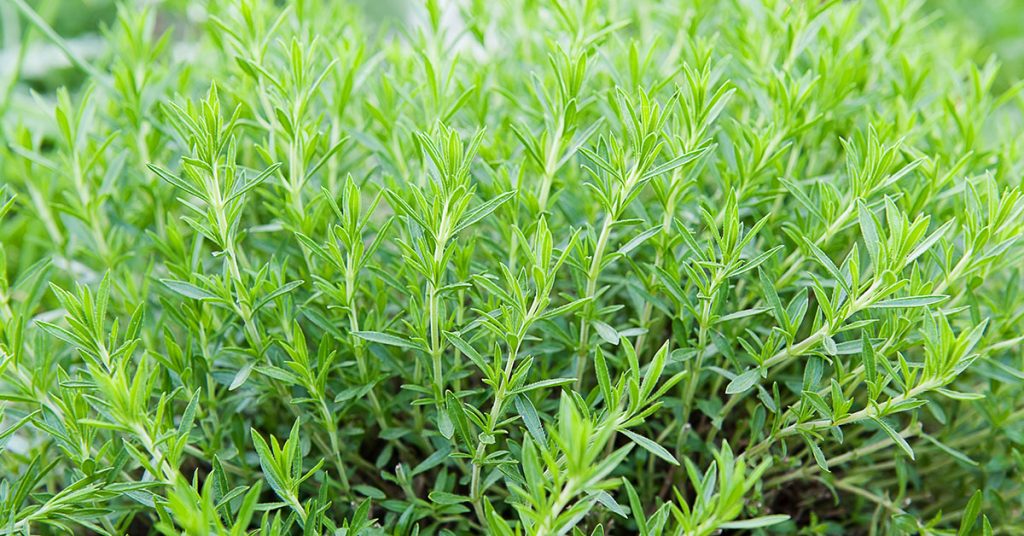
Tarragon is an elegant perennial herb that brings a touch of sophistication to any fall garden. Native to Siberia and parts of North America, tarragon is best known for its distinctive, anise-like flavor that adds a unique twist to sauces, dressings, and roasted dishes. This herb prefers full sun and well-drained soil, and it’s relatively drought-tolerant once established. Tarragon’s slender, delicate leaves create a lovely, airy texture in garden beds or containers, and its light green color offers a nice contrast to deeper foliage.
Tarragon is not considered invasive, but it does spread slowly via rhizomes, so be mindful of where you plant it if space is limited. What I love about tarragon is that it’s incredibly low-maintenance—just plant it in a sunny spot, and it will thrive with minimal care. Tarragon also attracts pollinators when it blooms with tiny greenish-white flowers in the summer. Plus, it has a reputation for repelling pests like mosquitoes, making it a pleasant addition to outdoor seating areas. It’s one of those herbs that brings both beauty and function to the garden!
Lemon Balm: The Soothing Scent
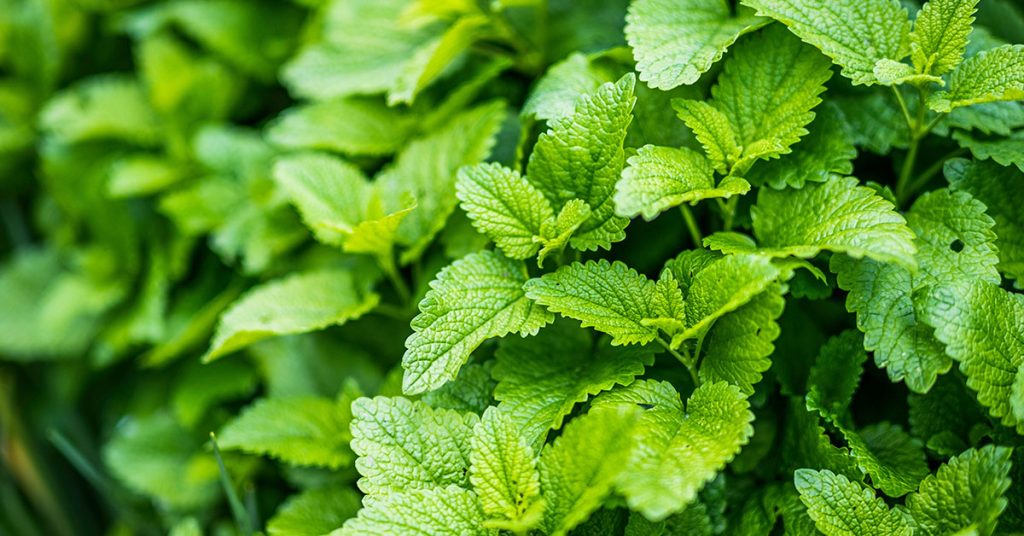
Lemon balm is a delightful perennial herb that adds a bright, lemony scent to your fall garden. Native to Europe and the Mediterranean, lemon balm is a member of the mint family and, like its relatives, can spread quite vigorously if not kept in check. However, its lovely fragrance and soft green leaves make it well worth a spot in any garden. I love using lemon balm in teas, salads, and desserts, and its calming properties are perfect for promoting relaxation.
Lemon balm thrives in full sun to partial shade and well-drained soil, making it a versatile choice for different garden conditions. While it can become invasive, you can easily manage its growth by planting it in containers or regularly trimming back its runners. Lemon balm is fantastic for attracting bees, butterflies, and other pollinators, and its flowers provide a valuable nectar source late in the season. Plus, the leaves are said to help repel mosquitoes, making it a great choice for areas near patios or outdoor seating.
Lovage: The Underrated Giant
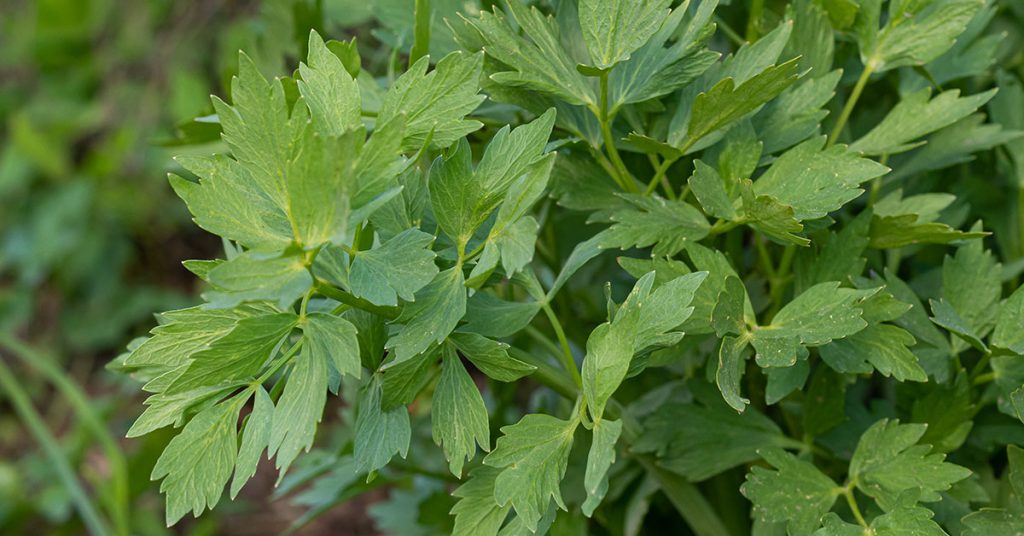
Lovage is an herb that doesn’t get nearly enough love, in my opinion! Native to southern Europe and parts of Asia, lovage is a tall, stately perennial that can reach up to 6 feet in height, adding a dramatic vertical element to your garden. Its leaves have a flavor reminiscent of celery, but stronger, and it can be used in soups, stews, and salads. Lovage thrives in full sun to partial shade and prefers rich, well-drained soil.
Lovage is not considered invasive, but its large size means it needs some space to stretch out. I love planting it at the back of a garden bed, where its tall stems provide a backdrop for smaller plants. Lovage flowers in late spring to early summer with small yellow-green umbels that attract beneficial insects like ladybugs and hoverflies, which help keep garden pests in check. It’s a hardy, low-maintenance plant that can add both flavor and structure to your fall garden—definitely a winner in my book!
Embracing Perennial Herbs for a Year-Round Garden

Using perennial herbs in your fall garden is a fantastic way to keep your space vibrant and productive as the seasons change. From the rich, earthy aroma of rosemary to the bright zest of lemon balm, these herbs bring so much to the table—not just in flavor but also in beauty and wildlife support. They’re tough, adaptable, and come back year after year, making them a sustainable choice for any gardener.
So, whether you have a sunny corner that needs filling, a container that could use some color, or a path that would benefit from a fragrant border, there’s a perennial herb out there for you. Don’t be afraid to experiment and find the ones that work best in your garden. Trust me, once you start growing these wonderful plants, you’ll wonder how you ever gardened without them.