

As the days grow shorter and the air begins to carry that crisp hint of fall, it’s the perfect time to think about extending your garden’s productivity right into the chilly months. Root vegetables are your best friends for a late fall harvest because they thrive in cooler temperatures and can tolerate the light frosts that might make other veggies shiver! Whether you’ve been gardening for years or are just getting your hands dirty for the first time, there’s something uniquely satisfying about pulling up a carrot or beet from the earth, especially when the season feels like it should be winding down.
The great thing about root vegetables is that they don’t just provide you with a delicious, hearty harvest; they also play an essential role in your garden’s ecosystem. Many root vegetables can help break up compacted soil, attracting earthworms that will further aerate and nourish the ground. And let’s not forget how these plants can be a food source for beneficial insects, like predatory beetles, that love to nest in the loose soil around them. So, let’s dive into some of the best root veggies to plant for a late fall harvest, each with its quirks and charms!
Radishes: The Quick Fix for Fall
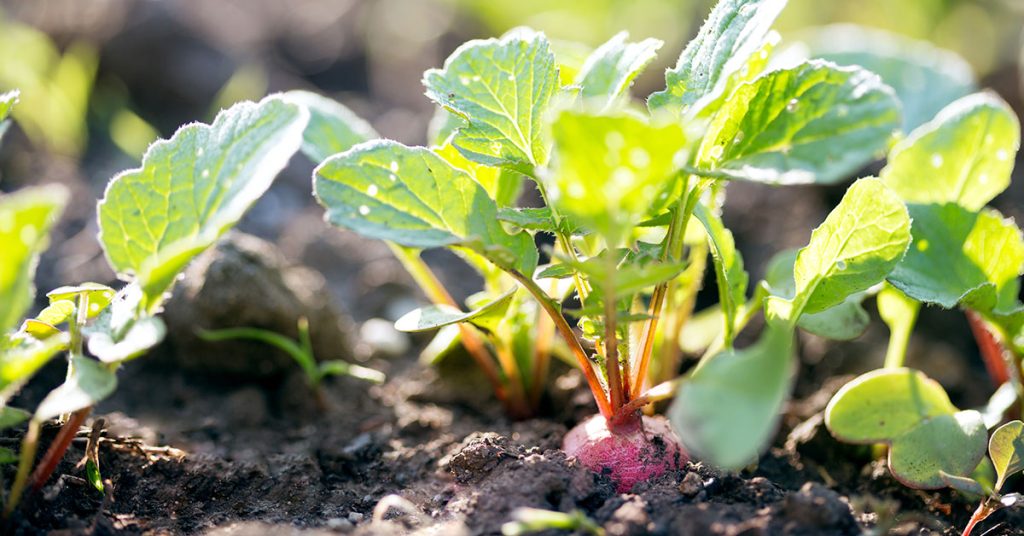
Radishes are one of my absolute favorites when it comes to fast-growing root vegetables that deliver big on flavor! Originating from Southeast Asia, these crunchy delights are quick to mature, often ready to harvest in just 30 days. This speedy growth makes them a perfect candidate for succession planting, so you can have a continuous harvest well into the late fall. Plus, their spicy, peppery taste adds a zing to salads and soups, making them a versatile kitchen staple.
But it’s not just their taste and speed that make radishes a fall favorite. Radishes are a wonderful companion plant, known to deter pests like cucumber beetles and aphids with their strong scent. They also attract pollinators such as bees, which will be beneficial for any late-flowering plants in your garden. And if you leave a few radishes to bolt, their flowers provide nectar for beneficial insects like hoverflies, whose larvae feed on aphids – nature’s way of pest control! Just be mindful that radishes are not invasive, but they can self-seed if left to flower and go to seed, so keep an eye on them if you want to avoid a radish takeover!
Turnips: A Dual-Purpose Delight
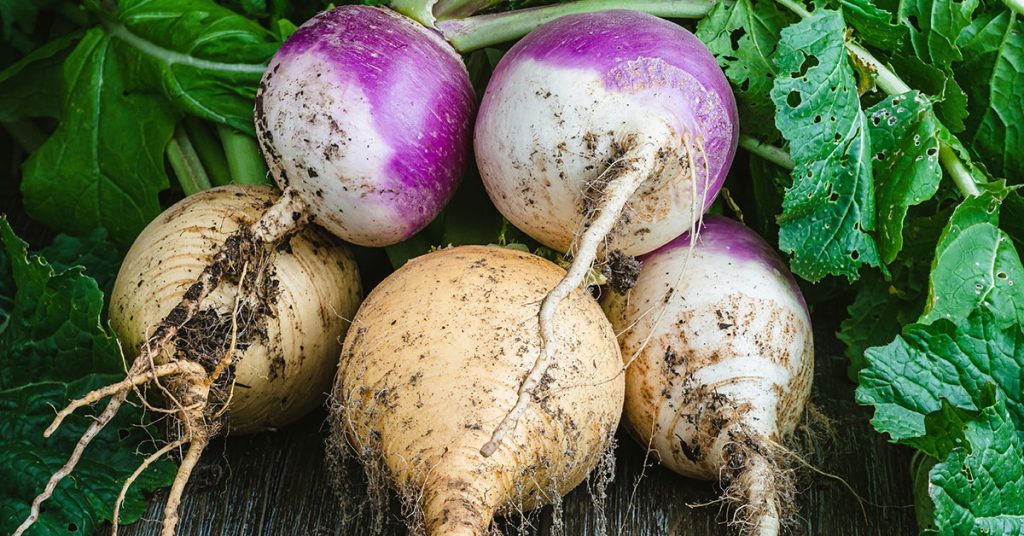
Turnips are like the multitaskers of the root vegetable world, providing both tender greens and sweet, starchy roots to enjoy throughout the fall. Native to Europe and Asia, turnips have been cultivated for thousands of years, prized for their resilience and versatility. They thrive in cool weather, and their roots develop an even sweeter flavor after the first frost, making them an excellent choice for your late fall garden.
But there’s more to turnips than meets the eye! Turnips are incredibly valuable for building soil health. Their robust root systems break up compacted soil, improving aeration and drainage, which benefits the entire garden ecosystem. And did you know turnips can act as a “trap crop” for pests like flea beetles? Planting turnips around more vulnerable crops can attract these pests away, keeping your other plants safer. While they aren’t considered invasive, turnips do tend to self-seed if left unchecked, so harvest them promptly if you don’t want surprise turnip patches next year!
Beets: The Sweet Treat with a Deep History
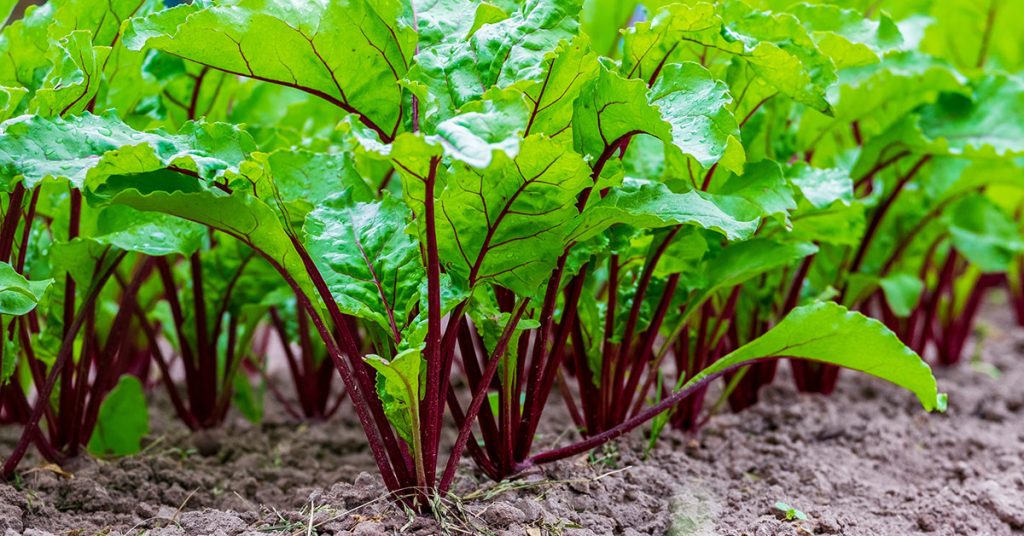
Oh, beets – where do I even start? Beets are one of those vegetables that can truly make you feel like a gardening pro. Native to the Mediterranean region, these vibrant root veggies have been cultivated for their deep, earthy sweetness for centuries. Their roots are famously hardy, capable of withstanding frosts that would make other plants wilt. But their tender, nutrient-rich greens are just as valuable, offering a bonus harvest when you trim them carefully.
Beets also play a unique role in the garden. They help to improve soil structure by breaking up compacted layers, and their lush foliage provides ground cover that can shade out weeds and help retain moisture in the soil. Beets are not considered invasive, but they do have a somewhat slow germination process. This can sometimes make them seem stubborn to sprout, but once they do, they flourish! Plus, beets are excellent for attracting earthworms, which love to nestle around the roots, enriching the soil with their castings. It’s a beautiful example of how a single plant can enhance the whole garden environment!
Carrots: The Sweet Reward for Patience

Carrots are the quintessential root vegetable, and with good reason! Originating from Persia, these orange gems (or purple, yellow, and white, if you like variety) thrive in the cooler months, developing their sweetest flavor when the temperatures start to dip. They might take a little longer to mature – usually around 70 to 80 days – but the reward is worth the wait. Imagine pulling up a perfectly formed carrot on a crisp fall day; it’s pure gardening joy.
Carrots are known for their deep taproots, which help break up compacted soil and can even help to aerate the subsoil. This is great news if you’re dealing with heavy clay or compacted areas in your garden. Carrots also attract a variety of beneficial insects, such as parasitic wasps, which nest around them and help control other garden pests. While not invasive, carrots can be a bit tricky to grow because they need well-drained, loose soil to form straight roots. But don’t be discouraged if your carrots come out looking a little funky – they’ll taste just as delicious!
Parsnips: The Cold Weather Warrior

Parsnips are the unsung heroes of the root vegetable world, often overlooked but always delightful. Native to the Mediterranean, these pale, creamy roots are champions of cold weather, becoming even sweeter as the temperatures drop. In fact, a light frost or two can transform their flavor, turning the starches into sugars for an unexpectedly sweet taste. Parsnips take a bit longer to mature – around 100 to 120 days – but they can stay in the ground well into winter, even through snow!
Parsnips are also wonderful for your soil. Their long taproots reach deep, pulling up nutrients from the lower layers of soil that other plants might miss. They’re fantastic for breaking up tough soils and attracting beneficial soil organisms that help aerate and improve overall soil health. And parsnips have another trick up their sleeve: their flowers, if left to bloom, attract pollinators and beneficial predatory insects that help keep your garden balanced. While parsnips aren’t invasive, their seeds can spread easily if you let them flower, so keep an eye on them to avoid a parsnip takeover!
Rutabagas: The Scandinavian Staple

Rutabagas, often confused with turnips, are a lovely addition to any fall garden. These hardy vegetables, native to Scandinavia, are a cross between cabbage and turnips, bringing together the best of both worlds. They require a longer growing season – around 90 to 100 days – but they’re worth the wait. Rutabagas develop their best flavor after a couple of frosts, becoming sweeter and more tender, perfect for mashes, stews, or even roasted!
What makes rutabagas a great addition to your fall garden isn’t just their taste; they’re also remarkably good for your soil. Their deep roots help break up heavy soils and bring nutrients closer to the surface, where other plants can access them. Rutabagas are not considered invasive, but they can self-seed if left to flower, which might be a bonus if you love them as much as I do! And don’t forget – their flowers attract pollinators and beneficial insects, helping to keep the garden buzzing with activity even as the days get shorter.
So there you have it – a collection of root vegetables that will keep your garden productive and your kitchen stocked with delicious, nutrient-packed produce all through the fall. Whether you’re looking for quick-growing radishes or patient, sweet parsnips, there’s a root vegetable that’s perfect for your late fall harvest.