

Fall is the perfect time to grow greens! As the temperatures drop, many greens thrive, becoming sweeter and more flavorful. Plus, there’s something so satisfying about harvesting fresh produce from your garden when most other plants are winding down. I know how frustrating it is when the garden feels like it’s losing its vibrancy, but with the right fall greens, you can keep your garden lush and productive well into the cooler months. Whether you’re a seasoned gardener or just starting, fall greens are a fantastic addition to your planting routine.
From hearty kale to tender spinach, there are plenty of options that can withstand the chill of autumn. These greens don’t just offer delicious, nutritious additions to your meals; they’re also great for attracting beneficial insects and providing habitat for wildlife. Let’s dive into some of the best fall greens you can grow, along with tips on how to keep them happy and healthy all season long!
Kale
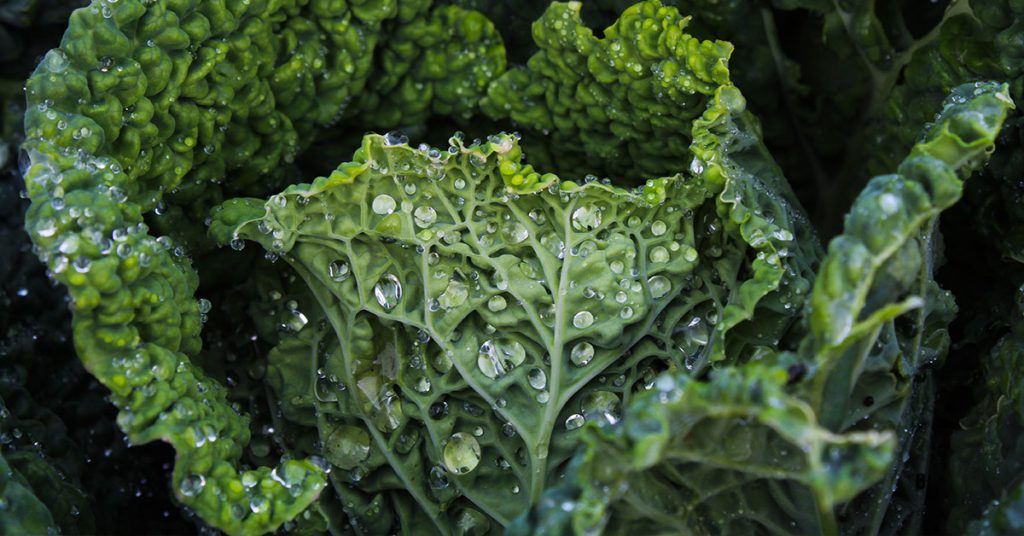
Kale is a superstar when it comes to fall gardening! Native to the eastern Mediterranean and Asia Minor, kale is a hardy green that loves cooler weather and can withstand light frosts, which actually improve its flavor, making the leaves sweeter. There are many varieties to choose from, like curly kale, Lacinato (dinosaur) kale, and Red Russian kale, each offering its own unique texture and taste. I love watching kale transform in the fall garden; it stands tall and proud, and the deep green or purple leaves provide a striking contrast against the autumn backdrop.
Kale is also fantastic for wildlife. Its thick leaves provide shelter for beneficial insects, such as ladybugs, which help keep aphid populations in check. Birds are often attracted to the seeds if you let the plant flower and bolt, which can add a bit of lively bird activity to your garden in late fall. Kale is not considered invasive and is relatively easy to grow, making it a great choice for gardeners looking to keep their beds productive well into the colder months.
Spinach
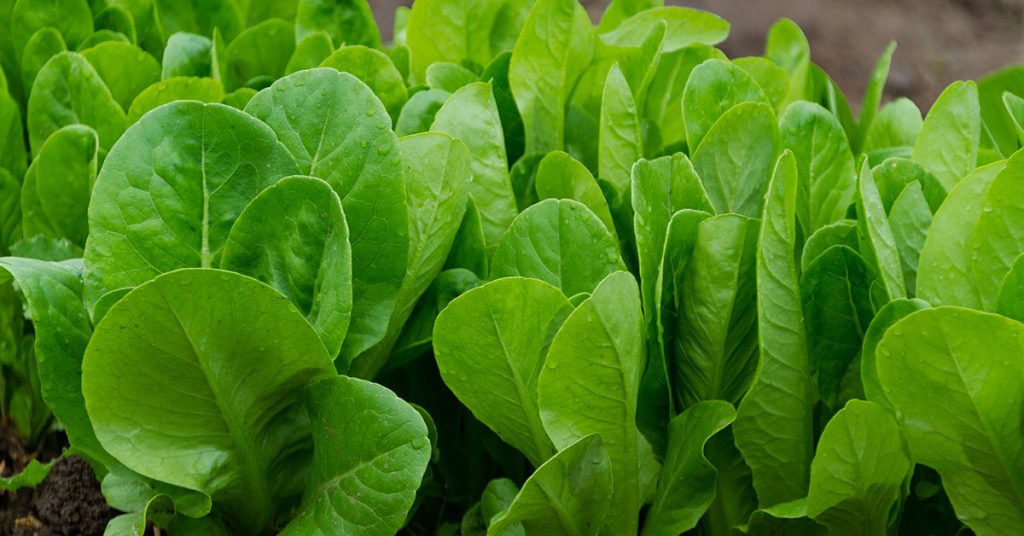
Spinach is another fantastic green to grow in the fall. Native to central and southwestern Asia, spinach loves the cooler temperatures of autumn and grows quickly, providing you with tender, flavorful leaves in just a few weeks. There are different varieties, such as savoy, semi-savoy, and flat-leaf, each with its unique texture and flavor profile. Spinach is incredibly versatile in the kitchen, perfect for salads, soups, and even smoothies, making it a must-have in any fall garden!
This leafy green also offers benefits beyond the dinner table. It’s a favorite of many beneficial insects, including predatory beetles that help control pests in the garden. Spinach is also an excellent companion plant, helping to deter certain pests like leaf miners when planted alongside other crops. Plus, spinach isn’t invasive, so you don’t have to worry about it taking over your garden. I find spinach so rewarding because it grows quickly and is incredibly resilient—even in a bit of frost!
Swiss Chard
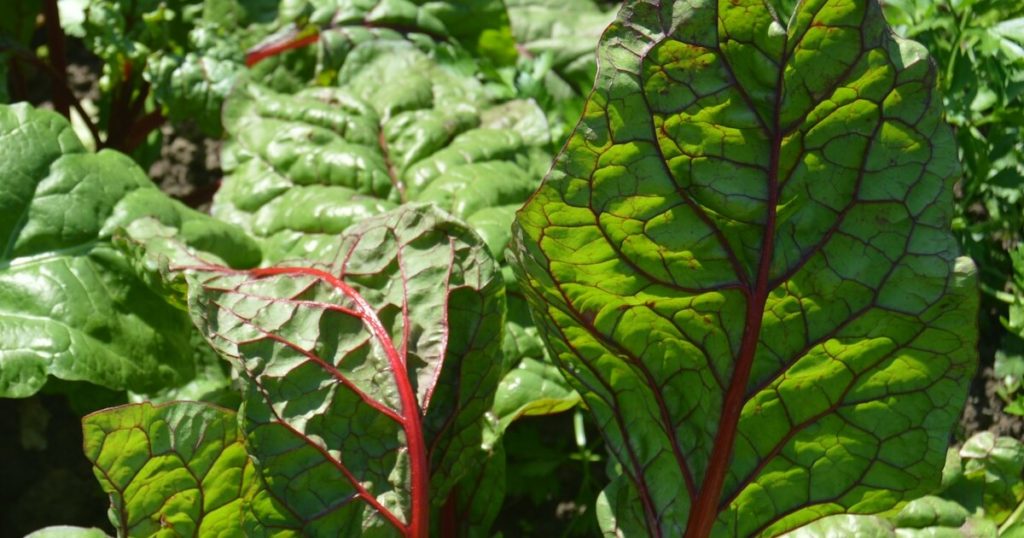
Swiss chard is one of those greens that truly shines in the fall. Originating from the Mediterranean region, Swiss chard is closely related to beets and is known for its colorful stalks and deep green leaves. It’s a cold-hardy plant that can survive light frost and even bounce back from an unexpected snowfall. The vibrant red, yellow, and white stems add a splash of color to your garden beds, making it as decorative as it is delicious. I find that Swiss chard’s eye-catching colors are a great way to keep my garden looking lively well into the fall!
Beyond its visual appeal, Swiss chard is a magnet for pollinators like bees, which are still active on warm autumn days. Allowing a few plants to bolt and flower can provide a late-season nectar source for these essential insects. Swiss chard is not considered invasive, and its large leaves can also provide cover for small ground-dwelling creatures, adding to the overall biodiversity of your garden. It’s a hardy, versatile green that keeps on giving!
Arugula
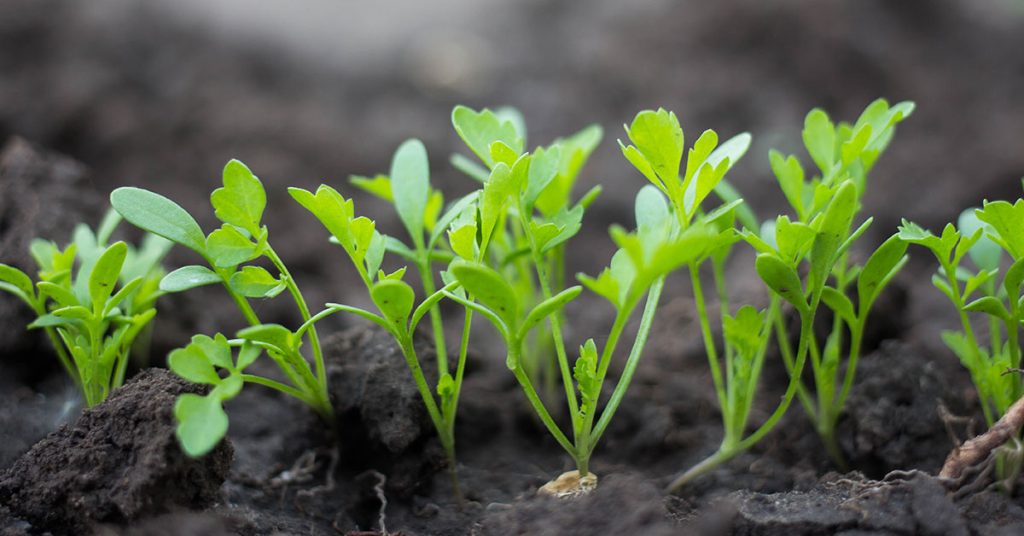
Arugula, also known as rocket, is another fall favorite that brings a peppery kick to your salads and dishes. Native to the Mediterranean region, arugula thrives in cooler weather and can be harvested just a few weeks after planting. Its quick growth makes it perfect for fall planting, and because it prefers cooler temperatures, the flavor is milder and less bitter than summer-grown arugula. I adore its distinctive, zesty flavor—it’s such a delightful contrast to milder greens!
Arugula is also a great choice for attracting beneficial insects. Its small white flowers, if left to bloom, can attract bees and other pollinators. Arugula is also relatively pest-resistant, making it an easy and low-maintenance option for your fall garden. It’s not invasive, and it pairs beautifully with other greens, both in the garden and on the plate. I often find myself snipping leaves right into my salad bowl—it doesn’t get fresher than that!
Mustard Greens
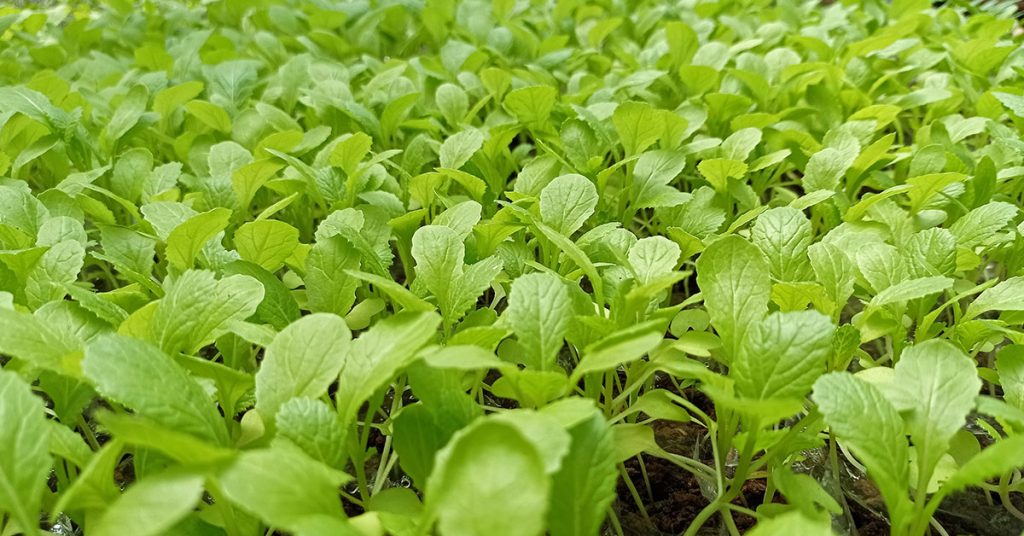
Mustard greens are another excellent choice for the fall garden. These greens, which are native to the Himalayan region of India, offer a spicy, slightly bitter flavor that adds a kick to any dish. Mustard greens are incredibly cold-hardy and can tolerate light frosts, which actually improve their flavor. There are many varieties, from the frilly ‘Curly Mustard’ to the broad-leafed ‘Giant Red,’ each bringing a unique texture and taste to your fall garden. I love how they add a bit of spice and excitement to my fall salads!
Mustard greens are also fantastic for soil health. They are considered biofumigants, meaning they can help suppress soil-borne diseases and pests when their roots break down. Mustard plants can also attract beneficial insects like parasitic wasps and hoverflies, which prey on common garden pests. And, unlike some greens, mustard is not invasive, so you can plant as much as you like without worry. It’s a great way to add some heat to your plate and your garden!
Mizuna

Mizuna is a less common but incredibly rewarding fall green that’s perfect for adding variety to your garden. Native to Japan, mizuna is a type of mustard green with a milder, slightly peppery flavor. Its delicate, deeply serrated leaves add a unique texture to salads and stir-fries, and it grows quickly in cool weather, making it ideal for fall planting. I find mizuna’s flavor to be a lovely balance between the sharpness of arugula and the heartiness of kale—perfect for mixing things up!
Mizuna is also a great plant for companion planting. It tends to attract beneficial insects like ladybugs and lacewings, which help control aphids and other pests. Because it grows quickly, it can act as a “trap crop,” drawing pests away from more vulnerable plants. And like the other greens on this list, mizuna is not invasive, so you don’t have to worry about it spreading beyond your garden’s borders. It’s a great addition for anyone looking to diversify their fall garden!
Tatsoi

Tatsoi, sometimes called “spoon mustard” because of its spoon-shaped leaves, is a delightful Asian green that thrives in cool weather. Native to Japan, this compact plant forms a rosette of dark green, glossy leaves that are packed with flavor and nutrients. Tatsoi is incredibly cold-hardy, capable of surviving temperatures as low as 15°F, making it a fantastic option for fall and even winter gardening. I’ve found that it’s one of those greens that tastes even better after a light frost—it’s like nature’s way of adding seasoning!
Tatsoi is not only delicious but also beneficial to your garden’s ecosystem. Its dense foliage can provide shelter for small ground-dwelling creatures, and its flowers, if left to bloom, attract a range of pollinators. Because tatsoi grows so close to the ground, it also makes an excellent living mulch, helping to suppress weeds and retain soil moisture. And don’t worry—it’s not invasive, so it won’t overrun your garden. It’s one of those greens that’s as beautiful as it is practical!
Collard Greens
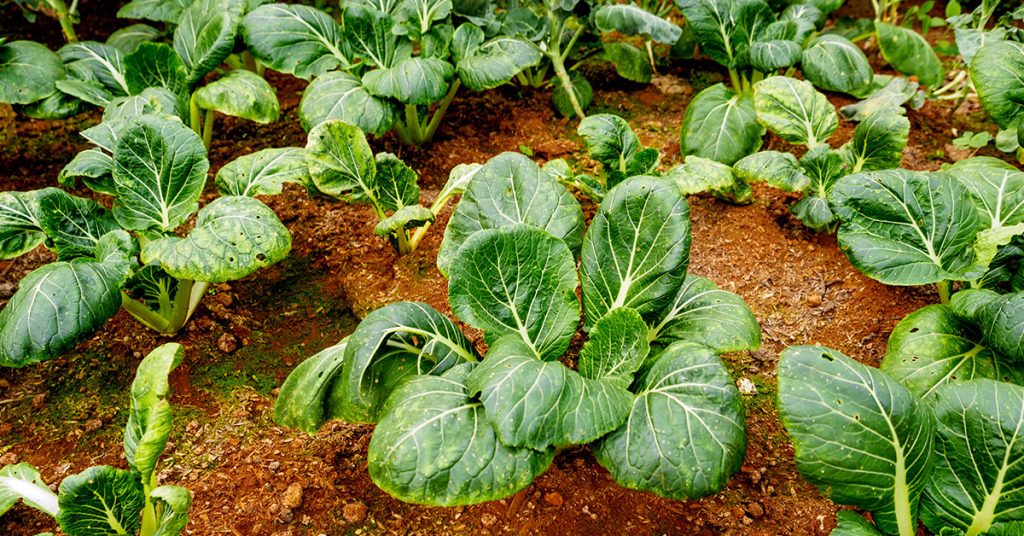
Collard greens are another fantastic choice for the fall garden, especially if you love robust, hearty greens. Native to the eastern Mediterranean region, collards are known for their large, thick leaves that can stand up to even the coolest fall temperatures. In fact, like kale, collard greens often taste sweeter after a frost, making them an excellent choice for fall planting. I love how their sturdy leaves add substance to soups and stews—they’re the ultimate comfort food green!
Collards are also a great choice for supporting wildlife. The leaves provide cover for beneficial insects, while the flowers, if allowed to bolt, offer nectar for pollinators. Additionally, collards are known to attract predatory insects that help keep pests in check, contributing to a healthy garden ecosystem. They are not considered invasive and are relatively easy to grow, making them perfect for gardeners of all skill levels who want a steady supply of nutritious greens.
Growing fall greens is an incredibly rewarding way to extend your gardening season and enjoy fresh, nutritious produce well into the cooler months. With a mix of hardy, flavorful greens like kale, spinach, Swiss chard, arugula, mustard greens, mizuna, tatsoi, and collards, you’ll have a diverse garden that offers not just great flavors but also supports a healthy ecosystem.