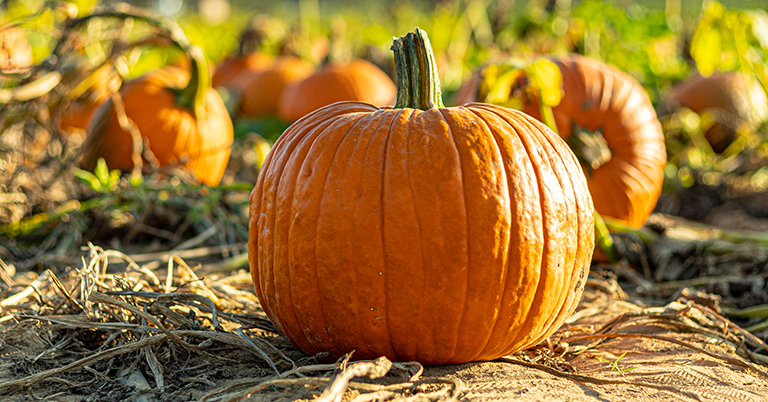

September is such an exciting month in the garden, especially when it comes to harvesting pumpkins and squash! There’s nothing quite like seeing those vibrant orange pumpkins and colorful squash peeking out from beneath their leafy vines. But knowing when and how to harvest them properly can make all the difference in how long they’ll last and how flavorful they’ll be. If you’ve been wondering how to make the most of your fall harvest, you’re in the right place!
I know how frustrating it can be to pick a pumpkin too early or to find that your squash has gone soft in storage. That’s why I’m so passionate about getting it right! By taking a few simple steps, you can enjoy your harvest well into the winter months. Let’s dive into the best practices for harvesting and storing your pumpkins and squash so you can savor the fruits of your labor for as long as possible!
Know When to Harvest
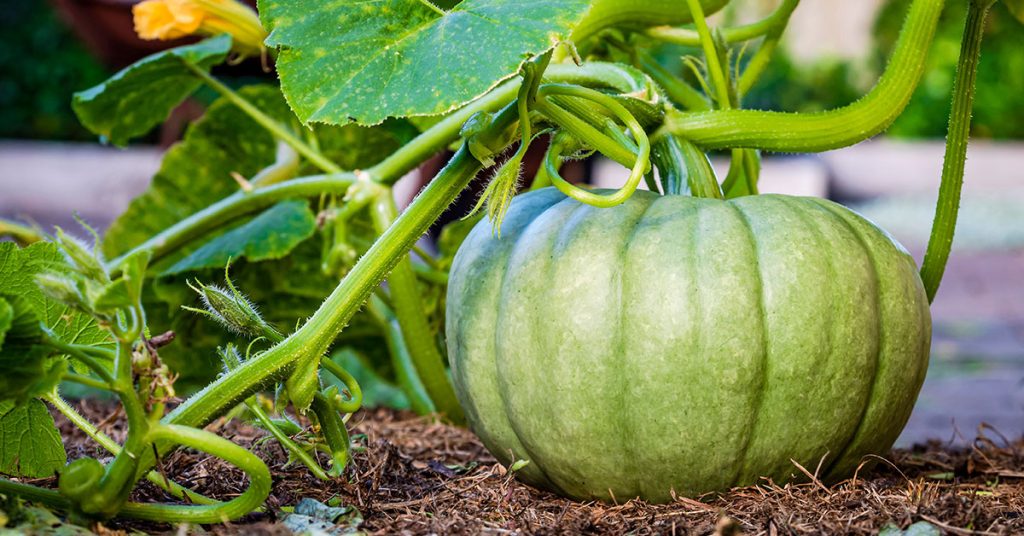
Timing is everything when it comes to harvesting pumpkins and squash! To know when they’re ready to be picked, look for visual cues like color and texture. Pumpkins should have a deep, rich color — whether that’s orange, white, or another hue, depending on the variety — and a hard, tough skin that can’t be easily pierced by your fingernail. For squash, the skin should also be firm and glossy, without any soft spots or blemishes. If you’re in doubt, try pressing a thumbnail gently against the rind; if it resists puncture, it’s ready!
It’s also important to check the vines. When the leaves start to turn brown and die back, it’s a sign that the fruits are maturing and should be harvested soon. Don’t wait too long, though! If frost is in the forecast, make sure to harvest your pumpkins and squash beforehand, as frost can damage their skin and shorten their storage life. I always feel a little thrill when I find that perfect moment to harvest — it’s like striking gold in the garden!
Use the Right Tools
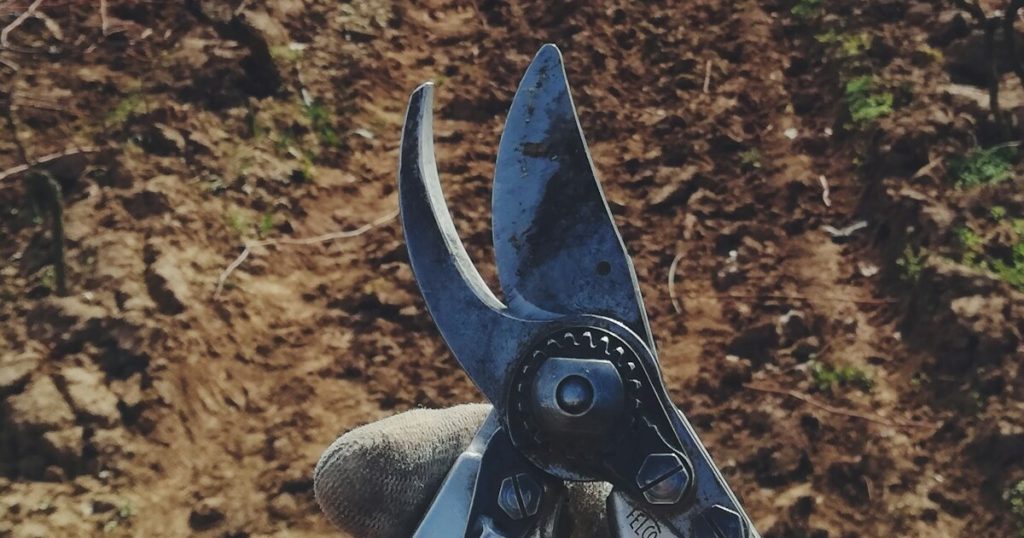
When it’s time to harvest, having the right tools on hand makes the job easier and safer for both you and your plants. Use a sharp knife or pruning shears to cut the fruit from the vine, leaving a few inches of stem attached. The stem acts like a natural seal, preventing rot and extending the shelf life of your pumpkins and squash. Be gentle with your cuts; you don’t want to damage the fruit or the vines. I’ve learned this the hard way — a clean cut really does make all the difference!
And don’t forget to wear gloves if you’re handling particularly thorny vines! Some squash varieties, like zucchini, can have spiky stems that are no fun to deal with. By being prepared with the right tools, you’ll make the harvest process smoother and more enjoyable. Plus, there’s something so satisfying about cutting that perfect pumpkin off the vine and knowing it’s ready for the months ahead.
Cure Them for Longer Storage

Curing is a crucial step that can significantly extend the storage life of your pumpkins and squash. After harvesting, leave them out in a warm, sunny spot for about 7 to 14 days. This helps harden their skins and heal any small cuts or bruises, creating a natural barrier against mold and decay. If the weather is rainy or you’re expecting a frost, cure them indoors in a warm, well-ventilated area like a greenhouse or garage.
Curing also improves the flavor of your squash and pumpkins, making them sweeter and more delicious! It’s a bit like letting them ripen to perfection. I always find it so satisfying to cure my harvest — it feels like giving them a final bit of love before they head to storage. And believe me, it’s worth the wait; your pumpkins and squash will thank you by lasting well into the winter months!
Store Them Properly
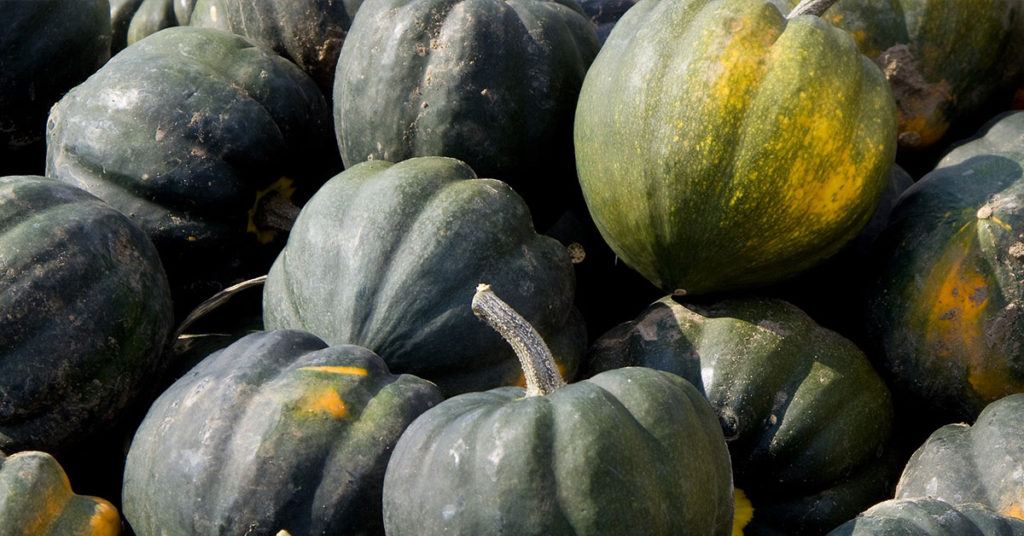
Once your pumpkins and squash are cured, it’s time to find the perfect storage spot. Choose a cool, dry, and dark place with good air circulation, like a basement, cellar, or pantry. Ideally, the temperature should be between 50-60°F (10-15°C). Too warm, and they’ll start to rot; too cold, and they might freeze or develop chilling injury, which causes them to spoil faster. I always make sure to check my storage area regularly to ensure it’s maintaining the right conditions.
Keep your pumpkins and squash off the floor by placing them on wooden slats or shelves. This prevents moisture buildup and allows air to circulate around the fruit, reducing the risk of rot. And try not to let them touch each other — a little space between each one helps prevent any mold from spreading. I like to line mine up neatly and admire my beautiful harvest, knowing they’re tucked away safely for the months ahead!
Monitor for Signs of Spoilage
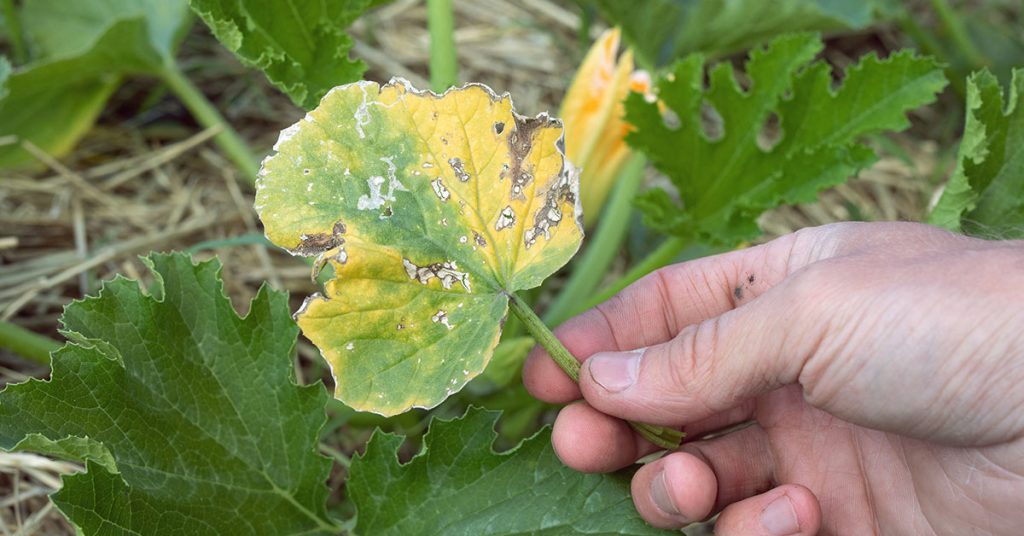
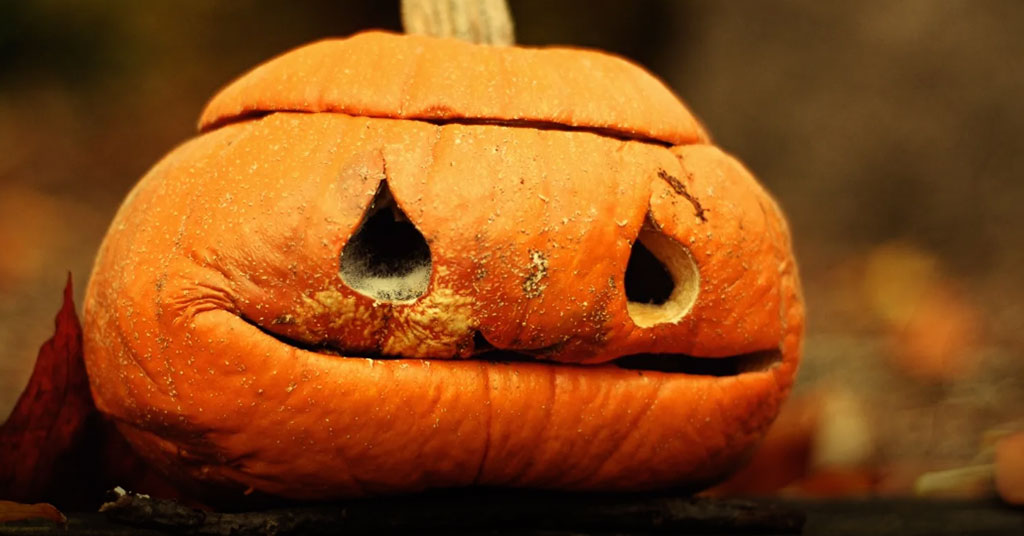
Even with the best storage practices, it’s important to keep an eye on your pumpkins and squash for signs of spoilage. Check them every week or so for any soft spots, mold, or shriveling. If you notice any issues, remove the affected fruit immediately to prevent it from spoiling the rest of your harvest. I’ve learned that a little vigilance goes a long way in keeping my stored produce in top condition.
While it might feel tedious, I promise it’s worth it! It’s such a bummer to find a rotten pumpkin that’s ruined the whole batch. Regularly checking and rotating your squash and pumpkins ensures you’ll be able to enjoy them for months to come. Plus, it’s always a joy to reach into storage and pull out a perfect, unblemished fruit when you’re ready to cook up a fall favorite!
Use Them Up Creatively
Don’t just let your pumpkins and squash sit in storage — get creative and enjoy them in all kinds of delicious ways! From soups and stews to roasted vegetables and pies, there are countless recipes that highlight their unique flavors. I love experimenting with different dishes, like spicy squash curry or savory pumpkin bread. There’s nothing quite like the taste of homegrown produce, especially when you’ve put in all the hard work yourself!
And remember, these beauties aren’t just for eating! Pumpkins make wonderful fall decorations, whether you’re carving jack-o’-lanterns for Halloween or creating a rustic centerpiece for your Thanksgiving table. Squash can also be used in crafting — think of painting or decorating them for a fun, seasonal project. However you use them, make the most of your harvest and celebrate the fruits of your labor!
Save Seeds for Next Season
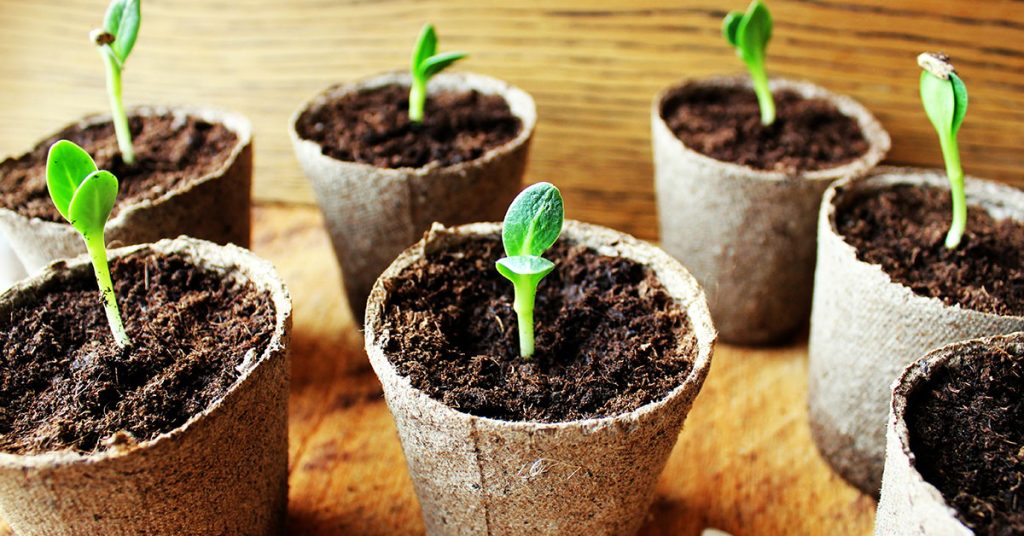
Why not think ahead to next year while you’re enjoying this year’s harvest? Saving seeds from your pumpkins and squash is a wonderful way to keep your favorite varieties growing in your garden. Choose the healthiest, most vibrant fruits for seed saving, and scoop out the seeds, rinsing them well to remove any pulp. Then, lay them out to dry on a paper towel in a cool, dark place for about a week.
Once dry, store the seeds in a paper envelope or airtight container, labeled with the variety and date. Keep them in a cool, dry place until spring, when you’re ready to plant. I love knowing that I’m continuing the cycle, growing plants from seeds I’ve saved myself. It’s such a rewarding feeling, and it connects you even more deeply to your garden!