

September is the perfect time to give your garden some love and attention with a good cleanup! As the weather starts to cool and the days get shorter, many of our plants begin to wind down, and it’s important to prepare the garden for the upcoming months. A thorough September cleanup will not only make your garden look tidy and well-kept, but it will also help prevent diseases, reduce pests, and set the stage for a healthier and more productive garden next year.
I know the idea of cleaning up the whole garden might sound daunting, especially if you’ve let things go a bit over the summer. But don’t worry, you’re not alone — we’ve all been there! With a little planning and some helpful tips, you can tackle this task step-by-step and enjoy the process. Let’s get started on making your garden look and feel fantastic!
Clear Out Dead and Diseased Plants

The first step in any garden cleanup is to remove any dead or diseased plants. These plants can harbor pests and diseases that can spread to healthy plants if left unchecked. Start by cutting back any perennials that have finished blooming and removing any annuals that have reached the end of their life cycle. I always make sure to dispose of any diseased plant material in the trash, not the compost pile, to prevent the spread of pathogens. It’s such a simple step, but it can make a huge difference in the health of your garden!
When you’re clearing out old plants, keep an eye out for any signs of disease or pest infestations, such as spots on leaves, wilting, or unusual growths. Removing these problems early can save you a lot of trouble next season! And while it might feel like you’re saying goodbye to some garden friends, think of it as making room for new growth. It’s all part of the garden’s natural cycle, and a little cleanup now means a healthier, happier garden in the spring.
Prune Perennials and Shrubs
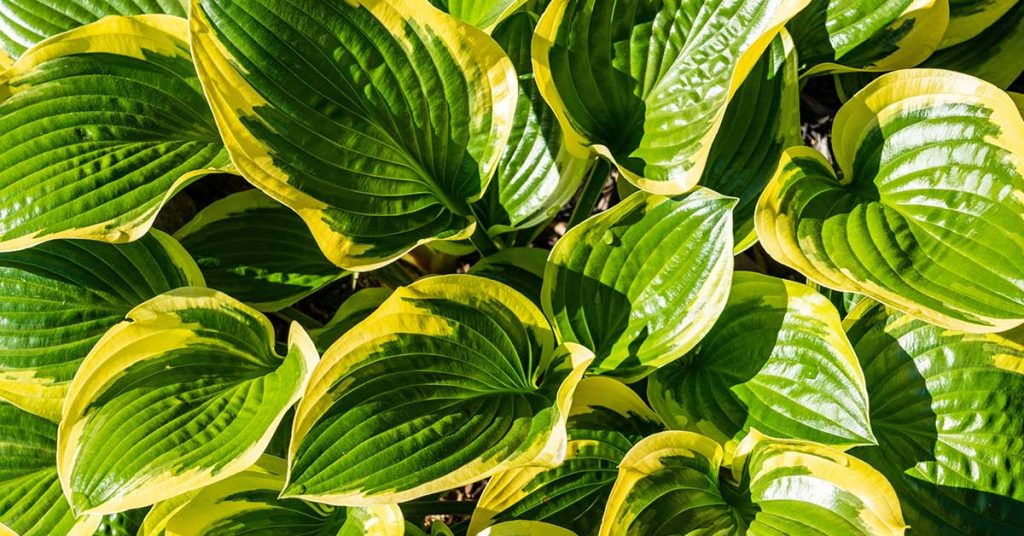
Pruning perennials and shrubs is another important part of a September garden cleanup. Cutting back perennials like coneflowers, hostas, and daylilies will help tidy up the garden and encourage healthy growth next year. Many perennials benefit from being cut down to about 6 inches from the ground, which can help prevent diseases and improve airflow. I’ve found that shrubs like hydrangeas and roses can also benefit from a light prune to remove any dead or damaged branches.
Remember, not all perennials need to be cut back in the fall. Some, like ornamental grasses and sedums, provide beautiful winter interest and offer seeds for birds to eat. I love leaving some plants standing over winter — it creates a habitat for wildlife and adds a lovely architectural element to the garden. Just make sure to research which plants in your garden prefer a fall prune and which ones are better left alone until spring.
Clean Up Fallen Leaves
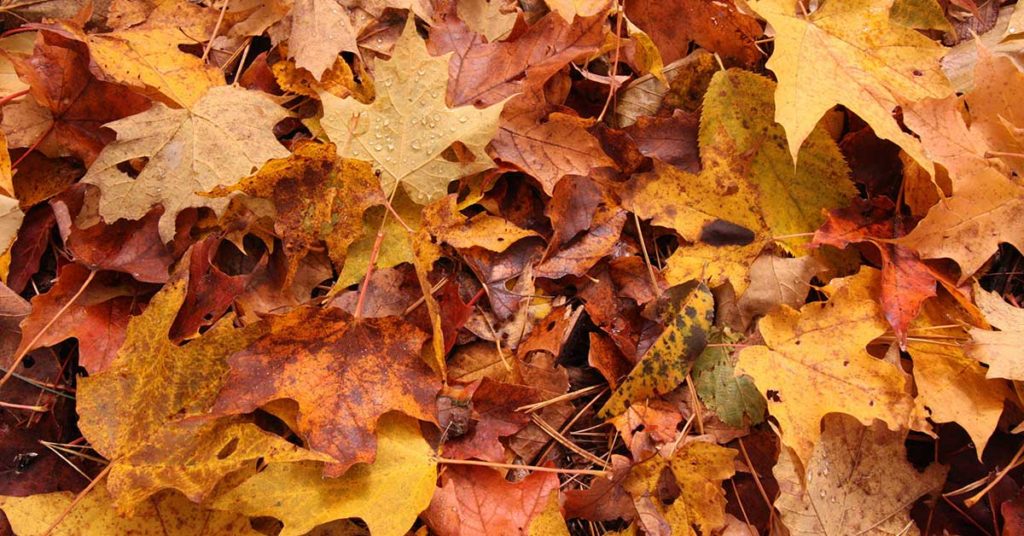
Fallen leaves can be both a blessing and a curse in the garden! While they provide excellent organic matter when composted or used as mulch, they can also harbor diseases if left to pile up in certain areas. I always start by raking leaves off my lawn and any paved areas to prevent them from smothering the grass or creating slippery spots. Then, I collect them to use as mulch in my flower beds or add them to my compost bin. There’s nothing like turning those beautiful fall leaves into gardening gold!
If you’re dealing with leaves from trees like oak or maple, which tend to break down more slowly, consider shredding them before using them as mulch or adding them to the compost. Shredded leaves decompose faster and are less likely to mat down and prevent water from reaching the soil. Plus, they provide a great habitat for beneficial insects like beetles and earthworms, which help improve soil health. It’s a win-win for your garden and the environment!
Divide and Transplant Perennials

September is a fantastic time to divide and transplant perennials that have outgrown their space or are looking a bit tired. Plants like daylilies, hostas, and bearded irises can benefit greatly from being divided every few years. Dividing perennials not only rejuvenates the plant but also gives you more plants to spread around your garden or share with friends! I find this task so rewarding — it’s like getting free plants with just a bit of effort.
When dividing perennials, make sure to water them well before and after the process to help them settle into their new home. It’s also a good idea to replant them in a spot with similar growing conditions to where they were thriving. And don’t forget to give them a little extra mulch and compost to help them establish quickly. Watching them bounce back with fresh growth is one of the joys of fall gardening!
Refresh Your Mulch

Speaking of mulch, fall is the perfect time to refresh it! A fresh layer of mulch helps retain soil moisture, suppress weeds, and regulate soil temperature. I like to use organic mulches like shredded leaves, straw, or wood chips, which also break down over time and enrich the soil with organic matter. Adding a couple of inches of mulch around your plants can make a big difference in how well they fare through the colder months.
Mulching in the fall has the added benefit of protecting plant roots from the freezing and thawing cycles that can heave them out of the ground. It also provides a safe haven for beneficial insects like ladybugs and ground beetles, which are great allies in the garden. There’s something so satisfying about laying down a fresh layer of mulch and knowing you’re setting the stage for a healthy garden next year!
Clean and Store Garden Tools
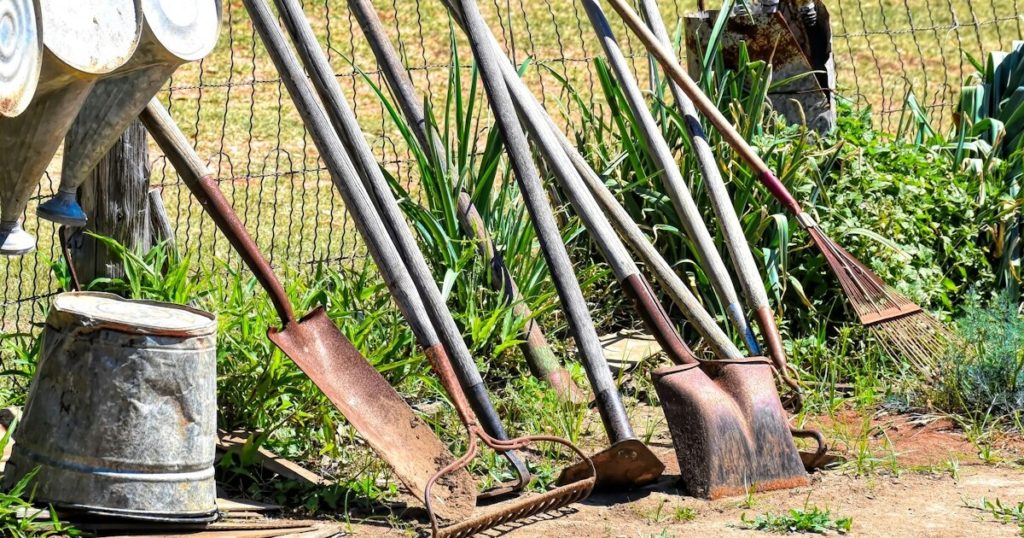
Don’t forget about your garden tools during your September cleanup! Clean, sharpen, and store your tools properly to keep them in good condition over the winter. Start by washing off any dirt and debris, then use a wire brush or sandpaper to remove rust. I like to give my tools a quick wipe down with a cloth dipped in vegetable oil to prevent rust and keep them looking shiny and new.
Properly maintained tools make garden tasks easier and more enjoyable, and they’ll last much longer too. Store your tools in a dry place, such as a shed or garage, to prevent rust and damage. And don’t forget to check your garden hoses and other equipment for any leaks or wear and tear. A little care now can save you from having to replace them next spring!
Protect Vulnerable Plants
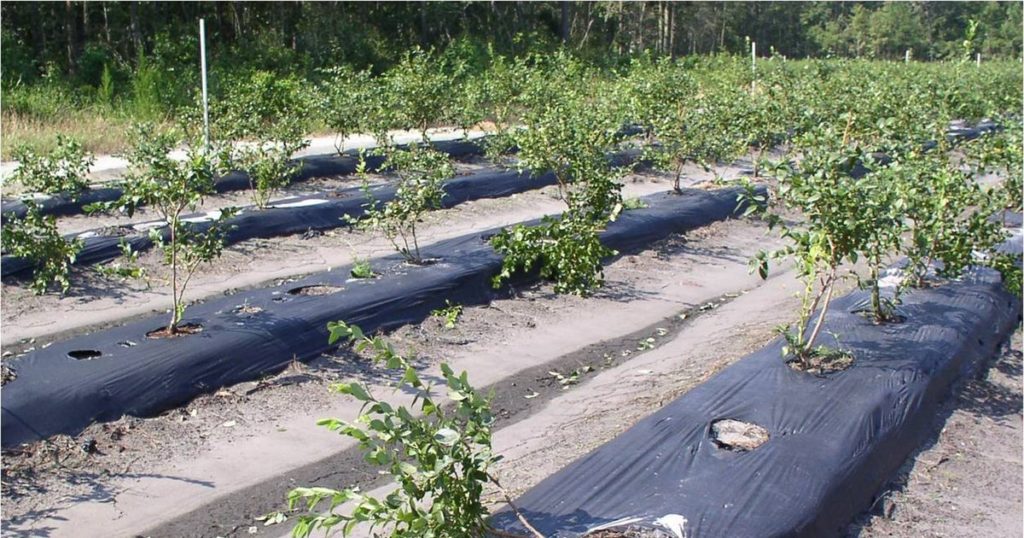
Some plants, particularly those that are marginally hardy in your zone, may need a little extra protection to survive the winter. Consider covering them with a layer of mulch or even burlap to shield them from harsh winds and fluctuating temperatures. Plants like tender roses or newly planted perennials can benefit from a little extra TLC. I always make sure to mound some compost or soil around the base of my roses — it’s a simple step that helps insulate them from the cold.
You can also use protective covers like cloches or row covers to protect more delicate plants. This is especially important for young or newly planted specimens that haven’t had time to establish their roots fully. It’s so frustrating to lose a beloved plant to an unexpected frost, so a little preparation now can go a long way in preventing heartbreak later!
Compost Garden Waste

As you tidy up your garden, don’t forget to compost any healthy plant material. Fallen leaves, spent annuals, and pruned branches can all be composted to create rich, fertile soil for next year. I love watching my compost pile grow with all the garden debris from my cleanup — it feels so satisfying to know that nothing is going to waste! Just remember to avoid composting any diseased or insect-infested material, as this could introduce problems to your compost.
Composting not only reduces waste but also creates a valuable resource for your garden. It’s a simple, sustainable way to build soil health and improve plant growth. Plus, turning over the compost pile on a crisp fall day is a great way to get a little extra exercise! And there’s nothing quite like the reward of digging into your finished compost next spring to find dark, crumbly soil that’s perfect for planting.
Take Care of the Lawn

If you have a lawn, don’t neglect it during your September cleanup! Aerate compacted soil to improve drainage and allow air and nutrients to reach the grass roots. You can rent an aerator or use a manual one to make small holes across your lawn. It might seem like extra work, but your lawn will thank you with thicker, healthier growth come spring! After aerating, top-dress with a thin layer of compost or sand to further improve soil structure.
Fall is also a good time to overseed any bare patches in your lawn. Choose a grass seed appropriate for your region and scatter it over the lawn, then water well to help it establish before winter. A healthy, well-maintained lawn can better withstand drought, pests, and diseases. Plus, it just looks great! And there’s nothing quite like the feel of soft, lush grass underfoot, especially when you know it’s the result of a little extra effort in the fall.