
Preparing your garden for drought in the fall might seem like an odd idea, but trust me, it’s one of the best things you can do for your plants! With unpredictable weather patterns becoming more common, it’s so important to set your garden up for success in all conditions, including those dry spells that can sneak up on us. Think of it as building resilience into your garden’s very foundation — a little preparation now can save you so much time and heartache down the road.
I know it can be frustrating to see your plants struggling in dry weather. We’ve all been there, watching leaves wilt and soil crack. But don’t worry, I’m here to guide you through a few simple steps to drought-proof your garden this fall. With a few strategic choices, you’ll have a healthier, more robust garden that can handle whatever nature throws its way!
Add Organic Matter to the Soil
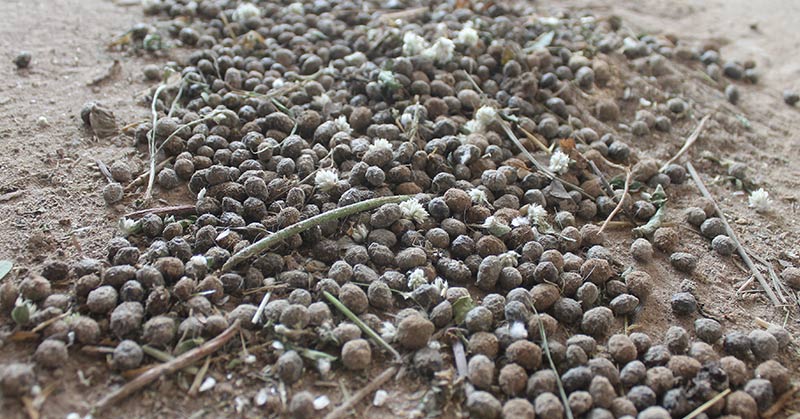
The first and possibly most important step to prepare your garden for drought is to improve your soil’s ability to retain moisture. This is where organic matter, like compost or well-rotted manure, comes in. By adding organic matter to your soil, you’re not only enriching it with nutrients, but also enhancing its structure. This helps the soil retain water, making it available to your plants for a longer period. Think of it as creating a sponge-like environment that holds onto water and slowly releases it to your plants’ roots.
I always like to spread a thick layer of compost over my garden beds in the fall. It’s such a simple step, but it has a profound impact! Not only does it help with water retention, but it also attracts beneficial organisms like earthworms and microbes that further improve the soil structure. Plus, compost breaks down slowly over time, providing a steady source of nutrients as it does. So, you’re basically giving your garden a long-lasting meal — who wouldn’t want that?
Choose Drought-Tolerant Plants

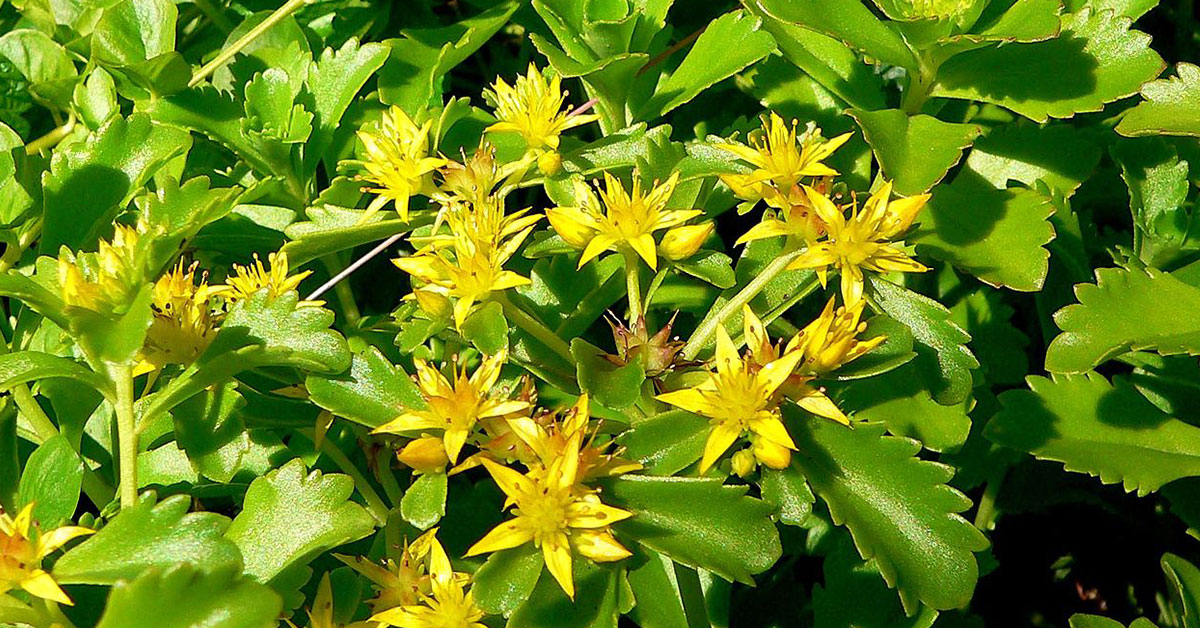
Plant selection is key when preparing for drought, and choosing the right plants can make all the difference. Look for drought-tolerant varieties that are native to your area or that thrive in dry conditions. For example, plants like lavender, yarrow, and sedum are known for their ability to withstand dry spells while still providing beauty and attracting pollinators. These plants typically have deep roots or leaves that are designed to conserve water, making them ideal for a drought-resistant garden.
I’ve fallen in love with lavender not just for its fragrance, but for its resilience. Originating from the Mediterranean, lavender is perfectly adapted to hot, dry conditions, and once established, it requires very little water. Plus, it attracts bees like crazy! You’ll have the added bonus of a garden buzzing with life, even during a drought. And remember, just because these plants are tough doesn’t mean they’re invasive; they’re well-behaved and happy to coexist with other garden favorites.
Apply a Thick Layer of Mulch
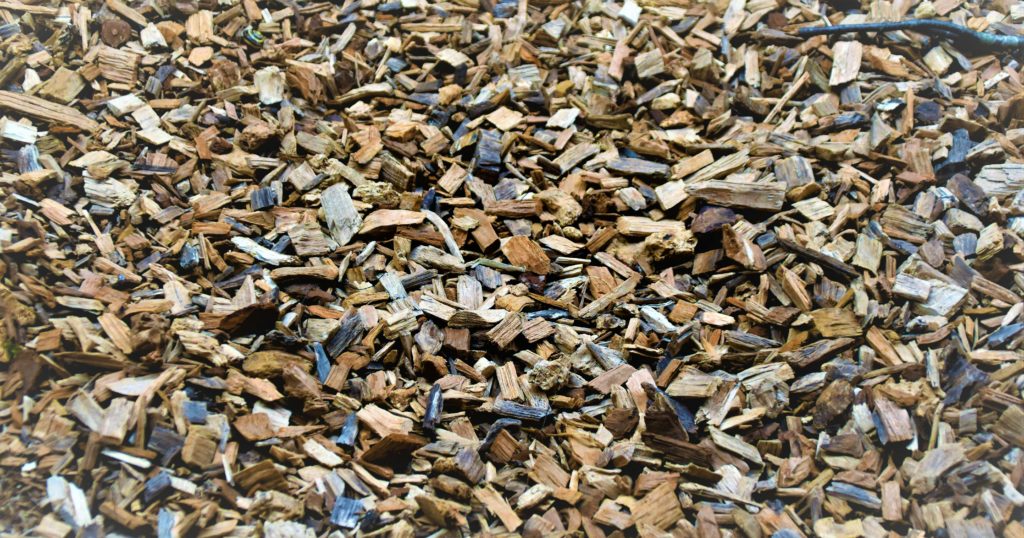
Mulch is a gardener’s best friend when it comes to drought-proofing your garden. A thick layer of organic mulch, like straw, wood chips, or shredded leaves, helps retain moisture by reducing evaporation from the soil surface. It also helps regulate soil temperature, keeping the roots cool during hot days. I find that adding a layer of mulch in the fall is one of the simplest yet most effective things I can do to prepare for dry spells. It’s like giving your garden a cozy blanket that protects and nurtures it!
But mulch doesn’t just conserve moisture; it also breaks down over time, adding valuable organic matter back into the soil. Plus, it acts as a weed barrier, preventing those pesky invaders from stealing precious water and nutrients from your plants. And let’s not forget the aesthetic appeal — a nice layer of mulch gives your garden a neat, tidy appearance while doing so much good beneath the surface. It’s a win-win!
Install a Drip Irrigation System
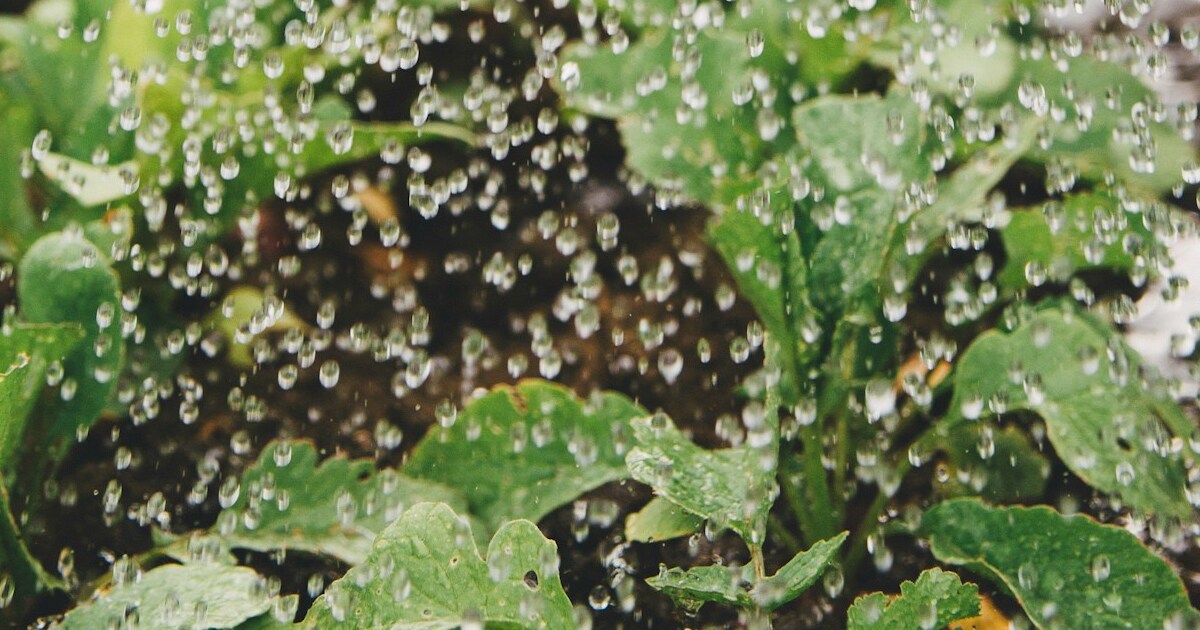
If you’re serious about preparing your garden for drought, consider installing a drip irrigation system. Unlike traditional overhead watering, which can waste a lot of water through evaporation and runoff, drip irrigation delivers water directly to the root zones where plants need it most. It’s a more efficient way to water your garden, and it can be a real game-changer during dry spells. I installed one a few years ago, and let me tell you, it’s been a lifesaver!
Drip irrigation systems are relatively easy to set up, and they come in all shapes and sizes to suit your specific garden needs. They can be as simple or as sophisticated as you like, from basic soaker hoses to systems with timers and moisture sensors. I love how I can set it and forget it, knowing that my plants are getting just the right amount of water, no matter how hot and dry it gets. Plus, by watering at the soil level, you reduce the risk of diseases that thrive in damp, humid conditions.
Create Windbreaks to Reduce Evaporation
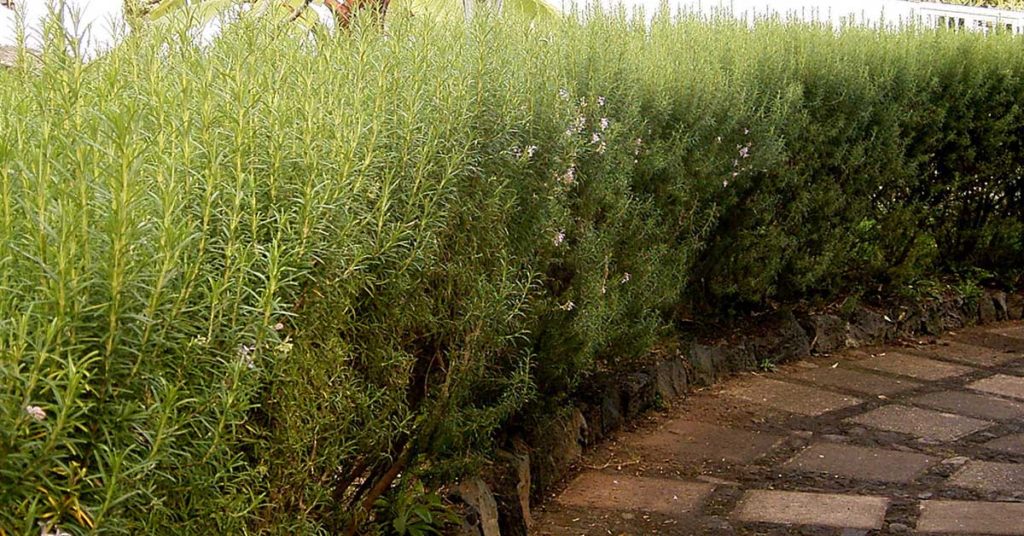
Wind can be a sneaky enemy during drought conditions, increasing evaporation and drying out your soil much faster than you might expect. One way to combat this is by creating windbreaks in your garden. These can be anything from hedges of native shrubs to strategically placed fences. Windbreaks act as a barrier, reducing wind speed and protecting your plants from excessive moisture loss.
I planted a row of native ornamental grasses along the edge of my garden, and it’s amazing how much of a difference it’s made. Not only do they look beautiful swaying in the breeze, but they also create a microclimate that helps keep my garden more humid and less prone to drying out. And the best part? They’re super low-maintenance and provide habitat for birds and beneficial insects. It’s like a little garden community all on its own!
Improve Soil Structure with Cover Crops
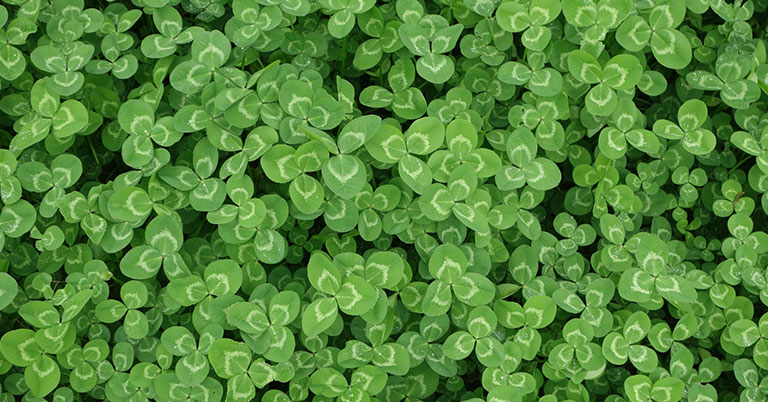
Cover crops, like clover, rye, or vetch, are an excellent way to improve your soil’s structure and water-holding capacity. These plants help to break up compacted soil, allowing water to penetrate more easily, and their roots add organic matter as they decompose. I’ve started using cover crops in my garden over the last few years, and I’m amazed at how much healthier my soil has become. Plus, they’re great for suppressing weeds and adding nutrients back into the soil!
The beauty of cover crops is that they’re not just a one-season wonder. Plant them in the fall, and they’ll work their magic throughout the winter and into spring. Then, simply cut them down and turn them into the soil before planting your summer crops. It’s a fantastic way to build a resilient, drought-ready garden while also supporting beneficial insects and soil organisms. Your garden will be so much better for it!
Group Plants with Similar Water Needs

Grouping plants with similar water needs together can save you time and help conserve water. This way, you can water more efficiently, without overwatering some plants and underwatering others. For example, drought-tolerant plants like rosemary and sage can be grouped together, while thirstier plants like tomatoes and cucumbers can be kept in another area. It’s a smart way to make your watering efforts go further!
I’ve made this mistake myself — planting water-loving plants right next to drought-tolerant ones and wondering why neither was thriving! Grouping plants properly has not only saved me a ton of frustration, but it’s also made my garden more sustainable. It’s such a simple concept, but it makes a huge difference. Your plants will be happier, and you’ll use less water overall. It’s a win-win!
Harvest Rainwater

One of the most effective ways to prepare for drought is to start harvesting rainwater. Installing a rain barrel or other water collection system allows you to store water during wetter months to use during dry spells. It’s such a great way to make use of a free resource, and it’s better for your plants, too, since rainwater is free from chemicals like chlorine and fluoride that can build up in the soil over time.
I can’t tell you how many times I’ve been grateful to have a full rain barrel during a surprise dry spell! It’s like having a little insurance policy for your garden. And it doesn’t have to be complicated — even a simple barrel under your downspout can collect a surprising amount of water. Plus, you’ll feel great knowing you’re making the most of what nature provides!