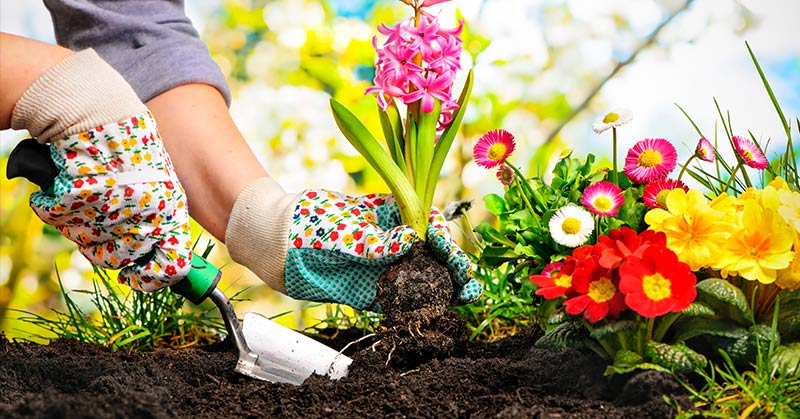

Fall is a magical time in the garden, but it can also feel like a never-ending to-do list! With the right approach, though, you can enjoy a beautiful, vibrant space without spending every weekend tending to it. The secret? A low-maintenance fall garden! Whether you’re trying to cut down on your garden chores or just want to spend more time savoring the crisp autumn air, transitioning your garden into a more self-sufficient space is the way to go.
But I know it can feel daunting! After all, where do you even begin? Well, don’t worry; I’ve got you covered with some tried-and-true tips to help ease the transition. From selecting the right plants to thoughtful planning, I promise you, it’s easier than you think! Let’s dive in and discover how to create a garden that practically takes care of itself.
Choose Native Perennials

One of the simplest ways to reduce garden maintenance is by choosing native perennials. These plants are already adapted to your local climate, soil, and pests, so they require less water, fertilizer, and fuss. Think of them as the independent types in the plant world — they thrive on a little neglect! For example, coneflowers (Echinacea) and black-eyed Susans (Rudbeckia hirta) are wonderful options native to North America that attract pollinators like bees and butterflies while providing stunning fall color. They’re not considered invasive, and they’ll return year after year with minimal care.
Native perennials are not only easy to grow, but they also support the local ecosystem. Birds, insects, and other wildlife have evolved alongside these plants, relying on them for food, nesting, and shelter. By planting natives, you’re creating a little wildlife haven right in your backyard! It’s so rewarding to see birds flock to your garden or to spot a chrysalis tucked among the leaves. Plus, once these plants are established, you can sit back and enjoy the show with hardly any effort. Now, that’s my kind of gardening!
Add Mulch for Moisture Retention

Mulch is like a magic carpet for your garden — it does so much work without you even noticing! By adding a thick layer of mulch to your beds, you can cut down on weeds and retain moisture in the soil, which means less watering for you. Organic mulches like shredded leaves, wood chips, or straw not only look nice, but they also break down over time, enriching your soil and promoting healthy plant growth. It’s such a simple step, but it can make a world of difference!
I always love spreading mulch in the fall because it feels like wrapping up my garden in a cozy blanket before winter sets in. And here’s a little tip: try using leaf mold or composted bark for an added nutrient boost. Not only will your plants thank you, but you’ll also find fewer weeds popping up to steal their nutrients. Mulching can make your garden more self-sufficient, reduce your workload, and make everything look neat and tidy. Who wouldn’t want that?
Incorporate Drought-Tolerant Plants
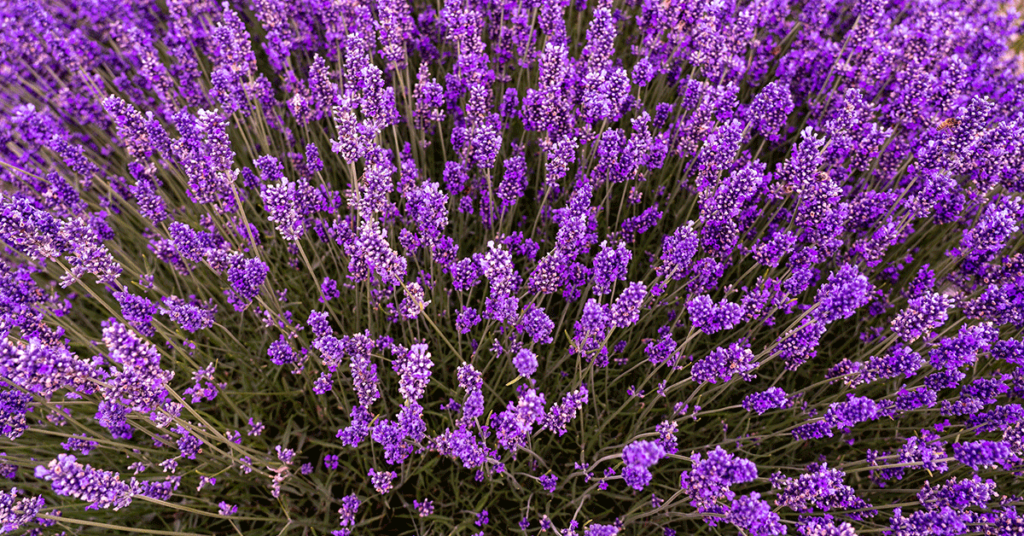
Watering can be such a chore, especially as the days get cooler and shorter. So, why not make your garden work for you by incorporating drought-tolerant plants? These hardy survivors can handle dry spells with ease, making them perfect for a low-maintenance fall garden. Sedum, lavender, and Russian sage (Perovskia atriplicifolia) are excellent choices that offer beautiful color and texture well into the season. Plus, they attract pollinators and add lovely fragrance to your garden!
These drought-tolerant plants aren’t just tough; they’re also incredibly versatile. Many come from Mediterranean climates and are used to thriving in poor soils with minimal water. So, not only do they save you time, but they’re also a delight for the senses! And don’t worry — they won’t take over your garden. Most are well-behaved and won’t become invasive, leaving you with more time to enjoy your garden rather than manage it.
Plant Groundcovers to Suppress Weeds
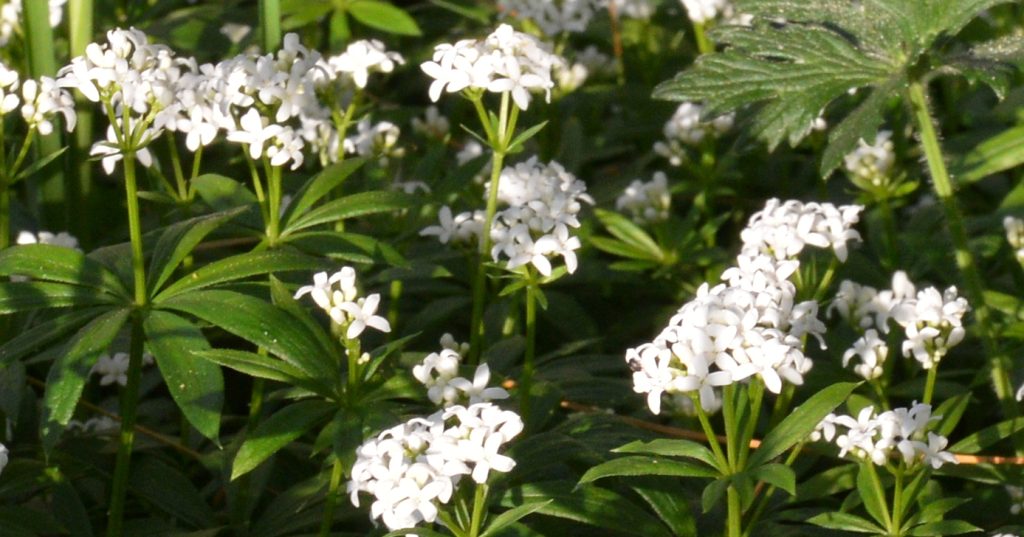
Nothing ruins the serene look of a garden faster than a sea of weeds! That’s why I’m such a fan of using groundcovers to keep those pesky invaders at bay. Plants like creeping thyme, ajuga, and sweet woodruff create a beautiful carpet that blocks light from reaching weed seeds, preventing them from sprouting. Groundcovers are also fantastic for adding texture and color, and they fill in those bare spots where weeds love to grow!
Many groundcovers are low-growing and spread quickly, covering large areas with minimal effort on your part. They’re the perfect solution for gardeners who don’t have the time or energy to constantly weed. Plus, they often attract beneficial insects and provide nesting material for birds, adding an extra layer of interest to your garden. It’s so satisfying to see a lush, green groundcover doing all the hard work for you!
Embrace Self-Sowing Flowers
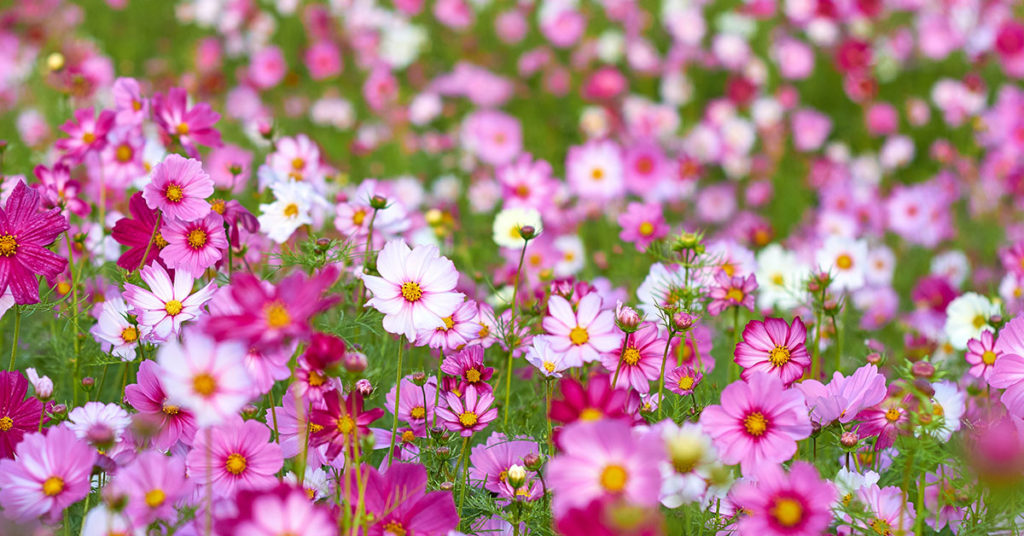
Self-sowing flowers are like the gift that keeps on giving! Plants like calendula, cosmos, and larkspur will happily drop their seeds and come back year after year without any effort on your part. It’s like having a little surprise party in your garden each spring! These flowers not only save you time, but they also create a more natural, cottage-garden look that feels less rigid and more carefree.
These plants often originate from areas with long growing seasons and plenty of sunshine, making them a great choice for most gardens. And don’t worry about them taking over; they tend to reseed just enough to keep your garden looking full and lively without becoming invasive. I love seeing where they pop up each year — it adds a bit of whimsy to the garden that makes me smile every time!
Use Evergreens for Year-Round Structure

Evergreens are the backbone of any low-maintenance garden. They provide structure and interest even in the dead of winter, so your garden never looks bare. Plants like boxwood, juniper, and dwarf pines offer a range of colors, shapes, and sizes, making them incredibly versatile. Plus, they’re generally low-maintenance and don’t require much pruning or care once established.
I always feel a little relieved knowing that my evergreens are there to anchor my garden, no matter what the season throws at us. And the best part? They’re incredibly hardy and provide shelter and food for birds and other wildlife during the colder months. Choose native varieties when possible to support local fauna and avoid invasive species. Your garden will remain vibrant, with little effort on your part!
Group Plants with Similar Needs
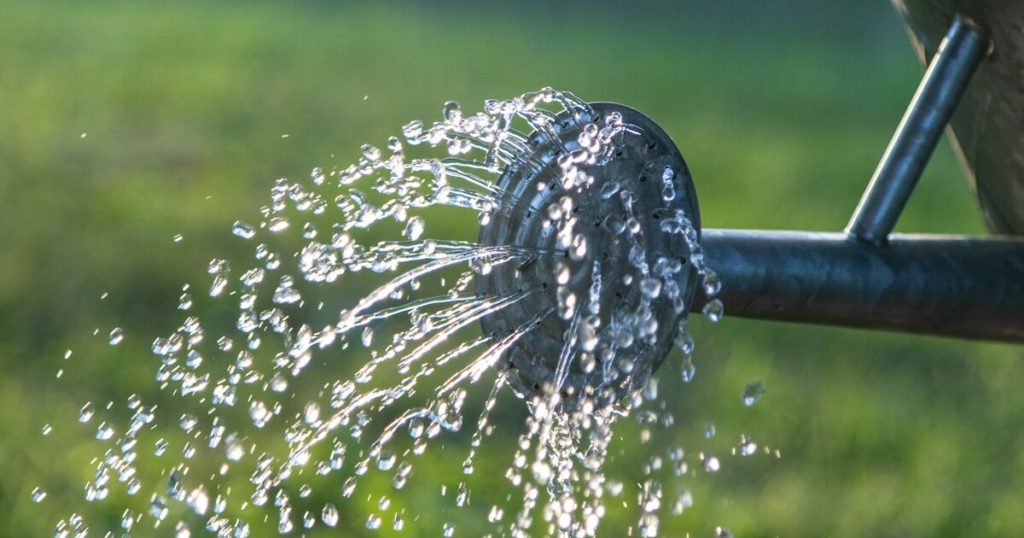
One of the most common mistakes I’ve made in the past is planting water-loving plants next to drought-tolerant ones. It creates such a headache trying to meet all their different needs! Instead, try grouping plants with similar water, light, and soil requirements together. This not only simplifies your garden care routine but also ensures that each plant gets exactly what it needs to thrive.
Think of it like creating little communities within your garden. Plants that enjoy similar conditions will grow better and support one another, reducing the need for extra watering, fertilizing, or pest control. And, believe me, when your plants are happy, your garden will be too! This strategy has saved me countless hours and gallons of water over the years, making my garden more sustainable and easier to care for.
Reduce Lawn Size with Low-Maintenance Alternatives
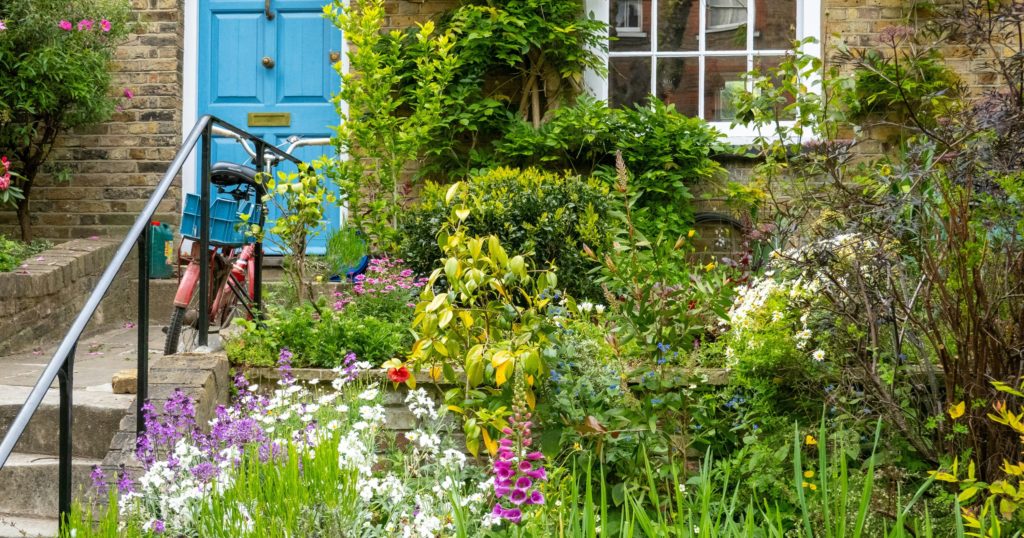
Lawns can be one of the most high-maintenance aspects of a garden. Between mowing, watering, and feeding, they can become a full-time job! If you’re looking to cut back on garden chores, consider reducing the size of your lawn and replacing some areas with low-maintenance alternatives like wildflower meadows, clover patches, or ornamental grasses. These options not only require less work, but they also provide habitat for beneficial insects and wildlife.
I know it can be tough to let go of that perfect, manicured lawn look, but trust me, the payoff is worth it. Imagine spending less time mowing and more time enjoying your garden! Plus, these alternatives can offer just as much beauty and visual interest as a traditional lawn — sometimes even more! With a little creativity, you can create a garden that is both stunning and low-maintenance.
Install a Rain Barrel for Easy Watering

Watering can feel like a never-ending task, especially in the fall when rain is less predictable. But you can make it easier by installing a rain barrel to collect and store rainwater for those dry days. Not only does this reduce your water bill, but it also helps you be more eco-friendly by using what nature provides! I’ve found that it’s one of the simplest ways to keep my garden hydrated without any extra effort.
Plus, using rainwater is better for your plants — it’s free from chemicals like chlorine that can build up in the soil over time. And there’s something incredibly satisfying about watching your rain barrel fill up, knowing you’re making the most of every drop.