

Winter is creeping closer, and it’s time to get those raised beds in tip-top shape for the colder months! I know, I know—it can feel like a lot of work after a long gardening season, but trust me, the payoff is worth it. Preparing your raised beds for winter isn’t just about protecting your soil; it’s about setting the stage for a bountiful garden next year. Think of it as giving your beds a spa day before they hibernate! And if you’re like me, you want your garden to be brimming with life again as soon as spring arrives.
I totally get it—winter prep can feel overwhelming. Who has the energy after harvesting, weeding, and dealing with those pesky garden pests all summer? But don’t worry, I’m here to walk you through it step by step, with some tried-and-true techniques that will help your raised beds stay healthy and productive. So grab your gloves, put on that favorite gardening hat, and let’s dive into these easy but effective strategies!
Add a Layer of Compost

One of the best things you can do for your raised beds before winter sets in is to add a thick layer of compost. I know it might seem like just one more thing to do, but this nutrient-rich layer acts as a cozy blanket for your soil, feeding it through the cold months. Compost is full of organic material that breaks down slowly over time, providing a steady release of nutrients that will be ready for your plants when the warm weather returns. Plus, it improves soil structure, helping it retain moisture and resist compaction.
And let me tell you, compost is a magnet for beneficial soil organisms! Earthworms, fungi, and bacteria all thrive in nutrient-rich environments, and they’ll be hard at work all winter long, breaking down that organic matter and enhancing your soil’s fertility. It’s like having a mini army working for you beneath the surface! And if you’re into sustainable gardening like I am, composting your kitchen scraps and garden waste is a wonderful way to reduce waste and nourish your garden naturally.
Plant a Cover Crop

Cover crops are one of my secret weapons for preparing raised beds for winter! Plants like winter rye, crimson clover, or hairy vetch can be sown in early fall to protect your soil from erosion, suppress weeds, and add vital nutrients when they decompose. These crops are native to various regions depending on the species, and they are far from invasive. Instead, they serve as a natural shield, preventing your valuable topsoil from being washed away by heavy rains or melting snow.
But here’s the real kicker—cover crops are fantastic for attracting beneficial insects! As they grow, they provide habitat and food for predatory insects like ladybugs, which feast on garden pests. And when you till them back into the soil in spring, these plants turn into “green manure,” enriching your soil with organic matter and nutrients. It’s a win-win that keeps your garden ecosystem thriving even when everything else is dormant.
Mulch for Insulation

Don’t underestimate the power of mulch! A good layer of mulch—like straw, shredded leaves, or bark—serves as an excellent insulator for your raised beds. I find that a 3-4 inch layer works wonders to protect the soil from the freezing temperatures. Mulching helps moderate soil temperature, keeping it warmer during the winter months and reducing the risk of frost heaving, which can expose roots and kill overwintering plants. Plus, it helps retain moisture, so your soil doesn’t dry out.
And here’s something else I love: mulch also provides a safe haven for beneficial insects like ground beetles and spiders, which help keep the pest population in check. If you’re like me and enjoy watching wildlife in the garden, you might also spot birds like sparrows and finches rummaging through the mulch looking for insects. It’s an easy way to keep your garden buzzing with life even in the colder months!
Clean Up Dead Plant Material
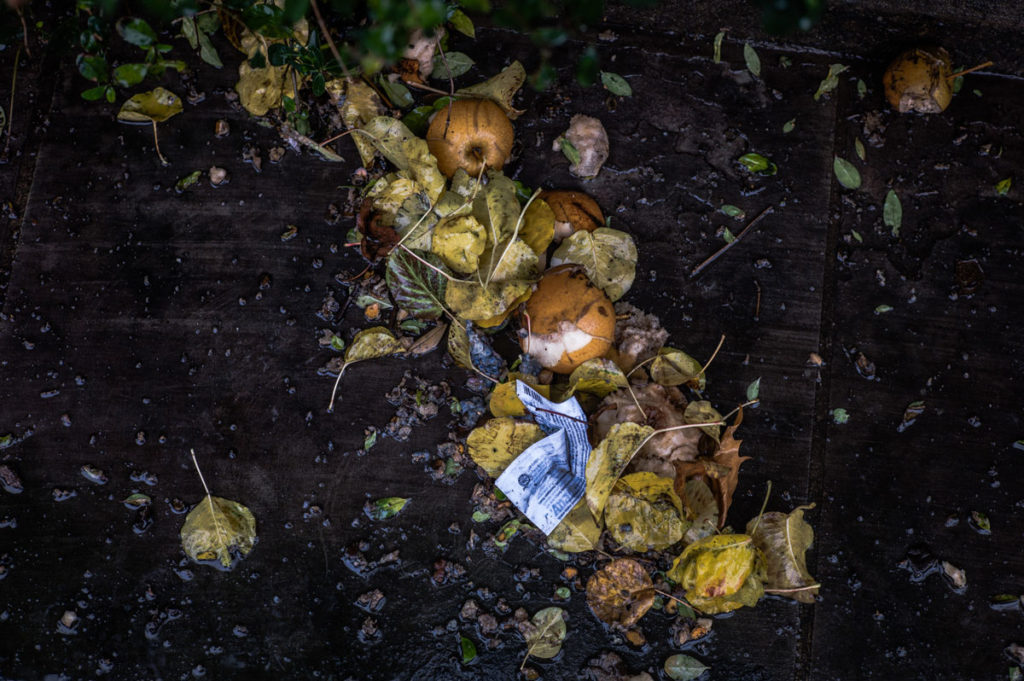
I know, cleaning up dead plant material might sound like the least fun job, but it’s so important! Removing spent plants, fallen leaves, and other debris helps reduce the risk of pests and diseases overwintering in your garden. I’ve had my fair share of nasty surprises in the spring when I didn’t do a thorough cleanup—things like aphid eggs and fungal spores can hide out all winter, just waiting for warmer weather to wreak havoc.
But don’t just toss everything in the trash! Healthy plant material can be added to your compost pile to create rich organic matter for next year’s garden. And if you’ve got plants that went to seed, like sunflowers or coneflowers, leave a few standing! Birds, especially finches and chickadees, will appreciate the extra food source in the winter months. It’s such a joy to watch them flit around the garden, even when everything else is bare.
Test and Amend Your Soil
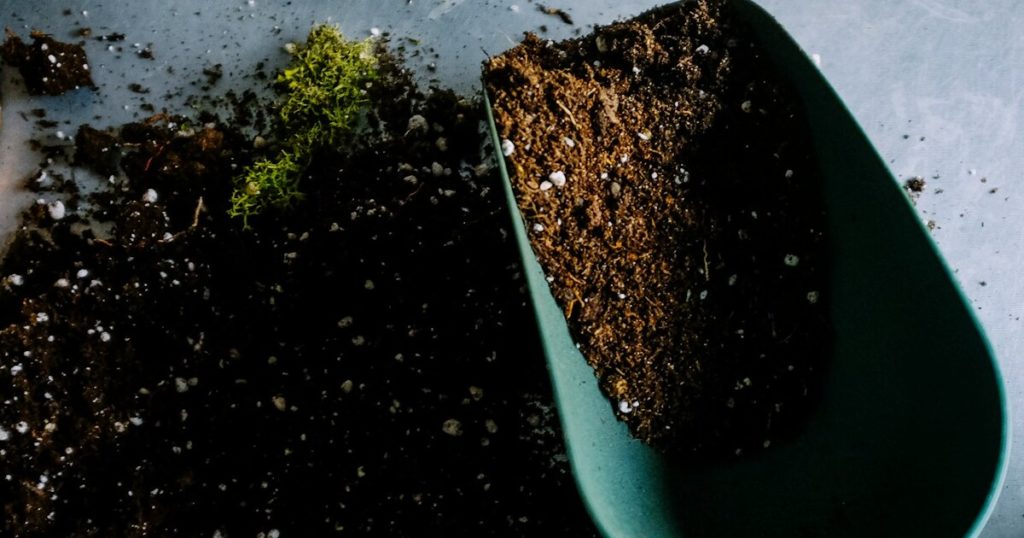
If you’ve never tested your soil, September is the perfect time to do it! Knowing the pH and nutrient levels in your raised beds can help you make any necessary amendments before winter. A simple soil test can tell you if your soil is too acidic, too alkaline, or lacking in certain nutrients. I remember being so frustrated one spring when my plants just wouldn’t grow—turns out my soil was too acidic, and a bit of lime was all it needed!
Once you know what your soil needs, you can add the right amendments—like lime for acidity, sulfur for alkalinity, or specific fertilizers for nutrient deficiencies. These amendments will have all winter to work their magic, making your soil even better for planting next spring. And here’s another perk: healthy, well-balanced soil encourages earthworms and other helpful critters to thrive, which can help aerate your soil naturally.
Protect Perennials

If you have any perennials planted in your raised beds, don’t forget to give them some extra love before winter arrives! Cutting back dead foliage and adding a layer of mulch around the base can help protect these hardy plants from the cold. It’s such a bummer to lose a beloved perennial because of a harsh winter, but with a little prep work, they’ll be ready to burst back into bloom next spring.
And here’s a fun tip: some perennials, like lavender or oregano, can actually benefit from a light pruning in the fall to encourage bushier growth. Plus, leaving the seed heads on certain flowers, like coneflowers and sedums, provides food for birds and adds winter interest to your garden. I love seeing a dusting of snow on those dried flower heads—it adds a bit of charm to the winter landscape!
Check for Invasive Plants

While you’re getting your raised beds ready, it’s also a good time to check for any invasive plants that might have sneaked in over the growing season. Trust me, it’s better to catch them now than to deal with a full-blown invasion next spring! Plants like bindweed, Japanese knotweed, or creeping Charlie can spread like wildfire if left unchecked. Make sure to pull them out, roots and all, and dispose of them properly.
Removing invasive plants isn’t just about protecting your garden; it’s also about preserving the local ecosystem. Native plants, which have evolved over thousands of years, support local wildlife in ways invasive species simply can’t. Birds, bees, and butterflies rely on native plants for food and habitat, so by keeping your beds free of invaders, you’re helping to maintain a healthy, balanced ecosystem. Plus, it’s just so satisfying to get ahead of those weeds!
Water Well Before the Frost

I know, watering might be the last thing on your mind as temperatures start to drop, but it’s actually a crucial step in preparing your raised beds for winter. Giving your soil a good soak before the first hard frost helps insulate plant roots and keeps the soil from drying out. Dry soil freezes faster and harder than moist soil, which can damage roots and harm beneficial microorganisms.
But be careful not to overdo it! Too much water can lead to soggy soil, which isn’t great for your plants or for all those helpful microbes. A deep watering once or twice before the ground freezes is usually just right. And remember, healthy soil retains water better, so if you’ve added that lovely layer of compost and mulch, your raised beds will be in great shape to handle whatever winter throws at them.