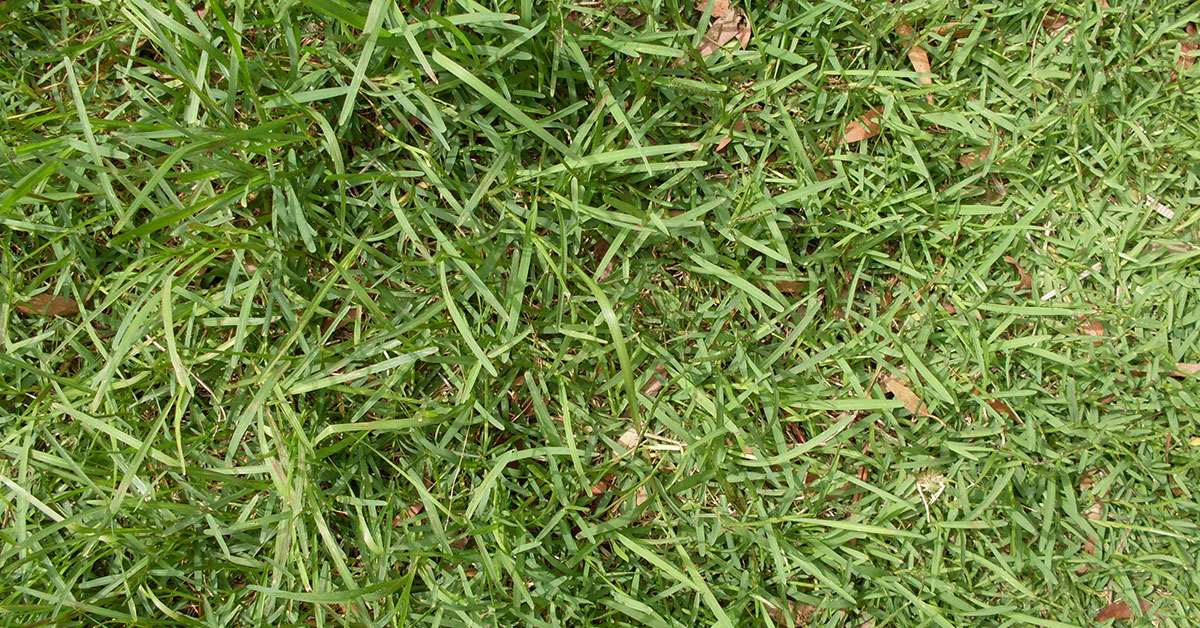

Ah, September! The days are cooling down, but the garden is still full of life. It’s that special time of year when we get one last chance to pamper our lawns before winter arrives. If you’re anything like me, you know how rewarding it is to see your lawn bounce back strong and green in the spring. But getting there requires a bit of planning and effort now. Think of it as giving your grass a little TLC before it goes into hibernation. From aeration to overseeding, there are a few key steps that will help your lawn weather the cold months ahead and come out looking lush and healthy on the other side.
But I totally get it—prepping your lawn for winter can feel overwhelming. Between raking leaves, managing pests, and deciding what nutrients your soil needs, it’s easy to feel like there’s too much on your plate. Don’t worry, though; I’ve got your back! I’ve been through it all, and I’m excited to share some tried-and-true tips that will help you get the job done with less stress. So, let’s dive in and make sure your lawn is ready to face whatever winter has in store!
Aerate the Soil
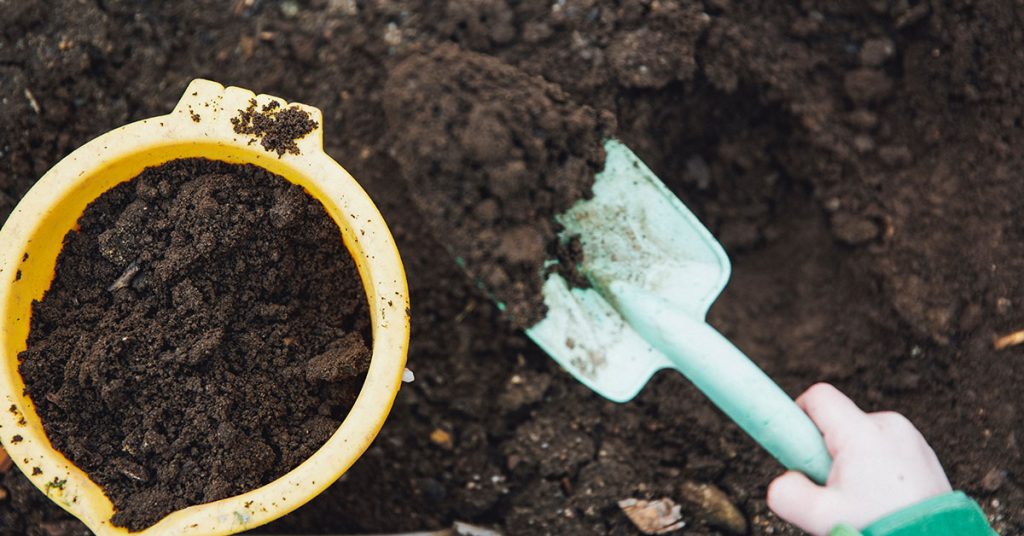
One of the best ways to prepare your lawn for winter is to aerate the soil. It might sound technical, but it’s really just a fancy way of saying we’re going to poke some holes in the ground! Aeration helps break up compacted soil, allowing water, nutrients, and air to reach the grassroots more effectively. Trust me, your lawn will thank you for it! After a summer of heavy foot traffic, your soil can get compacted, making it harder for your grass to grow deep, strong roots. Aerating in September gives those roots a better shot at accessing everything they need to stay healthy through the winter months.
And here’s a little bonus: aeration also attracts beneficial insects and microbes to your soil! Earthworms, for example, love aerated soil. These little garden allies help further break down organic material, providing natural fertilization for your lawn. Plus, if you’re lucky, you might even spot some robins and other birds taking advantage of the freshly turned soil to hunt for worms and insects. It’s like creating a mini-ecosystem right in your backyard!
Apply a Fall Fertilizer
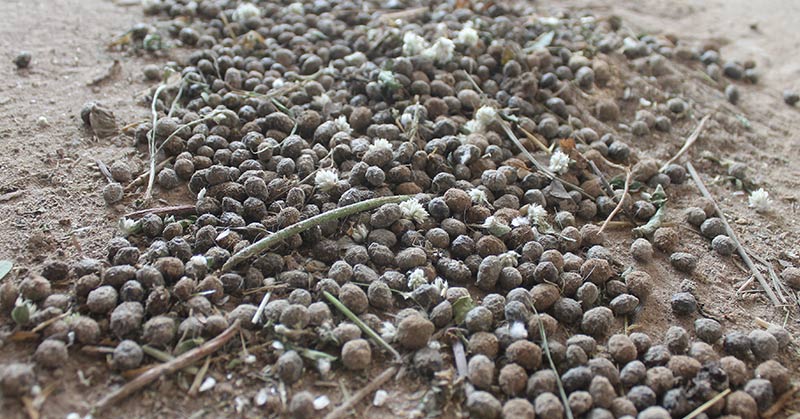
If there’s one thing I can’t stress enough, it’s the importance of applying a good fall fertilizer. Your lawn is like any other living thing; it needs nutrients to survive the winter months. Fall is the perfect time to apply a fertilizer rich in potassium and phosphorus. These nutrients help strengthen the grass’s root system, giving it the stamina to survive the cold. It’s almost like a final, hearty meal before the long winter nap!
But, be sure to avoid fertilizers with too much nitrogen, which encourages blade growth rather than root development. You don’t want your grass using up all its energy trying to grow green blades right before winter! Instead, focus on building those roots deep in the soil. As the grass absorbs these nutrients, it will be better equipped to resist diseases and pests, which can wreak havoc on your lawn when it’s most vulnerable. The right fertilizer can make all the difference between a lawn that struggles in spring and one that comes back vibrant and full of life!
Overseed Bare Patches

Let’s face it: bare patches on the lawn are a bummer. But don’t worry—overseeding in September is your golden ticket to a fuller, healthier lawn come spring! Overseeding is simply spreading grass seed over existing turf to thicken up the lawn. September is an ideal time for this task because the soil is still warm, which helps seeds germinate, while the cooler air temperatures reduce stress on new seedlings.
And overseeding has another secret benefit: it helps crowd out weeds! Weeds love to sneak into those bare spots, especially over winter when the grass isn’t growing as vigorously. By overseeding, you’re giving grass a head start to fill in those gaps before the weeds can take hold. Plus, many bird species, like sparrows and finches, might find the seeds irresistible, adding a bit of extra wildlife activity to your garden while the seeds take root.
Mow at the Right Height

I can’t tell you how many times I’ve been asked, “What height should I mow my grass before winter?” It’s such a common question, and for a good reason. Cutting your grass too short can expose the roots to harsh winter elements, while letting it grow too tall can lead to diseases and pests. The sweet spot is to mow your lawn to about 2 to 2.5 inches. This height is perfect for keeping your grass healthy and strong through the winter months.
At this height, the grass is tall enough to protect itself but short enough to prevent matting under snow or fallen leaves. And guess what? Birds like sparrows and starlings might use the grass clippings to build nests or forage for seeds, adding a charming, natural touch to your winter-ready lawn. Plus, mowing regularly up until the first frost helps keep the lawn looking tidy and reduces the chance of mold growth or other diseases taking hold in taller grass.
Water Deeply but Less Frequently
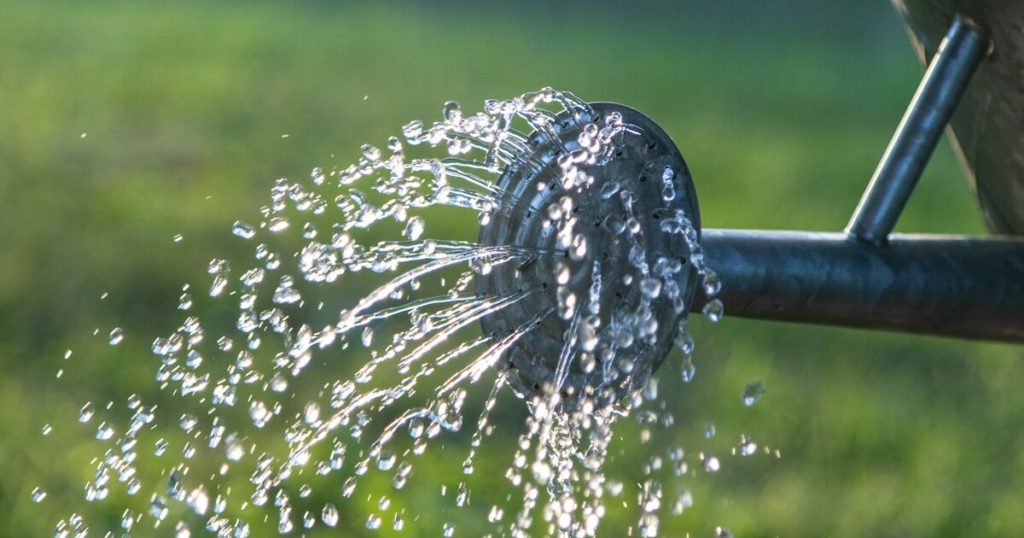
It’s easy to think that watering isn’t necessary in the cooler months, but your lawn still needs a good drink to stay healthy! Watering deeply, but less frequently, is key to encouraging deep root growth. You want those roots to dive deep to find water and nutrients so they can withstand the cold, dry months of winter. Aim for a good, deep watering once or twice a week, depending on rainfall, up until the first hard frost.
Deep watering not only helps your grass grow stronger roots but also encourages a vibrant underground ecosystem. Beneficial organisms like fungi and bacteria thrive in moist soil, helping to break down organic material and keep your grass well-fed. But remember, too much water can create the perfect environment for mold and other lawn diseases, so balance is key. Trust me, your lawn will thank you when it wakes up refreshed in spring!
Remove Leaves and Debris
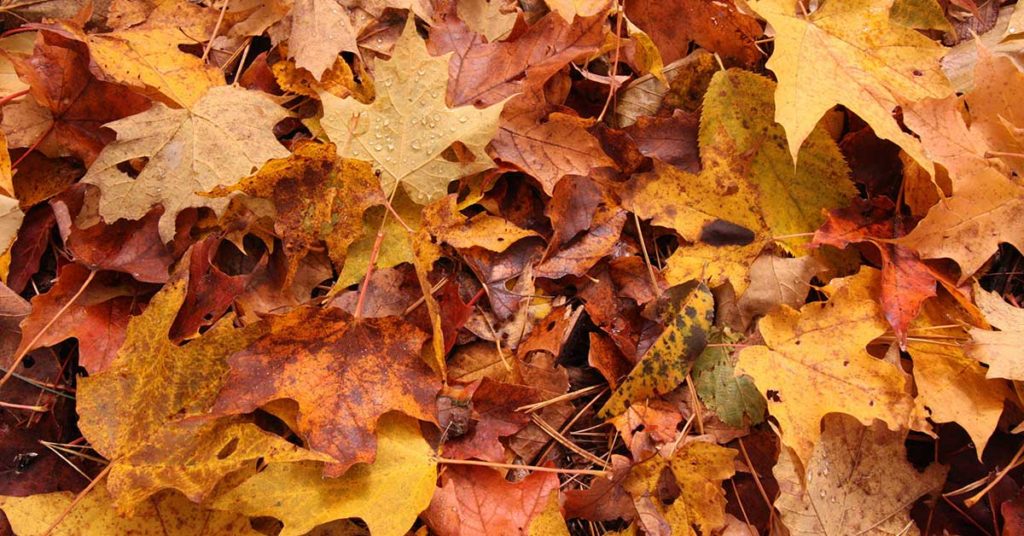
It can be tempting to let those pretty fall leaves stay on the lawn, but it’s important to clear them away regularly. Fallen leaves and other debris can smother your grass, blocking out sunlight and trapping moisture, which can lead to fungal growth and other diseases. It’s such a bummer to see all your hard work undone by a thick blanket of soggy leaves! Instead, rake them up and use them as mulch or add them to your compost pile.
But here’s the fun part—clearing your lawn doesn’t just benefit the grass! It also makes your garden a more welcoming place for critters that hunt pests. Birds like robins and thrushes love foraging in clear, open spaces, where they can easily spot insects hiding in the grass. Plus, a clean lawn looks so much tidier and sets a perfect stage for any fall decorations you might have in mind!
Edge Your Lawn
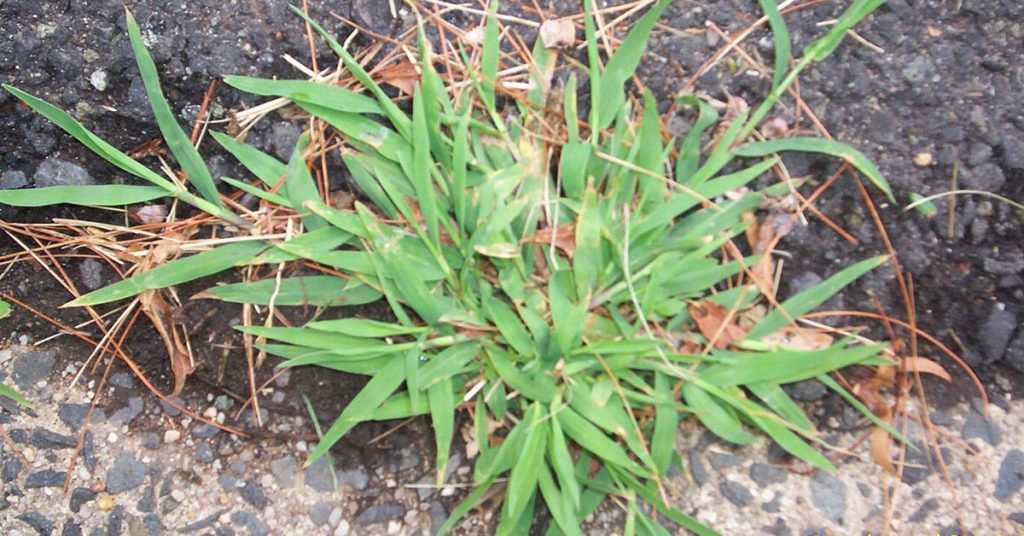
I know this might seem like a purely aesthetic task, but edging your lawn before winter is more important than you might think! Edging helps define your lawn’s boundaries, preventing grass from encroaching into flower beds or walkways. It can also help reduce soil erosion by keeping the edges neat and preventing runoff. It’s like giving your garden a little bit of a facelift, and it feels so satisfying when you’re done!
What I love most about edging, though, is how it helps prevent invasive plants from sneaking in. Keeping a clean, sharp edge makes it harder for weeds like creeping Charlie or crabgrass to spread into your lawn. It’s a simple step that goes a long way toward keeping your grass healthy and happy all winter long.