

As the temperatures drop and the days shorten, it’s time to start thinking about how to protect your tender perennials from the chill of winter. If you’ve ever lost a beloved plant to frost, you know how frustrating it can be to see all your hard work vanish overnight! But don’t worry—with a bit of preparation, you can successfully overwinter those tender perennials, keeping them safe and sound until spring returns. From tropical beauties to beloved herbs, overwintering allows you to enjoy your favorite plants year after year without having to start from scratch.
Overwintering tender perennials can be a rewarding way to extend the life of plants that aren’t quite built to withstand cold winters. These plants often originate from warmer climates, and while they add a lovely, exotic touch to our gardens, they need a little extra TLC to survive the winter months. By taking the right steps now, you’ll not only save money by avoiding replacements but also preserve the unique varieties that have become staples in your garden. Let’s dive into some tried-and-true methods for overwintering tender perennials, so you can look forward to a lush, vibrant garden come spring!
Bringing Plants Indoors
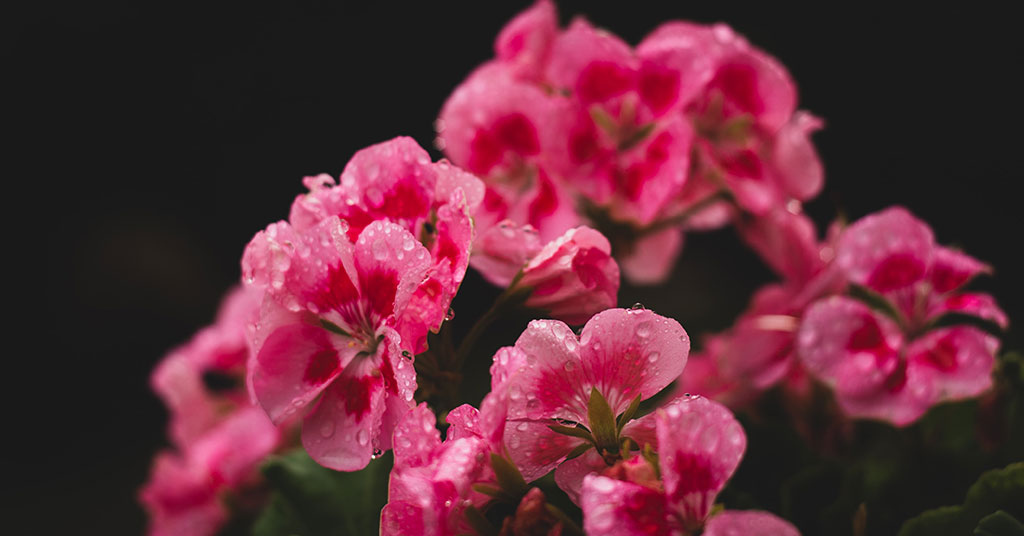
One of the simplest ways to overwinter tender perennials is to bring them indoors before the first frost hits. This method works well for smaller plants, like geraniums, begonias, and even some herbs like rosemary. Start by inspecting your plants for pests and diseases—no one wants to bring aphids or spider mites into their home! Give the plants a good rinse, trim back any dead or damaged foliage, and consider repotting them into fresh soil if they’ve been in the same pot for a while. I love finding cozy spots around the house for these plants; it’s like inviting a bit of summer indoors during the cold months.
Once inside, place your tender perennials in a bright location with plenty of indirect sunlight. South-facing windows are ideal, but if light is limited, supplementing with grow lights can help keep your plants happy. Keep in mind that indoor conditions can be quite different from the garden—humidity tends to be lower, and air circulation may be reduced, so adjust your watering routine accordingly. Overwatering is a common pitfall when bringing plants indoors; it’s better to let the soil dry slightly between waterings to prevent root rot. With a little attention, your tender perennials can thrive indoors, adding greenery and cheer throughout the winter.
Storing Bulbs and Tubers

For tender perennials like dahlias, cannas, and caladiums that grow from bulbs, tubers, or rhizomes, overwintering involves digging them up and storing them in a cool, dry place. These plants often come from regions like Central and South America, where winters are mild or nonexistent, so they’re not equipped to handle freezing temperatures. After the first light frost has blackened the foliage, carefully dig up the bulbs or tubers, being mindful not to damage them. I always find this process a bit like treasure hunting—there’s something so satisfying about unearthing those chunky, healthy tubers!
Once dug up, gently brush off excess soil and allow the bulbs or tubers to dry in a cool, shaded area for a few days. This curing process helps to harden the outer skins, making them less prone to rot during storage. Store them in a paper bag, cardboard box, or mesh bag filled with slightly damp peat moss, vermiculite, or sand to maintain just the right level of moisture. A cool basement, garage, or even a fridge can make a perfect storage spot, as long as temperatures stay between 40-50°F (4-10°C). Check them periodically throughout the winter for signs of mold or shriveling, and by the time spring arrives, they’ll be ready to plant again!
Mulching for Extra Protection

For tender perennials that are borderline hardy in your zone, a thick layer of mulch can provide just enough protection to get them through the winter. Plants like lavender, sage, and even some varieties of fuchsia can benefit from a generous mulching in the fall. I like to use a mix of straw, shredded leaves, or even evergreen boughs to insulate the soil and protect the roots from extreme temperature fluctuations. Mulch acts like a cozy blanket, keeping the soil temperature more consistent and helping to prevent the freeze-thaw cycles that can heave plants out of the ground.
When mulching, aim for a layer that’s about 4-6 inches thick, spread evenly around the base of the plant but kept away from direct contact with the stems to prevent rot. Mulching not only protects the roots from cold but also helps retain moisture, which is particularly important during dry winters. In the spring, gradually pull back the mulch as temperatures warm up, allowing your plants to emerge naturally from their winter slumber. This method works especially well for plants that might struggle in colder climates but can handle a bit of winter with some extra care.
Overwintering in a Greenhouse or Cold Frame

If you’re lucky enough to have a greenhouse or cold frame, these structures can be lifesavers for overwintering tender perennials. They provide a protected environment that shields plants from frost while still allowing them to benefit from natural light. This method works well for slightly larger plants, like potted citrus, figs, or even tender succulents that need a bit more space. I’ve always found that moving plants into the greenhouse feels like tucking them in for the winter—there’s something so reassuring about knowing they’re snug and safe from the cold.
To make the most of your greenhouse or cold frame, ensure it’s well-insulated and that any heating equipment is in good working order. A small space heater or heating mats can help maintain a consistent temperature on particularly cold nights. Good ventilation is also crucial to prevent fungal diseases, so be sure to open vents or doors on milder days to let in some fresh air. Watering needs will decrease in the cooler environment, so be careful not to overwater—many plants go semi-dormant in winter and won’t need as much moisture. With the right setup, your greenhouse can be a cozy refuge for your tender perennials until spring returns.
Taking Cuttings for Insurance
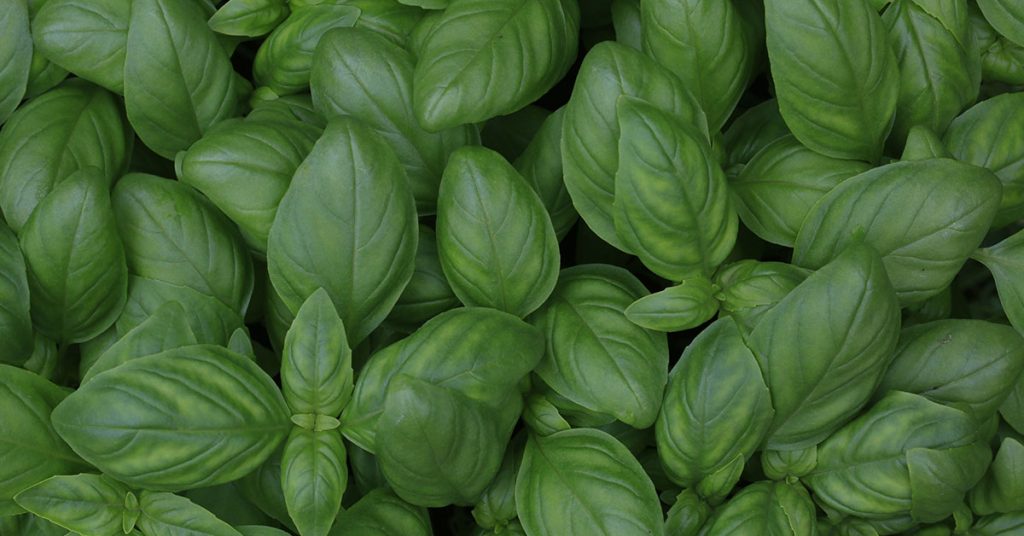
Sometimes, despite our best efforts, overwintering tender perennials can be a bit of a gamble. That’s why I like to take cuttings of my favorite plants as a backup plan. This is especially handy for tender herbs like basil or scented geraniums, which can be a little finicky about overwintering. Cuttings are essentially insurance for your garden—you get a second chance to keep your favorite plants going, even if the parent plant doesn’t make it through the winter. Plus, it’s a fun and easy way to propagate more plants for next year!
To take cuttings, select healthy, non-flowering shoots and snip them just below a leaf node. Remove the lower leaves and dip the cut end in rooting hormone if you have it, then place the cutting in a pot filled with a well-draining potting mix or perlite. Keep the cuttings in a warm, bright spot but out of direct sunlight, and mist them regularly to maintain humidity. Within a few weeks, you should start to see new roots forming, and once the cuttings are well-established, they can be potted up and grown on over the winter. It’s such a thrill to watch new plants grow from cuttings—it feels like a little gardening miracle!
Monitoring and Adjusting Care

Overwintering tender perennials isn’t a one-and-done task—it’s a process that requires some ongoing monitoring and adjustments as the winter progresses. Whether your plants are indoors, in a greenhouse, or mulched in the garden, they’ll need some attention to ensure they stay healthy until spring. Check regularly for signs of pests, mold, or other issues, and be prepared to adjust watering, light levels, or temperature as needed. I’ve learned that a little bit of vigilance goes a long way, and catching problems early can make all the difference in successfully overwintering your plants.
It’s also important to be patient—many tender perennials will naturally slow down or go dormant in the winter, and that’s okay! They’re conserving their energy for the burst of growth that will come in spring. Resist the urge to over-fertilize or overwater in an attempt to keep them actively growing. Instead, let them rest and recover during the off-season. By understanding and meeting their changing needs, you’ll be rewarded with healthy, vigorous plants that are ready to shine again when the warmer weather returns.
Overwintering tender perennials is a bit of an art, but with the right techniques and a little bit of care, it’s entirely possible to keep your favorite plants thriving through the winter months. Whether you’re bringing them indoors, storing bulbs, mulching, or using a greenhouse, each method offers its own set of benefits to help your plants survive the cold.