

September is a magical month in the garden, filled with the bounty of the season and the promise of next year’s growth. As the days begin to cool and the harvest reaches its peak, it’s the perfect time to start thinking about saving seeds from your favorite plants. I know how rewarding it is to gather seeds from your garden—it’s like capturing a piece of summer that you can plant again next year! Saving seeds not only connects you to the cycle of growth and renewal but also helps preserve heirloom varieties and even save a bit of money. Plus, there’s something incredibly satisfying about planting seeds that you’ve nurtured yourself!
For many gardeners, seed saving is a natural extension of the gardening experience. It’s a way to continue the legacy of your garden, season after season, and it’s surprisingly easy to do. Whether you’re saving seeds from vegetables, herbs, or flowers, there are a few key steps to ensure your seeds are viable and ready for planting when spring rolls around. Let’s explore some of the best practices for saving seeds from your September harvest, and I’ll share some tips that I’ve found helpful over the years.
Choosing the Right Plants for Seed Saving
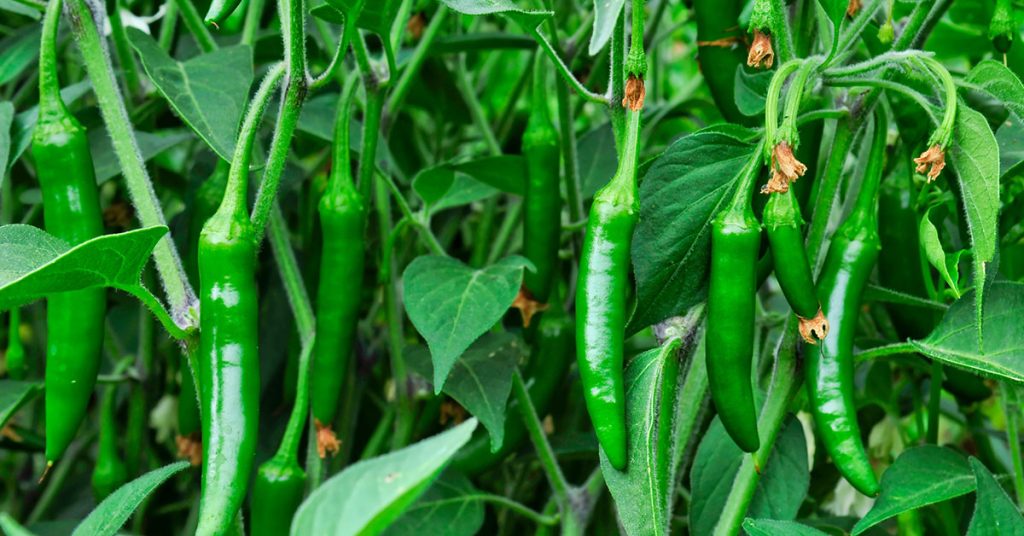
The first step in saving seeds is choosing the right plants. Not all plants are ideal for seed saving, especially if they’re hybrids. Hybrid plants are bred from two different parent plants and often don’t produce seeds that grow true to the parent plant. Instead, focus on open-pollinated or heirloom varieties, which are more likely to produce seeds that will grow into plants similar to the ones you harvested. I’ve found that saving seeds from heirloom tomatoes, peppers, and beans is particularly rewarding—these plants often have unique flavors and characteristics that you won’t find in store-bought seeds.
When selecting plants, choose the healthiest, most vigorous specimens in your garden. These plants are more likely to produce strong, viable seeds. Look for plants that are disease-free, have produced well, and exhibit the traits you want to carry forward, like size, color, or flavor. By being selective, you’re essentially playing the role of a plant breeder, shaping the future of your garden one seed at a time! It’s a process that ties you deeply to the plants you grow, and it’s one of the things I love most about gardening.
Harvesting Seeds at the Right Time
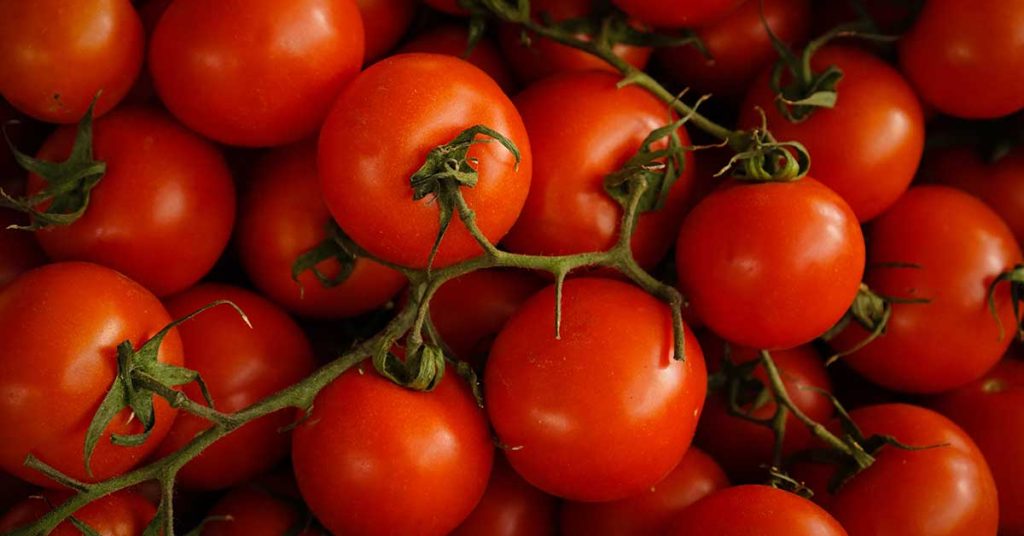
Timing is everything when it comes to harvesting seeds. For most plants, seeds should be harvested when they’re fully mature. This often means allowing fruits and vegetables to stay on the plant longer than you normally would for eating. For example, beans and peas should be left on the vine until the pods are dry and brown. Tomatoes should be fully ripe, even a bit overripe, to ensure the seeds inside are mature. I know it can be tempting to pick everything at its peak, but for seed saving, patience pays off!
Once you’ve harvested your seeds, the next step is to clean them. Different seeds require different cleaning methods. For example, seeds from fleshy fruits like tomatoes need to be fermented to remove the gelatinous coating around them. This might sound a bit involved, but it’s actually quite simple—just let the seeds sit in water for a few days, stir occasionally, and then rinse and dry them. For seeds from dry pods or flowers, a good shake or rub between your hands is often all that’s needed to separate the seeds from the chaff. It’s a process that connects you to the cycles of nature in a deeply satisfying way.
Drying and Storing Seeds
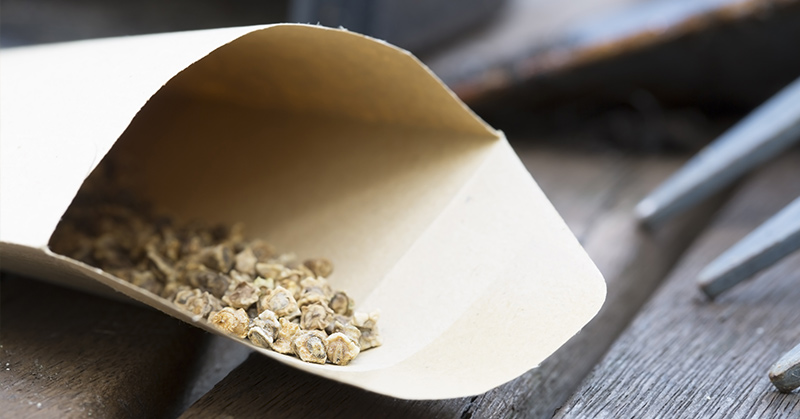
Proper drying is crucial to ensure your seeds remain viable until next planting season. After cleaning, spread the seeds out in a single layer on a paper towel or a fine mesh screen in a cool, dry place. Avoid direct sunlight, as this can reduce the viability of the seeds. It’s important that the seeds are completely dry before storing them, as any remaining moisture can cause them to mold or rot in storage. Depending on the seed type and conditions, this drying process can take anywhere from a few days to a couple of weeks. I always make sure to give my seeds plenty of time to dry thoroughly—it’s one of those steps you don’t want to rush!
Once dry, store your seeds in a cool, dark, and dry place. I like to use glass jars or paper envelopes labeled with the plant variety and the date of harvest. If you’re storing seeds for longer periods, adding a packet of silica gel to the container can help absorb any residual moisture. Keeping seeds in the refrigerator or a cool basement can also extend their shelf life. Remember, seeds are living things, and they need the right conditions to stay viable. There’s something almost magical about opening a jar of seeds months later, knowing they’re just waiting for the right moment to sprout!
Saving Seeds from Flowers

Saving seeds from flowers is a wonderful way to ensure your garden is full of color and life year after year. Many flowers, like marigolds, zinnias, and sunflowers, are excellent candidates for seed saving. These plants are often native to regions with distinct growing seasons, which makes their seeds well-suited to survive a period of dormancy before sprouting again. I love the variety of shapes and sizes in flower seeds—from tiny, dust-like seeds to the robust, stripey seeds of sunflowers, each one is a little packet of potential waiting to be unleashed.
To save flower seeds, wait until the flower heads have dried on the plant. This often means the petals have faded and the seed heads have turned brown or brittle. Gently shake or tap the seed heads over a container to collect the seeds, then clean them by removing any remaining plant debris. As with vegetable seeds, it’s crucial to dry flower seeds thoroughly before storing them. I find it incredibly rewarding to save seeds from my favorite blooms and then see them return the next season, even more vibrant than before!
The Joy of Sharing Seeds
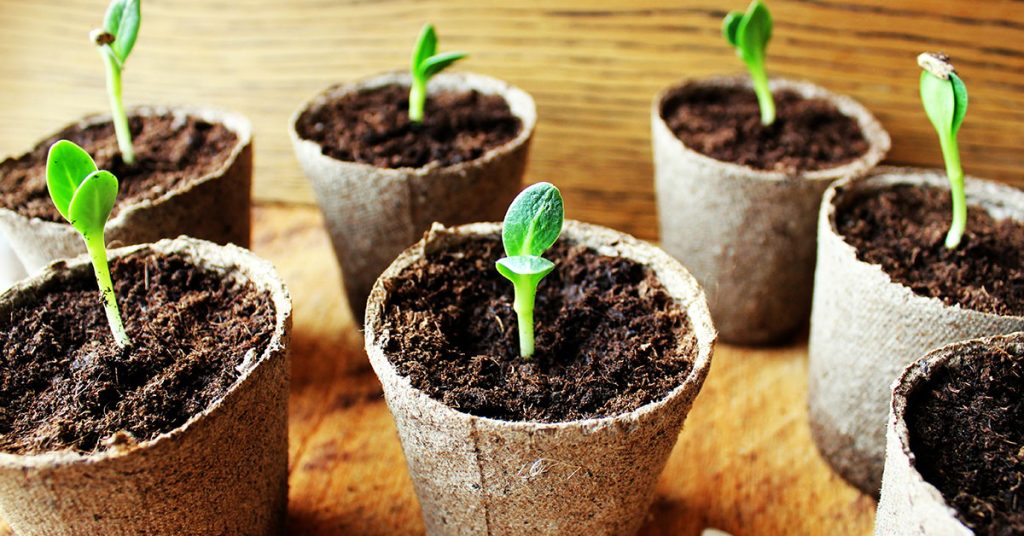
One of the greatest joys of saving seeds is the opportunity to share them with fellow gardeners. Seeds are a wonderful gift, and sharing seeds from your garden is a way to spread the love of gardening and biodiversity. I’ve exchanged seeds with friends, family, and even strangers at seed swaps, and it’s always a thrill to see how those seeds grow in different gardens. Plus, it’s a great way to try out new varieties without having to buy a whole packet of seeds. The stories and connections that come from seed sharing add another layer of richness to the gardening experience.
When sharing seeds, be sure to label them clearly with the plant variety, the date of harvest, and any specific growing instructions. This helps ensure that the recipient has all the information they need to grow the seeds successfully. Sharing seeds also contributes to the preservation of heirloom and rare varieties, helping to maintain the genetic diversity of our gardens. It’s a small act with a big impact, and it’s something I encourage every gardener to try. There’s a unique satisfaction in knowing that a plant growing in someone else’s garden started its journey in yours!
Benefits of Seed Saving for Biodiversity

Saving seeds is more than just a way to perpetuate your garden; it’s a vital practice for preserving biodiversity. Many commercial seeds are bred for uniformity and mass production, often at the expense of traits like flavor, resilience, and adaptability. By saving seeds from your garden, especially from heirloom or open-pollinated plants, you’re helping to maintain a wider genetic pool. This diversity is crucial for the long-term health of our food systems, as it provides a buffer against diseases, pests, and climate change. It’s empowering to know that your little seed-saving efforts contribute to something much larger!
In your own garden, saving seeds can lead to plants that are better adapted to your specific growing conditions. Over time, as you save seeds from the strongest, most productive plants, you’re essentially creating a strain of that plant that’s uniquely suited to your garden. It’s a bit like natural selection at work in your backyard, and it’s one of the most fascinating aspects of gardening. I’ve noticed that plants grown from saved seeds often perform better than those from store-bought seeds—they seem to have a special connection to the soil and climate where they’ve been nurtured for generations.
Saving seeds from your September harvest is a rewarding way to carry a piece of this season into the next. It’s a practice steeped in tradition and sustainability, and it connects you to your garden in a deeply meaningful way. Whether you’re saving seeds for yourself, sharing them with others, or contributing to the preservation of plant biodiversity, every seed holds the potential for a new season of growth and discovery.