

September is here, and while you might still be basking in the late-season glory of your current garden, it’s actually the perfect time to start planning for next year! Crop rotation is one of those tried-and-true gardening practices that can make a huge difference in your garden’s health and productivity. By rotating crops, you can reduce the build-up of pests and diseases, improve soil fertility, and even help with weed control. Plus, it’s an opportunity to experiment with new plants and see what unexpected gems might thrive in your space. Whether you’re a seasoned gardener or just starting, rotating crops can be your secret weapon for a bountiful harvest next year!
I know how overwhelming it can be to think so far ahead, especially when you’re still dealing with this year’s garden—those persistent pests, the ever-thirsty plants, and the weeds that seem to pop up overnight. But trust me, a little planning now can save you a lot of frustration later on. The great thing about crop rotation is that it doesn’t have to be complicated; it’s all about matching the right plants to the right spots and giving your soil the variety it craves. So let’s dig into some of the most rewarding crops to rotate, and I’ll share some tips on how to make the most of this simple yet powerful gardening strategy!
Brassicas: Soil Protectors and Disease Fighters
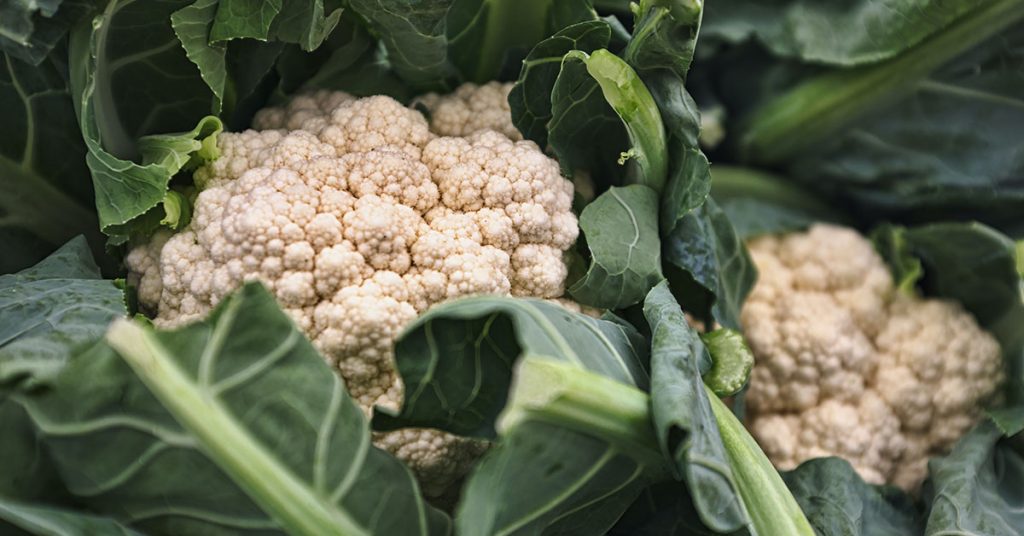
Brassicas, which include cabbages, broccoli, kale, and cauliflower, are a fantastic addition to your crop rotation plan. These vegetables are native to Europe and Asia, and they have been grown for centuries for their hardiness and nutritional value. One of the best things about brassicas is their ability to break the cycle of soil-borne diseases, such as clubroot and certain nematodes, that can plague your garden if you plant the same crops in the same spots year after year. I’ve found that when I rotate brassicas into my beds, they act like little warriors, cleansing the soil and setting it up beautifully for the next crop!
But it’s not just about disease control; brassicas can also attract beneficial insects, which is a huge plus. Their flowers are magnets for bees and butterflies, which help pollinate your garden and increase biodiversity. Some brassicas, like mustards, can even act as cover crops, suppressing weeds with their dense foliage and helping to improve soil structure. These plants are not typically invasive, so you can enjoy their benefits without worrying about them taking over. Just remember, brassicas are heavy feeders, so follow them with a crop that will replenish the soil, like legumes, to keep everything in balance.
Legumes: The Natural Fertilizers
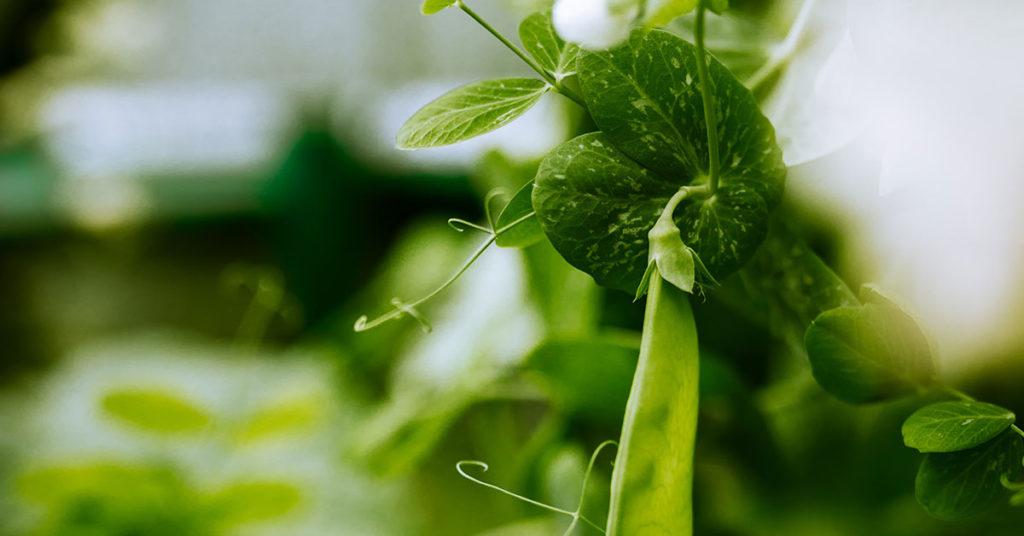
Legumes, such as beans, peas, and lentils, are one of my absolute favorite crop rotation choices because of their incredible ability to fix nitrogen in the soil. These plants have a symbiotic relationship with nitrogen-fixing bacteria, which means they can take nitrogen from the air and convert it into a form that plants can use. This makes legumes perfect for following crops that are heavy feeders, like tomatoes and corn, which can leave your soil depleted. By rotating legumes into your garden, you’re essentially giving your soil a natural, chemical-free boost. Talk about a win-win!
Legumes aren’t just soil superheroes—they also attract a variety of beneficial insects. Peas and beans, with their sweet-smelling flowers, bring in pollinators like bees, and they can also provide a habitat for predatory insects that help control pests. These plants originated in various parts of the world, including the Mediterranean, Asia, and the Americas, and they’re generally not invasive. So, you can plant them without the fear of them taking over your garden. Plus, who doesn’t love harvesting fresh peas or beans straight from the vine? It’s a gardening joy that never gets old!
Nightshades: Flavorful but Feisty

Nightshades, which include tomatoes, peppers, eggplants, and potatoes, are some of the most rewarding crops to grow, but they can be a bit demanding on the soil. Native to Central and South America, these plants are heavy feeders, especially when it comes to nutrients like nitrogen, phosphorus, and potassium. If you’ve ever noticed your tomatoes looking a bit tired or your peppers not quite reaching their potential, it might be because the soil is running low on nutrients after a couple of years of nightshades in the same spot. Rotating these crops is key to maintaining soil health and preventing diseases like blight and wilt.
One thing I’ve learned over the years is that nightshades can attract a fair share of pests, like aphids, spider mites, and those dreaded hornworms! That’s why rotating them with crops that attract predatory insects or that are less pest-prone can really help keep things in balance. While nightshades themselves aren’t invasive, some of their pests and diseases can linger in the soil, so it’s best to avoid planting them in the same spot for at least a couple of years. Rotate them with legumes or brassicas, and you’ll be amazed at how much healthier your nightshades look the next time around!
Root Vegetables: Digging Deeper for Better Soil
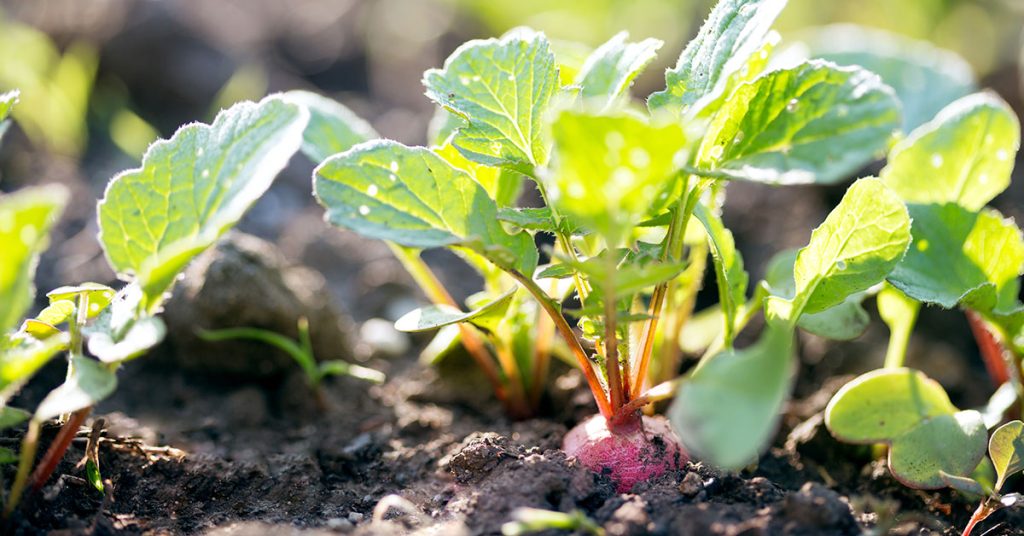
Root vegetables, such as carrots, beets, radishes, and turnips, are fantastic for your garden’s soil structure. These plants dig deep, breaking up compacted soil and improving aeration and water penetration. They originated in various parts of the world, from Europe to Asia, and they’re generally not invasive, which makes them a great option for rotating with other crops. I’ve found that after a season of root vegetables, my soil is so much easier to work with, and the plants that follow seem to thrive in the looser, more aerated conditions.
What’s more, root vegetables can help manage certain pests. Carrot flowers, for instance, attract predatory insects like parasitic wasps and hoverflies, which feast on pests like aphids and caterpillars. These beneficial bugs are a gardener’s best friends, and their presence can greatly reduce the need for chemical interventions. Root vegetables also tend to be light feeders compared to some other crops, so they’re great for following heavy feeders in your rotation plan. And let’s be honest, there’s something deeply satisfying about pulling up a perfect carrot or beet from the ground—it never gets old!
Squash and Pumpkins: The Ground Cover Champions
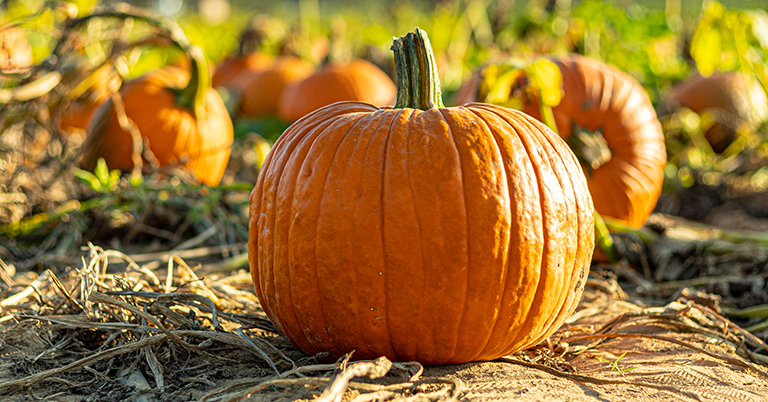
Squash and pumpkins are the sprawling giants of the garden, and they can play a unique role in your crop rotation plan. These plants, native to the Americas, have large leaves that shade the soil, acting as a natural mulch to suppress weeds and retain moisture. After a season of brassicas or root vegetables, rotating in squash or pumpkins can help protect your soil from erosion and provide a lovely cover that keeps the weeds at bay. Plus, they’re so much fun to grow—I always get a kick out of watching the vines take over!
In addition to their soil benefits, squash and pumpkins produce beautiful flowers that attract pollinators like bees and butterflies. These insects are essential for a productive garden, and having plenty of flowering plants around helps ensure they stick around. Squash and pumpkins aren’t considered invasive, but they do need a fair amount of space, so plan accordingly. I love how their presence transforms the garden into a lush, green jungle—it’s like having a little slice of wilderness right in your backyard!
Planning your crop rotations now can make all the difference for next year’s garden. It’s such a simple practice, but the benefits are enormous—from healthier plants to fewer pests and diseases. Plus, it’s a great excuse to try out new crops and mix things up! So grab your garden journal, start mapping out your beds, and get ready for a thriving garden that just keeps getting better year after year.