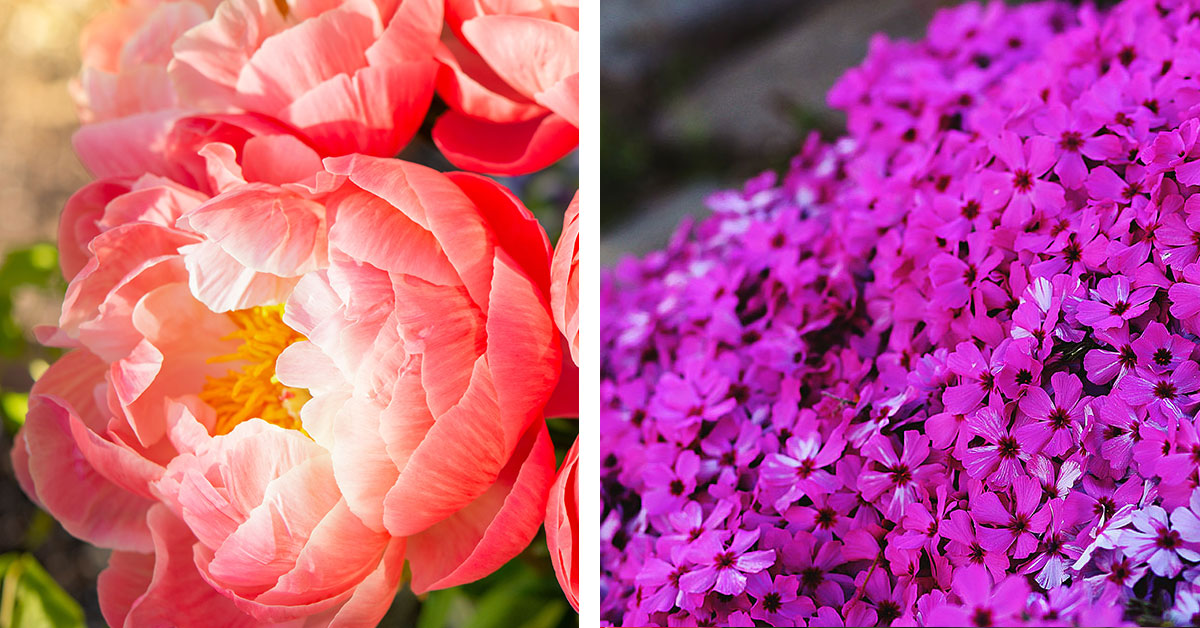

September is the perfect time to refresh your garden by dividing and transplanting your perennials! After a summer of growth, many perennials start to look a bit crowded and can benefit from a little extra breathing room. Dividing your plants not only rejuvenates them but also gives you the opportunity to expand your garden—or even share some of your favorite plants with friends and neighbors. I know it can feel like a daunting task to dig up and split your beloved perennials, but trust me, they’ll thank you for it with more vigorous growth and more beautiful blooms next season.
Dividing perennials isn’t just about aesthetics; it’s also essential for the health of your plants. Over time, many perennials can become too dense, which limits airflow and increases the risk of disease. By dividing them, you’re giving each plant the space it needs to thrive. Plus, it’s a great way to propagate your favorites without spending a dime! Whether you’re dealing with overgrown hostas, daylilies that have outgrown their spot, or those ever-expanding ornamental grasses, let’s dig into the best ways to divide and transplant perennials in September for a stunning garden next year.
Dividing Hostas: The Shady Garden Staple
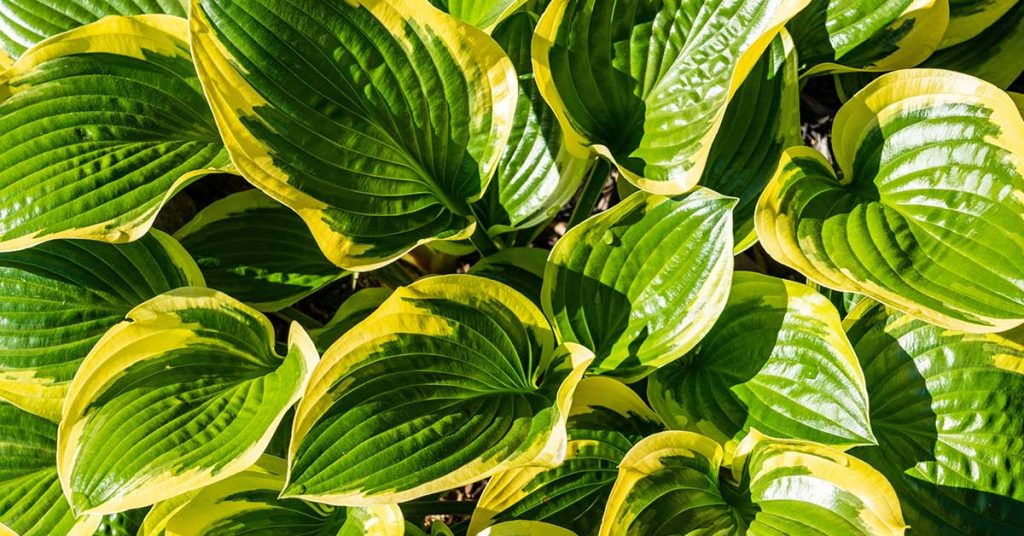
Hostas are one of those perennial favorites that seem to thrive in the shadiest corners of the garden. Native to Japan, Korea, and China, these lush, leafy plants are perfect for filling in those tricky spots where other plants might struggle. Hostas are not invasive, but they do have a tendency to grow quite large over the years, making them prime candidates for division. By dividing hostas in September, you’re giving them a fresh start before the cold sets in, and they’ll have plenty of time to establish strong roots before the next growing season.
To divide hostas, start by digging up the entire clump with a sharp spade, being careful to get as much of the root system as possible. Then, use a sharp knife or your hands to split the clump into smaller sections, each with several shoots and roots. Replant them immediately in their new location, ensuring they’re planted at the same depth as before. Water them well, and add a layer of mulch to help retain moisture and keep the roots protected. I always find it so satisfying to see how quickly divided hostas bounce back—and they look fantastic with fresh space to spread out their beautiful foliage.
Transplanting Daylilies: A Burst of Summer Color
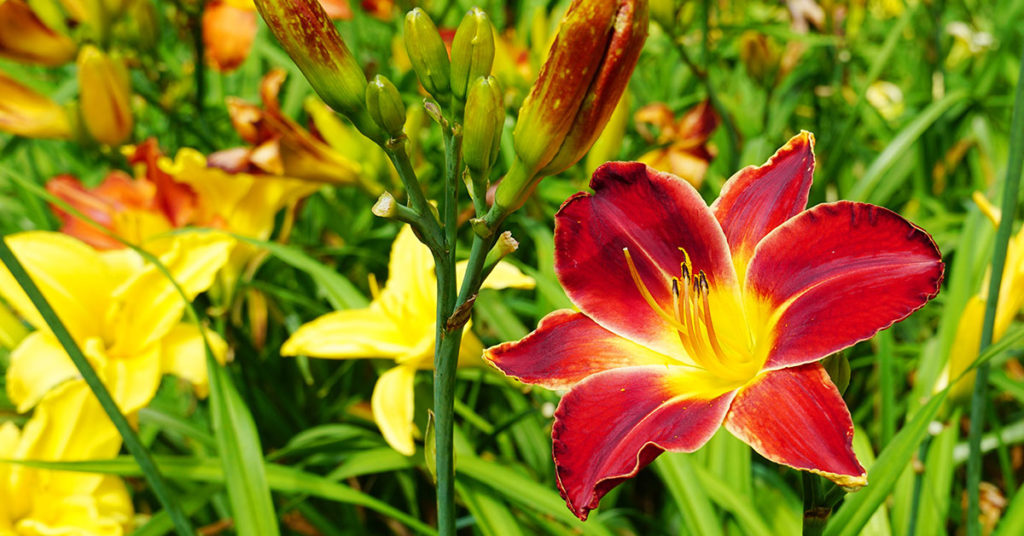
Daylilies are known for their bright, trumpet-shaped blooms that add a burst of color to the summer garden. Native to Asia, particularly China, Korea, and Japan, these hardy perennials are incredibly resilient and adaptable to a variety of conditions. They’re not invasive, but their clumps can become dense over time, making them perfect candidates for dividing in September. Dividing daylilies helps rejuvenate the plants, encouraging them to produce more flowers and maintain a neat, tidy appearance in your garden.
When dividing daylilies, dig up the entire clump and shake off excess soil so you can clearly see the roots. Use your hands or a knife to separate the clump into smaller sections, each with at least a few fans of leaves and healthy roots. Replant them in well-draining soil with plenty of sunlight, as daylilies thrive in full sun and are quite drought-tolerant once established. Water them well to help them settle in, and don’t be surprised if they bloom even better next year—dividing gives them the space and energy to put on an even more impressive display!
Dividing and Transplanting Ornamental Grasses: Adding Movement and Texture
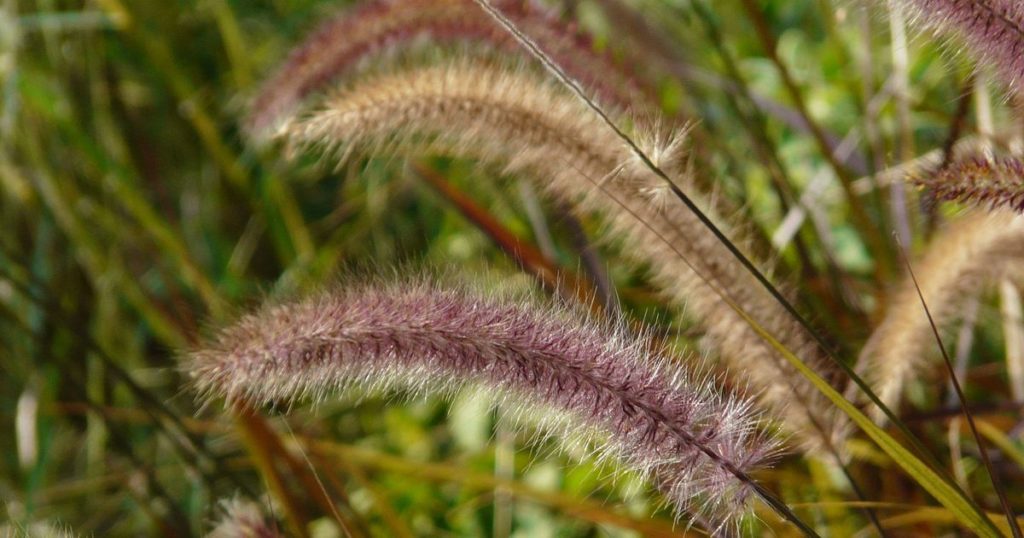
Ornamental grasses are a fantastic way to add movement, texture, and structure to your garden, and September is the perfect time to divide them. Many ornamental grasses, like the popular Miscanthus (native to Asia) or the North American native switchgrass, can become large and unruly over time, crowding out other plants or simply taking over their space. Dividing them not only helps maintain their shape but also encourages new, healthy growth, making them look lush and vibrant. These grasses aren’t invasive, but they can certainly dominate a space if left unchecked!
To divide ornamental grasses, dig up the clump, making sure to get as much of the root system as possible. Some grasses have tough, fibrous roots, so you might need a sharp spade or even a saw to cut through the clump. Once divided, replant the sections at the same depth, spacing them appropriately to give them room to grow. Water well and mulch to conserve moisture. I absolutely love how dividing ornamental grasses can instantly refresh a garden bed, and the swaying plumes in the breeze are a reminder of why these plants are worth the effort.
Dividing Coneflowers: Boosting Blooms and Pollinator Appeal

Coneflowers, or Echinacea, are beloved for their daisy-like flowers that attract bees, butterflies, and other beneficial pollinators to the garden. Native to North America, these hardy perennials are known for their resilience and ability to thrive in a variety of conditions, from full sun to partial shade. They’re not invasive, but their clumps can become dense over time, leading to fewer flowers and a less vigorous plant. Dividing coneflowers in September can help rejuvenate them, boosting both blooms and pollinator activity in your garden.
To divide coneflowers, dig up the entire clump and use a sharp knife or your hands to separate it into smaller sections, making sure each piece has healthy roots and a good amount of foliage. Replant them in well-draining soil and full sun, and water thoroughly to help them establish. I’ve always found that divided coneflowers come back even stronger, often with more flowers and a more robust presence in the garden. Plus, it’s a great way to spread a little extra pollinator love around your yard—nothing beats seeing those busy bees flitting from bloom to bloom!
Transplanting Sedum: The Succulent Solution
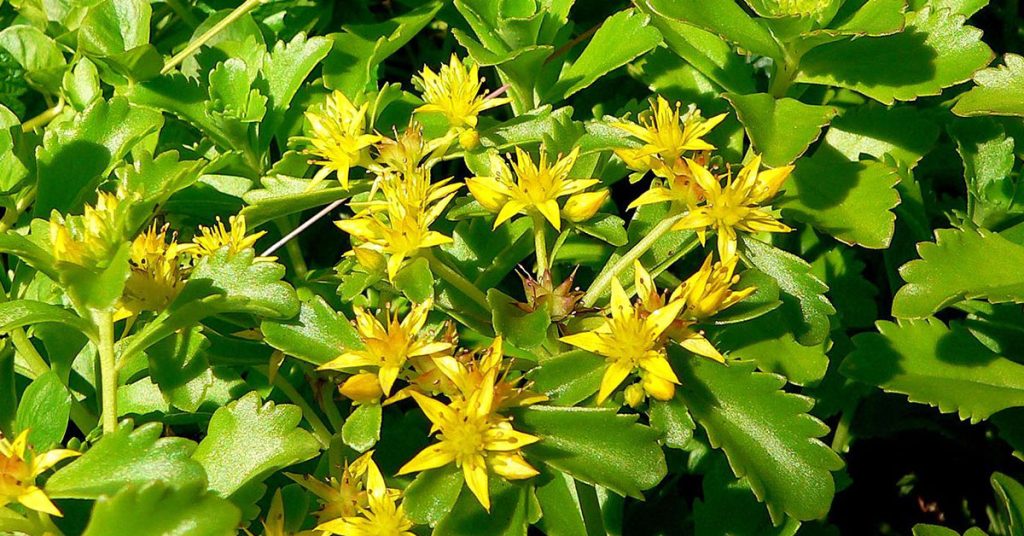
Sedum, also known as stonecrop, is a succulent perennial that’s perfect for adding a splash of late-season color to your garden. Native to temperate regions of the Northern Hemisphere, sedum is incredibly drought-tolerant and thrives in sunny, well-drained locations. It’s not invasive, but over time, some varieties can spread and become overcrowded, making them ideal for dividing and transplanting in September. I’ve always been a fan of sedum’s fleshy leaves and starry flowers—they’re a great way to add low-maintenance beauty to your garden!
To divide sedum, gently lift the plant from the soil with a garden fork, taking care to keep the roots intact. Use your hands or a sharp knife to divide the clump into smaller sections, and replant them at the same depth in their new location. Sedum is incredibly forgiving, so even if you’re new to dividing plants, it’s hard to go wrong with this one! Water well after transplanting, and enjoy watching your sedum flourish in its new spot—whether it’s filling in a rock garden, spilling over the edge of a planter, or creating a ground cover that’s as tough as it is pretty.
Dividing Bearded Iris: Elegance in the Garden

Bearded iris are known for their striking blooms and sword-like leaves that add elegance and structure to any garden. Native to Europe, North Africa, and Asia, these perennials are perfect for sunny spots with well-draining soil. They’re not invasive, but they can form large clumps over time, which can lead to fewer blooms and crowded plants. Dividing them in September allows them to settle in before the winter, ensuring a stunning display come spring. I adore the range of colors that bearded iris come in—from soft pastels to deep purples—and dividing them keeps them looking their best year after year.
To divide bearded iris, dig up the entire clump and gently pull apart the rhizomes, discarding any that look old or diseased. Replant the healthy rhizomes with the tops just at soil level, spaced about a foot apart to give them room to grow. Water them well, and consider adding a light mulch to keep the soil cool and moist. It’s so satisfying to see the results of your efforts when the iris bloom again in spring, often with more vigor and beauty than before. Dividing is truly one of the best ways to keep your bearded iris thriving and full of life!
Dividing and transplanting perennials in September is all about giving your garden the care and attention it needs to shine. It might take a bit of effort, but the rewards are well worth it—healthier plants, more blooms, and a garden that just feels refreshed and ready for the next season. So grab your tools, dig in, and enjoy the process of creating a beautiful, thriving garden that’s uniquely yours!