
Ah, September—the perfect time to give your compost pile some love! As the garden starts to wind down, you might find yourself with an abundance of plant material, fallen leaves, and kitchen scraps. It’s so satisfying to know that all these leftovers can be turned into rich, nutritious compost that will feed your garden next season. But let’s be honest: composting can sometimes feel a bit overwhelming. What can you toss in? What should you avoid? I’ve been there, staring at my compost pile and wondering if that questionable item will help or hinder my efforts. The good news is, with a few simple tips, you can make sure your compost pile stays balanced and productive, turning all those fall trimmings into gardening gold.
Composting is more than just tossing scraps into a pile—it’s about creating the right conditions for those materials to break down efficiently. By adding the right ingredients and avoiding the wrong ones, you’ll speed up the decomposition process and end up with that dark, crumbly compost that plants love. Plus, composting is a fantastic way to reduce waste, enrich your soil, and attract beneficial insects like earthworms that help aerate the soil. So, let’s dig into some composting tips that will have your pile thriving this September!
Add: Fallen Leaves
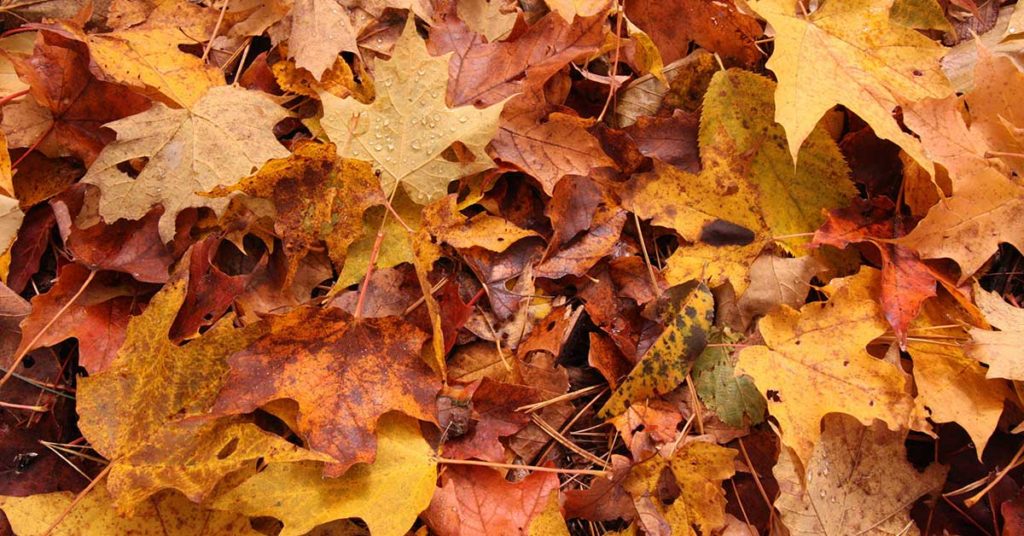
One of the best things about September is the abundance of fallen leaves, and they are an absolute treasure for your compost pile! Leaves are rich in carbon, an essential component that helps balance the nitrogen in your compost and keeps it from becoming a slimy, smelly mess. I love adding leaves to my compost because they break down beautifully and add a lovely texture to the finished product. Plus, they’re free and right there in your backyard—talk about a win-win!
When adding leaves to your compost, it’s a good idea to chop them up a bit with a mower or shredder if you can. This helps them break down faster and prevents them from matting together, which can slow down the composting process. And don’t worry about adding leaves from trees like oak or maple—they’re not invasive and won’t harm your compost. Just make sure to mix them well with green materials like grass clippings or kitchen scraps to keep everything balanced. A pile full of leaves is a happy pile, and come spring, you’ll have rich, fluffy compost that your plants will love.
Avoid: Diseased Plants
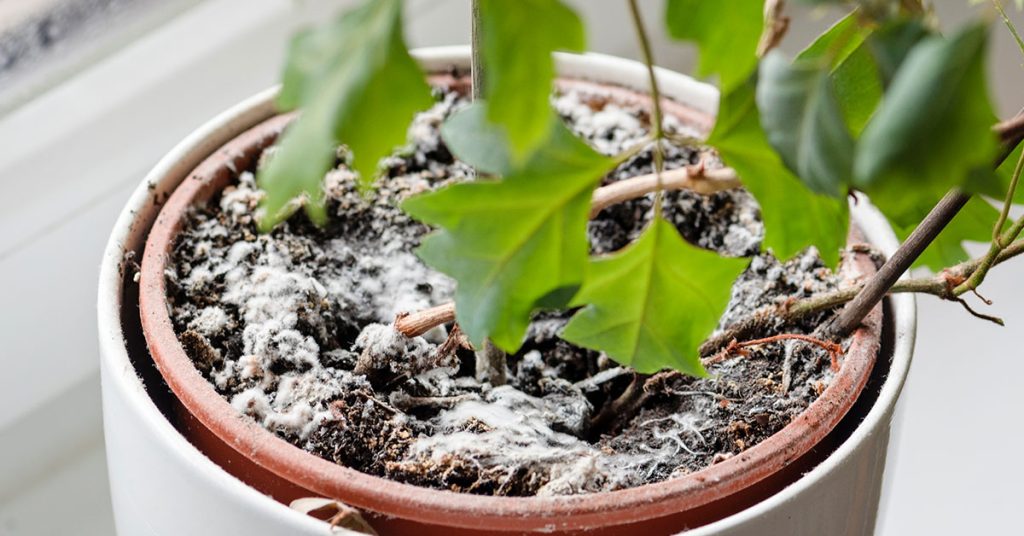
I know how tempting it can be to toss everything from the garden into the compost, especially when you’re trying to clean up after a busy growing season. But it’s important to resist adding any diseased plants to your pile. I’ve learned this the hard way—those sneaky pathogens can survive the composting process if your pile doesn’t get hot enough, and the last thing you want is to spread those diseases all over your garden next year! It’s such a bummer when you think you’re doing everything right, only to find your plants struggling again with the same issues.
Instead, it’s best to dispose of diseased plants in the trash or through municipal green waste programs where they’ll be processed at higher temperatures. If you’re diligent about keeping diseased material out of your compost, you’ll be rewarded with healthy, nutrient-rich compost that supports vibrant plant growth rather than perpetuating problems. Remember, a healthy compost pile starts with healthy ingredients, so it’s worth being a little picky about what goes in.
Add: Grass Clippings
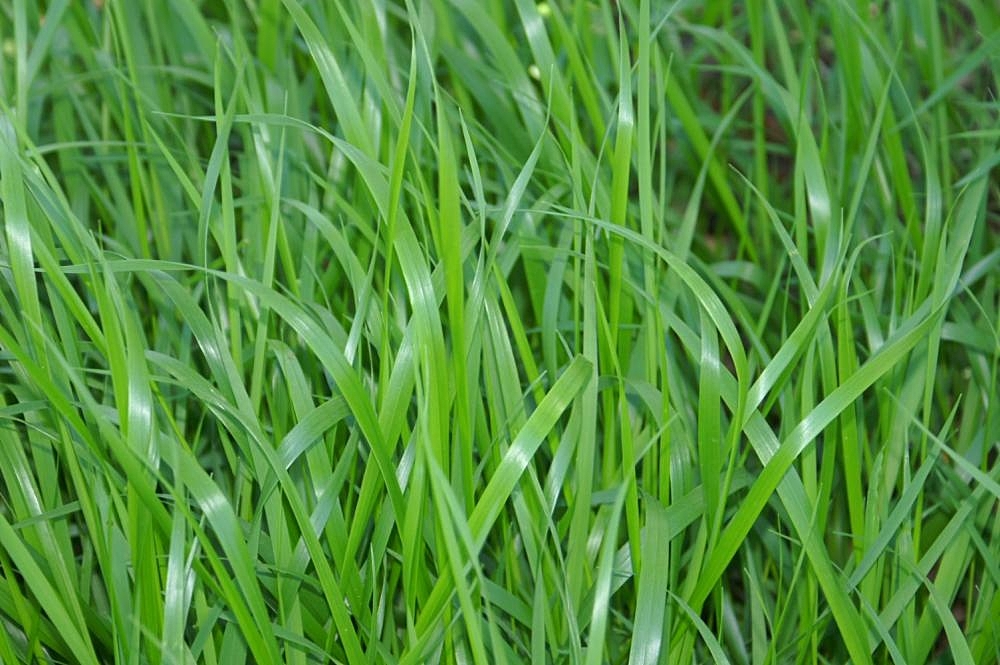
Grass clippings are a fantastic addition to your compost pile, especially in September when the lawn is still growing strong. They’re rich in nitrogen, which is essential for creating the heat that helps your compost break down efficiently. Whenever I mow the lawn, I make sure to collect the clippings and toss them right into the pile. It’s such an easy way to add a nutrient boost without any extra effort! Just be mindful of any chemicals that might be on the grass—organic clippings are always the best choice to keep your compost chemical-free.
It’s important to mix grass clippings with carbon-rich materials like leaves or straw to keep the compost balanced. If you dump a big pile of clippings all at once, they can get slimy and start to smell, which is not exactly the vibe we’re going for! By layering them in with other materials, you’ll create the perfect environment for decomposition. Plus, grass clippings break down quickly, adding valuable nutrients to your compost that will feed your garden in no time.
Avoid: Meat, Dairy, and Oils
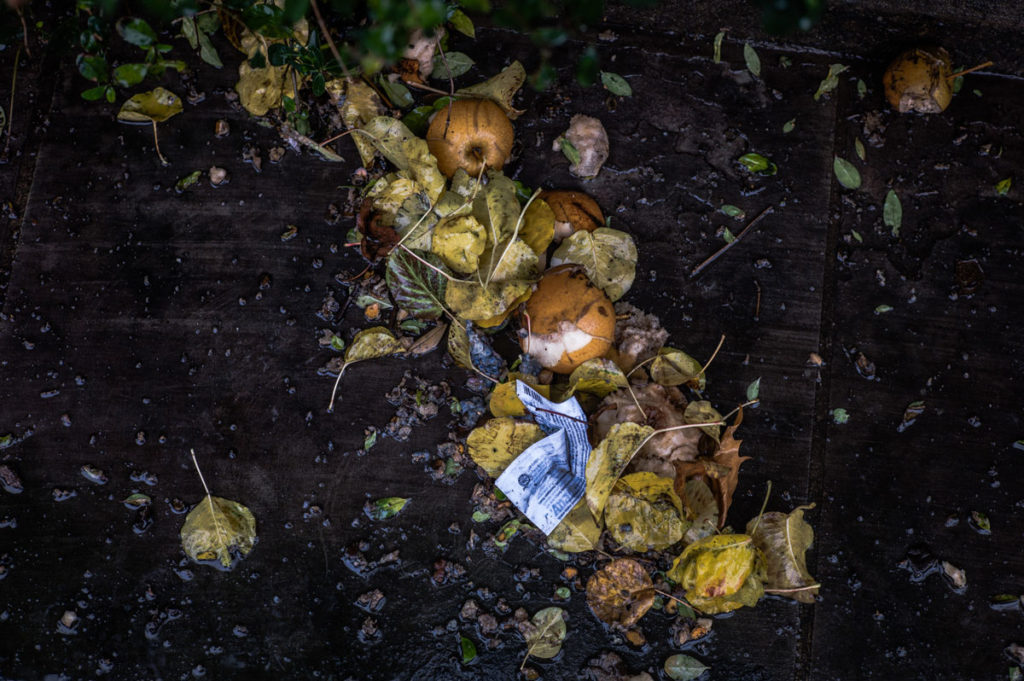
When it comes to composting, not all kitchen scraps are created equal. Meat, dairy, and oils are best kept out of your compost pile. These items can attract pests like rodents and raccoons, and they tend to break down slowly, creating unpleasant odors that can make composting less enjoyable. Trust me, it’s no fun to deal with a smelly pile that’s suddenly become a buffet for the local wildlife! While it might seem like composting is a way to recycle all your food waste, these particular items are better off in the trash or a dedicated food waste collection program.
Even if you’re composting in a well-sealed bin, it’s still a good idea to keep meat, dairy, and oils out. They can throw off the balance of your pile, leading to a slower decomposition process and a lower-quality compost. Instead, stick to plant-based kitchen scraps like fruit peels, vegetable trimmings, and coffee grounds, which break down beautifully and contribute valuable nutrients to your compost. By keeping your pile veggie-friendly, you’ll have a much easier time managing it and getting that rich, earthy compost that plants adore.
Add: Coffee Grounds

If you’re a coffee lover like me, you’ll be happy to know that those used coffee grounds can be put to excellent use in your compost pile! Coffee grounds are a great source of nitrogen and can help heat up your pile, speeding up the decomposition process. Plus, they’re small and easy to mix in, making them a convenient addition to your compost routine. I always get a little thrill out of adding coffee grounds to my pile—it’s like giving my compost its own morning boost!
Not only do coffee grounds contribute nitrogen, but they also help improve the structure of the finished compost, making it more crumbly and easier to work with. They’re also known to attract earthworms, which are fantastic for aerating your compost and enhancing the breakdown of organic material. If you don’t produce enough coffee grounds on your own, many coffee shops are happy to give away their used grounds for free, so don’t hesitate to ask! Your compost pile will be all the better for it.
Avoid: Weeds Gone to Seed
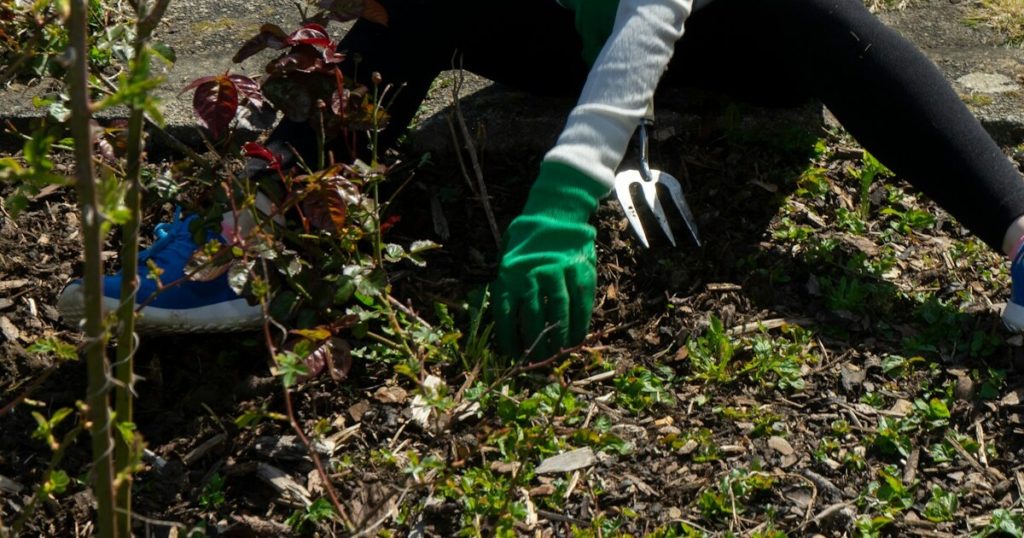
Weeds are a garden nuisance, and it’s natural to want to toss them into the compost pile after pulling them up. However, it’s important to avoid adding any weeds that have gone to seed, as this can introduce weed seeds into your compost. And let’s be real—nobody wants to spread weeds around their garden when they’re trying to improve their soil! I’ve had my fair share of regrets from not paying attention to this detail, and it’s no fun having to deal with a fresh batch of unwanted guests in your carefully tended beds.
If you’re composting weeds, make sure they haven’t set seed yet. Weeds that haven’t gone to seed can be composted safely, as long as your pile gets hot enough to kill off any potential roots or plant fragments that could regrow. It’s a good practice to keep your pile actively turning and maintaining a healthy temperature to avoid any accidental weed propagation. By staying vigilant, you can keep your compost pile a positive addition to your gardening efforts, rather than an unexpected source of extra work!
Add: Vegetable and Fruit Scraps

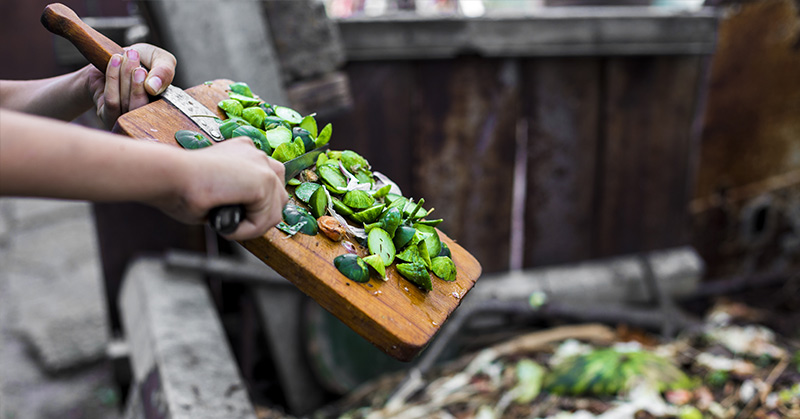
One of the easiest and most beneficial things you can add to your compost pile in September is vegetable and fruit scraps. Think of all those apple cores, carrot tops, and wilted lettuce leaves that accumulate as you cook—these are perfect for composting! They’re rich in nitrogen and help create a balanced mix of green and brown materials, which is crucial for a healthy compost pile. I find it so rewarding to know that even the bits and pieces from my kitchen can go back into the garden and contribute to a thriving ecosystem.
Just remember to chop up larger scraps into smaller pieces to help them break down faster. And avoid adding citrus peels or onion skins in large quantities, as they can be a bit more acidic and slower to decompose. By incorporating a variety of veggie and fruit scraps, you’ll keep your pile well-fed and active. It’s amazing how much kitchen waste can be transformed into something so beneficial for your garden, and every little bit helps!
Composting in September is all about taking advantage of what the season has to offer and being mindful of what goes into your pile. By adding the right materials and avoiding the ones that can cause trouble, you’ll create a healthy, productive compost pile that’s ready to nourish your garden when spring rolls around.