

September is such a pivotal month in the garden, isn’t it? The summer heat begins to wane, and the garden transitions into the gentle embrace of autumn. It’s also a critical time for us gardeners to think ahead and prepare our gardens for the cooler months. One of the best things you can do right now is mulch! Mulching in September can provide a wealth of benefits that not only help your plants survive the changing weather but also thrive in the seasons to come. Whether you’re growing perennials, annuals, or even a vegetable garden, mulching is a must-do task that sets your garden up for success.
I totally get it—mulching might seem like just another chore on the gardening to-do list, but trust me, it’s worth every bit of effort. Think of it as a cozy blanket for your plants, protecting them from cold snaps, conserving moisture, and keeping those pesky weeds at bay. Plus, there’s something incredibly satisfying about looking out over a freshly mulched bed, knowing your garden is well-tucked in and ready for whatever Mother Nature throws its way. Let’s dive into some of the incredible benefits of mulching in September and why your garden will thank you for it!
Retains Soil Moisture

One of the most practical benefits of mulching is its ability to retain soil moisture. As temperatures begin to fluctuate in September, the soil can lose moisture more rapidly, especially during those warm, sunny days that still sneak in. Mulch acts as a protective barrier, reducing evaporation and helping the soil retain its moisture. This is particularly beneficial for plants native to regions with consistent moisture, such as many perennials that might struggle with dry conditions. By keeping the soil consistently damp, you’re creating a healthier environment for the roots, which is essential for the plants’ overall health and growth.
And let’s not forget, maintaining soil moisture can save you time and effort on watering! When the top layer of soil stays moist, it reduces the frequency with which you need to water, giving you more time to enjoy your garden rather than constantly tending to it. Plus, it’s great for water conservation—a win-win for you and the environment! It’s always such a relief to know that the effort put into mulching can directly impact the longevity and resilience of your plants through the changing seasons.
Suppresses Weeds
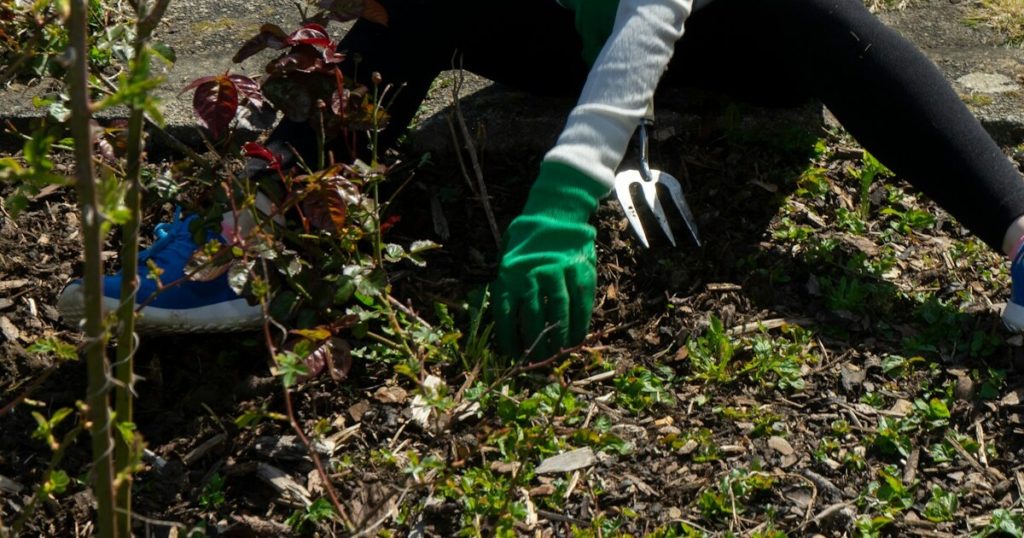
Oh, the bane of every gardener’s existence: weeds! Nothing is more frustrating than spending hours pulling weeds, only to see them pop up again in no time. Mulching is like your garden’s secret weapon against these unwanted invaders. By covering the soil with a thick layer of mulch, you create a barrier that blocks sunlight from reaching weed seeds. Without light, those pesky seeds are far less likely to germinate and take over your beautifully tended beds.
Imagine fewer hours spent on your knees, weeding, and more time enjoying your garden! Mulch doesn’t just suppress weeds—it actually makes your gardening life easier. I’ve found that a good mulch layer can drastically cut down on the amount of weeding I need to do throughout the season. It’s not just about aesthetics; it’s about giving your garden the best chance to flourish without competition from weeds that steal nutrients and water from your plants. Plus, a weed-free garden is a healthier garden, with fewer chances for pests to hide and wreak havoc!
Insulates Roots from Temperature Fluctuations
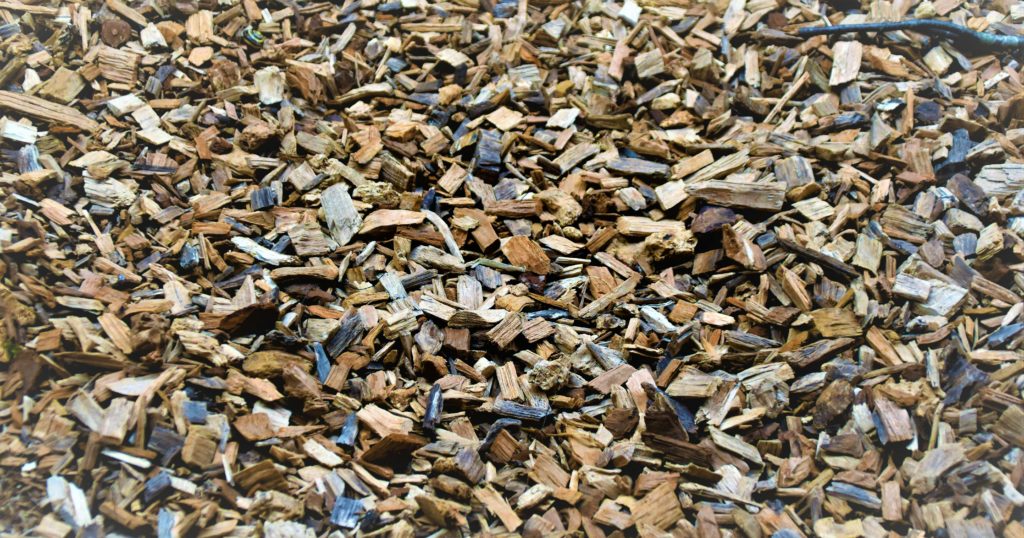
September is a month of change, and with change comes fluctuating temperatures. Mulch serves as an excellent insulator for your plants’ roots, protecting them from the stress of these temperature swings. Whether it’s an unexpected hot day or a sudden cold night, mulch helps moderate soil temperatures, keeping the roots of your plants comfortable and less susceptible to shock. This is particularly important for tender perennials or newly planted shrubs that haven’t had time to fully establish their root systems.
It’s such a comforting thought, knowing that while you’re snug indoors, your garden is well-protected from the erratic weather outside! Mulch is especially beneficial for plants native to temperate climates where consistent soil temperatures are more common. By mimicking these conditions, you can help your plants feel right at home, no matter where they’re originally from. I’ve seen firsthand how a well-mulched garden handles the seasonal transition so much more smoothly, and it’s one of those little tricks that make a big difference in the health of your plants.
Improves Soil Health
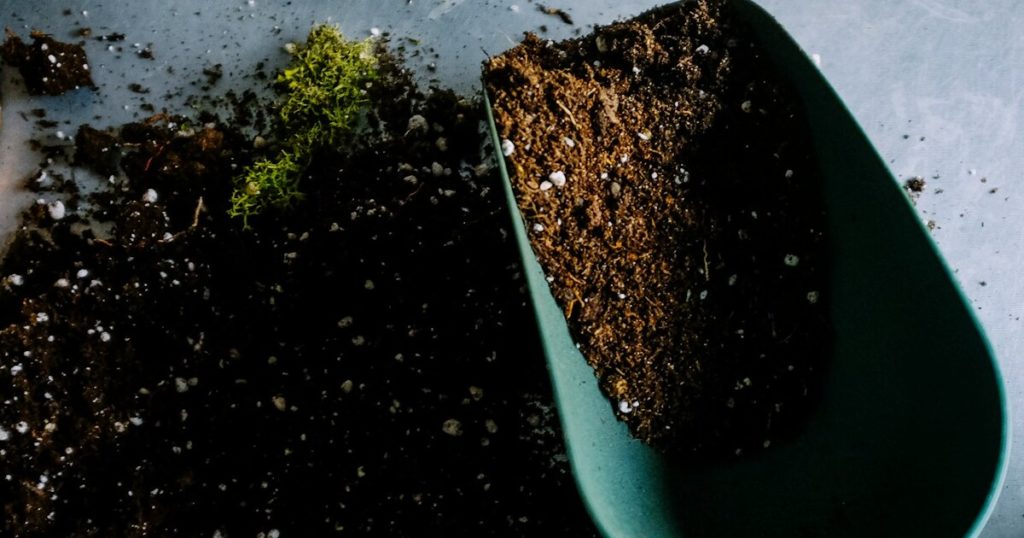
One of my favorite benefits of mulching is how it improves soil health over time. As organic mulches like straw, leaves, or wood chips decompose, they add valuable nutrients back into the soil. This natural composting process enriches the soil, promoting healthy microbial activity and improving soil structure. For plants that are native to nutrient-rich environments, this can be a game-changer, providing them with a more suitable growing medium that closely mimics their natural habitat.
I love watching the transformation that happens when you mulch regularly—the soil becomes darker, richer, and more crumbly, a sure sign that it’s full of life and ready to nourish your plants. This isn’t just about immediate results; it’s about creating a sustainable, long-term foundation for your garden. By continually feeding the soil, you’re investing in the future health of your garden, ensuring that every season starts off on the right foot. Trust me, your plants will thrive when their roots are nestled in such fertile, well-nourished soil!
Reduces Soil Erosion
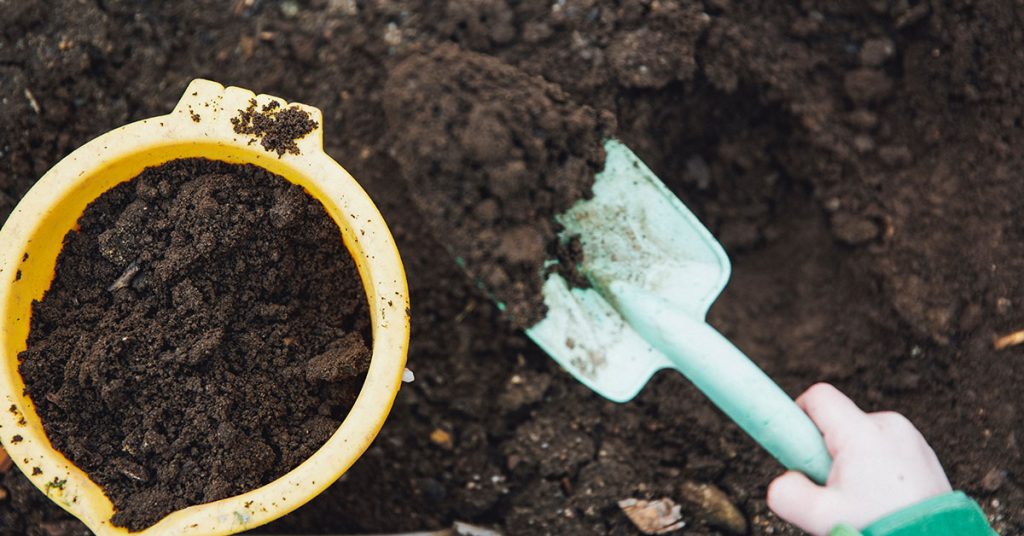
If your garden is on a slope or in an area prone to heavy rains, you’ve likely seen firsthand the impact of soil erosion. It can be heartbreaking to see your topsoil—and all its nutrients—washed away after a storm. Mulching helps hold the soil in place, reducing erosion and keeping your garden beds intact. The mulch acts as a protective layer, absorbing the impact of rain and wind, and preventing the soil from being disturbed. This is particularly important for annuals or shallow-rooted plants that might otherwise struggle to maintain a grip in loose, shifting soil.
I remember feeling so frustrated after a heavy rain would undo all my hard work in the garden! But once I started mulching, the difference was incredible. Not only did it keep my soil where it belonged, but it also made my garden beds look tidy and cared for, no matter what the weather threw at them. It’s one of those little steps that make such a huge difference, especially in the unpredictable months of September when weather patterns can be all over the place.
Encourages Beneficial Insects

Did you know that mulching can actually attract beneficial insects to your garden? Certain types of mulch, especially organic ones, can create the perfect environment for insects like beetles, spiders, and even earthworms that play crucial roles in maintaining the health of your garden. These beneficial insects can help control pest populations naturally, reducing the need for chemical interventions. It’s a win for your garden’s ecosystem and your plants’ health!
It’s always such a thrill to see more life in the garden. I remember noticing more earthworms wriggling about after I started mulching regularly, and let me tell you, that’s a great sign! These little garden helpers aerate the soil and break down organic matter, turning it into rich compost that feeds your plants. It’s like having your own tiny garden crew working around the clock to keep things in balance. Mulching doesn’t just help your plants—it turns your garden into a thriving community of creatures all working together.
Adds Visual Appeal to Your Garden
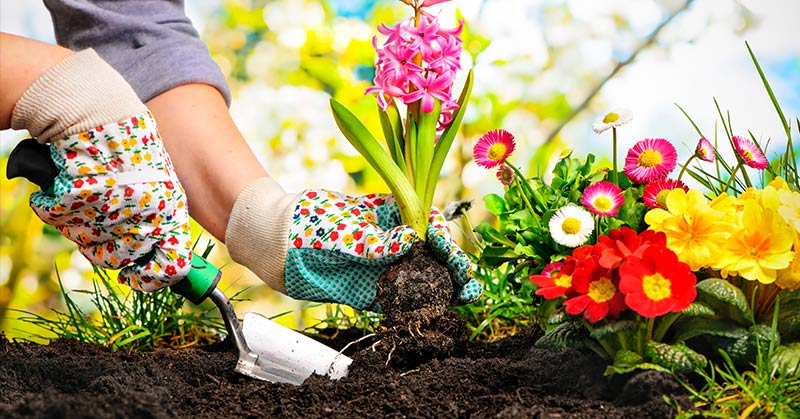
Let’s not forget that mulching adds a lovely finishing touch to your garden beds! A fresh layer of mulch can instantly elevate the look of your garden, giving it a neat, well-tended appearance. I always feel a burst of satisfaction when I step back and see how mulch transforms the space—it’s like putting the final strokes on a masterpiece! And it’s not just about aesthetics; a well-mulched garden can actually boost your plants’ health by creating a clean, tidy environment that deters pests and diseases.
Whether you prefer the rustic look of straw, the deep, rich hue of bark mulch, or the natural simplicity of shredded leaves, mulching gives you the flexibility to create a garden that not only thrives but also looks stunning. It’s one of those gardening tasks that really delivers on all fronts—practical, beneficial, and beautiful. Plus, as the mulch breaks down over time, it continues to feed your garden, making it a gift that keeps on giving.